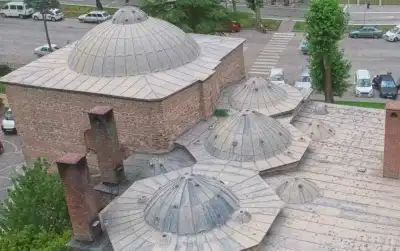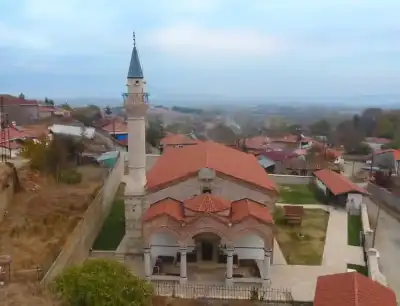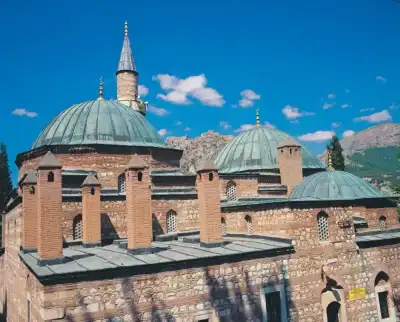
Bimarhane Madrasa is an Ilkhanid-era medical school built in 1308–1309 along Amasya's Yeşilırmak River, known for treating psychiatric patients with music. Today, it operates as the Sabuncuoğlu Museum of Medicine and Surgery History.
A must-visit for any history enthusiast traveling to Amasya, the Bimarhane Madrasa was built in 1308–1309 by the architect Anber bin Abdullah on behalf of Ilduz Hatun, the wife of the Ilkhanid ruler Sultan Mehmet Olcaytu. For centuries, the building functioned as both a medical school and a healing center (darussifa), ranking among Anatolia's most important historic hospitals. It holds the distinction of being the only surviving Ilkhanid-era monument in Amasya.
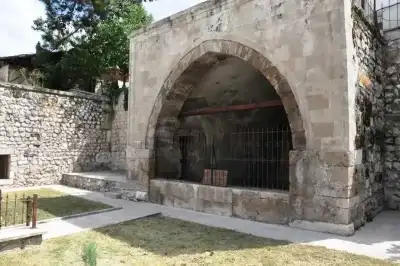
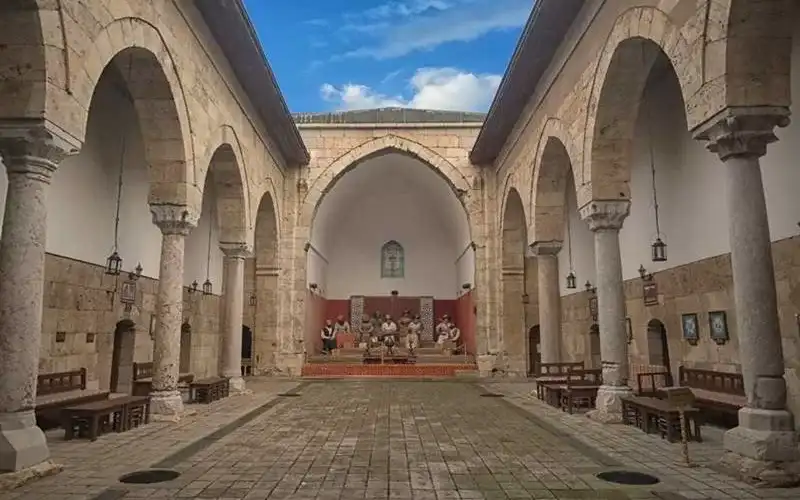
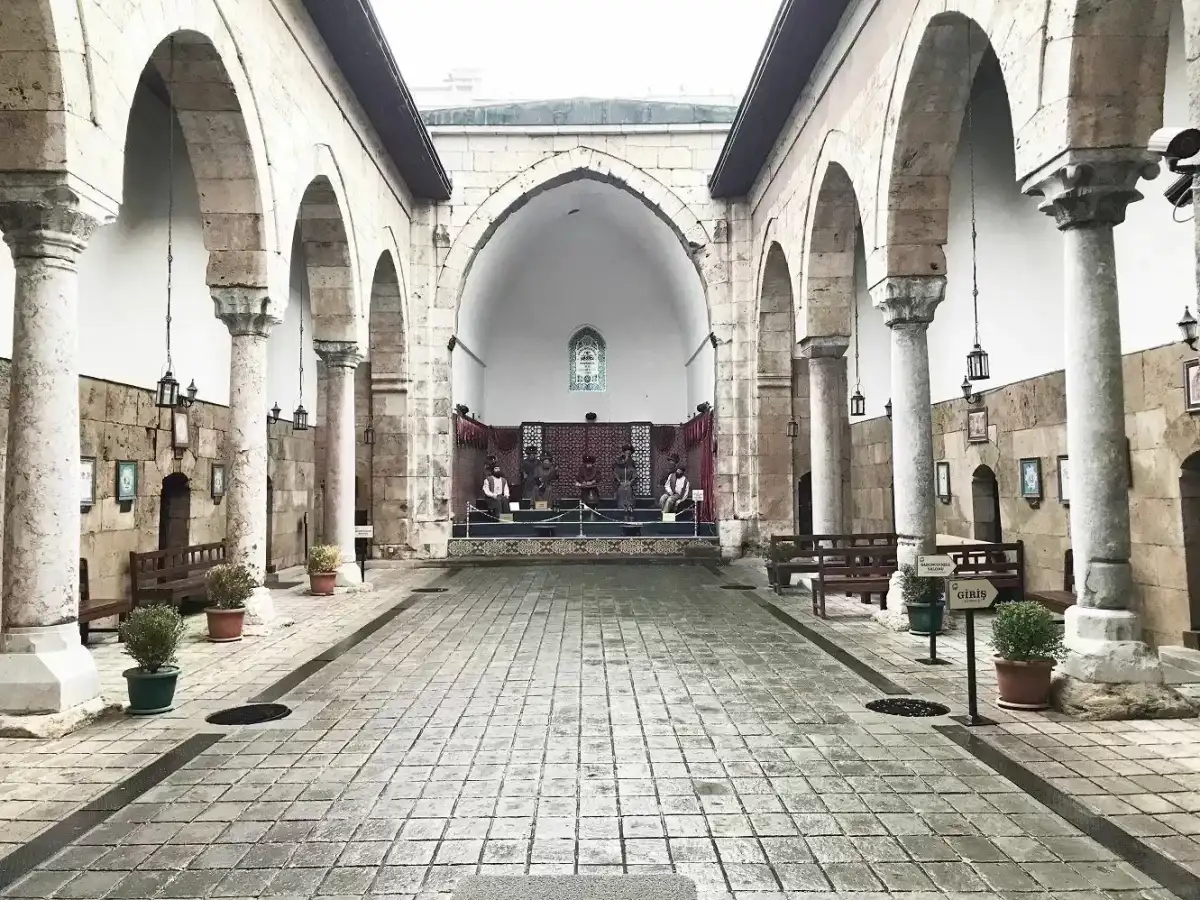
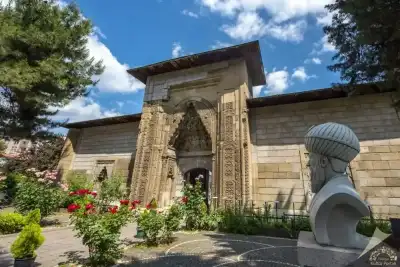
Designed around a rectangular courtyard, the structure reflects a classic Seljuk madrasa layout, featuring two rows of arcades parallel to the long axis and vault-covered spaces. The most striking feature setting the Bimarhane apart from other healing centers is that it hosted music therapy for mental health patients—a practice representing a highly advanced approach in medieval medicine. Historical documents indicate that its endowment deed (vakfiye) was drawn up in 1312. Today, it welcomes visitors as the Sabuncuoğlu Museum of Medicine and Surgery History, offering a fascinating window into Ottoman and Ilkhanid medical history.
Guide's Note
As a historic landmark surviving from the Ilkhanid era, the Bimarhane Madrasa is one of Amasya's standout cultural stops. Visitors note that it is not merely a museum, but a physical testimonial to the history of medicine and medieval music therapy. Wax figures and period surgical instruments enhance the educational narrative and make the displays visual and engaging.
Those interested in health history and medical education highlight the unique value of the exhibits, courtyard, and displays. Some visitors also mention a gift counter near the entrance where traditional herbal pastes (macun) can be purchased.
- Silent music therapy room: Visitors noted that the room dedicated to music therapy lacks audio or sound ambient demonstrations, which some feel diminishes the interactive experience.
- Museum Pass / MüzeKart report: Some travelers mention entry fees were cash/card only on-site, so it is best to carry alternative payment methods.
- Information plaque note: Attentive visitors pointed out potential citation inconsistencies on certain informational wall plaques, suggesting double-checking historical details.
What is Bimarhane Madrasa?
The word bimarhane comes from Persian and translates to hospital for the sick or mentally ill. However, this structure in Amasya was far more than a simple asylum; it was a comprehensive medical complex (külliye) providing medical education, patient care, and cutting-edge healthcare for its era. Built between 1308 and 1309 under the order of Ilduz Hatun, wife of the Ilkhanid ruler Sultan Mehmet Olcaytu, the building was designed by the architect Anber bin Abdullah. Historical records show its founding charter (vakfiye) was issued in 1312. It holds special value as the sole surviving Ilkhanid monument in Amasya.
Today operating as the Sabuncuoğlu Museum of Medicine and Surgery History, the facility is named after Şerafeddin Sabuncuoğlu, a renowned 15th-century Ottoman physician who was trained at this madrasa and penned landmark medical texts here.
When to Visit?
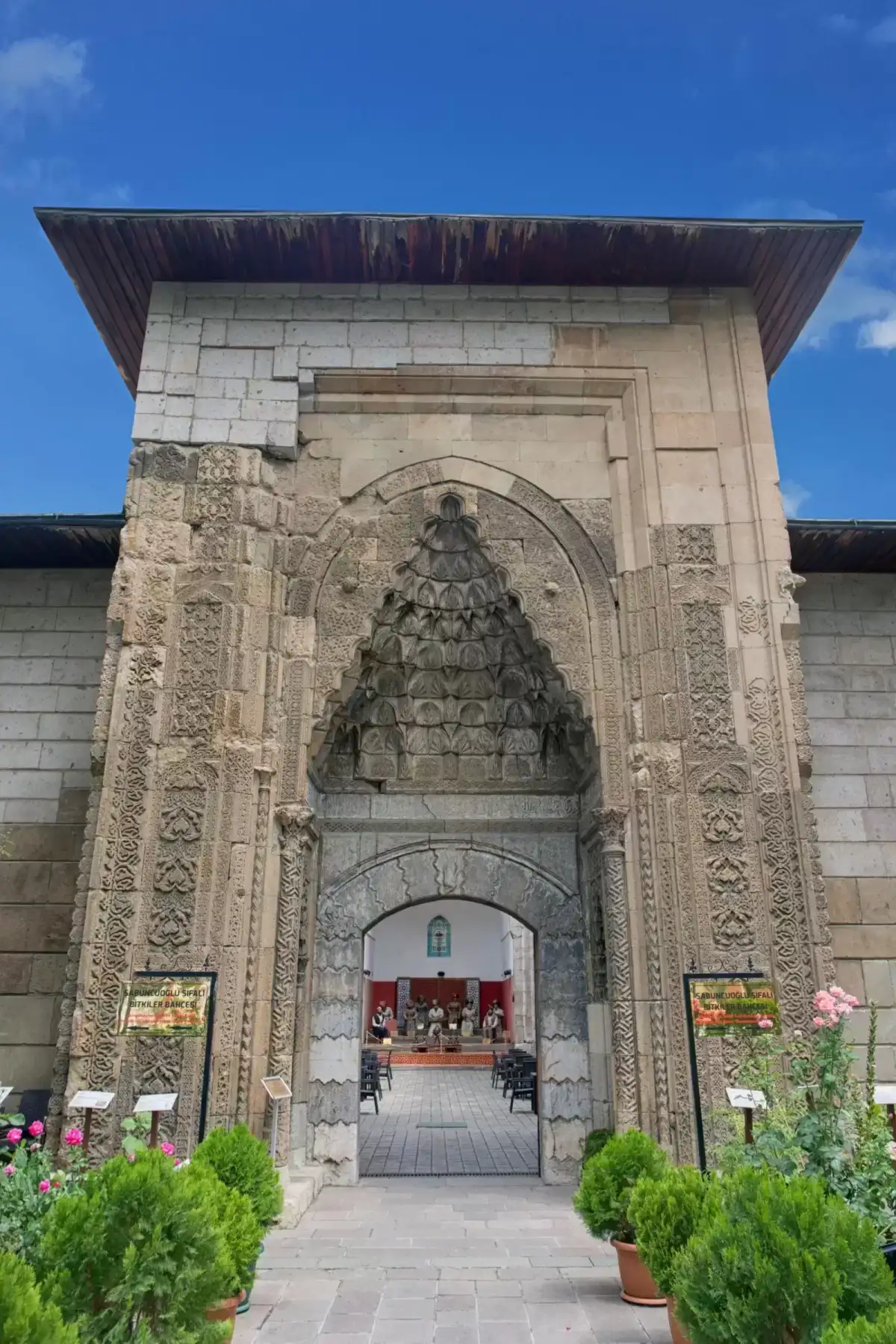
The best times to visit Amasya and the Bimarhane Madrasa are during April–May and September–October. Temperatures during these spring and autumn months are pleasant, and tourist crowds are moderate. Summer brings vibrant city life, though mid-summer heat in July and August can make courtyard strolls uncomfortable. In winter, operating hours may be reduced. For photographers, early morning light hitting the main stone portal gate offers the best shots.
How to Get There?
Bimarhane Madrasa is within easy walking distance of central Amasya. It can be reached via a short walk from behind the historic Yalıboyu houses along the river. Once in the city center via local minibuses (dolmuş), walking to the complex is straightforward. Intercity buses link major cities like Ankara, Samsun, and Sivas to Amasya; from the main bus terminal, taxis or local shuttle buses quickly reach the center. If driving, parking near the old town bazaar is limited, so parking slightly further away and walking is recommended.
Photography Spots
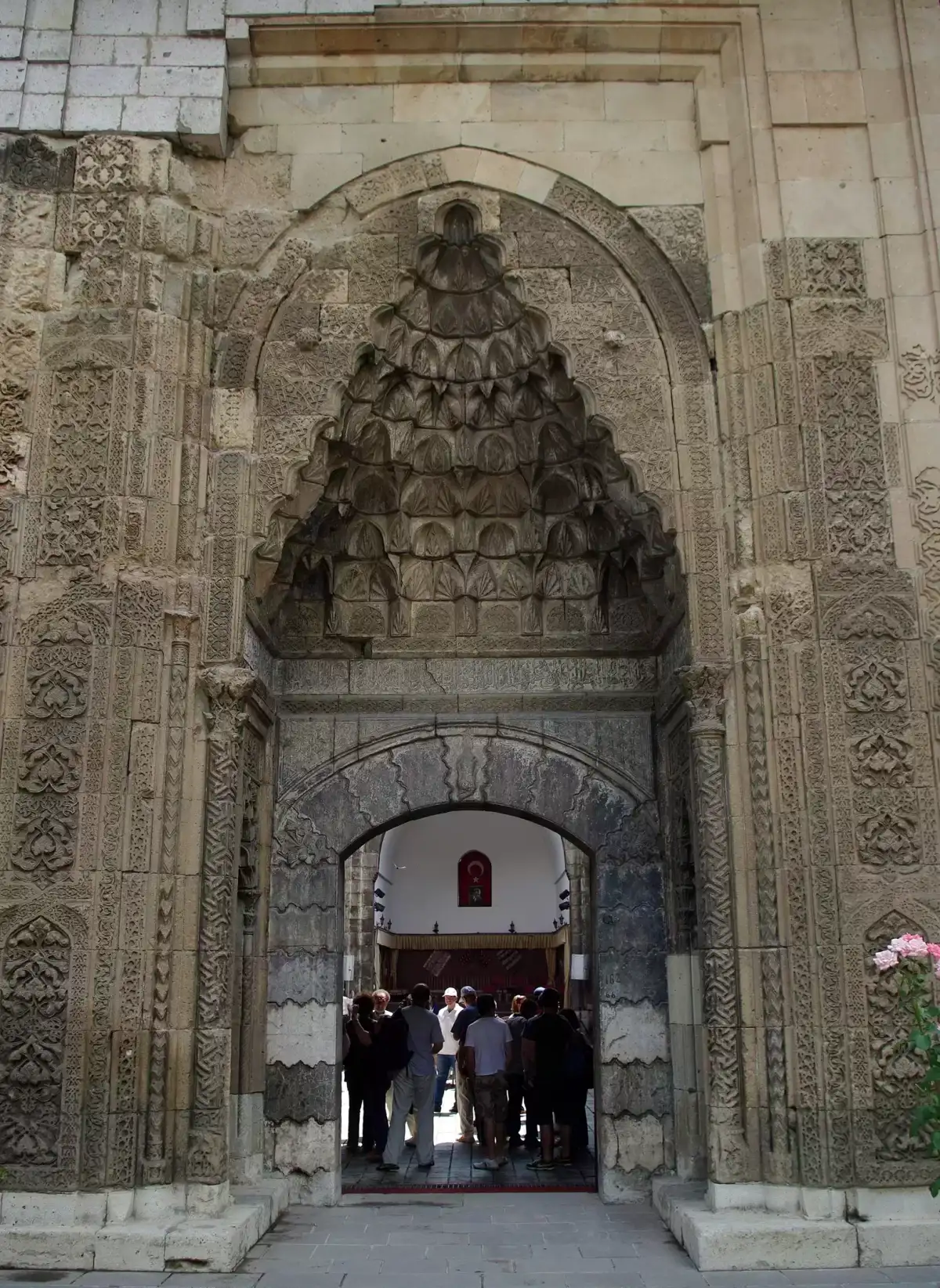
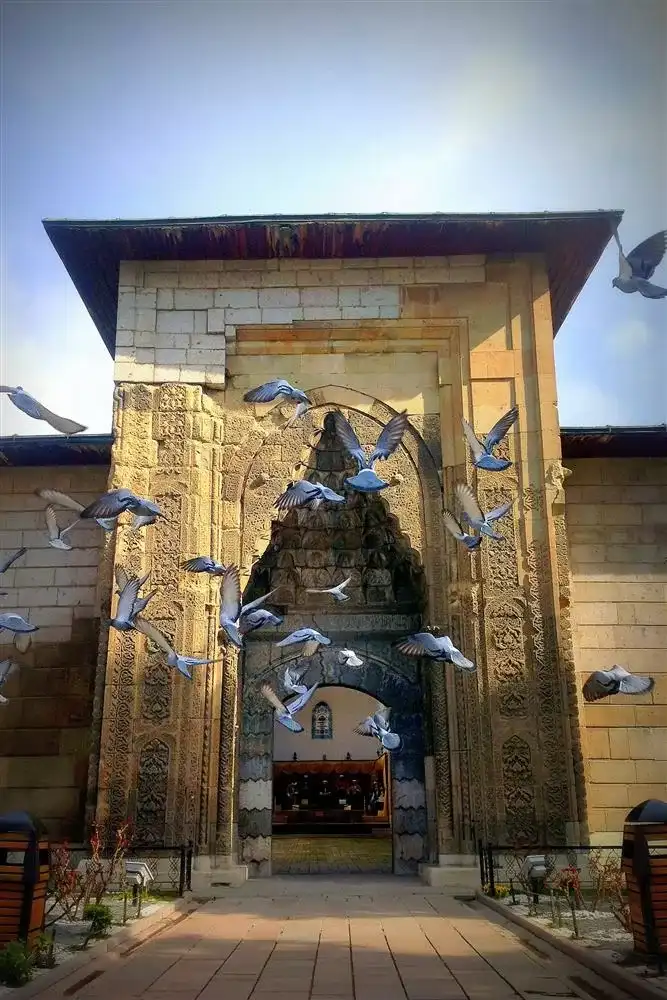
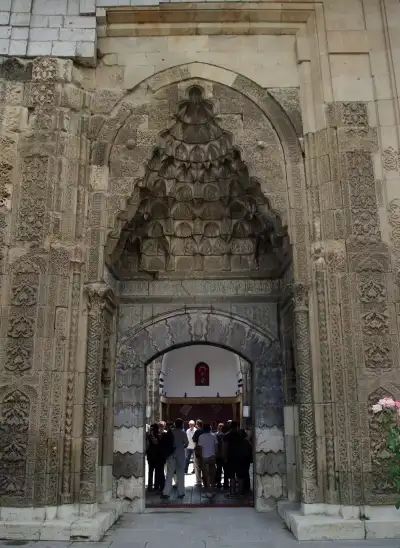
Bimarhane Madrasa provides rich architectural detail for photography. The impressive portal gate (taç kapı) is the building's most photographed feature, having largely preserved its original carved stone motifs despite 1950s restorations. Wide-angle shots taken from the center of the open courtyard capture the symmetrical arcades and vaulted stone bays in a single frame. Morning light from the east brings out the texture of the historic masonry, while interior museum exhibits offer compelling shots for documentary-style photography.
Where and What to Eat Nearby?
Amasya's culinary scene offers memorable regional flavors. Numerous traditional restaurants line the Yalıboyu neighborhood and historic market near Bimarhane. Desserts and sherbets made from famous Amasya apples are local specialties. Top local dishes to try include mantı (spiced meat dumplings), keşkek (slow-cooked wheat and meat stew), and savory Amasya-style pastry (börek). Cafes and restaurants along the Yeşilırmak River offer scenic dining right amidst the historic setting.
Itinerary Suggestion: One-Day History Tour in Amasya
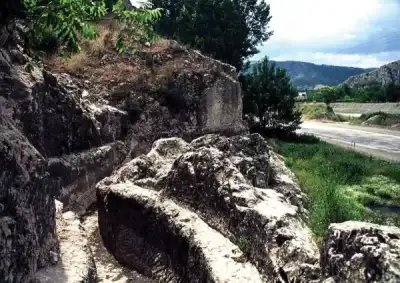
Bimarhane Madrasa makes a great starting point for a one-day historical exploration of Amasya. After visiting early in the morning, walk over to the nearby Yalıboyu Ottoman houses. Before lunch, explore the Amasya Museum to gain broader context on the region's rich historical layers. After lunch, cross to the opposite bank of the Yeşilırmak River to hike up to the ancient Rock Tombs of the Pontic Kings. End your evening taking in the illuminated Yalıboyu mansions along the riverfront—one of Amasya's most romantic views. Other nearby historic stops to include on your route are the Kapı Ağası Madrasa and Mehmet Paşa Mosque.
Things to Know Before You Go
Because the building functions as a museum, purchase your entry ticket at the gate or present a Museum Pass (MüzeKart) for free access. Opening hours may vary by season, so verifying details online in advance is advised. Courtyard and arcade floors are paved with natural stone, which can become slippery when wet—wear comfortable shoes with good grip. If planning to use a tripod for photography, check with museum administration beforehand to avoid disturbing other visitors. Access to certain restored sections may occasionally be restricted.
This content originates from neresigezilir.com and may not be copied without permission.
Bimarhane Madrasa (Darussifa) – Amasya Videos
Bimarhane Madrasa (Darussifa) – Amasya videos load when you open this section to keep the page fast.
Show videos
FAQ
Updated: