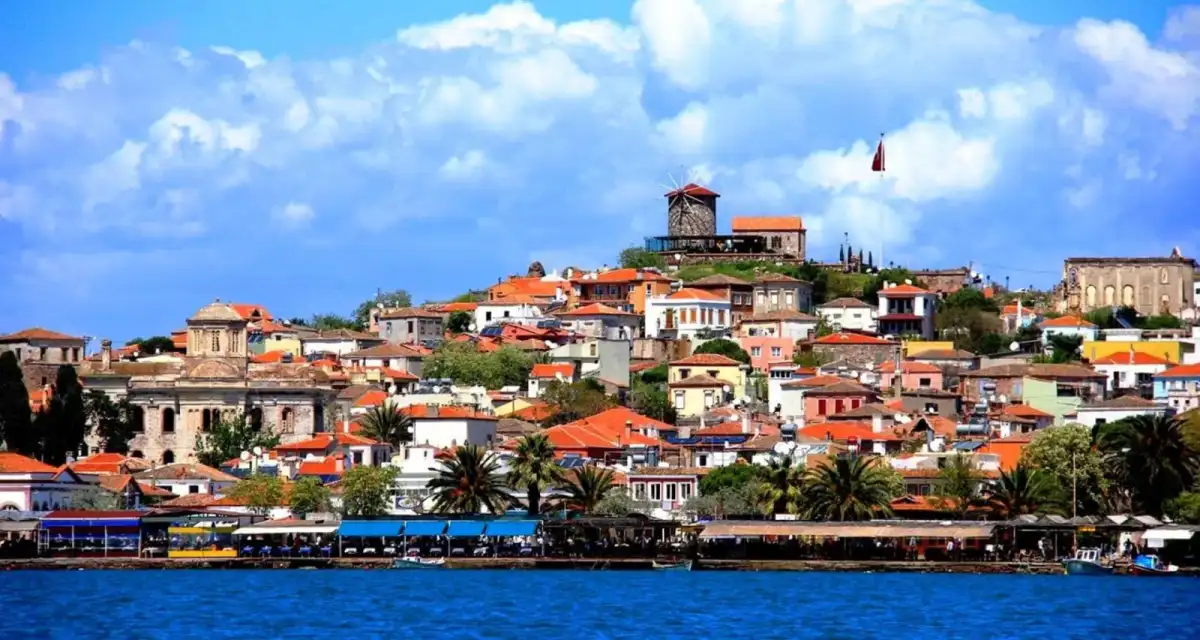


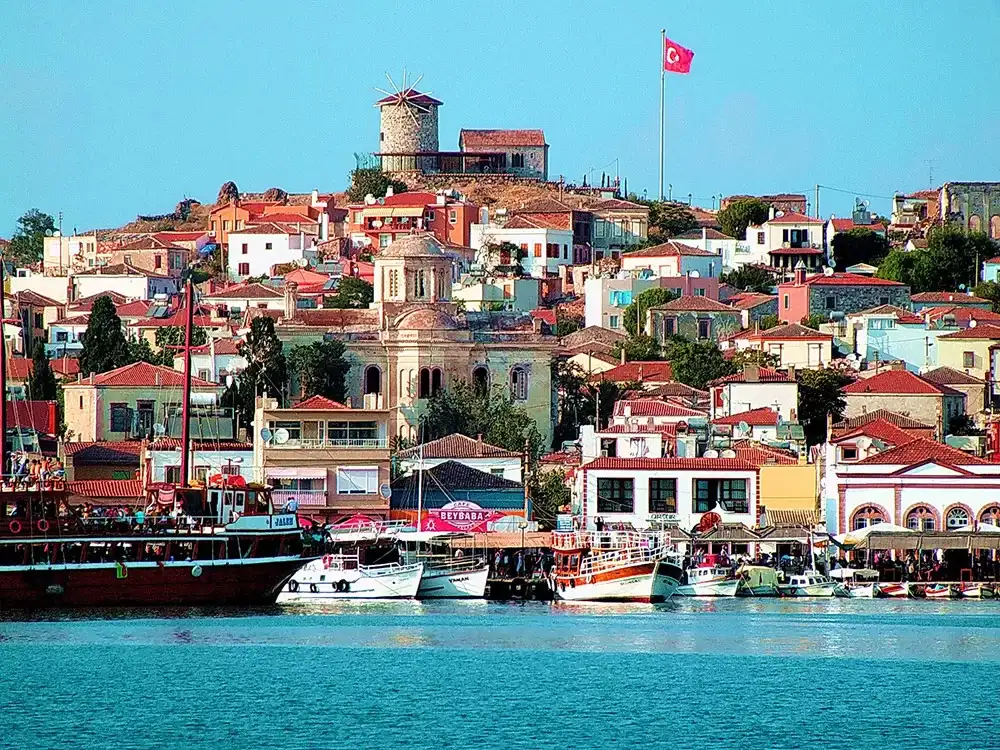

Cunda Island is a charming Aegean settlement in the Ayvalık district of Balıkesir, accessible via a causeway bridge and celebrated for its historic stone houses, Population Exchange heritage, and seafood dining.
Cunda Island holds the title of being the fourth largest island in the Aegean Sea. Connected to the district of Ayvalık, it is frequently marked as Alibey Island on maps. Thanks to a bridge connecting it to the mainland, access by vehicle is straightforward, making the island exceptionally convenient for day trips. Brightly painted wooden shutters, narrow cobblestone alleys, and olive groves shape the overall character of the island.
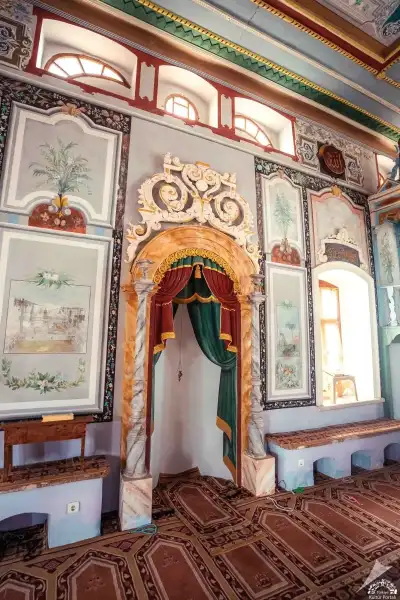
Historically, Cunda was a thriving Greek Orthodox settlement prior to the 1923 Population Exchange. This heritage left deep traces across the island. Landmarks like Taksiyarhis Church and Panaya Church still stand today as tangible testaments to this exchange era. Other notable sights worth exploring include the Maiden's Monastery (Kızlar Manastırı), the Cunda Despot House, and the Sevim & Necdet Kent Library.
Gastronomy is another defining pillar of Cunda. The island has evolved into a major culinary hub within Balıkesir. Traditional exchange-era recipes, long rows of coastal taverns (meyhanes), and waterfront seafood tables are central to daily life. Coves such as Patriçka Cove are popular choices for swimming and boat trips.
Guide's Note

Cunda Island continues to delight the vast majority of its visitors with its seaside promenades and charming café-lined streets. First-time visitors generally leave with fond memories, whereas long-time returning travelers note that the island has grown increasingly crowded and commercialized over time, losing some of its former quiet intimacy.
It is helpful to set expectations regarding the historic atmosphere; several visitors point out that the heavily touristified setup does not always feel like a pristine open-air museum. Nearby spots like Sivrice Cove offer a more untouched alternative for those seeking pure nature.
- Pricing and local businesses: Multiple visitors mention higher prices, particularly in seaside taverns, along with mandatory minimum spend rules per person at certain establishments. Confirm pricing and policies before sitting down for food or drinks.
- Crowds: The island becomes very busy during peak travel periods; for a quieter experience, aim for early mornings or late evening strolls.
- Historical expectations: Some visitors feel the historic fabric could be better preserved; travelers seeking solely untouched history might find the heavy commercialization unexpected.
Best Time to Visit
The ideal time to visit Cunda is between April–June and September–October. During these months, the weather is mild, sea temperatures are pleasant for swimming, and the island remains relatively uncrowded. In July and August, the island gets very busy with weekend visitors from Istanbul and İzmir; booking accommodation and dining options well in advance is essential. In winter, the island slows down significantly; while main taverns and cafés stay open, some seasonal businesses close down.
How to Get to Cunda
The most common way to get to Cunda Island is taking the causeway bridge from Ayvalık. You can reach Ayvalık in roughly 2.5 to 3 hours by bus or private car from İzmir. Direct bus routes also operate from Bursa and Istanbul. From the Ayvalık bus terminal, local minibuses (dolmuş) and taxis run directly to the island. During the summer, water taxis operate between the Ayvalık pier and Cunda waterfront, providing a pleasant alternative for visitors without a vehicle.
Places to Visit
The most iconic landmark on the island is Taksiyarhis Church. Built in the 19th century, this grand Greek Orthodox cathedral stood abandoned after the Population Exchange but has since been restored to host cultural events. Panaya Church is another important site carrying traces of the same era. Situated to the north, the Maiden's Monastery (Kızlar Manastırı) stands out for both its history and panoramic views. The Cunda Despot House, a classic sample of historic mansion architecture, and the Sevim & Necdet Kent Library are also well worth a visit. As you stroll through the island streets, stone houses with colorful shutters and walls covered in bougainvillea will greet you at every turn.
What and Where to Eat
Cunda stands out as one of the Aegean's premier food destinations. The waterfront taverns (meyhanes) lined along the pier are famous for cold appetizers (meze) inspired by Population Exchange recipes. Wild herbs cooked in olive oil, Aegean-style fish starters, grilled octopus, and stuffed mussels are staples of these dining tables. For fresh seafood, visit the morning fish stalls or cozy local seafood eateries. The famous Ayvalık toast is another regional specialty easily found on Cunda. For breakfast, opt for the cozy cafés nestled in the narrow backstreets.
Best Photo Spots
Cunda offers photo opportunities around every corner. The square in front of Taksiyarhis Church makes for striking shots, especially in the soft morning light. The colorful fishing boats around the harbor and pier capture the classic Aegean coastal aesthetic. Walking through the quiet back alleys reveals stone facades, climbing vines, and wooden shutters at every step. Patriçka Cove and its surrounding shoreline are ideal for scenic nature and sea photos, while watching the sunset from the harbor promenade remains one of the island's signature experiences.
Where to Stay
Accommodation options on Cunda consist mainly of boutique hotels and family-run guest houses. Boutique hotels set inside restored stone houses are perfect for travelers wishing to immerse themselves in the historic ambiance. Due to high demand in summer, it is highly recommended to book at least 1–2 weeks in advance. If accommodation on Cunda is fully booked, downtown Ayvalık offers convenient nearby alternatives, including budget-friendly guest houses.
How Many Days to Spend
A single day is enough for a quick tour of Cunda, but staying at least one night is recommended to truly soak in the island atmosphere. With two days, you can comfortably explore historic sites, relax at local coves, and sample the rich dining scene. A 2 to 3-day itinerary combining Cunda with central Ayvalık makes for a satisfying trip. If you plan to take a daily boat tour, make sure to reserve half a day specifically for it.
Suggested Itinerary
Arrive on the island in the morning and start by visiting Taksiyarhis Church, followed by a leisurely stroll through the back alleys to admire the stone architecture. Have lunch at one of the waterfront taverns near the pier. In the afternoon, head over to Patriçka Cove or other coastal spots for a refreshing swim. Return to the harbor in the evening to catch the sunset before ending your day at a seafood restaurant. On your second day, consider exploring lesser-known spots such as the Maiden's Monastery and the historic village of Yenicharohori (Küçükköy).
This content originates from neresigezilir.com and may not be copied without permission.
FAQ

Updated: