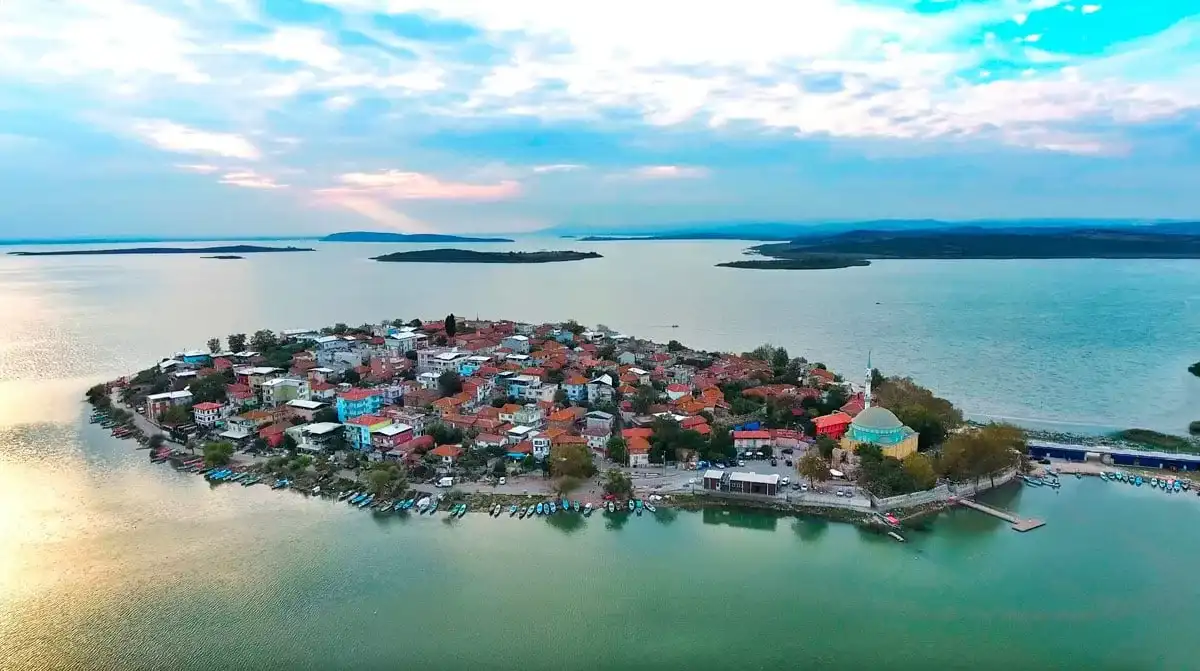

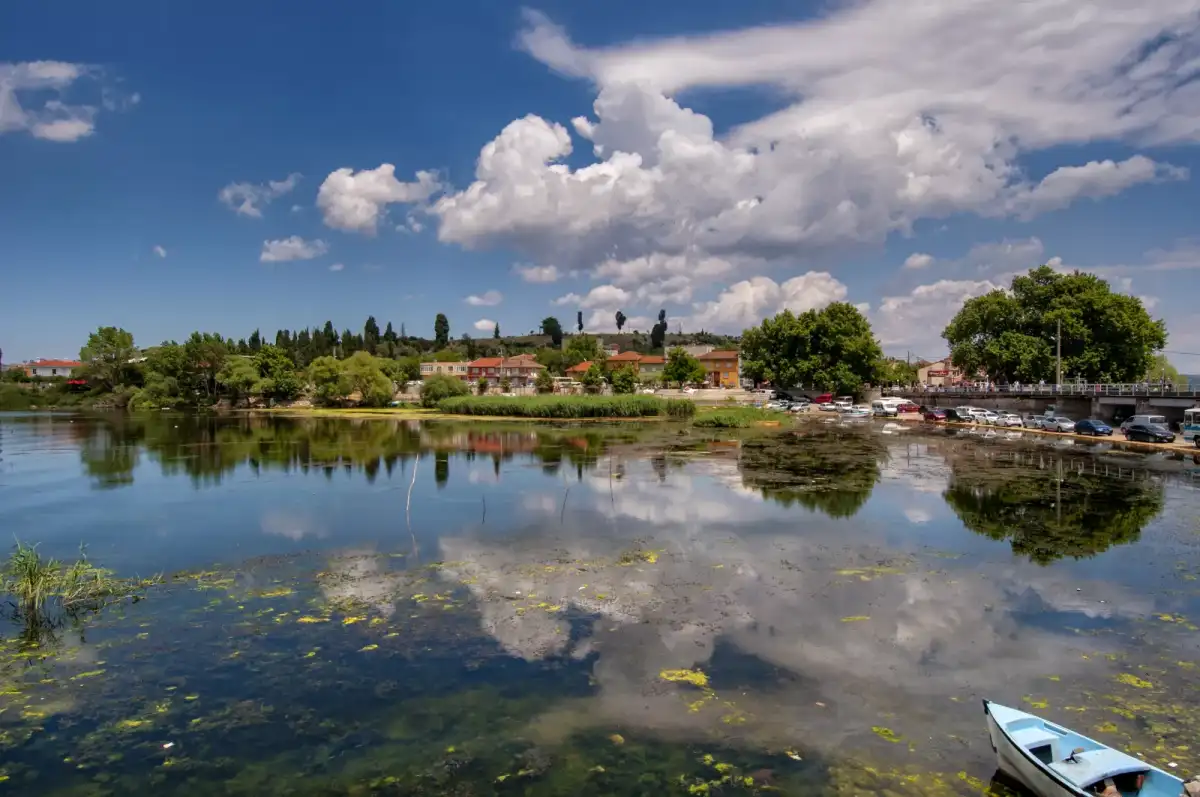

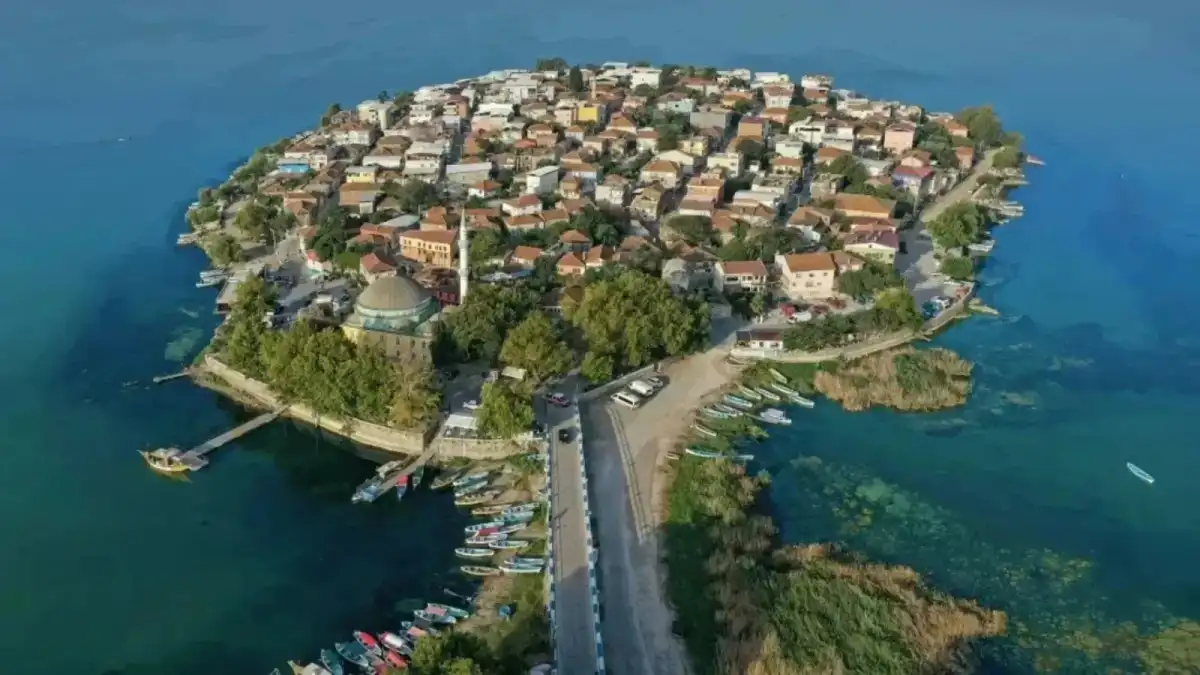
Gölyazı Village is a historic peninsula village built over ancient Apollonia ad Rhyndacum on the shores of Lake Uluabat in Nilüfer, Bursa; it is famous for its stone houses, fishing boats, and 750-year-old plane tree.
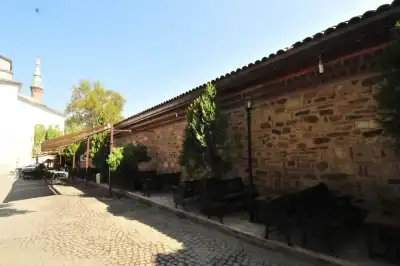
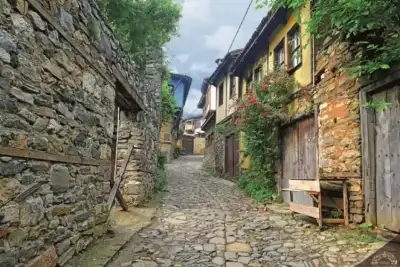
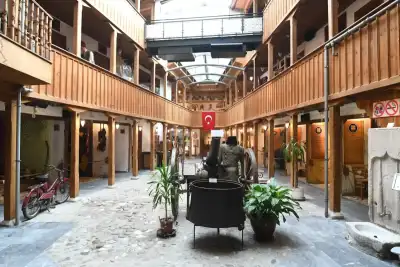
Gölyazı is actually a peninsula. Originally named Halilbey Island, it sits on a narrow strip of land extending into Lake Uluabat and is connected to the mainland by a single bridge. The village's history dates back to the 6th century BC; during the Roman era, it was known as Apollonia ad Rhyndacum. Strolling through its narrow streets, you will come across Ottoman and Greek houses built on Byzantine foundations, gardens with geraniums growing in tin cans, and fishing boats preparing to head out onto the lake.
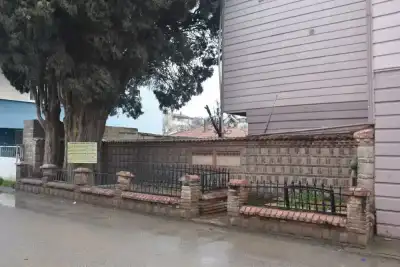
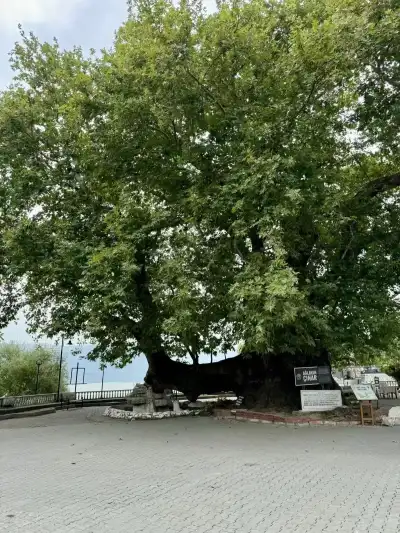
Both men and women in the village earn their living from fishing. Spotting local elders mending nets along the street is a common sight here. The 750-year-old Weeping Plane Tree (Ağlayan Çınar) has become the symbol of the village, associated with a local legend about the sap that oozes from its trunk resembling tears. Eating gözleme (flatbread) facing the lake at the square’s coffeehouse, taking a boat tour, or watching the sunset from Zambak Hill (Zambak Tepesi) are among the classic things to do. As its popularity on social media has grown, some unsightly construction has unfortunately appeared, which wouldn't be right to ignore. However, if you visit early in the morning or on weekdays, the village still lives at its own peaceful pace.
The number of sights to visit isn't large, but each is authentic: ruins of the Ancient City of Gölyazı, the Church of St. Panteleimon, Gölyazı Bridge, and Lake Uluabat itself. Spending an unhurried afternoon in the village and sitting under the shade of the plane tree is the easiest way to capture its true essence.
Best Time to Visit Gölyazı
Spring and summer are ideal to see the village at its liveliest; lakeside gardens turn green, and fishermen head out early in their boats. Since the main square can get crowded during hot summer afternoons, visiting early in the morning or on weekdays is best to experience the village's true rhythm. It can also be visited in winter when streets are quiet, though some fish restaurants may operate on limited schedules.
How to Get to Gölyazı from Bursa
The most convenient way to reach Gölyazı from central Bursa is by car. Take the Bursa-İzmir highway and turn south at the 37th kilometer; the road leads directly along Lake Uluabat to the village entrance. Directions are clear: shortly after spotting Lake Uluabat, turn left at the sign for Gölyazı.
For public transport, take the metro from central Bursa to the Uludağ University station, then catch a minibus heading towards Gölyazı from the nearby stop. Located about 40 km from Karacabey, an alternative route exists for travelers coming from that direction.
How Much Time to Spend
Gölyazı is a day-trip destination, requiring 3-5 hours to explore. A typical itinerary includes visiting the ancient ruins, bridge, and plane tree in the morning, enjoying lunch at the square's café, and taking a boat trip. If you wish to watch the sunset from Zambak Hill, add the late afternoon hours to your plan.
Village Walking Route
Start by entering over the bridge and visiting the Weeping Plane Tree, the village’s landmark. Then wander through narrow streets past Ottoman and Greek houses to the Church of St. Panteleimon and the ruins of Ancient Gölyazı. Enjoying gözleme facing the lake at the square café or dining at a lakeside fish restaurant comes naturally along the way. If time allows, taking a short boat tour on Lake Uluabat is highly recommended to admire the village from the water.
Best Spots for Photography
Zambak Hill is the top choice for capturing the lake's changing colors at sunset. The village's stone bridge and narrow streets that seem to float on water are also popular photo subjects. The trunk of the Weeping Plane Tree and the surrounding square yield images that best capture the village’s authentic character.
What to Eat in Gölyazı
Fresh lake fish is at the heart of local cuisine. Freshly cooked gözleme is served at the village square café, while small waterfront restaurants offer fresh fish dishes. As expected of a fishing village, menus are generally simple, with an emphasis on fresh, local ingredients.
Things to Know Before You Go
The village streets are narrow and cobblestoned, which can make navigation challenging with strollers or wheelchairs. Weekends, especially around noon, bring large crowds to the square and alleyways; visiting early in the morning or on weekdays ensures a much calmer experience. Note that recent modern construction has impacted the authentic atmosphere in some areas.
This content originates from neresigezilir.com and may not be copied without permission.
FAQ
Updated: