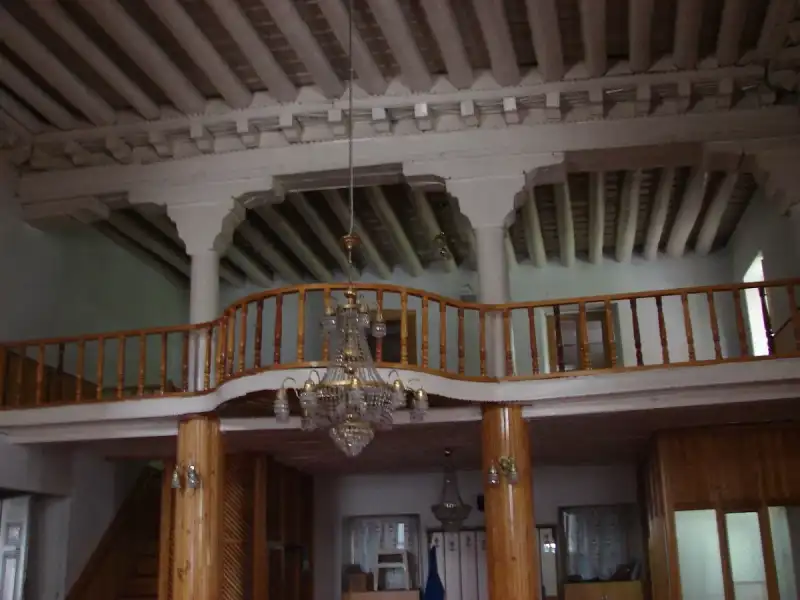
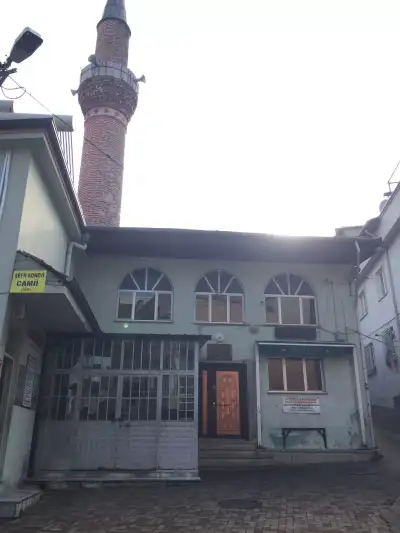
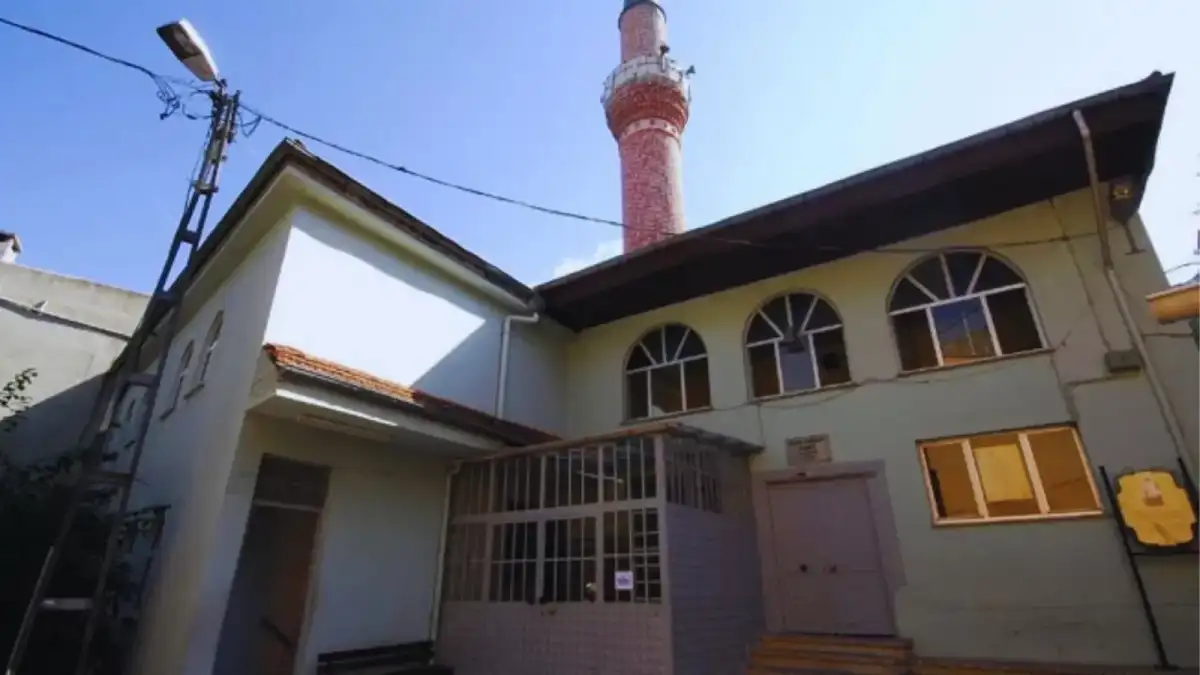
Şeyh Konevi Mosque is a neighborhood mosque in Bursa's Kuzgunluk district, built in 1537 by Konyalı Hacı Sinan. Located on a quiet street near Pınarbaşı Cemetery, it can be visited free of charge.
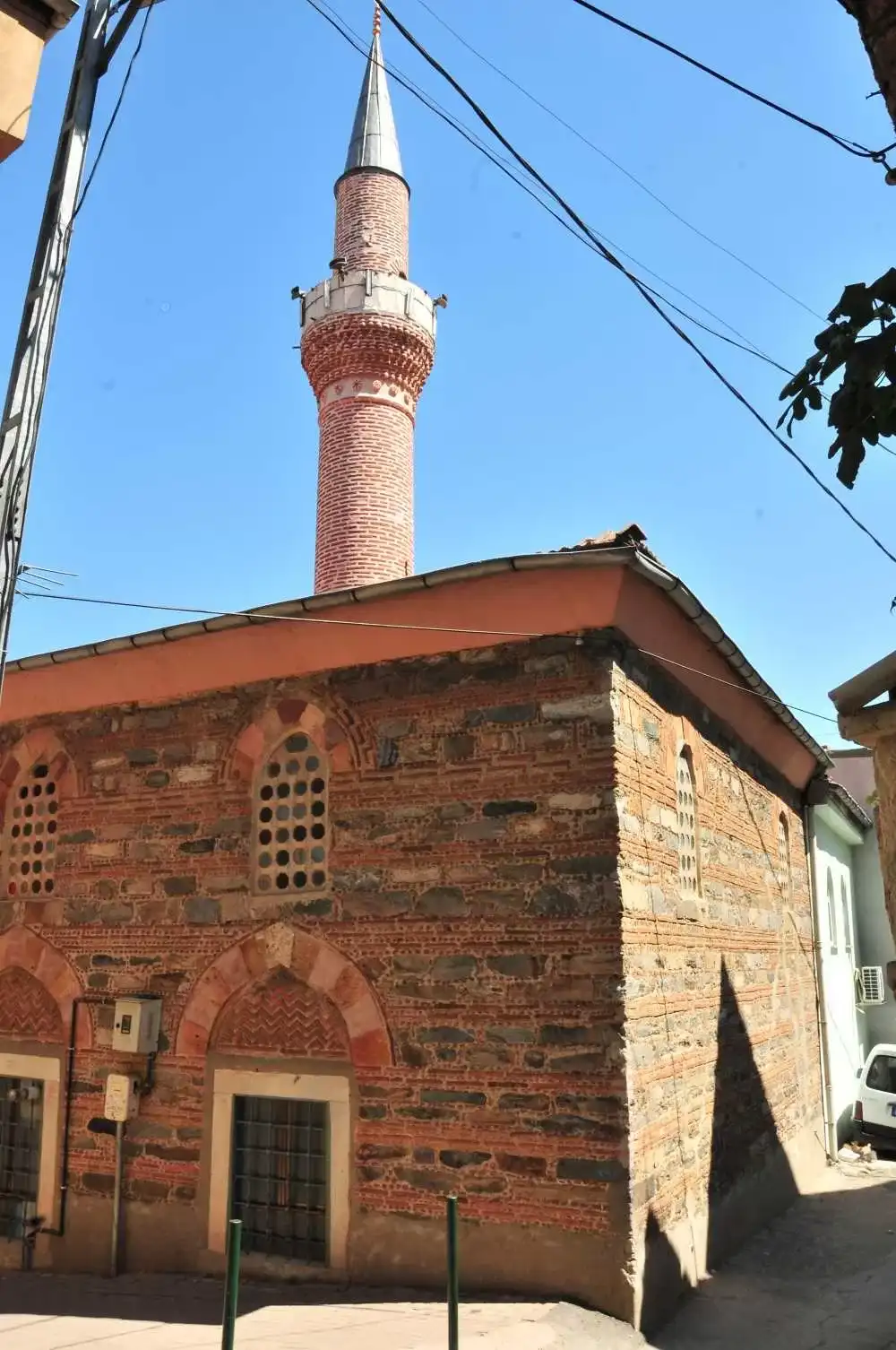
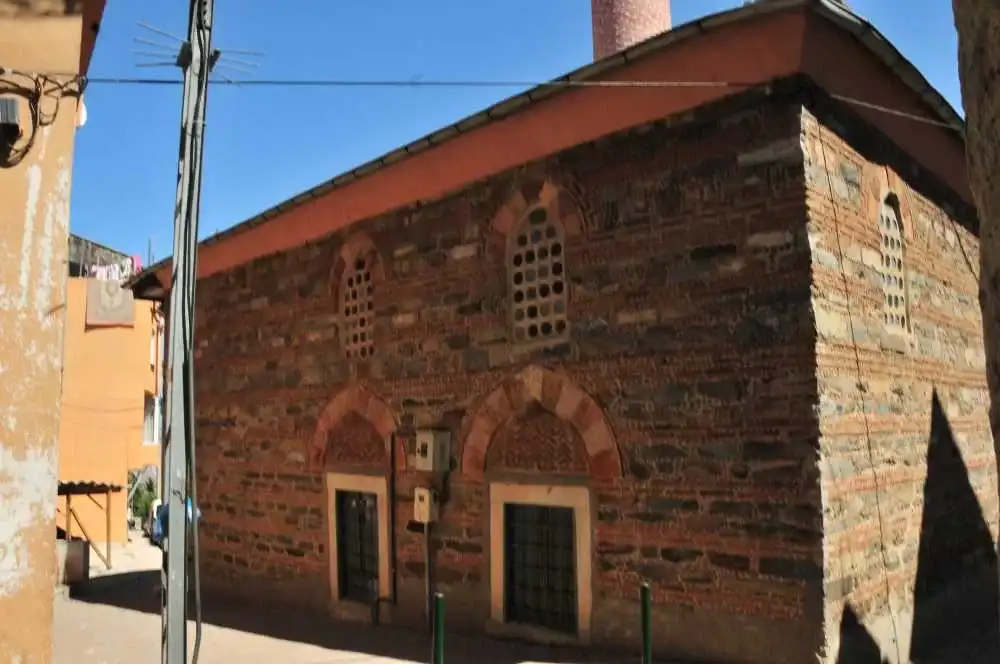
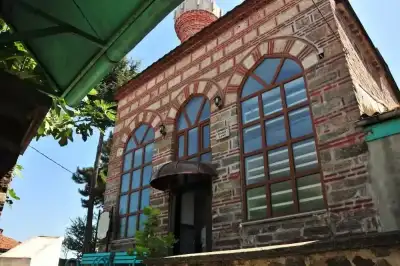
Şeyh Konevi Mosque stands on Tezveren Street in the Kuzgunluk neighborhood of Bursa's Osmangazi district. Dated to 1537, the structure was built by Konyalı Hacı Sinan, and over time the mosque came to be known as "Konevi" after its founder's hometown. Designed with a modest, local architectural approach, this mosque is one of Bursa's smaller religious structures that has retained its historical value despite standing in the shadow of the city's grander Ottoman monuments.
Tucked into a quiet street in the upper part of Pınarbaşı Cemetery, this building is a rare example preserving the city's 16th-century urban fabric. It is an intriguing stop for visitors wishing to experience historical Bursa in depth beyond the well-trodden tourist routes.
Guide's Note
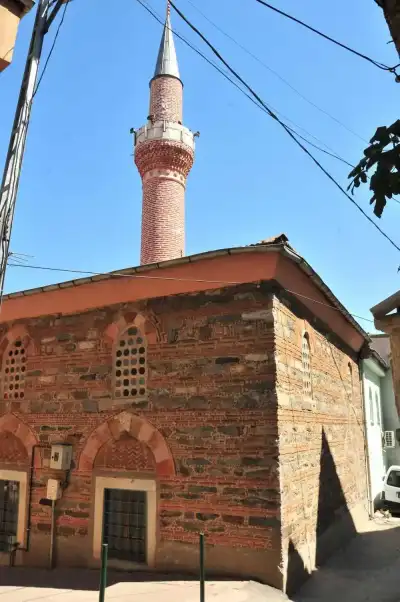
Şeyh Konevi Mosque is an early Ottoman structure dating to 1537, notable for its location near the foothills of Mount Uludağ in Bursa. This date is clearly visible on the inscription above its door. Visitors note that despite its small scale, they are impressed by its historical and spiritual ambiance. Learning that its name comes from its founder, Konyalı Hacı Sinan, also makes the visit more meaningful.
Since the tomb of Tezveren Hazretleri is located nearby, it is possible to visit both sites together. Visitors emphasize that the mosque functions both as a historical heritage site and an active place of worship.
- Use of the historical section: Some visitors point out that the original historic prayer hall is not actively used for worship, with services taking place in a later extension, leaving the authentic space somewhat underutilized.
- Small scale: The structure is quite small; keeping this in mind before your visit will help set appropriate expectations.
About Şeyh Konevi Mosque
Şeyh Konevi Mosque is a site rarely included in typical tourist itineraries, yet it holds important clues about Bursa's 16th-century urban history. Built in 1537 by Konyalı Hacı Sinan, the mosque derives its name from its founder's origins in Konya, with the moniker Konevi reflecting this geographic tie.
Compared to Bursa's grand complex complexes (külliyes), the building was designed on a much more modest scale. Serving as a tangible example of the neighborhood mosque tradition, Şeyh Konevi Mosque has survived to the present day in the quiet streets of Kuzgunluk, above Pınarbaşı Cemetery. For travelers interested in exploring the city beyond its iconic monumental structures, places like this are truly valuable for understanding Bursa's layered history.
When to Visit?
Considering Bursa's general climate conditions, the best times to visit Şeyh Konevi Mosque are between April–June and September–November. During these months, temperatures are neither scorching nor freezing, making a stroll through the narrow streets of Kuzgunluk pleasant.
Since the mosque is an active place of worship, it can be crowded during prayer times. Visiting during the quiet hours after morning prayer or around midday allows you to examine the building comfortably without disturbing local residents. In summer, early morning hours are preferred to avoid Bursa's heat and humidity.
How to Get There?
Pınarbaşı Cemetery serves as a good reference point to reach this area; the mosque is located on the upper side of the cemetery.
You can take Bursa Metropolitan Municipality buses to the Pınarbaşı bus stop and walk to the mosque from there. For those arriving by car, finding parking in the narrow streets of Kuzgunluk can be difficult; it is more practical to park a short distance away and walk. You can get direct directions by typing "Şeyh Konevi Camii, Bursa" into navigation apps.
Photography Spots
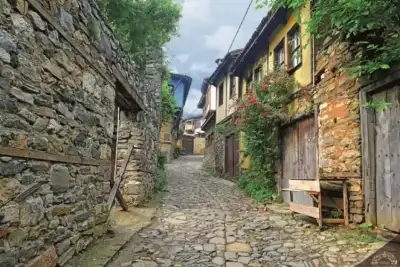
Şeyh Konevi Mosque is not a grand or imposing building, but when combined with the historic streetscape of Kuzgunluk, it offers lovely photos. Exterior shots benefit from the narrow, deep-rooted charm of Tezveren Street as a natural backdrop.
Soft morning light brings out the stone texture and simple architecture of the building best. Viewed from the upper sections of Pınarbaşı Cemetery, the mosque's integration with its surroundings also creates an interesting composition. When taking photos, it is important to respect worshipers; it is proper etiquette to ask for permission before aiming a camera inside.
Where to Eat Nearby?
The Kuzgunluk neighborhood where Şeyh Konevi Mosque is situated is not a hub for major restaurants. Since Bursa has a rich culinary scene, it makes sense to combine your visit with other historic sites and take a food break in a more central location.
Around Pınarbaşı, there are small local neighborhood eateries and tea houses. For Bursa's famous İskender kebab, various meatball specialties, and candied chestnuts, heading to the city center or around the Grand Bazaar (Kapalı Çarşı) offers much better options.
Suggested Itinerary
Rather than visiting Şeyh Konevi Mosque in isolation, incorporating it into a broader itinerary of Bursa's historic sites provides a much richer experience. You can start your day in the Pınarbaşı area with a visit to Şeyh Konevi Mosque. From there, wander through the historic neighborhood of Osmangazi to visit the Grand Mosque (Ulu Cami), the Grand Bazaar, and the Bedesten.
In the afternoon, you can complete your route with the Green Mosque (Yeşil Cami) and Green Tomb (Yeşil Türbe), followed by the Emir Sultan Mosque. This itinerary allows you to trace the chronological evolution of Bursa's Ottoman-era religious architecture. While you can visit all these spots in a single day, dedicating two days ensures a more relaxed pace.
Things to Know Before You Visit
Şeyh Konevi Mosque is an active place of worship. During your visit, it is essential to be mindful of prayer times and avoid disturbing those praying. Shoes must be removed before entering, so wearing shoes that are easy to slip on and off will make your visit smoother.
Female visitors are expected to cover their heads. As the street leading to the mosque is narrow and inclined, wearing comfortable walking shoes is recommended. Due to the small size of the structure, visiting in large groups is not ideal; visiting individually or in small groups makes for a more respectful and enjoyable experience.
This content originates from neresigezilir.com and may not be copied without permission.
Sheikh Konevi Mosque Videos
Sheikh Konevi Mosque videos load when you open this section to keep the page fast.
Show videos
FAQ
Updated: