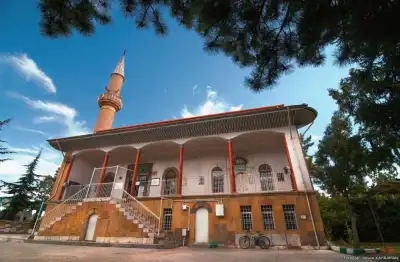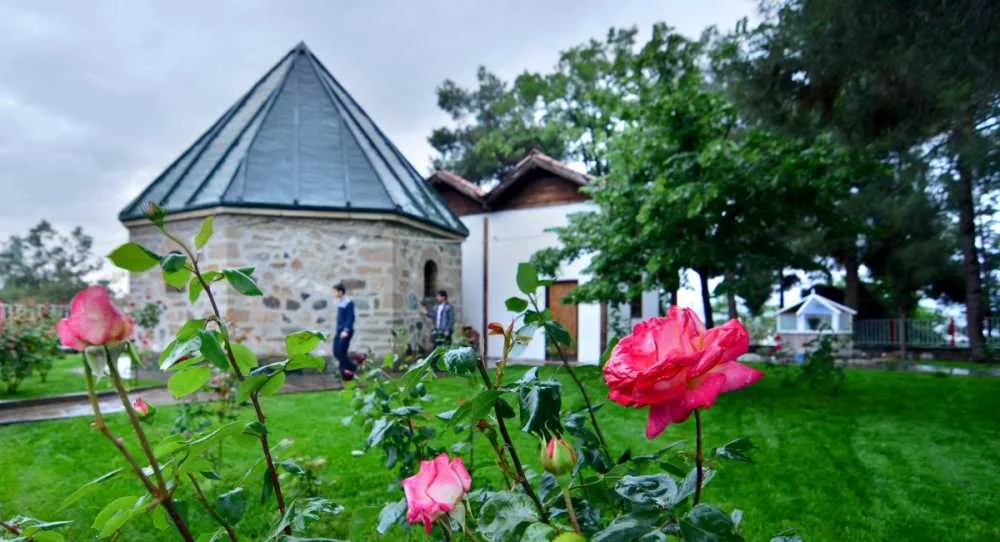
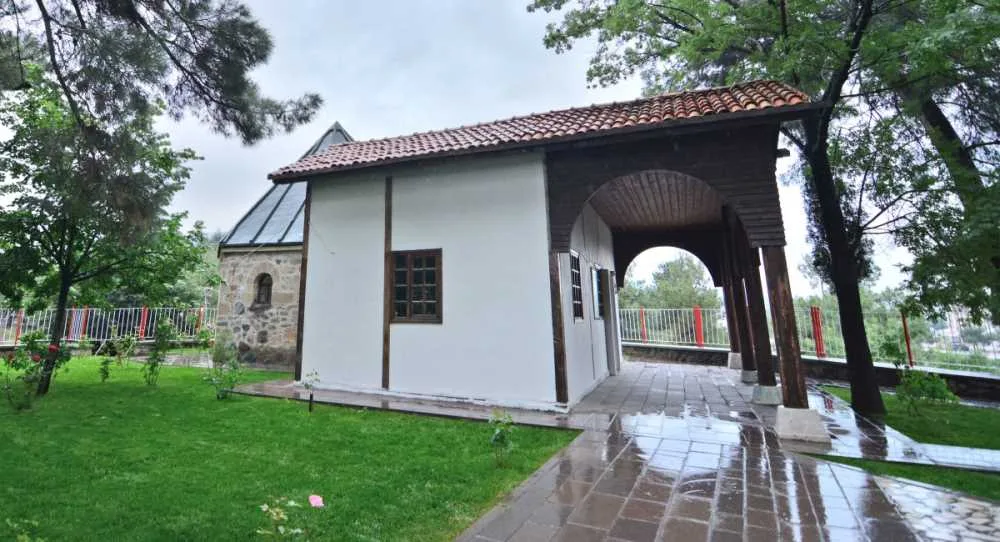
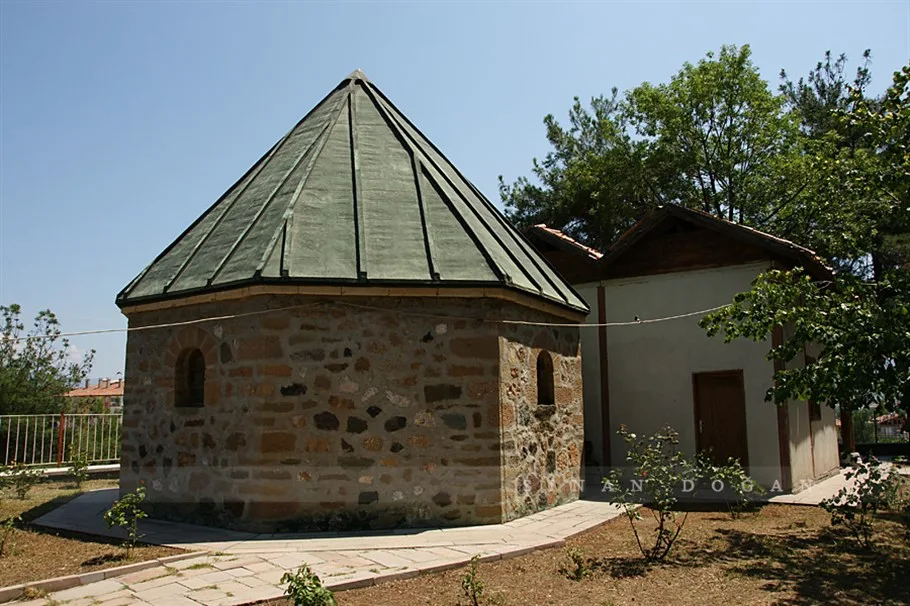
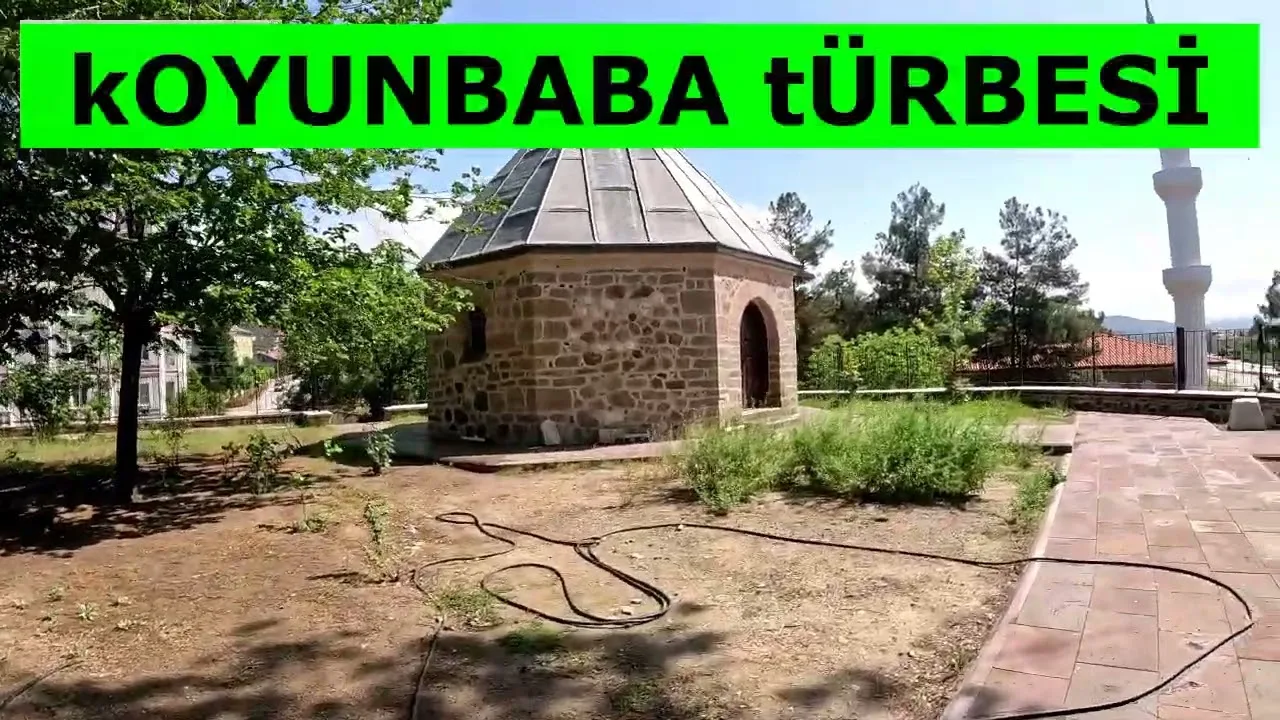
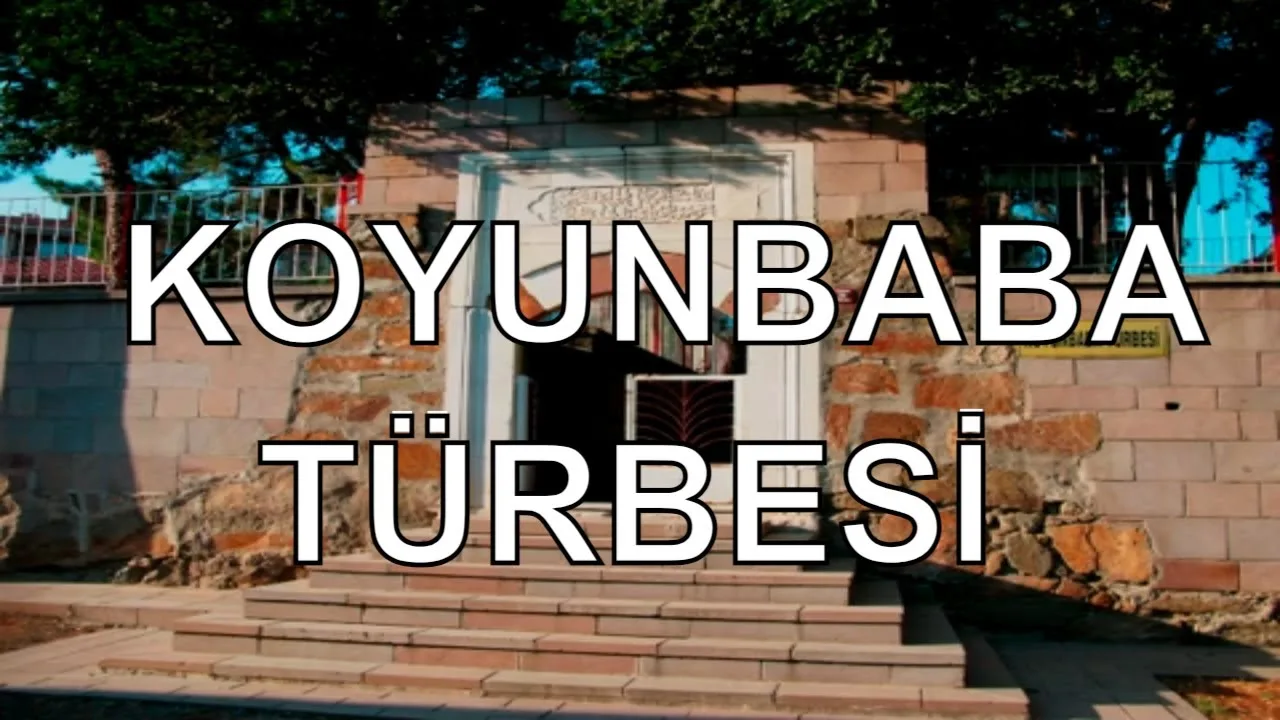
Koyunbaba Tomb is an octagonal structure built in 1469 on a hill along the D100 highway in Osmancık; restored in 1989, it features nearby parking and a mosque.
Koyunbaba Tomb is situated atop a hill in the town center of Osmancık. Built in 1469 during the reign of Sultan Bayezid II, the main structure features an octagonal plan with a two-bay vaulted portico entrance. The structure seen today retains this form.
According to the famous travel writer Evliya Çelebi, the complex once housed a mosque, a dining hall, a banquet room, and guesthouses. Today, only their foundations remain, leaving the tomb as the sole standing structure. Its double-leaf wooden door, intricately carved using a deep relief technique, is no longer on site and is displayed at the Çorum Museum. The General Directorate of Foundations restored the tomb in 1989, and a new restoration tender was issued in 2023.
Its location right off the D100 highway makes the tomb easily accessible, with visitors noting the convenience of pulling over for a quick stop. Osmancık Municipality has added amenities around the site, including parking, a mosque, an ablution fountain, and restrooms. Visitors frequently mention the serene, spiritual atmosphere of the site, noting it as a soothing stop during stressful times.
Best Time to Visit
Since the tomb is an open-air structure located on a hill, wind and cold weather are more noticeable during the winter months. Spring and summer offer easier road conditions and a livelier garden area around the complex. Being right by the highway, there are no specific peak hours, making it ideal for a quick stop at any time of day.
How to Get to Osmancık and the Tomb
Minibuses and buses depart hourly from Çorum Bus Terminal to Osmancık. If driving, you will easily spot the tomb atop the hill while traveling along the D100 highway. The adjacent parking lot makes parking convenient. For those visiting central Osmancık, the tomb is located very close to the town center.
How Much Time to Allocate
As the tomb itself is a small building, visiting does not take long. About 20 to 30 minutes is enough to explore the tomb, stroll through the garden, and take photos. If you plan to visit other historic sites in Osmancık—such as the Koyunbaba Bridge, Osmancık Castle, and Akşemsettin Mosque—allocating half a day is recommended.
Nearby Attractions
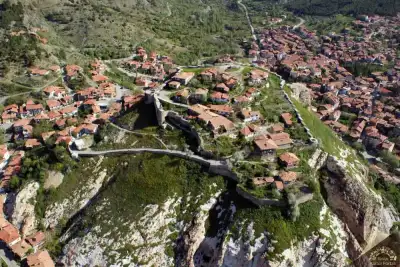
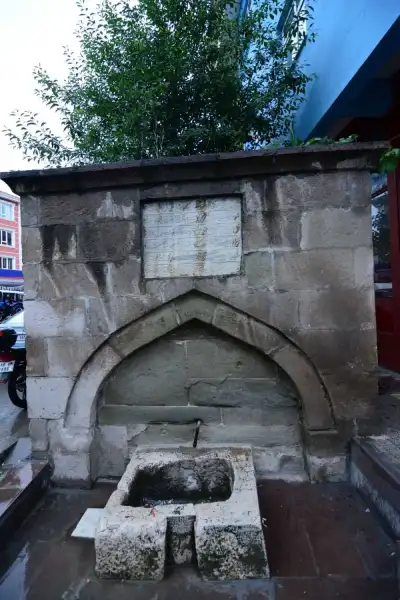
There are several attractions to visit alongside the tomb in Osmancık: Koyunbaba Bridge and its inscription, Osmancık Castle, Akşemsettin Mosque, and Baltacı Mehmet Paşa Fountain. Since all of these are close to the town center, they can comfortably be visited in a single day.
Things to Know Before You Go
The original wooden double door is no longer on site; visitors wishing to see it should visit the Çorum Museum. Because only foundation traces remain of the historical mosque, dining hall, and guesthouses, do not expect a large surviving complex during your visit. Additionally, restoration work initiated in 2023 may occasionally restrict access to certain areas.
Best Photo Spots
The elevated position of the tomb makes it easy to capture the structure within its surrounding landscape from the D100 highway. Its octagonal design and vaulted portico entrance are prominent architectural features to photograph from various angles.
Brief History of the Tomb
Koyunbaba was a holy saint believed to have lived in the 1400s. His tomb was constructed in 1469 during the reign of Sultan Bayezid II. In his travelogues, Evliya Çelebi noted the existence of a larger complex (külliye) here, though the tomb is the only structure still standing today. The General Directorate of Foundations restored the tomb in 1989, and a new restoration project was tendered in 2023.
This content originates from neresigezilir.com and may not be copied without permission.
FAQ
Updated: