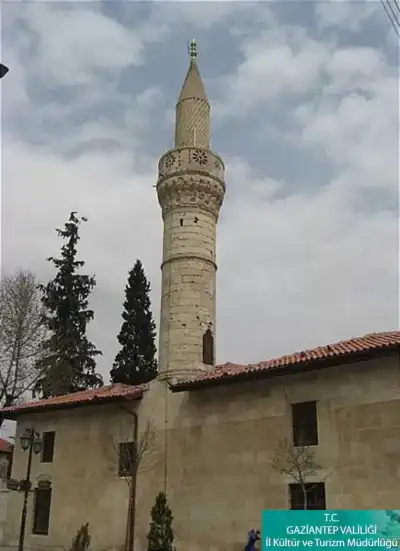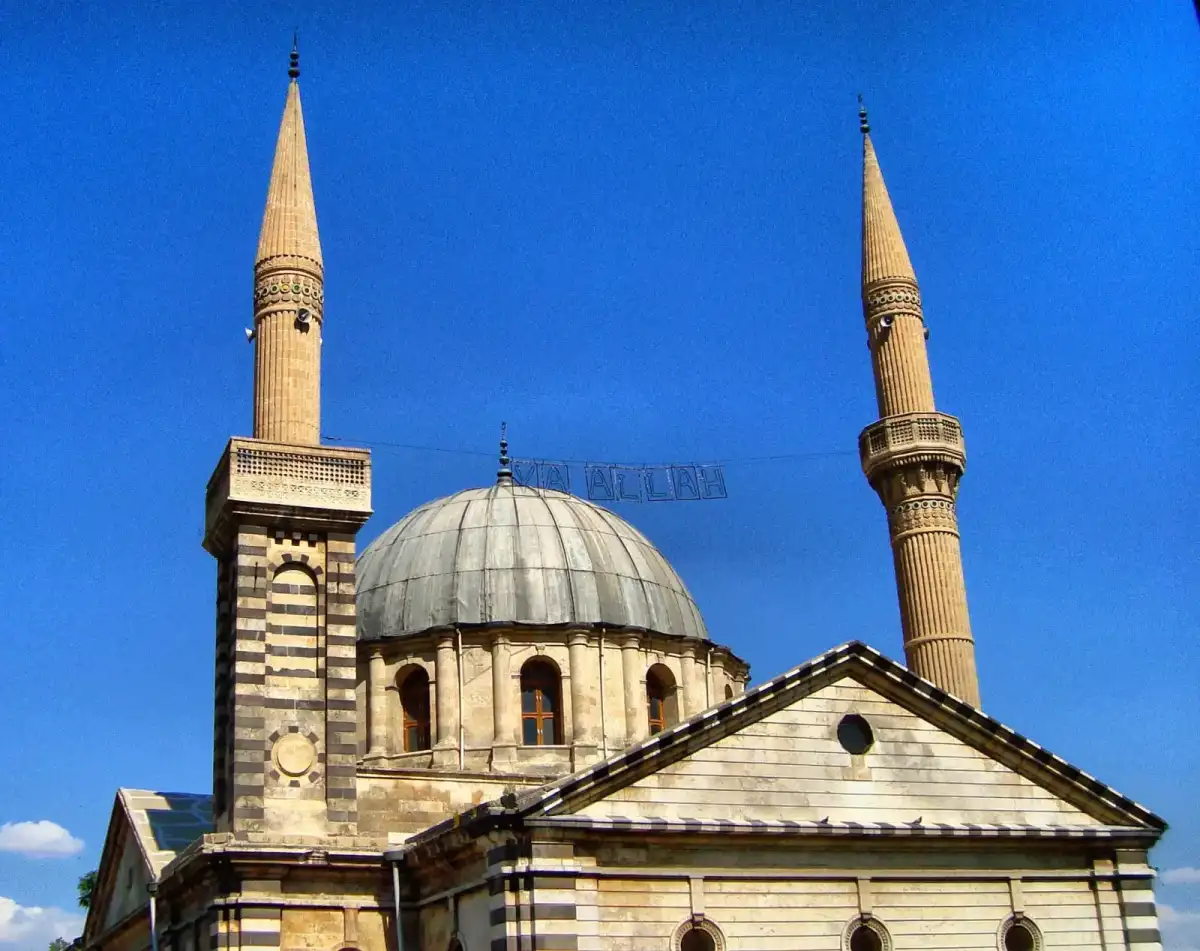
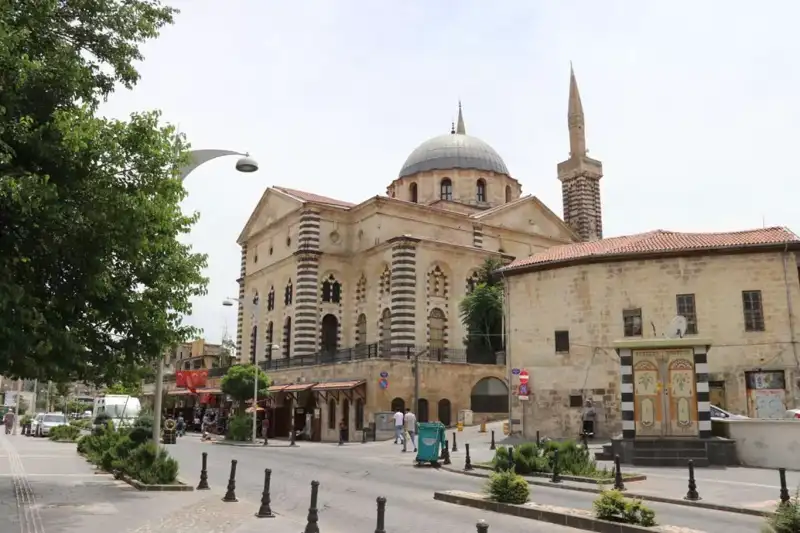
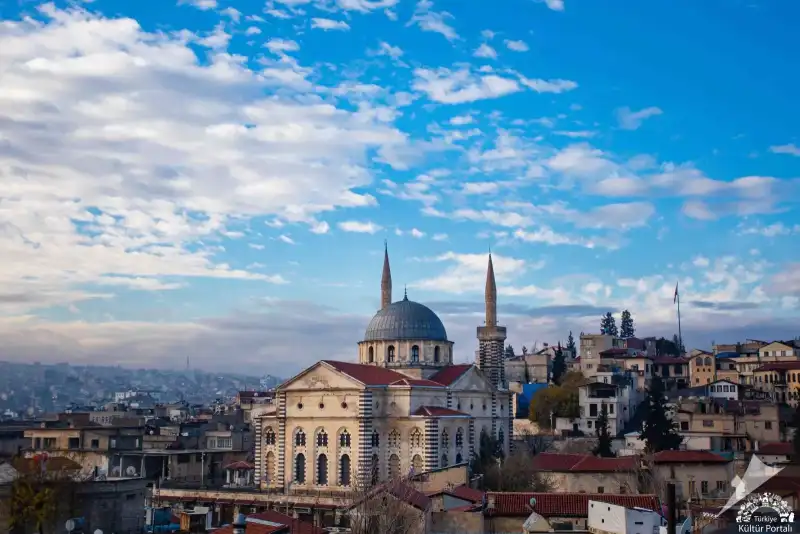
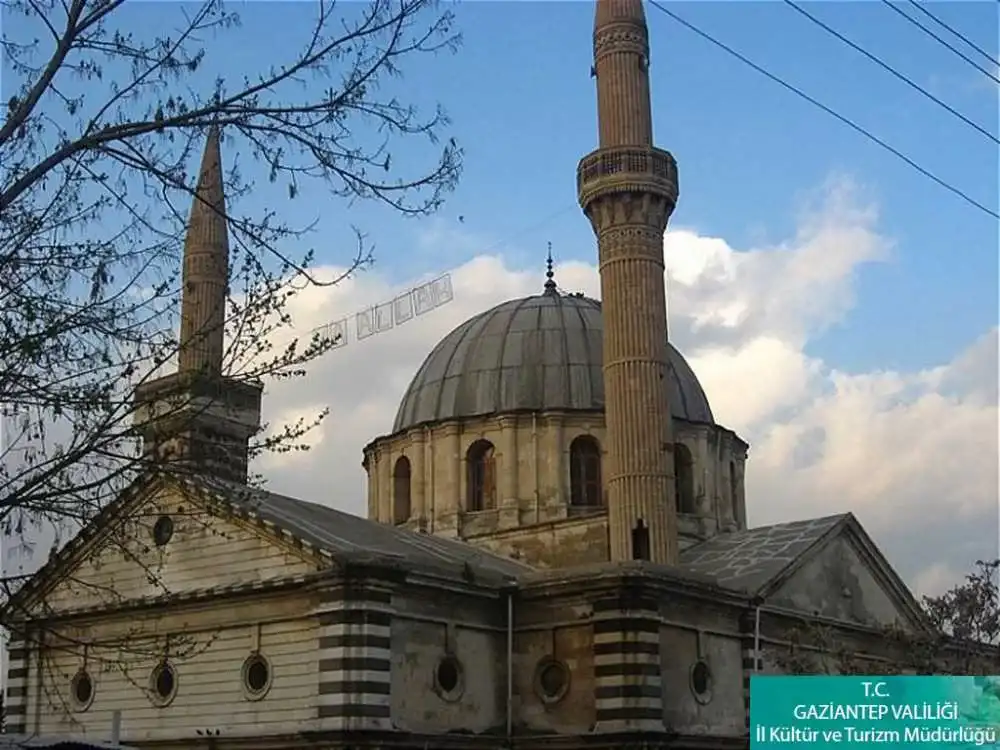
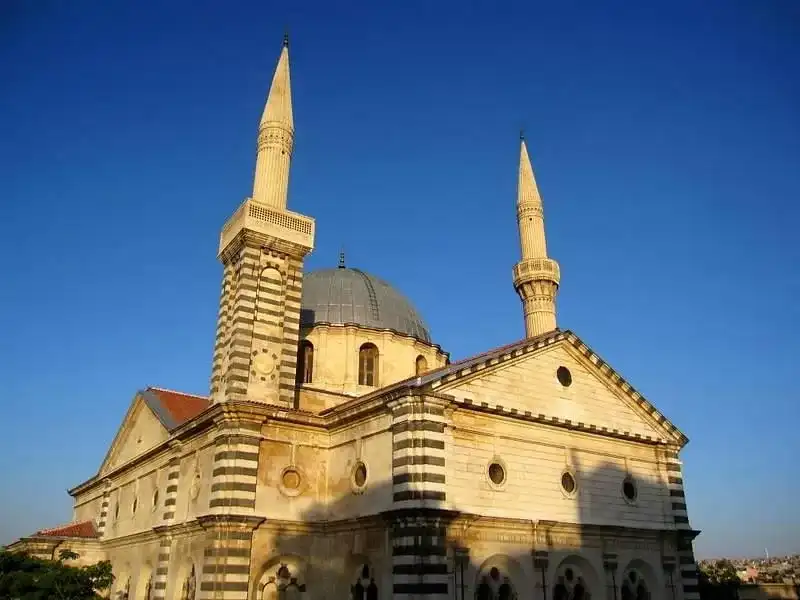
Located in Gaziantep's Şahinbey district, Kurtuluş Mosque was originally constructed as the Church of Holy Mary (1873–1892), later served as a prison, and was converted into a mosque in 1984. It stands as one of the city's largest places of worship while retaining its original church architecture.
Kurtuluş Mosque is one of the structures steeped in the historic fabric of Gaziantep, originally built as a church for the Armenian community in the final quarter of the 19th century. Completed between 1873 and 1892 as the Church of Holy Mary (St. Mary), the structure was used as a prison following the Turkish War of Independence before being restored and converted into a mosque in 1984. These historical layers elevate the building far beyond a standard place of worship.
The architectural language of the building distinctly differs from traditional Ottoman mosque design. Its church-origin stonework, high vaults, and original window arrangement remain clearly visible today. Located in the Tepebaşı Neighborhood of the Şahinbey district, close to the city center, the mosque is a worthwhile stop for both worshippers and heritage enthusiasts.
Guide's Note
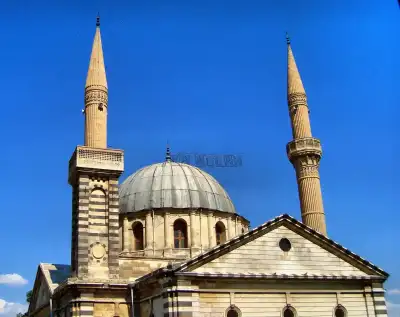
Kurtuluş Mosque is a remarkable stop for those wishing to experience Gaziantep's historical heritage up close. Originally built as a church in 1892, later used as a prison, and converted into a mosque in the 1980s, the structure stands out sharply from surrounding buildings with its cut-stone walls showing Gothic architectural influences, high dome, and cross vaults. Visitors frequently note that the stone interior remains pleasantly cool even in hot weather.
Damaged during the 2023 earthquake in its minaret and dome, the mosque has reopened for worship following restoration work. Staff members reportedly offer insights into the building's history, which many visitors find enriching. Thanks to its central location, reaching the mosque is convenient, though finding parking nearby can be challenging.
Recurring drawbacks mentioned in visitor reviews include:
- Access hours: Multiple visitors report finding the mosque closed half an hour or less before prayer times, being unable to access even the courtyard.
- Restrooms and cleanliness: Several reviews highlight that the restrooms are in poor condition and dirty; female visitors report needing to request keys from security to access women's restrooms.
- General upkeep: Comments note that the ablution fountain (şadırvan) appears neglected and long-stored items in the mosque have not been cleared out.
- Lack of signage: Visitors mention a lack of on-site information materials regarding the structure's rich history, forcing them to rely on online sources.
When to Visit?
The most convenient time to visit Kurtuluş Mosque is between the morning (Fajr) and noon (Dhuhr) prayers. As worshipper density is low during this window, you can examine the building in a quieter environment. On Fridays at noon, the mosque becomes crowded and the interior is closed to visitors, so plan accordingly.
Summer temperatures in Gaziantep can exceed 40°C (104°F). Although stone structures remain cool inside, visiting during April–June and September–October offers a much more comfortable experience for exploring the city. Winter brings fewer tourists, and afternoon light conditions are especially great for photography.
How to Get There?
The mosque is located in Tepebaşı Neighborhood of Gaziantep's Şahinbey district, within walking distance of the city center. Gaziantep Metropolitan Municipality local bus lines pass through central Şahinbey, from where it is a short walk.
If taking a taxi or driving, use the address Cami Sk. No:10, Tepebaşı Mahallesi, Şahinbey. Due to narrow streets, finding parking for large vehicles can be difficult; parking on a nearby main avenue and walking is often more practical.
Photography Spots
The most striking photo angle for Kurtuluş Mosque is captured from the opposite sidewalk, allowing you to frame the entire facade. The former church's original stonework and pointed arch windows offer a unique composition different from typical Ottoman mosque architecture.
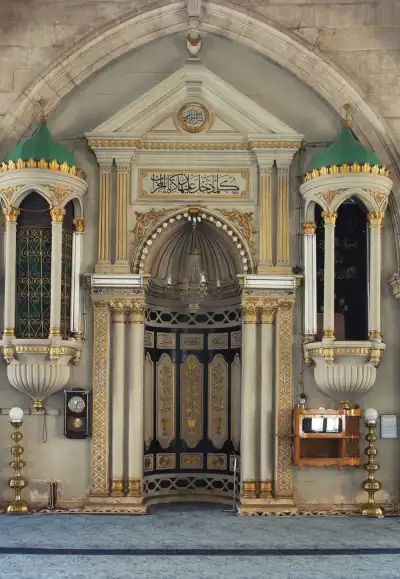
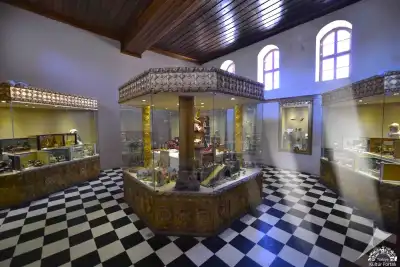
Inside, high vaults and incoming natural light create impressive views. Outside of prayer times, photography inside is permitted; respecting worshippers and refraining from flash usage are key rules. Late afternoon offers advantageous conditions for golden hour light.
What to Eat Nearby?
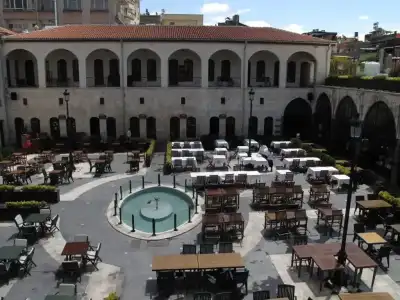
Kurtuluş Mosque is located close to Gaziantep's historic bazaar area. Surrounding the mosque and along central Şahinbey, you'll find long-established local eateries and pastry shops serving pistachio baklava, katmer, and beyran soup.
For a deeper dive into Gaziantep's culinary scene, restaurants around the nearby Historic Covered Bazaar and Tahmis Street make an excellent starting point. If visiting in the morning, fresh flatbread or katmer from local bakeries is a delicious option.
How Much Time to Allocate?
Kurtuluş Mosque deserves about 30 to 45 minutes on its own. This allows ample time to explore the exterior and interior, admire architectural details, and take photos.
The visit becomes even more meaningful when integrated into a larger tour of historic Gaziantep. Combined with nearby Gaziantep Castle, Zeugma Mosaic Museum, and the historic bazaar, it easily fills a full day itinerary. If spending two days in Gaziantep, you can also add the city's rich gastronomy and museum circuit to your route.
Things to Know Before You Go
The mosque is an active place of worship; entering or taking photos during prayer times is not permitted. Timing your visit outside of prayer hours ensures a smoother experience and shows respect to worshippers.
Shoes must be removed at the entrance, so wear easily removable footwear. Women are required to cover their heads; since headscarves may not always be available at the entrance, bringing your own scarf is recommended. Due to narrow surrounding streets, carrying large backpacks may also be cumbersome.
Historical and Architectural Significance
Kurtuluş Mosque is one of the tangible traces of the Armenian heritage in Gaziantep. Built between 1873 and 1892 as the Church of Holy Mary (Valide Meryem), the structure features pointed arches, high vaults, and solid stone masonry reflecting the craftsmanship of master stonemasons of the era. The building retained much of its original character during its adaptation from church to Islamic place of worship.
After the Turkish War of Independence, the building served temporarily as a prison before undergoing extensive restoration in 1984 to become a mosque. Today recognized among the city's largest mosques, it represents a significant chapter in Gaziantep's history by embodying the layered heritage of different faiths and cultures in a single space.
This content originates from neresigezilir.com and may not be copied without permission.
Kurtuluş Mosque Videos
Kurtuluş Mosque videos load when you open this section to keep the page fast.
Show videos
FAQ
Updated: