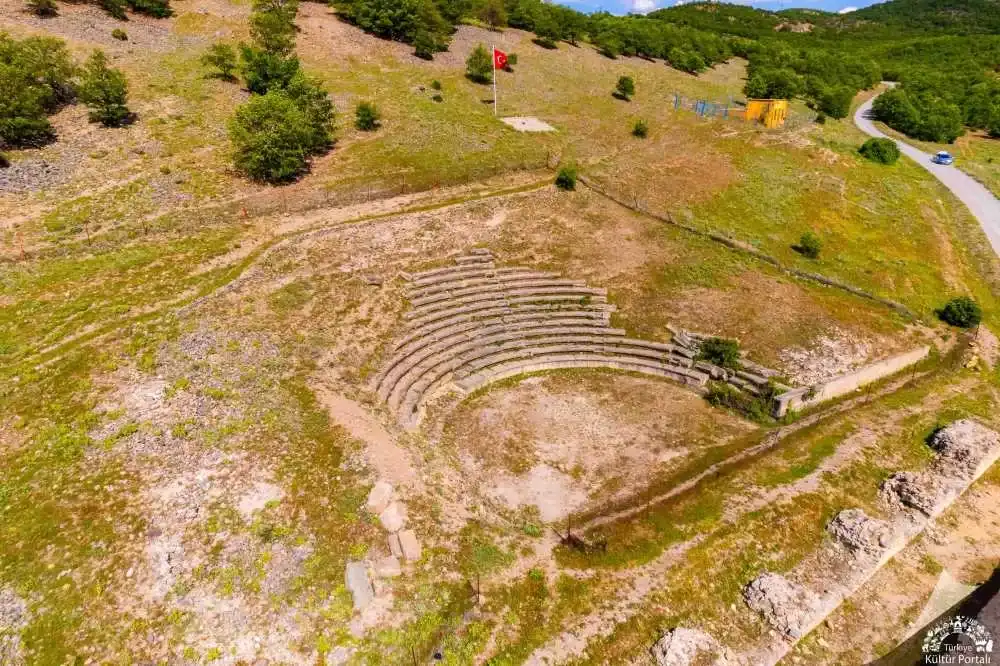
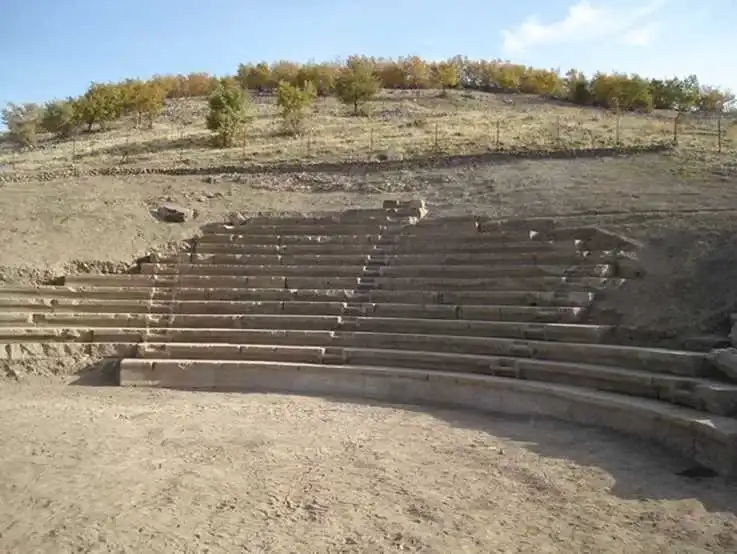
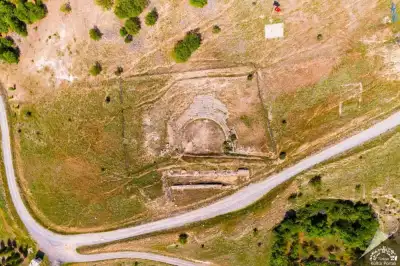
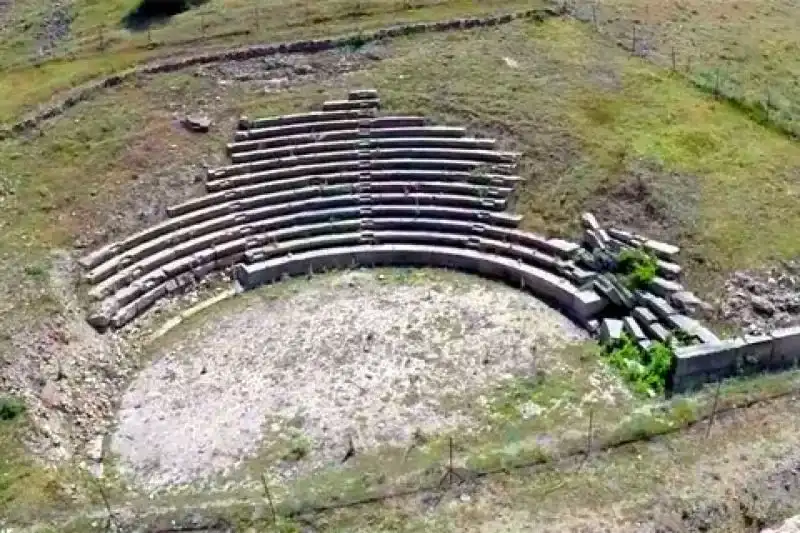
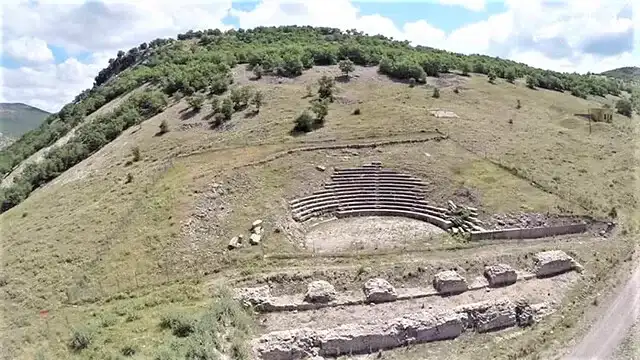
Vasada Ancient Theater is a Roman-era structure located on the slopes of Mount Kestel in Bostandere, Seydişehir district of Konya, with a seating capacity of approximately 3,000 people.
The Vasada Ancient Theater stands at the heart of the Ancient City of Vasada, located in a valley at the foot of Mount Kestel, northeast of the Seydişehir district in Konya. Dating back to the Roman Imperial period, the structure was built by carving a horseshoe shape into a natural hill, accommodating a seating capacity of around 3,000 people. This architectural method was frequently favored in Roman theaters across Anatolia, demonstrating how skillfully the structure was integrated into the landscape.
The theater was uncovered in 1969 during the construction of a local water reservoir. Since then, excavation and documentation efforts have continued under the coordination of the Konya Provincial Directorate of Culture and Tourism. Today, the Ancient City of Vasada remains a quiet and uncrowded archaeological site, offering a peaceful and authentic setting for history enthusiasts. The ancient ruins, seamlessly blended with the surrounding natural scenery, make the site appealing to both archaeology and nature lovers.
Guide's Note
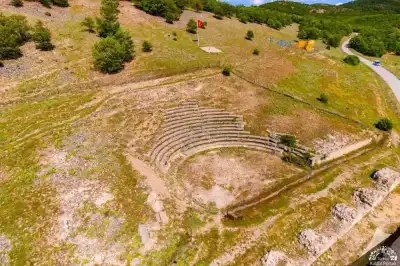
The Vasada Ancient Theater is located within the boundaries of Bostandere Neighborhood, about 13 km before reaching the Seydişehir district center. This unexcavated ancient theater can be an interesting stop for history enthusiasts, and some visitors find the site worth seeing.
On the other hand, many visitors leave disappointed with the current state of the site. Reports indicate that only about 10 rows of seats remain standing, and original stone blocks appear to have been repurposed in local buildings over time. The lack of adequate protection measures is another point frequently noted by visitors.
Things to know before your visit:- The site is merely enclosed by a wire fence, with no official restoration or tourist facilities in place.
- Since active excavations are limited, the visible ruins are quite minimal.
- Most of the original building stones are reported to be missing from their location.
- Due to its somewhat remote location, it is recommended to research road conditions before setting off.
Best Time to Visit
The best seasons to visit the Vasada Ancient Theater are spring and autumn. From April to June, the countryside turns lush and green, with comfortable temperatures for walking. In September and October, the harsh summer heat subsides while daylight hours remain generous. In mid-summer, especially during July and August, exploring the open site under the intense sun of the Konya plateau can be exhausting; visiting in the early morning is recommended during this period. Winter road conditions can occasionally be challenging, so ensure your vehicle is suitable for mountain drives.
How to Get There
The Vasada Ancient Theater is situated in the upper section of Bostandere Town, belonging to Seydişehir. You can reach Seydişehir from Konya city center by car in approximately 2 hours. From Seydişehir, continue along local roads to Bostandere. Public transport options along this route are quite limited, making driving your own car or renting one from Seydişehir the most practical choice. Searching for "Bostandere Beldesi, Seydişehir" in navigation apps will guide your route, though road conditions on the final few kilometers may vary.
How Much Time to Spend?
Allocating 1 to 2 hours is sufficient to explore the Vasada Ancient Theater and the surrounding ancient ruins. The site can easily be combined with other natural and historic attractions around Seydişehir for a full-day itinerary. Visitors with a special interest in photography or archaeology may wish to spend more time. It is also entirely feasible as a day trip from central Konya.
Suggested Itinerary
Depart early in the morning from central Konya to reach Seydişehir, then head straight to the Vasada Ancient Theater via Bostandere. After touring the theater and surrounding ruins, return to Seydişehir's town center around noon for lunch at a local restaurant. Lake Beyşehir National Park, located near Seydişehir, is another worthwhile stop to add to your day-trip route; the lakeside offers a relaxing atmosphere and great photo opportunities. This allows you to experience both history and nature in a single day trip.
Photo Spots
The Vasada Ancient Theater offers a compelling photo backdrop, combining its horseshoe-shaped seating rows with sweeping views of the valley at the foot of Mount Kestel. The best shots can be captured from the upper tiers of the theater, looking down toward the stage area and out over the valley. Morning light is soft and angled, helping highlight the texture of the stone and shadow detail. The ancient stone rows nestled amidst natural greenery provide fantastic opportunities for wide-angle photography.
Things to Know Before You Go
The Vasada Ancient Theater is located in a relatively remote area compared to major tourist hubs. Since facilities are very limited, it is essential to bring enough water and snacks. You will not find formal restrooms or cafes nearby. The stone steps of the theater can be uneven, so wear comfortable shoes with good grip. Excavation work occasionally restricts access to certain areas. Contacting the Konya Provincial Directorate of Culture and Tourism beforehand to confirm visiting hours and potential closures can save you trouble.
Where to Eat Nearby
Dining options in Bostandere Town are extremely limited. To grab a meal, you will need to head to Seydişehir town center. Seydişehir features traditional local eateries and kebab restaurants. Konya's famous culinary staples, such as slow-roasted oven kebab (fırın kebabı) and meat-topped flatbread (etli ekmek), can easily be found here. Enjoying a meal in Seydişehir after spending time outdoors at the ruins is both convenient and satisfying.
This content originates from neresigezilir.com and may not be copied without permission.
Vasada Ancient Theater Videos
Vasada Ancient Theater videos load when you open this section to keep the page fast.
Show videos
FAQ
Updated: