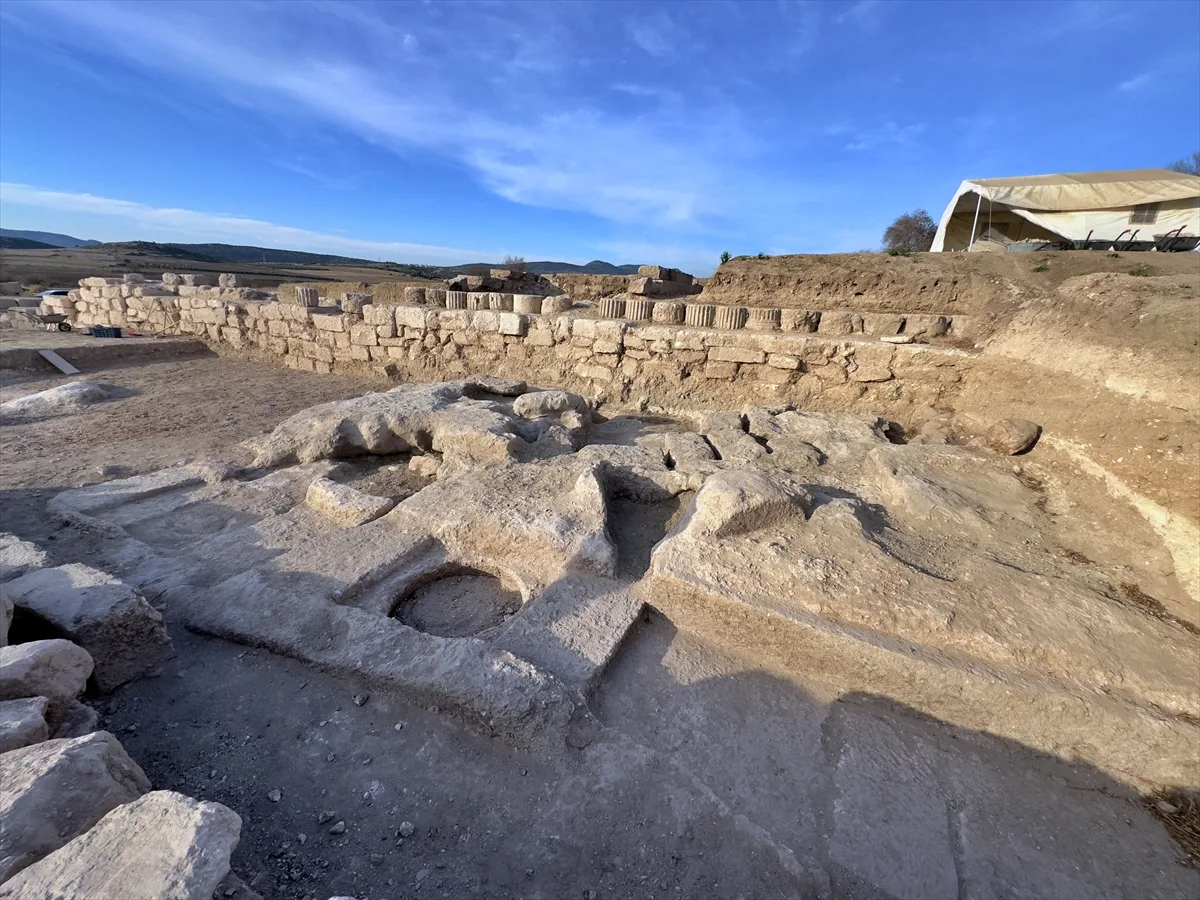
Kastabala Ancient City is an ancient Roman settlement located 12 km north of Osmaniye by the Ceyhan River, featuring a colonnaded street, theater, baths, and church ruins; admission is free.
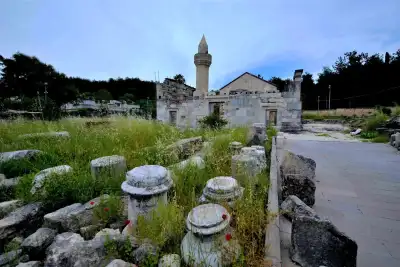
Kastabala, formerly known as Hierapolis, is located 12 kilometers north of Osmaniye city center, set in a valley overlooking the plain between Kesmeburun and Bahçeköy. Its settlement history dates back to the Neolithic period, but most of the ruins visible today belong to the Roman era. Built in the 2nd–3rd centuries, the colonnaded street, theater, baths, and aqueducts are still standing. The city is associated with the cult of Artemis-Perasia, which is why Antiochus IV named the city Hierapolis, meaning "holy city."
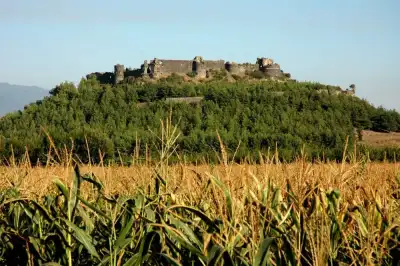
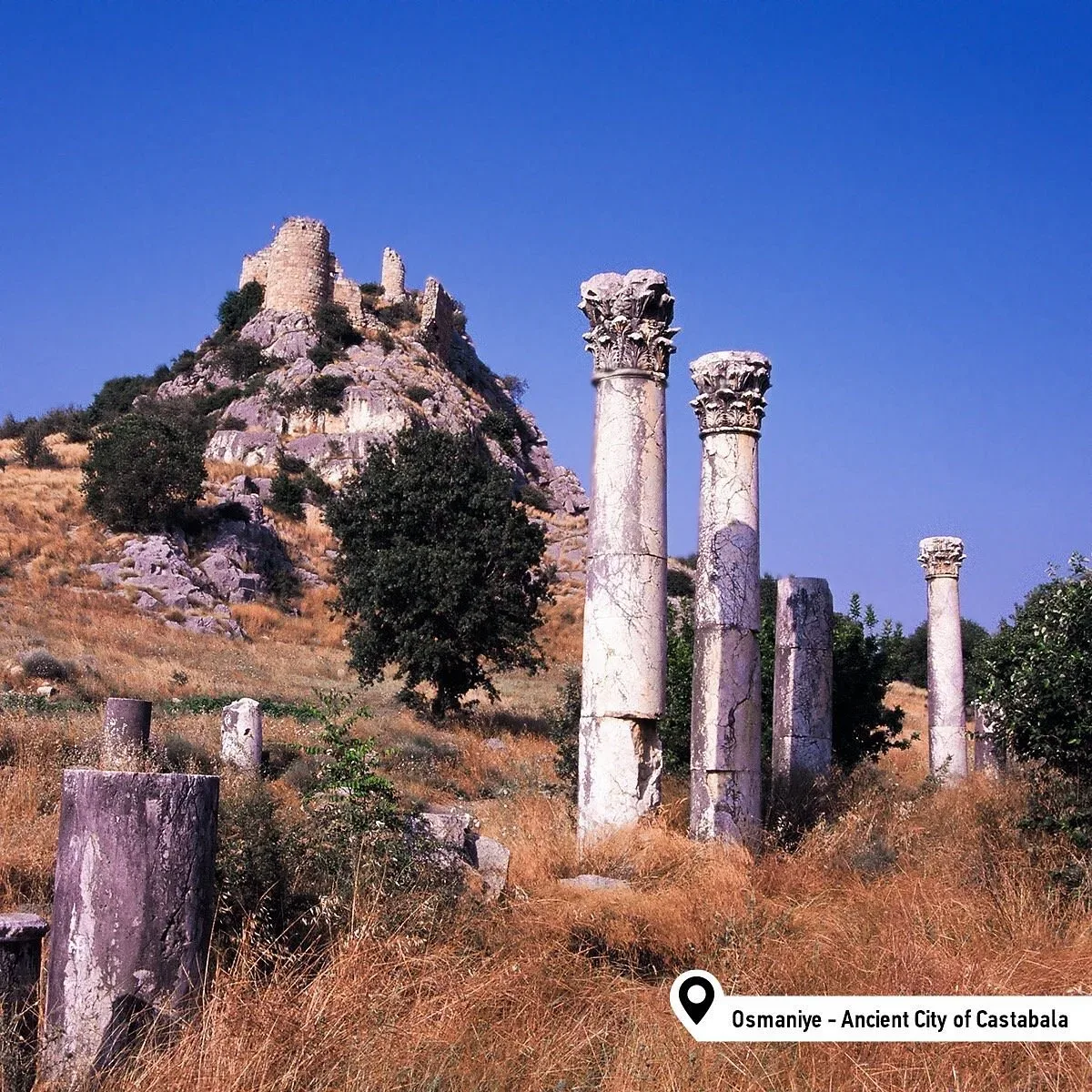
The colonnaded street forms the main axis of the visit. Extending east-west along the northern slope, this street features rows of shops and galleries on both sides; it was repaired multiple times from the 2nd century to the 12th–13th centuries. Further along the street stands the North Church, dating to the 5th century. This three-nave, basilica-plan structure was built entirely by reusing Roman-era architectural elements. At the top of the hill are traces of a fortress. Scenes from the famous Turkish movie Selvi Boylum Al Yazmalım (The Girl with the Red Scarf) were filmed here—a detail still mentioned among visitors.
Excavations have been ongoing since 2009, led by Osmaniye Korkut Ata University since 2021. Most visitors highlight the peacefulness and obscurity of the site. At the same time, overgrown weeds along the walking path and the unmaintained dirt road are frequently voiced complaints. After rain, the final 1-kilometer dirt road turns muddy, so choose your footwear accordingly.
When to Visit?
There is almost no shade at the site, and the walking path is in open terrain. Visiting around midday during summer months can be exhausting. Spring and autumn are much more comfortable in terms of temperature and vegetation. The final kilometer of dirt road becomes muddy after rain, so keep your plans flexible on wet days. A common point in visitor reviews is that during certain seasons, weeds along the path grow high, making walking more difficult.
How to Get There?
Access is easy via the paved road leading from central Osmaniye toward Kesmeburun village, taking about 20 minutes. Driving your own vehicle is the most practical option. If using public transport, you can board local minibuses (dolmuş) heading to Bahçe, Kesmeburun, or Karatepe, though service frequency may be limited. Since it is located along the way to the Karatepe-Aslantaş Open Air Museum, combining both sights into a single trip makes a sensible itinerary.
How Much Time to Spend?
For most visitors, exploring the site takes 15-20 minutes. If you walk along the colonnaded street, inspect the North Church ruins, and climb up toward the castle, it may take a bit longer. Combining it with the Karatepe-Aslantaş Museum and allocating half a day is much more rewarding if you are making a dedicated trip to the area.
Suggested Itinerary
Depart from Osmaniye central, stop by Kastabala first, and then continue along the same road to the Karatepe-Aslantaş Open Air Museum. The drive between the two stops is short as they lie on the same route. If you have extra time, you can also add Toprakkale Castle to your return journey.
Things to Keep in Mind
There are no restrooms or proper lighting at the site, making daytime visits much more suitable. A recurring complaint in reviews is the lack of maintenance, overgrown weeds obscuring paths, and the rough final stretch of dirt road. A security guard is usually present, but no ticket control is conducted as entry is free. On rainy days, choose appropriate footwear.
Photography Spots
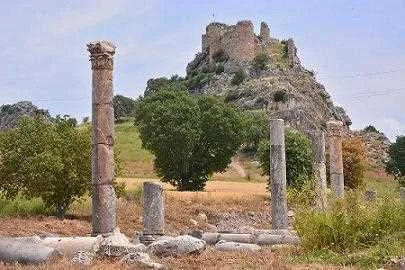
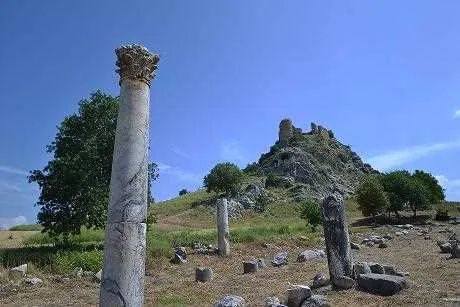
The surviving row of columns along the colonnaded street with the castle silhouette in the background is the most popular photo framing. The apse section of the North Church and the seating rows of the ancient theater are also frequently shared angles. Morning light highlights the stone textures best.
Good to Know
Kastabala's ancient name was Hierapolis, meaning "holy city." This title comes from the cult of Artemis-Perasia. The city features two church structures—the North and South Churches—both built by reusing Roman architectural fragments. Excavations have been ongoing since 2009, and it is believed that many unexcavated structures remain underground. Visitor numbers are low compared to other ancient cities, keeping the site peaceful yet somewhat unmaintained.
This content originates from neresigezilir.com and may not be copied without permission.
Kastabala Ancient City Videos
Kastabala Ancient City videos load when you open this section to keep the page fast.
Show videos
FAQ
Updated: