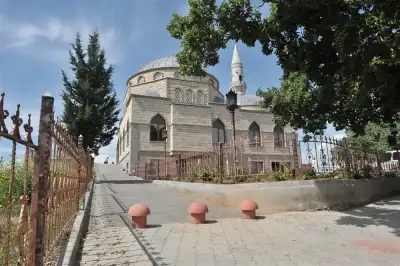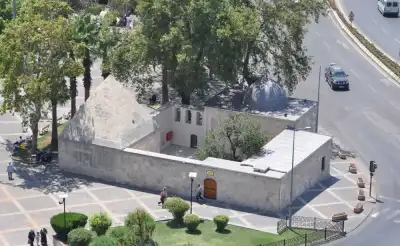
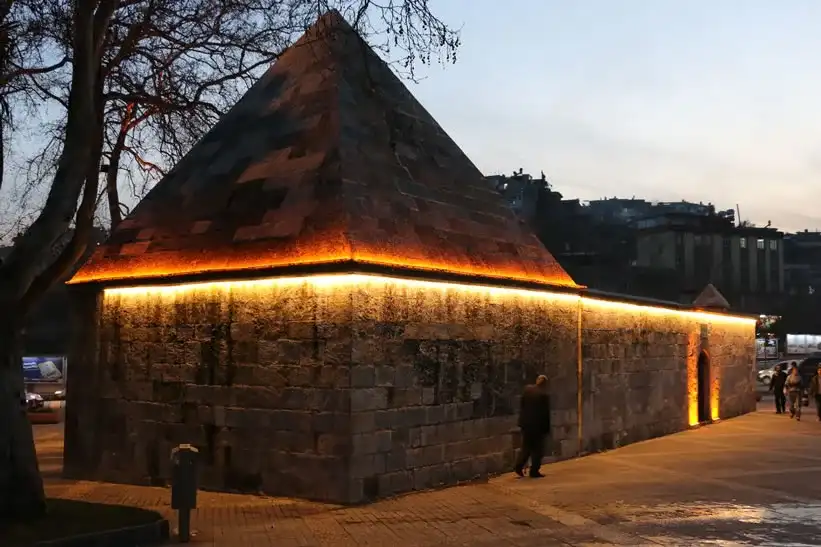
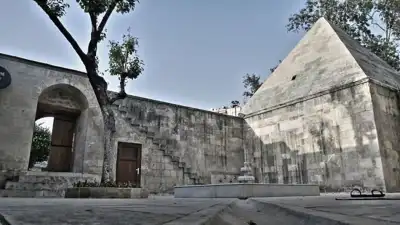
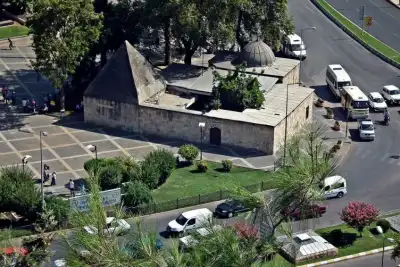
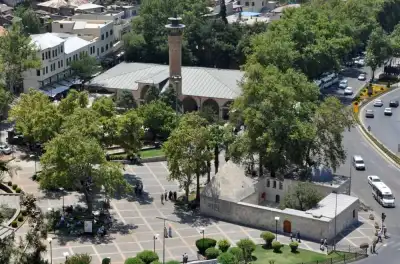
Taş Medrese is a historic 15th-century complex in Kahramanmaraş city center, next to the Grand Mosque. Built by Alaüddevle Bey, it comprises a madrasa, mosque, and tomb, standing as a prominent example of Dulkadirid architecture with its fine ashlar masonry and vaulted porticoes.
Standing in the heart of Kahramanmaraş's historic bazaars and seamlessly integrating with the Grand Mosque, Taş Medrese is the most precious heritage left to the city by the Dulkadirid Principality. Commissioned by Alaüddevle Bey in the late 15th century, the structure was designed as a compact social complex (külliye) comprising a madrasa, a small mosque (mescit), and a tomb. Reflecting the Anatolian madrasa tradition of its era with a single-eyvan plan and a rectangular courtyard arrangement, the building still stands today with its simple yet powerful ashlar masonry facade.
The madrasa served its educational function until the 1920s; an education yearbook from 1901 recorded 25 students studying here. Restored between 1991 and 1992 by the General Directorate of Foundations, the building largely retains its original fabric. Visitors note how strongly the courtyard layout and vaulted porticoes reflect the classical architectural approach of educational institutions of that period. Recent visitor reviews highlight that the building's doors are currently closed and that it suffered partial damage during recent earthquakes, meaning the interior is closed to visitors. Checking the current operational status locally prior to your visit is recommended.
History of Taş Medrese
Taş Medrese was commissioned in the late 15th century by Alaüddevle Bey, one of the most powerful rulers of the Dulkadirid Principality. Designed as a compact yet functional complex (külliye) comprising a madrasa, small mosque, and tomb, it served not only as a place for religious instruction but also as a hub shaping the city's social and cultural life.
According to an education yearbook dating back to 1901, 25 students were studying at the madrasa at that time. The building continued its educational activities until the 1920s, after which it served as a mosque and storage facility. Following an extensive restoration by the General Directorate of Foundations between 1991 and 1992, the structure largely preserves its original historic fabric.
Architectural Features
With its rectangular layout and single-eyvan design, Taş Medrese is a classic example of Anatolian Seljuk and Beylik-era madrasa architecture. Built with finely dressed ashlar stone—giving the monument its name ('Stone Madrasa')—its facade presents a simple yet powerful stance. The courtyard layout and vaulted porticoes represent the most distinctive architectural elements reflecting the classical design of educational structures from that era. Its location adjacent to the Grand Mosque gives the site a cohesive complex character in the town square.
When to Visit?
Given Kahramanmaraş's hot summer months, visiting Taş Medrese during spring (April–May) or autumn (September–October) offers a far more pleasant experience. Morning hours provide ideal lighting conditions for photography, while the historic bazaar is still quiet. Although the exterior can be admired year-round, it is best to check in advance whether the interior is open to visitors.
How to Get There?
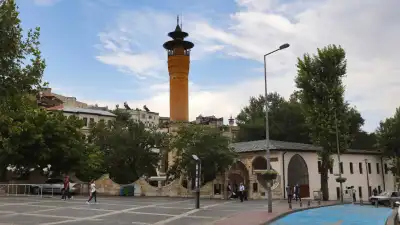
Taş Medrese is located on Atatürk Boulevard in Kahramanmaraş city center, right beside the Grand Mosque. It can be easily reached by taxi or municipal public transportation from any part of the city. Within walking distance inside the historic bazaar district, it can be combined into a walking itinerary with nearby sights like the Covered Bazaar, Taş Han, and the Castle.
Suggested Itinerary
Taş Medrese forms a natural stop along a walking tour of Kahramanmaraş's historic center. Start with a visit to the Grand Mosque, head to Taş Medrese, and then explore Taş Han, the Covered Bazaar, and the Coppersmiths/Jewelers Bazaar. Those looking to extend their route can add the Mahmut Arif Paşa Mansion Ethnography Museum and Kahramanmaraş Castle. All these points are within walking distance and can easily be explored in half a day.
Things to Know Before You Go
An important detail highlighted in recent visitor comments is that the building's entrance doors are closed and the interior is not open to visitors. Reports also indicate partial damage sustained during recent earthquakes. Before planning your visit, contacting the Kahramanmaraş Provincial Culture and Tourism Directorate to verify the current status is recommended. Nonetheless, the exterior facade and courtyard remain a worthy stop for anyone interested in Dulkadirid architecture.
Photography Spots
The cut-stone facade and arched entrance of Taş Medrese yield striking photographs, especially in the morning light. Framing shots together with the Grand Mosque helps showcase the architectural harmony of the complex. If courtyard access is available, perspective shots through the vaulted porticoes are also highly captivating.
This content originates from neresigezilir.com and may not be copied without permission.
Taş Medrese Videos
Taş Medrese videos load when you open this section to keep the page fast.
Show videos
FAQ
Updated: