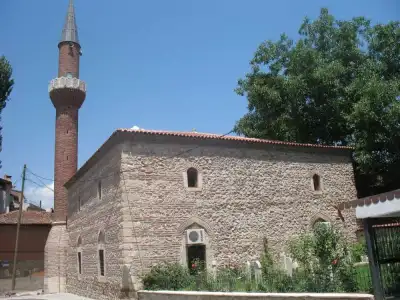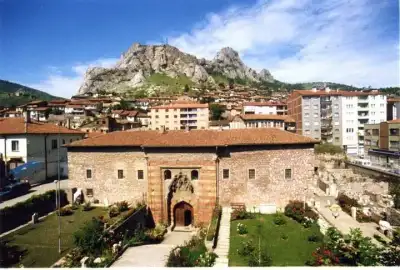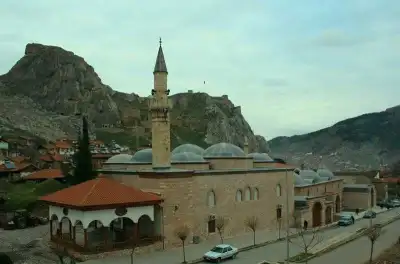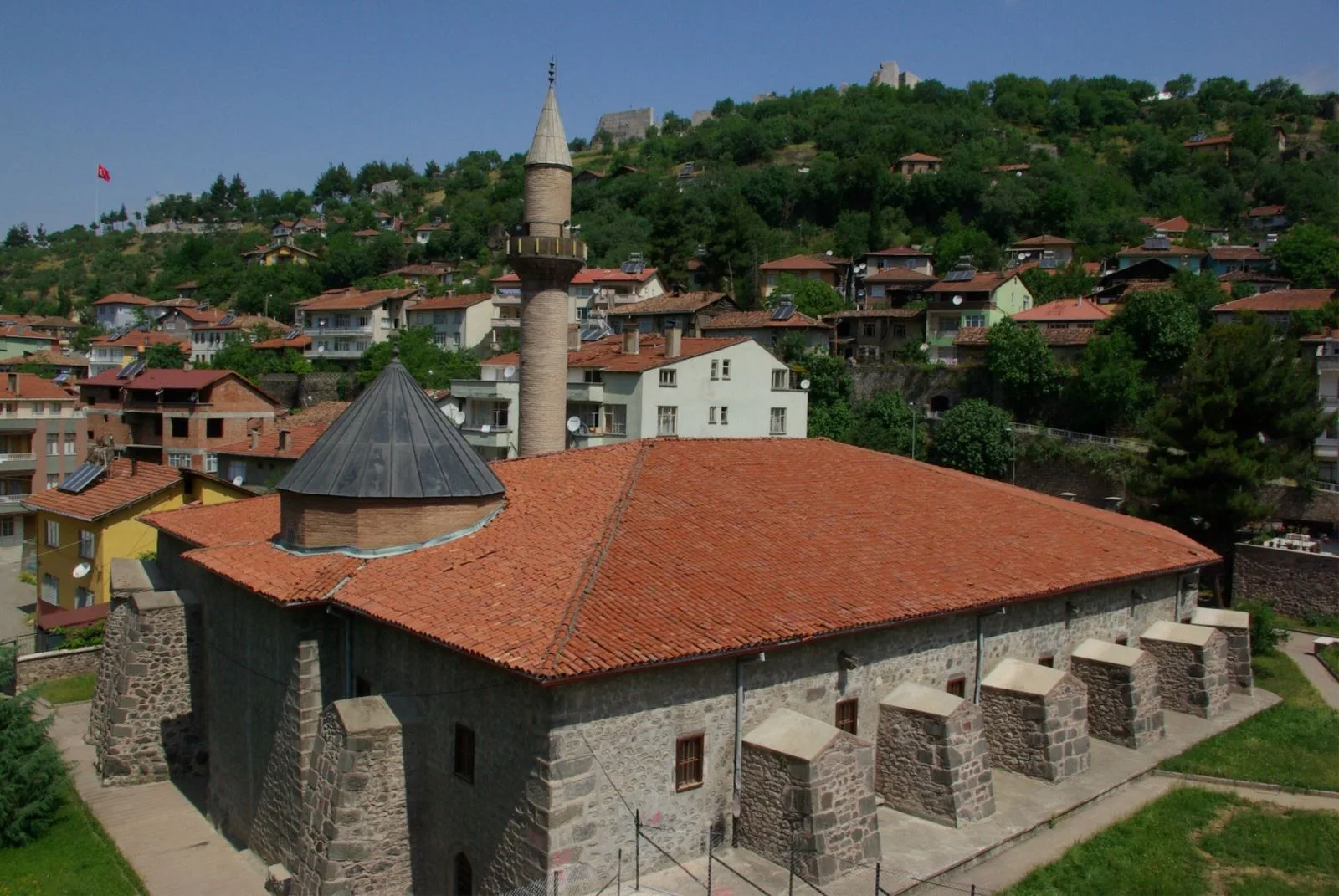
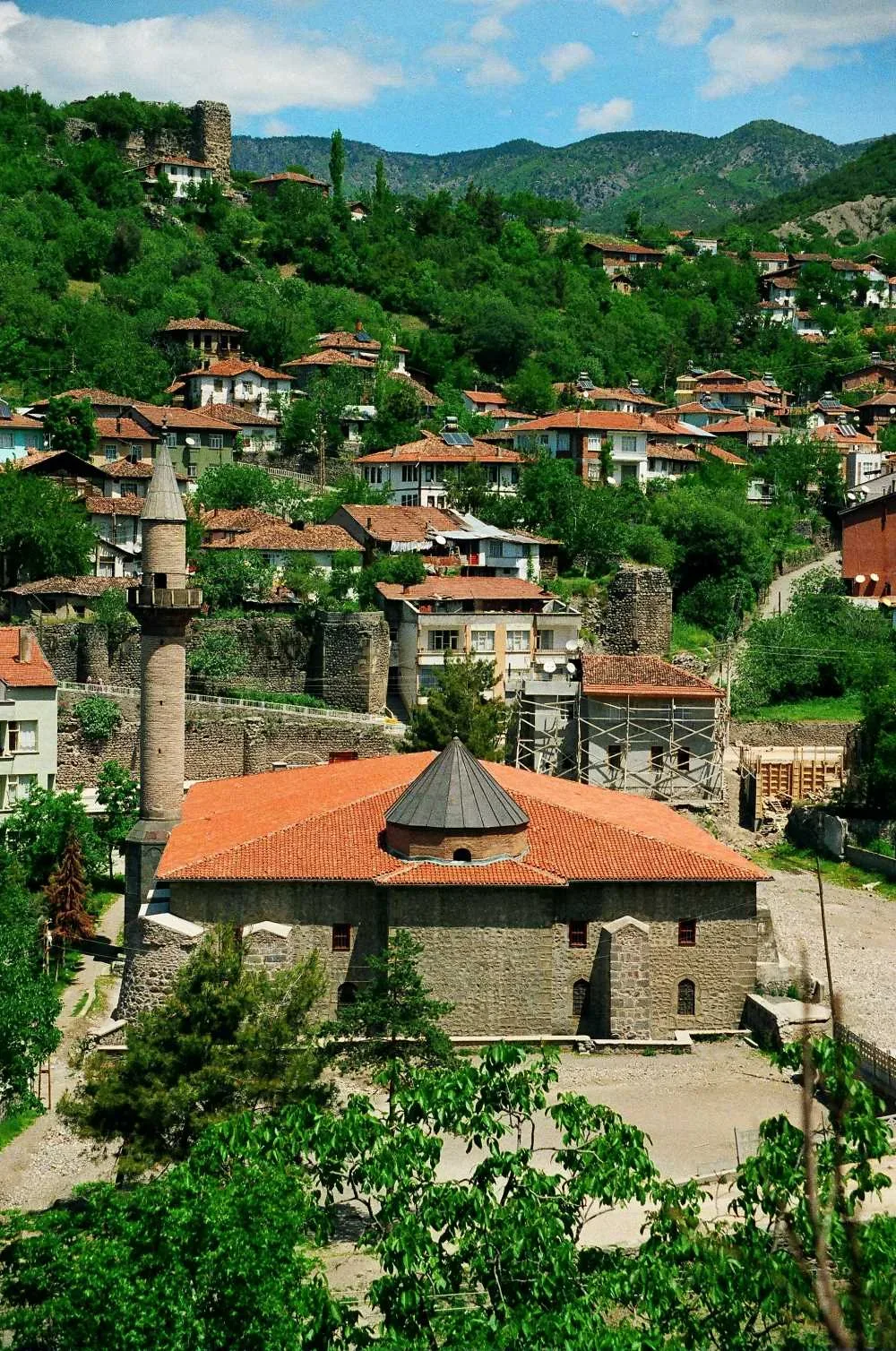
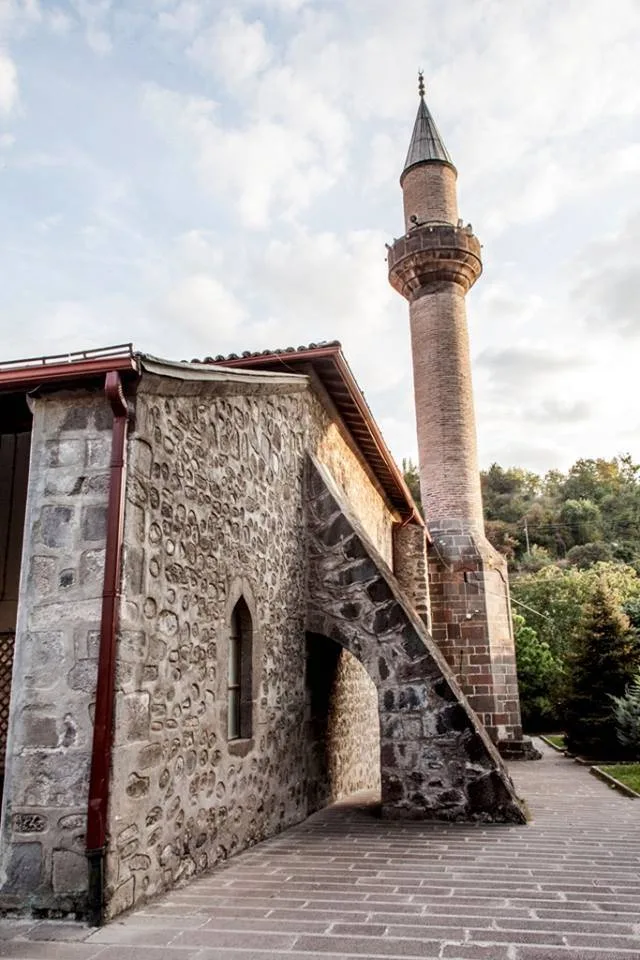
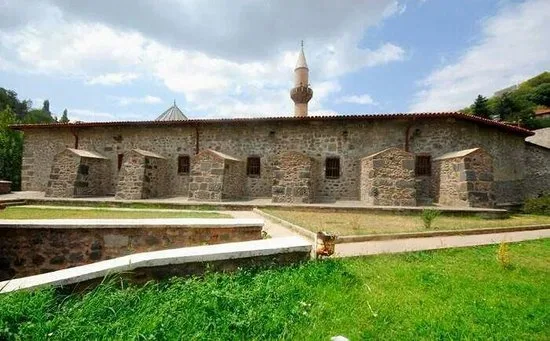
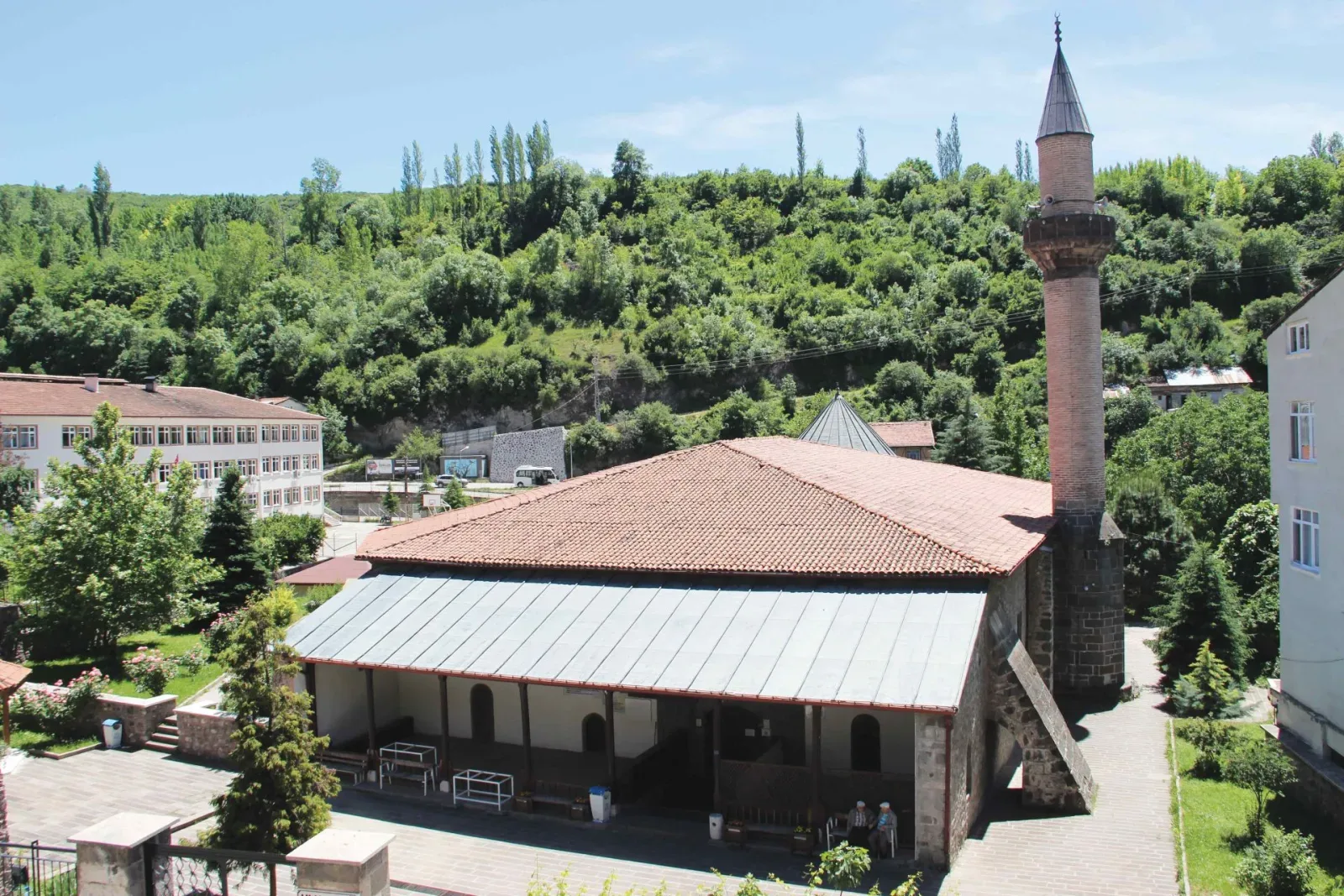
Niksar Ulu Mosque, located just outside the castle walls in Tokat's Niksar district, is the city's oldest mosque, built in the mid-12th century during the Danismend period and renowned for its stone portal and brick minaret.
Niksar Ulu Mosque lacks an inscription, so its exact construction date remains unknown. Oral tradition and foundation records point to 1143–1164, corresponding to the reign of the Danismend ruler Nizameddin Yağıbasan. It is referred to as Melik Gazi Mosque in Evliya Çelebi's Travelogue, while local sources have called it Bey Mosque, Cami-i Kebir, or Çepni Beyzade Hasan Bey Mosque. It is also rumored to have been built by Çepnizade Hasan Bey, though this remains unconfirmed.
The mosque has a rectangular plan running north-south and is situated southeast of the castle, outside the city walls. The stone portal on the northern facade is its most striking feature: framed by two borders, the outer one features geometric motifs and the inner one displays a swastika-like pattern. Above the doorway sit two rosettes originating from a 12-pointed star. On the western facade, a brick minaret rises on a polygonal base spanning the building's height, alongside five buttresses of varying sizes supporting the wall. The 1939 earthquake destroyed the shaft and cap of the minaret and buried the mihrab niche under soil. The structure was subsequently restored.
Many visitors mention feeling a deep sense of simplicity and tranquility upon stepping inside, describing it as a warm space with a unique atmosphere for worship. Recent renovations have largely solved the heating issue, making prayer in winter much more comfortable. With its fine stonework and centuries-old character, many write that passing through its doors feels like stepping back in time.
When to Visit?
The mosque is open outside of prayer times, but the most comfortable time for a visit is during the quiet hours before the noon prayer. Spring and autumn offer the best weather for exploring Niksar; walking around the castle in the summer heat can be tiring. If you arrive during prayer time, it is best to wait at a respectful distance and enter afterward.
How to Get There?
Niksar is approximately 60 kilometers from Tokat city center. There are regular minibus services from Tokat or Erbaa. Once you reach the town center, the mosque is located in Çepnibey Neighborhood, right outside the castle walls; it can be reached on foot from the center or via a short taxi ride.
Getting Around Niksar
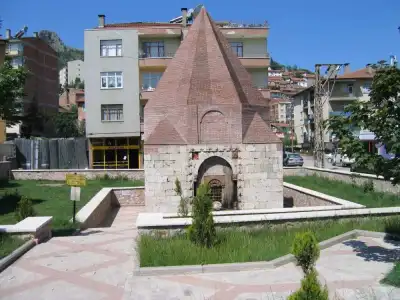
Niksar center is small and walkable. You can explore Ulu Mosque along with other historical sites such as Niksar Castle and the Shrine of Melik Gazi on a single walking route. Local minibuses are also available, but walking is more practical if you are staying near the center.
How Much Time to Spend?
20 to 30 minutes is sufficient for the mosque itself. However, if you have come to Niksar, you will likely want to see the castle, shrine, and surrounding historic architecture; setting aside half a day is more realistic.
Suggested Itinerary
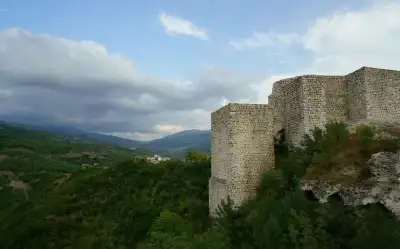
Starting at Niksar Castle and walking downhill to Ulu Mosque is a logical route. Located just outside the castle walls, the mosque makes a natural stop along this path. If time permits, you can complete your day by visiting the Shrine of Melik Gazi and other historical landmarks nearby.
Things to Keep in Mind
Since this is an active place of worship, it is important to act respectfully and avoid loud talking during prayer times. Women may find it helpful to bring a headscarf. Ongoing restoration work on the structure may occasionally restrict access to certain sections.
Photo Spots
The stone portal on the northern facade, with its geometric and swastika-patterned borders, is the most striking photo spot. The brick minaret on the western facade captures the height of the mosque well, especially when photographed from a low angle. Morning light highlights the fine details of the stonework best.
Historical Background
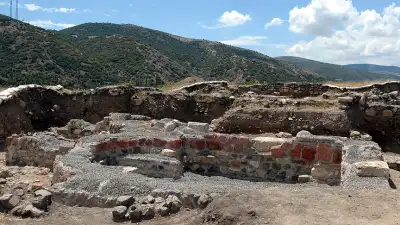
The structure bears traces of additions and repairs from different eras, showing that the mosque was restored multiple times over the centuries. As Niksar once served as the capital of the Danismends, the presence of such a grand mosque reflects the period's significance. Severely damaged in the 1939 earthquake, the building was later restored to its present condition.
This content originates from neresigezilir.com and may not be copied without permission.
Niksar Ulu Mosque Videos
Niksar Ulu Mosque videos load when you open this section to keep the page fast.
Show videos
FAQ
Updated: