Located inside a ceramics factory in Gökçebey, the Çanakçılar Private Ethnography and Archaeology Museum displays coins, glassware, and ethnographic artifacts ranging from Ancient Greece to the Ottoman Era, surrounded by a zoo and botanical park.
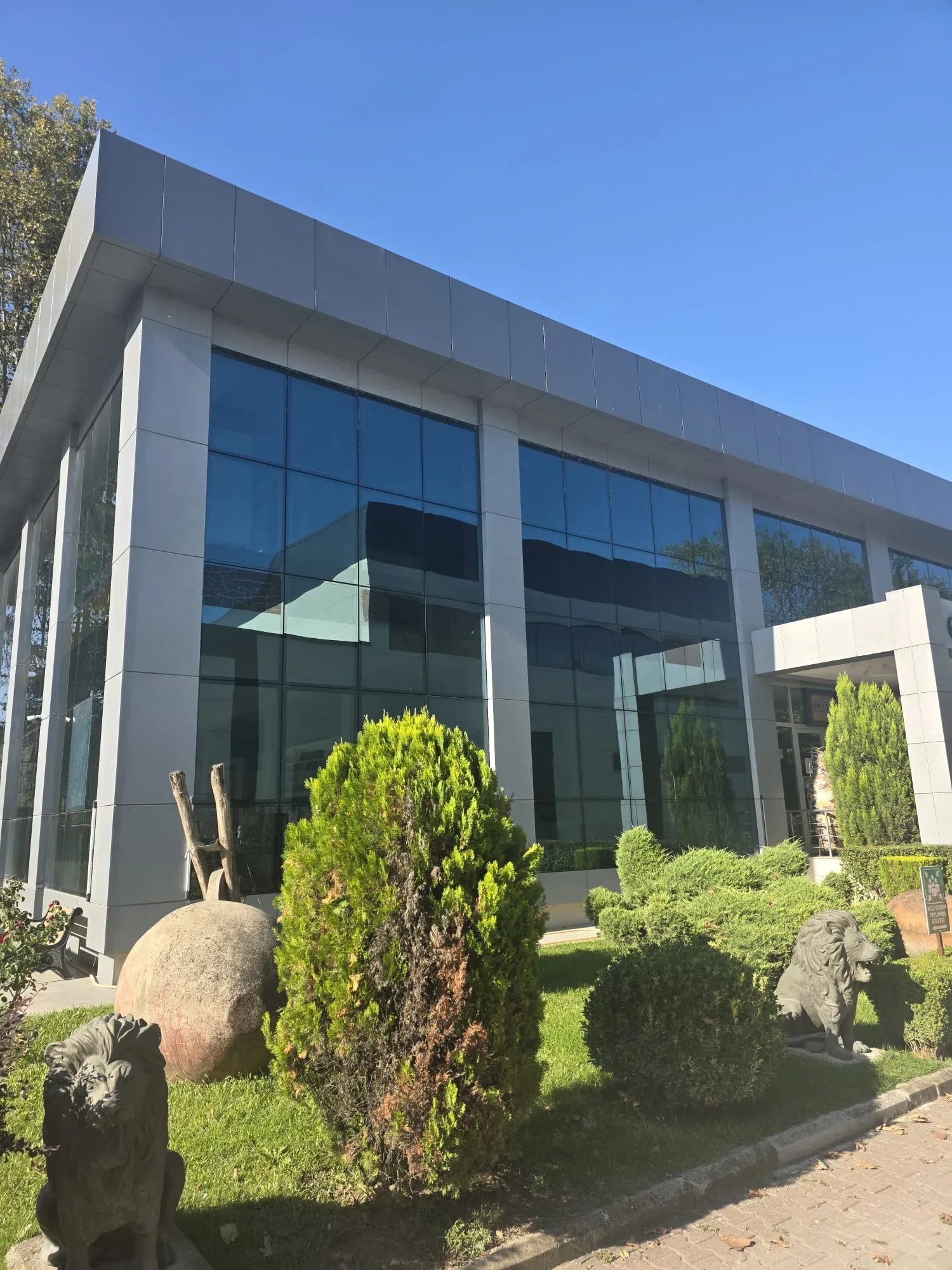
This museum is far from your typical archaeology venue. It was established right within the factory complex of Çanakçılar Seramik A.Ş. The ground floor serves as a showroom displaying the company's sanitary ware products, while the second floor houses an impressive collection of archaeological and ethnographic artifacts gathered over many years by collector Mithat Çanakçı. Official permission to operate as a private museum was granted by the Ministry of Culture and Tourism in 2005, and it opened its doors to visitors in 2006.
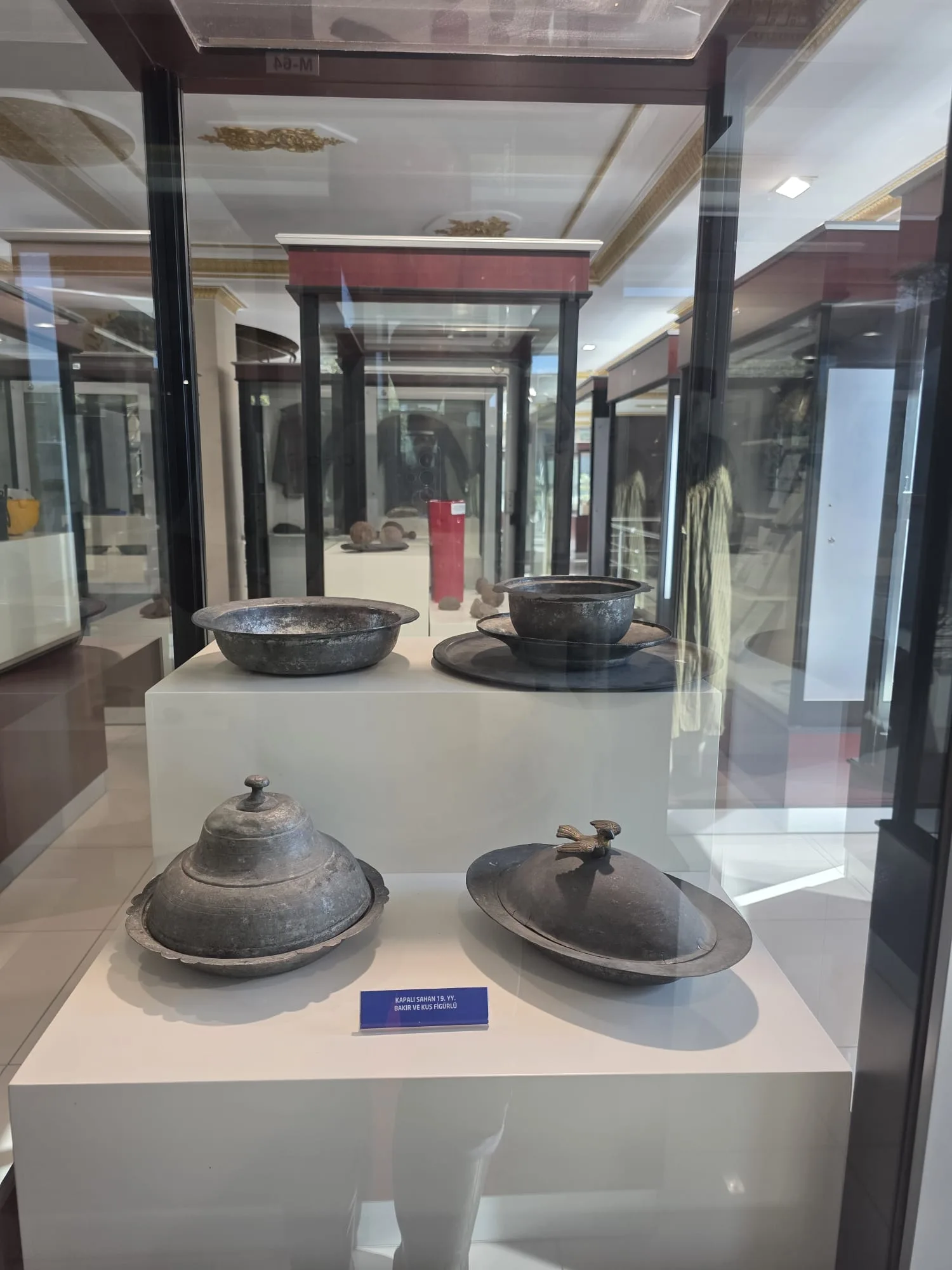
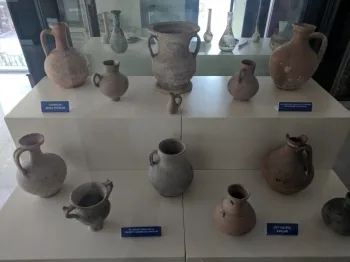
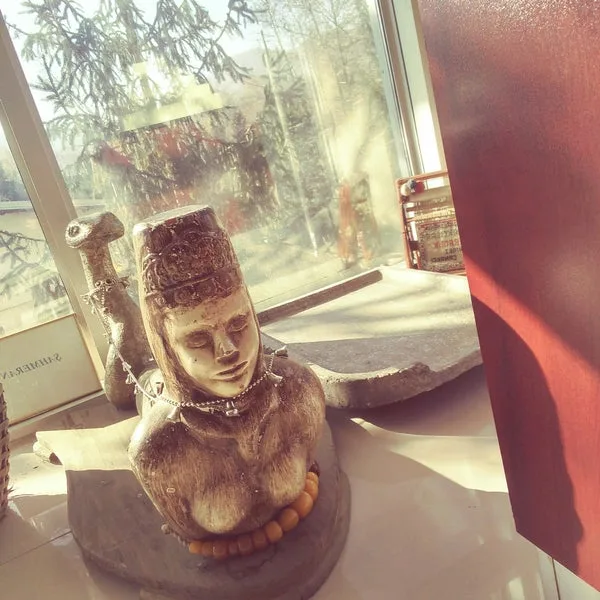
The collection is remarkably diverse. Beyond artifacts from the Ancient Greek, Hellenistic, Roman, Byzantine, Sasanian, Seljuk, and Ottoman periods, it features Paleolithic stone fossils, Bronze Age hand axes, and Urartian ram-headed iron bracelets. The numismatic section is particularly impressive, showcasing a rich archive of electrum, gold, silver, and nickel coins. Terracotta female figurines, amphorae, oil lamps, and glass perfume bottles from the Roman era are also on display.
What sets the museum apart is its setting. The building is situated inside a large zoo complex that houses numerous domestic and wild animals. This allows visitors to step out after browsing ancient artifacts and explore a botanical garden alongside animal exhibits on the very same grounds. It offers a perfect blend of history and nature for anyone visiting Gökçebey.
How was the museum established?
Driven by a personal passion for history, Mithat Çanakçı, Chairman of Çanakçılar Seramik A.Ş., obtained a Movable Cultural Property Collector certificate from the Karadeniz Ereğli Museum in 2003. Following this registration, he applied to the Ministry of Culture and Tourism to exhibit his collected artifacts. Permission was granted in 2005, and the museum opened to visitors on December 6, 2006. Being located inside an active factory complex makes it one of Turkey's rare "private industrial museum" examples.
How much time should you allocate?
About 40 to 50 minutes is sufficient to tour the museum's two floors. However, if you also plan to explore the zoo and botanical park on the grounds, your total visit will likely extend to 1.5–2 hours. If you are traveling specifically to Gökçebey, plan your day accordingly. While it might not require a full-day trip on its own, it is a must-see stop when passing through the region.
How to get to Gökçebey and the museum?
Gökçebey can be reached from Zonguldak city center by private vehicle or local minibus lines. For travelers coming from Ankara, Gökçebey is a natural stop along the main Ankara-Zonguldak highway. The museum sits near the entrance to the town; it takes roughly 7 minutes by taxi from the town center. If driving your own vehicle, clear signs point toward the entrance of the factory grounds.
Highlights of the collection
The coin collection is the museum's richest feature. Electrum, gold, silver, and nickel coins span a vast timeline from Ancient Greece to the Ottoman Empire. Terracotta female figurines, amphorae, oil lamps, and bowls from the Roman era are also displayed. The glassware section includes tear vials, perfume bottles, and bangles. An Urartian ram-headed iron bracelet and a Bronze Age stone hand axe are among the oldest artifacts in the entire exhibition.
Visiting a museum inside a factory site
One unique detail to keep in mind is that the museum operates inside a functioning ceramics plant. The first floor acts as a commercial showroom for Çanakçılar's sanitary ware products; the actual archaeological and ethnographic collection is on the second floor. Keep in mind that you will be walking through an industrial facility area during your visit, so parts of the site will look like an industrial complex.
Pairing your tour with the zoo and botanical park
The museum building stands within a vast zoo grounds featuring a variety of domestic and wild animals, alongside a botanical garden. Therefore, allocating extra time after touring the indoor exhibits to stroll through the green areas and view the animals makes great sense—especially for families traveling with children.
Which season is best for a visit?
Although the artifact museum is indoors, the zoo and botanical grounds are out in the open. Spring and summer months are far more ideal for enjoying the outdoor spaces comfortably. Rainy and cold weather is frequent in the Zonguldak region during winter, which could cut your outdoor stroll short.
This content originates from neresigezilir.com and may not be copied without permission.
FAQ
Updated: