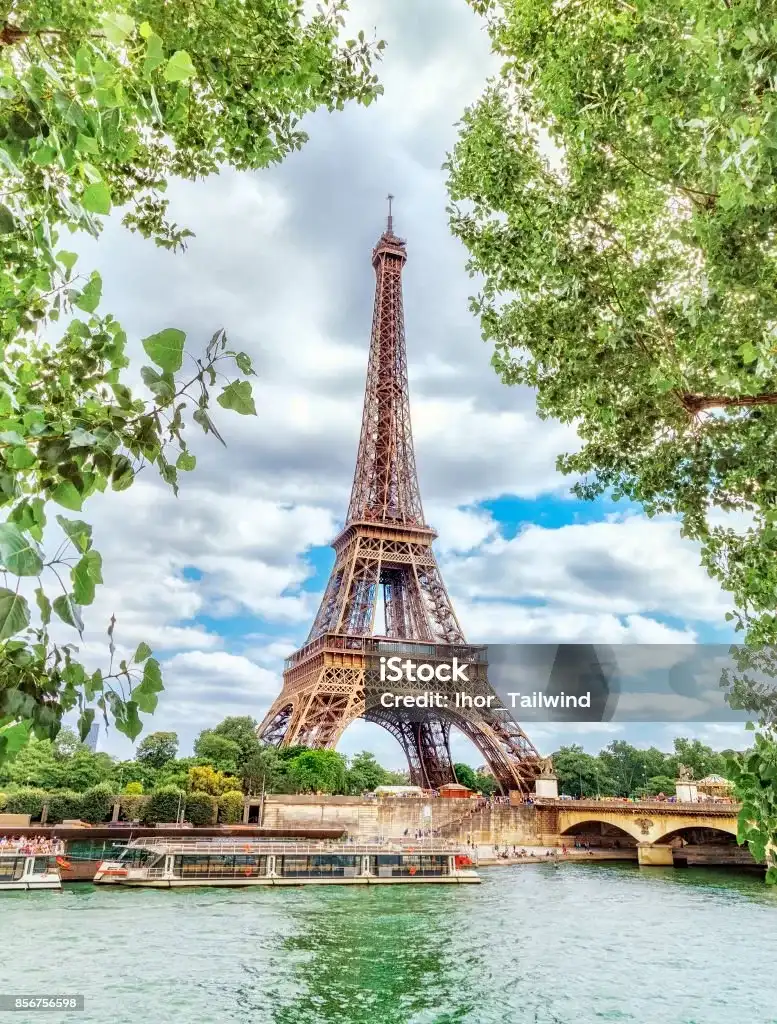
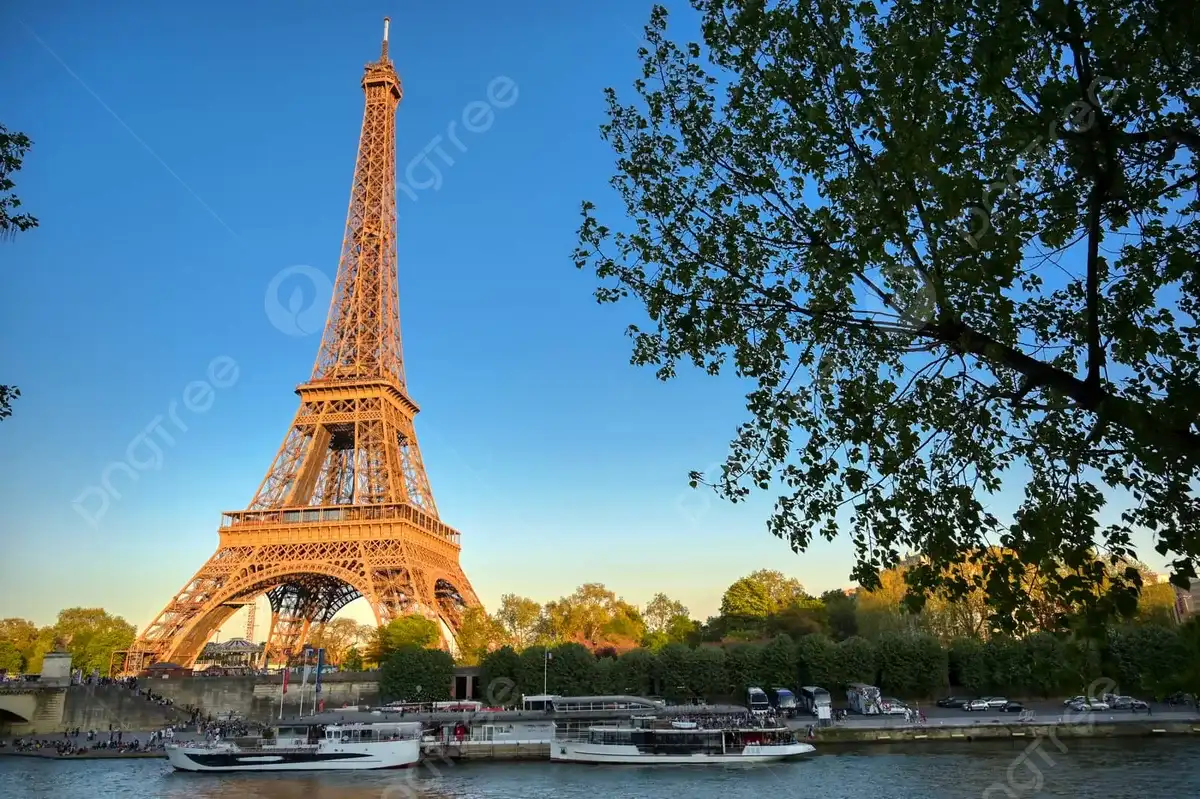
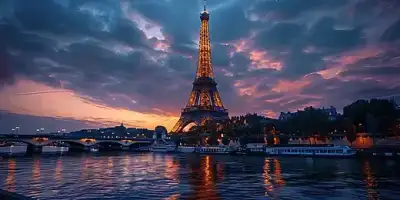
The Eiffel Tower is an iconic iron lattice structure located in the Champ de Mars park in the 7th arrondissement of Paris, built in 1889 to mark the 100th anniversary of the French Revolution. Divided into three levels, visitors can take elevators or stairs to enjoy views of the Seine River and the Parisian cityscape.
The Eiffel Tower defines the skyline of Paris and stands as one of the world's most recognizable landmarks. Constructed in 1889, this iron masterpiece is located in the Champ de Mars park and offers sweeping views over the Seine River and many of the city's iconic sights. Both daytime and nighttime visits offer distinctly captivating experiences.
The tower is divided into three accessible levels with platforms at heights of 57 meters, 115 meters, and 276 meters. The first floor features a museum dedicated to the tower's history. Visitors can move between levels via elevators or staircases. Upon reaching the summit, an open orientation map helps you spot Paris's famous landmarks and find the ideal angles for photos.
Purchasing your tickets online in advance and visiting during the morning hours are smart choices to beat the crowds. The tower is easily accessible by metro or bus; Bir-Hakeim metro station is roughly a 10-minute walk away.
Guide's Note
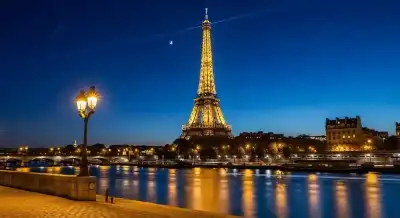
Overall satisfaction levels among recent visitors remain high; the vast majority evaluate their experience positively and enthusiastically recommend the site. The friendly and helpful attitude of the staff is also frequently highlighted.
Daytime visitors note that the views are particularly impressive, with many suggesting that ascending during daylight offers a clearer and richer panoramic experience compared to night visits.
- Crowds at the summit: At least one visitor noted significant congestion at the top platform, so expect larger crowds during peak travel seasons.
- Brief user reviews: Most available online reviews are relatively brief, making detailed assessments of specific amenities somewhat limited.
Eiffel Tower: The Legendary Landmark of Paris
The Eiffel Tower is one of the most recognizable structures in Paris and across the globe. Built in 1889 to celebrate the centennial of the French Revolution, this iron monument designed by Gustave Eiffel has welcomed millions of visitors throughout its history. Situated in the Champ de Mars park, the tower offers stunning views visible from almost every corner of the city.
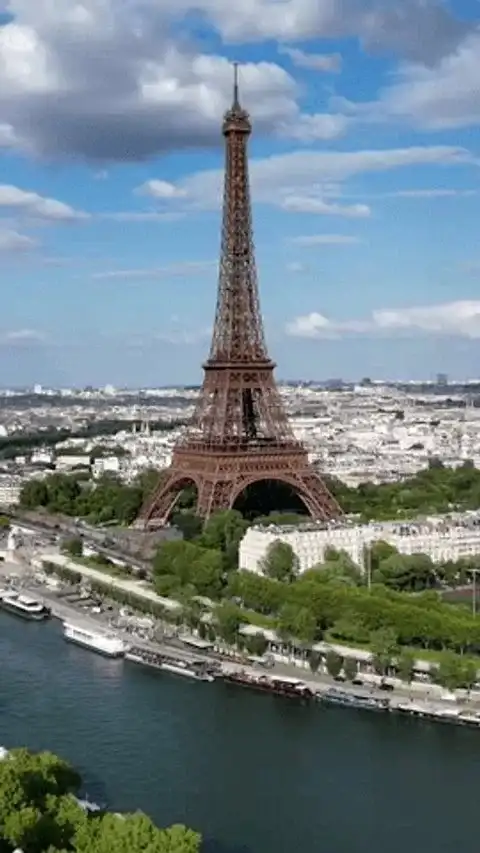
The tower features three main public levels, each offering a distinct perspective. As you ascend from the first floor to the summit, Paris unfolds beneath you. From the summit platform at 276 meters, you can admire the Seine River and virtually all of the city's iconic landmarks.
How to Get to the Eiffel Tower
Taking the Paris Metro is the fastest way to arrive. The tower is about a 10-minute walk from Bir-Hakeim station (Line 6). Alternatively, bus lines 42, 68, 82, and 87 drop passengers off directly at the Tour Eiffel/Champ de Mars stop and can be a budget-friendly option.
The tower is located in the Champ de Mars park in the 7th arrondissement of Paris. Because it is well-connected to the city center, visiting it easily fits into a single day's itinerary. If you prefer walking, the surrounding parklands offer an enjoyable scenic stroll.
Best Time to Visit
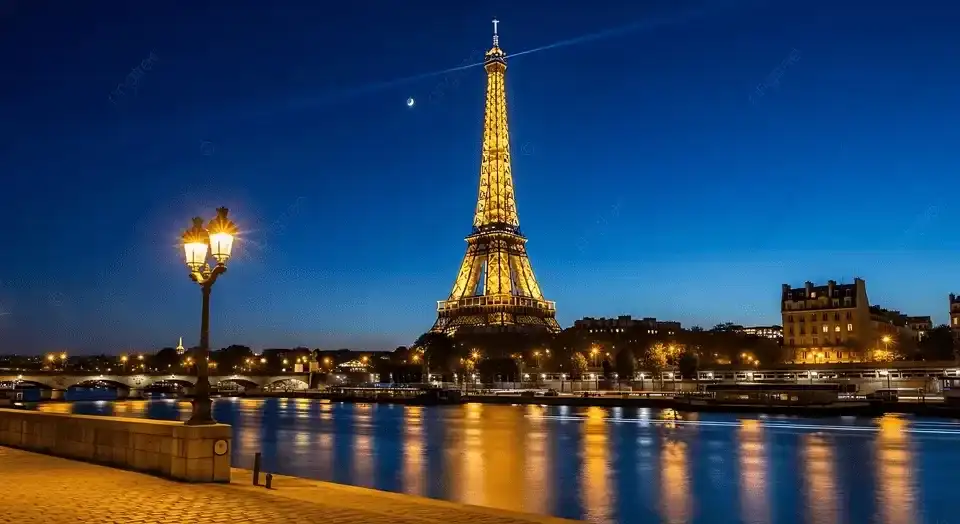
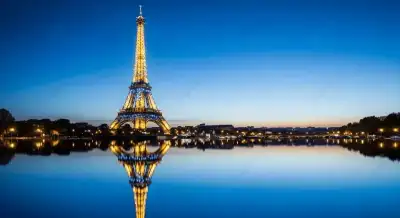
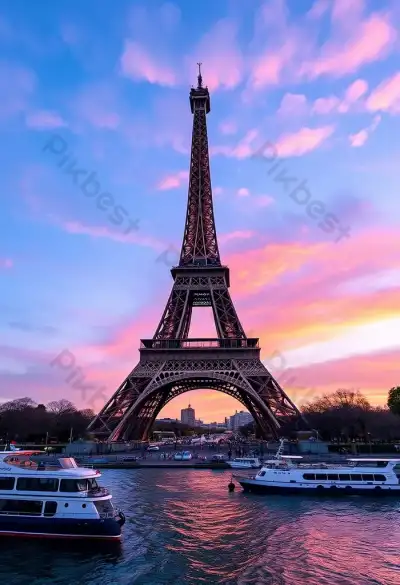
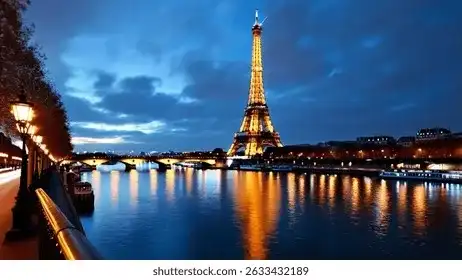
Although the Eiffel Tower is open year-round, early morning visits are best if you wish to avoid large crowds. Spring and autumn are ideal seasons to visit if you prefer to bypass peak summer tourist volumes. At night, the tower sparkles with golden lights, offering a magical sight.
Weather plays a key role; ascending to the summit on clear days yields far better visibility. Booking your tickets online ahead of time will streamline entry and cut down queue times. Planning a morning visit also takes advantage of favorable sunlight for photography.
Things to Do Around Champ de Mars
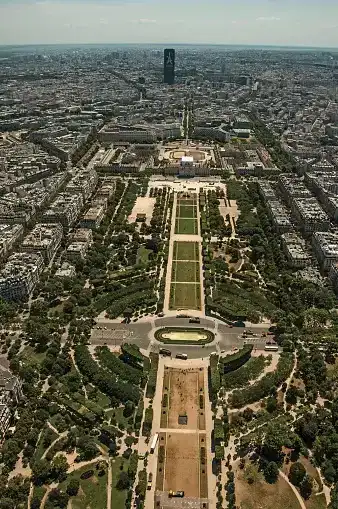
The Champ de Mars, where the Eiffel Tower stands, is a beautiful green space perfect for a stroll. Walking along the park allows you to photograph the structure from various angles and perspectives. Nearby cafes and bistros provide pleasant spots to relax while enjoying views of the tower.
Just across the river lies the Place du Trocadéro, renowned as one of the premier spots for photographing the Eiffel Tower. Walking along the banks of the Seine is a classic Parisian experience. Other famous landmarks, such as the Arc de Triomphe and the Champs-Élysées, are only a few metro stops away.
Best Spots for Photography
Located directly across the river, Place du Trocadéro offers perhaps the classic postcard angle of the Eiffel Tower. While busy with photographers throughout the day, the view is well worth it. Riverbank shots along the Seine also yield striking and unique perspectives of the iron lattice.
Photos taken from inside the tower itself create memorable keepsakes. Angles captured from the elevators or open-air observation decks showcase Paris from a fresh perspective. Sunset shots, evening illuminations, and twinkling city lights each bring their own distinct atmosphere to your photos.
How Much Time to Allocate
Allocating half a day is sufficient to fully experience the Eiffel Tower. Allowing 2 to 3 hours gives you comfortable time to ascend the levels, explore the exhibits, and take photos. Having your tickets pre-booked will minimize wait times at the security and elevator queues.
If you are spending several days in Paris, schedule your Eiffel Tower visit early in your trip. This guarantees flexible timing for optimal lighting and exploration. You might also consider returning at night, when the illuminated tower presents a completely different charm.
Dining Options
The Eiffel Tower houses several dining options within its structure. The first floor offers casual counter-service options for quick bites, while upper-level restaurants offer fine dining menus accompanied by premium pricing. Since dining inside can be expensive, grabbing a meal nearby beforehand is a budget-friendly option.
Restaurants around the Champ de Mars cater to visitors seeking views of the tower. Having a picnic in the park is also wildly popular; pick up sandwiches, local cheeses, and wine from nearby bakeries and shops to enjoy on the grass. Small cafes along the Seine offer relaxed meals at more modest prices.
Important Tips for Visitors
Because the Eiffel Tower attracts large crowds, pickpocketing can occur in the surrounding area. Keep your wallet secure and avoid displaying valuables openly. Purchasing tickets in advance from official online channels reduces queue times and protects against unauthorized ticket sellers.
The high-speed elevators travel quickly, which can occasionally feel disorienting due to rapid altitude shifts. If you prefer, you can opt to walk up the stairs, at least for the lower levels. Always check local weather forecasts, as high winds may temporarily restrict access to the summit platform.
Budget Planning
Ticket prices vary depending on the season, age category, and access level. Always check official sources for the latest pricing. Generally, taking the elevator to the summit costs more, whereas taking the stairs to the second floor is a more affordable option. Discounted rates are available for children and youth.
Night visits and guided tours may carry higher price tags, though guided packages can offer valuable context. Dining at establishments directly surrounding the landmark can be pricey, so packing a picnic or dining further out helps keep costs down.
Suggested Visiting Route
Begin your visit at Place du Trocadéro to capture classic panoramic photos of the tower. Head over to the entrance and take the elevator or stairs to the first floor to explore historical displays about the structure. Continue to the second floor for breathtaking views and comfortable walking space.
Ascend to the summit to take in panoramic vistas of the entire city. Use the orientation maps to spot landmark locations around Paris. Afterward, stroll along the banks of the Seine toward the Arc de Triomphe. If evening falls, end your day watching the Eiffel Tower light up from Trocadéro or a river cruise.
Where to Stay
The 7th arrondissement, home to the Eiffel Tower, is one of Paris's most charming and quiet residential districts. Staying in a nearby hotel often guarantees views of the tower right from your window. The neighborhood features elegant streets, museums, and excellent dining options, though accommodation costs tend to be higher.
For more budget-friendly alternatives, look for hotels a few metro stops away. Vibrant neighborhoods like the Latin Quarter (5th arrondissement) or Saint-Germain-des-Prés (6th arrondissement) offer lively atmospheres and distinct charm. Ensure your chosen hotel is located close to a metro line for easy commuting.
Shopping and Souvenirs
Gift shops inside and around the Eiffel Tower sell miniature models, postcards, magnets, and branded merchandise. Prices directly at the monument tend to be higher; you can find more affordable options in shopping districts like Montmartre.
The Avenue des Champs-Élysées, world-famous for shopping, is located within easy reach of the tower. Featuring global brands alongside luxury boutiques, it offers a premier retail experience. If you are looking for unique gifts, explore local boutiques in quieter neighborhoods for authentic items.
This content originates from neresigezilir.com and may not be copied without permission.
Eiffel Tower Videos
Eiffel Tower videos load when you open this section to keep the page fast.
Show videos
FAQ
Updated: