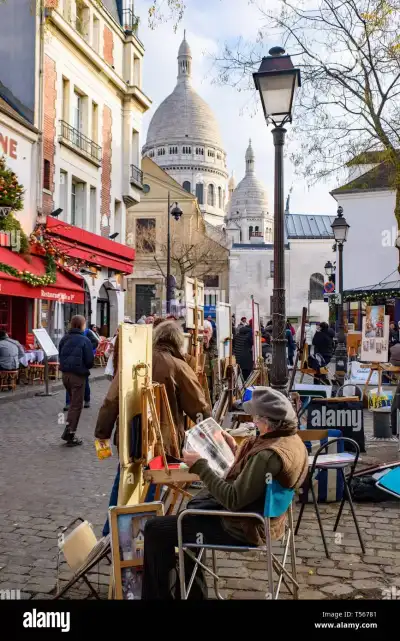
Montmartre is a historic neighborhood located in Paris's 18th arrondissement. An independent village until 1861, it served as an inspiration for world-famous artists like Picasso and Van Gogh. Today, it is best known for the Sacré-Cœur Basilica, narrow cobbled streets, the Place du Tertre art market, and its romantic bohemian vibe.
Montmartre is a neighborhood perched atop Paris's highest hill, which remained an independent village until 1861. Often referred to as the Hill of Poets or Lovers' Hill, it became an artistic hub in the 19th and 20th centuries, inspiring legendary artists such as Picasso, Van Gogh, and Toulouse-Lautrec. Today, with its narrow cobblestone streets, colorful buildings, and vibrant artistic scene, it stands as one of the most charming districts in Paris.
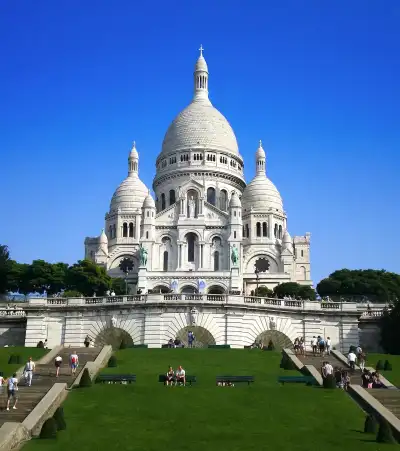
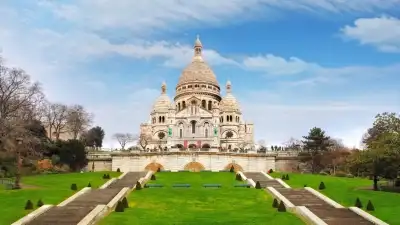
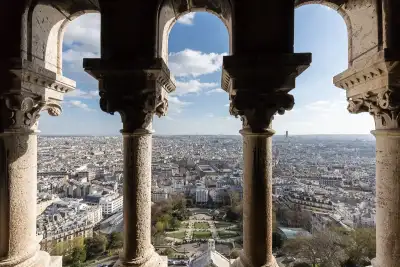
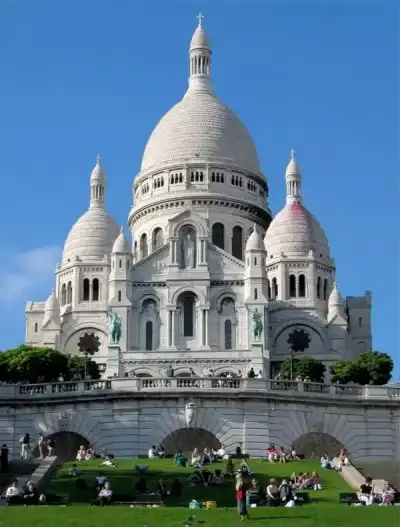
The defining symbol of Montmartre is the Sacré-Cœur Basilica, located at the peak of the hill. This majestic white church is one of Paris's most striking monuments, renowned both for its spiritual significance and architectural magnificence. The grand staircase leading up to the basilica offers one of the finest panoramic views of the city, especially breathtaking at sunset.
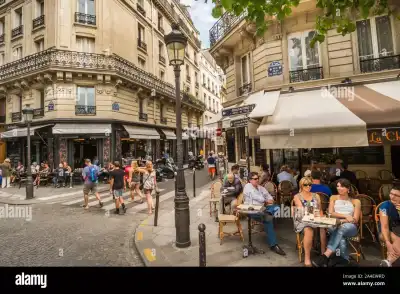
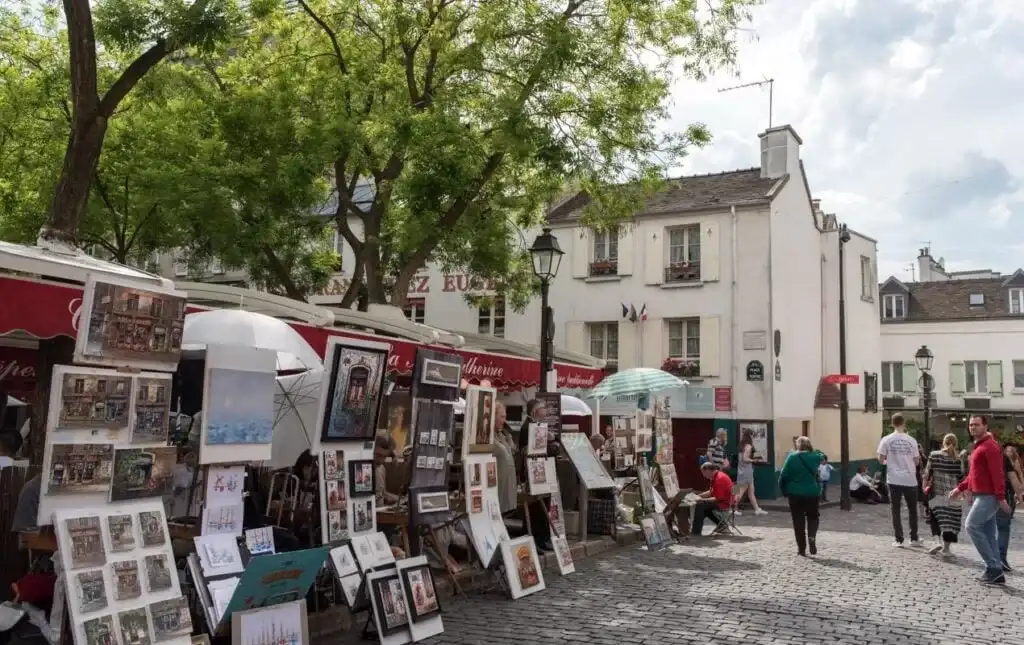
Strolling through the neighborhood, you can have your portrait painted by local artists at Place du Tertre, admire love declarations in hundreds of languages on the Wall of Love (Le Mure des Je t'aime), and visit iconic filming locations from the movie Amélie. Walking routes starting from Abbesses station are ideal for discovering authentic neighborhood culture and local life. Relaxing in a small sidewalk café to watch Parisian everyday life pass by is one of Montmartre's greatest pleasures.
Guide's Note
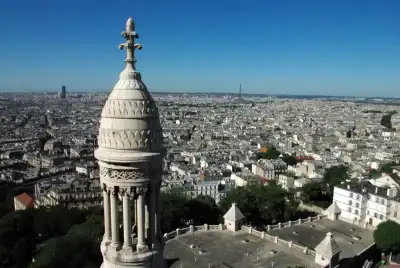
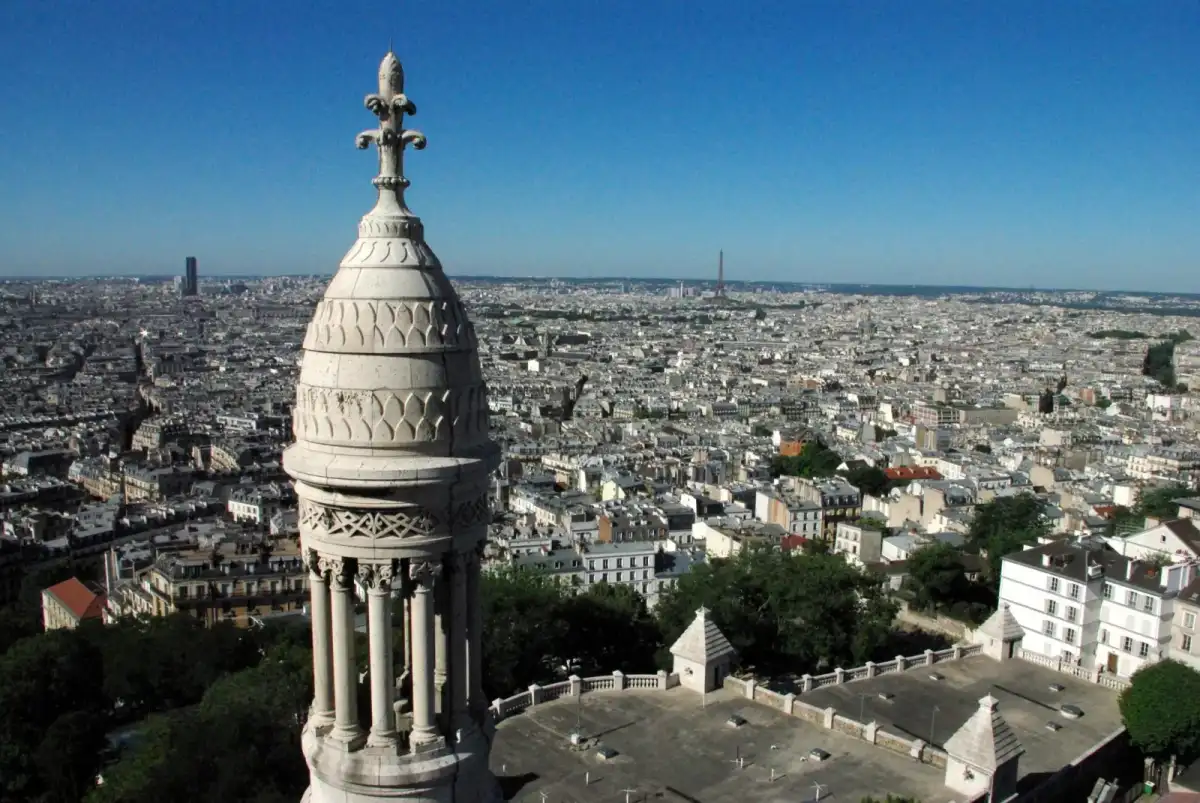
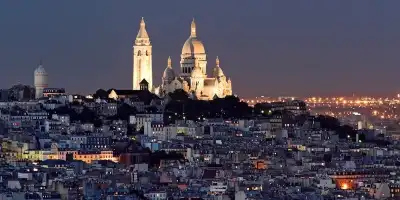
Situated atop Paris's highest natural point, Montmartre offers visitors extraordinary panoramic views of the city skyline. Travelers frequently highlight the sweeping vistas from the top of the hill, where major landmarks across central and western Paris can be spotted at a single glance. Many reviews emphasize that visiting both during the day and at night provides entirely distinct, memorable experiences.
The area boasts a lively, festive atmosphere: street musicians, local painters, and enthusiastic crowds add vibrant energy to the public squares. Exploring the basilica and wandering through neighboring alleyways are universally recommended activities. Climbing the 300 steps up to the basilica dome for around 8 Euros rewards visitors with a sweeping 360-degree view of Paris; travelers note that while the climb is physically demanding, the perspective is well worth the effort. Nearby bistros and cafés also receive high praise.
While general visitor feedback is overwhelmingly positive, please keep the following point in mind based on traveler experiences:
- Dome climb: Reaching the dome requires walking up roughly 300 steep steps. It can be challenging for visitors with mobility limitations or those unprepared for a strenuous uphill walk.
Montmartre: Paris's Hill of Art and Romance
Montmartre is a neighborhood in the heart of Paris renowned for its profound historical and cultural heritage. Operating as an independent village distinct from Paris until 1861, this hilltop quarter remains one of the capital's most enchanting destinations. Having inspired legendary artists such as Picasso, Van Gogh, and Toulouse-Lautrec, Montmartre retains an energetic, boisterous bohemian spirit to this day.
As you wander through its winding cobbled lanes, artist studios, quaint cafés, and historic building facades allow you to experience authentic Parisian charm. From the open-air painting market at Place du Tertre to the spectacular vistas from the Sacré-Cœur Basilica, virtually every corner presents a picture-perfect photo opportunity.
Best Time to Visit Montmartre
Spring and autumn are the ideal seasons to explore Montmartre. From April to May or September to October, temperatures are mild, crowd levels are reasonable, and you can easily enjoy watching street artists at work. Summer brings peak tourist numbers; if you prefer a quieter experience, it is best to avoid July and August.
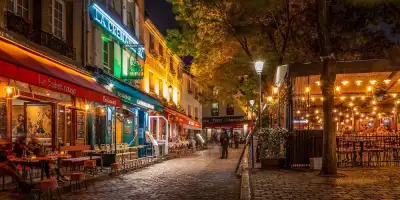
Time of day also plays an important role. Arriving early in the morning allows you to experience the main squares and the basilica without heavy crowds. In the evening, the area adopts an entirely different charm as bistro lights turn on and the streets feel decidedly romantic. Watching the sunset over Paris from Montmartre is often a highlight of any trip.
How to Get to Montmartre
Taking the Paris Metro is the most convenient way to reach Montmartre. You can take Metro Line 2 to Anvers station or Metro Line 12 to Abbesses station. Both stations are strategically located for starting your walking tour. Beginning at Abbesses gives you quick access to nearby attractions like the Wall of Love (Le Mur des Je t'aime).
Public buses are another option, with several routes serving the base of the hill and surrounding areas. If you wish to avoid climbing the steep flights of stairs leading up to Sacré-Cœur, you can ride the Montmartre Funicular train to save energy for sightseeing at the top.
Getting Around Montmartre
The chief appeal of Montmartre is best discovered on foot. A walking tour starting from Abbesses takes you past the Wall of Love, Au Café des Deux Moulins (famous from the movie Amélie), charming narrow alleyways, local bistros, and small boutique shops. Each step leads you higher up the hill, opening up increasingly grand views of Paris.
Place du Tertre lies at the heart of the hill, right near Sacré-Cœur. Artists and painters have gathered here for generations to draw portraits and display oil paintings. The neighborhood also features several museums preserving its artistic heritage. Getting delightfully lost in Montmartre's quiet side streets is part of the magic; setting aside rigid itineraries to craft your own route often proves most enjoyable.
How Long to Spend in Montmartre
Half a day is generally sufficient for covering Montmartre's main highlights. Visiting the Sacré-Cœur Basilica, lingering around Place du Tertre, and wandering the main streets takes about 3 to 4 hours. However, if you want to dive deeper into the neighborhood's history and discover its hidden corners, allocating a full day is highly recommended.
For a general Paris itinerary, fitting Montmartre into the afternoon of your second day is a popular choice. If you intend to visit local museums, attend a cabaret show, or tour historic artist studios, you will benefit from extra time. Staying overnight in the neighborhood is also a great option to fully soak in its bohemian nightlife.
Suggested Walking Itinerary
Start your walk at Abbesses Metro station and visit the Wall of Love nearby. From there, head toward Au Café des Deux Moulins, famous for its iconic appearance in the film Amélie and a great spot for photos. Wind your way up the scenic streets to reach Place du Tertre. Explore the outdoor art market before catching your first glimpse of the magnificent Sacré-Cœur Basilica.
After admiring the interior of the basilica (or taking photos of its white exterior), find a spot on the steps to enjoy panoramic views of Paris as the sun sets. On your way down, visiting the Musée de Montmartre or heading toward the Moulin Rouge to learn about French cabaret history can be fascinating. Finally, complete your route with a traditional French dinner at a cozy local bistro.
Best Photo Spots in Montmartre
The Sacré-Cœur Basilica is the primary landmark and top photo subject in Montmartre. Shots taken from the front courtyard and down the grand steps are iconic classic scenes. The bustling perimeter of Place du Tertre, filled with painters and easels, offers quintessential Parisian postcard imagery. Rue Lepic, along with hilly side streets and historic facades, provides picture-worthy moments around every bend.
The Wall of Love (Le Mur des Je t'aime), decorated with declarations of love in hundreds of languages, is perfect for romantic photos. The funicular railway line also makes a picturesque subject as you head down the hill. Capturing the Paris skyline at sunset from the hill's summit will surely be among your most cherished travel keepsakes.
Where to Stay in and Around Montmartre
Staying directly in Montmartre is the best way to immerse yourself in the neighborhood's bohemian vibe. The area offers hotels, apartment rentals, and guesthouses across various price ranges. While the streets surrounding Abbesses and Place du Tertre can be lively and tourist-heavy, quieter residential side streets are located nearby. The Pigalle area just to the south also offers budget-friendly accommodation alternatives.
Even if you choose not to lodge in Montmartre, you can easily reach the area via metro in 10 to 15 minutes from central districts like Châtelet, Les Halles, or Le Marais. Regardless of where you stay, reserving time to explore Montmartre during late evening hours will reward you with a unique Parisian experience.
Food & Drink in Montmartre
Dining in Montmartre means discovering classic and regional French cuisine. Intimate bistros, traditional crêperies, and pastry shops tucked away in side streets serve delicious fare that caters to locals and travelers alike. While restaurants directly lining Place du Tertre offer scenic outdoor seating, venturing a block or two away often yields more authentic dining experiences.
Au Café des Deux Moulins, made famous by the movie Amélie, offers a delightful Parisian café atmosphere. Historic cabarets near Moulin Rouge provide combined dinner and stage show packages. Budget-friendly dining options are also abundant; purchasing fresh baguette, cheese, and wine from local bakeries (boulangeries) and cheese shops (fromageries) for a hilltop picnic is a memorable Parisian tradition.
Shopping in Montmartre
Place du Tertre is the premier spot for art and local handicrafts. Here, painters sell original works directly, offering on-the-spot portrait drawings and oil paintings. Souvenir shops around the square sell Montmartre- and Sacré-Cœur-themed keepsakes, postcards, and gifts, though prices can skew higher for tourists. Rue Lepic and adjacent side streets feature charming antique stores, independent bookstores, and local boutiques.
For more budget-friendly options, visit local neighborhood markets on weekends to browse artisanal products, vintage goods, and specialty foods. Exploring traditional bakeries and cheese shops is one of the most delicious shopping activities in France. When shopping in Montmartre, look beyond standard tourist souvenirs to discover genuine local shops.
Montmartre Visit Budget Estimate
Exploring Montmartre's open-air streets, Place du Tertre, and entering the main nave of the Sacré-Cœur Basilica is completely free of charge. Accessing special areas such as the basilica dome requires a ticket; check official websites for up-to-date pricing. Cabaret performances (like the Moulin Rouge) and museum entries require paid tickets, which should be factored into your travel planning.
Prices for food and coffee are reasonable: expect around 2 to 4 Euros for a cappuccino and 5 to 8 Euros for a bakery sandwich. Restaurants in immediate tourist hubs can be pricey, whereas stepping off the main thoroughfares yields more affordable menus. Daily expenses for food, drinks, and shopping typically range between 50 and 150 Euros per person depending on your preferences.
Tips & Things to Keep in Mind
Because Montmartre is built on a steep hill with uneven cobbled streets, comfortable walking shoes are essential. Climbing the exterior staircases can be physically taxing; consider using the Montmartre Funicular if you prefer to save your energy. As in many major tourist hotspots in Paris, pickpocketing can occur near crowded landmarks; keep your valuables secure and avoid keeping items in back pockets.
Be cautious of overly aggressive street vendors near the steps of Sacré-Cœur trying to sell wristbands or souvenirs. If you choose to have your portrait painted at Place du Tertre, always agree on the price before the artist begins. While Paris is generally very safe, staying mindful of your surroundings ensures a smooth visit.
This content originates from neresigezilir.com and may not be copied without permission.
Montmartre Videos
Montmartre videos load when you open this section to keep the page fast.
Show videos
FAQ
Updated: