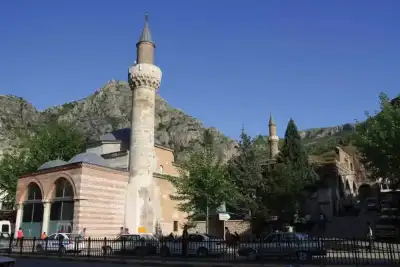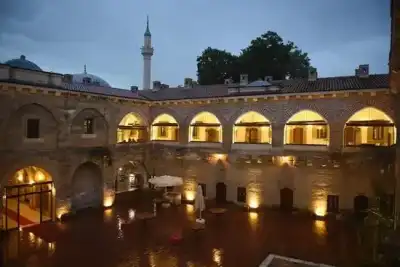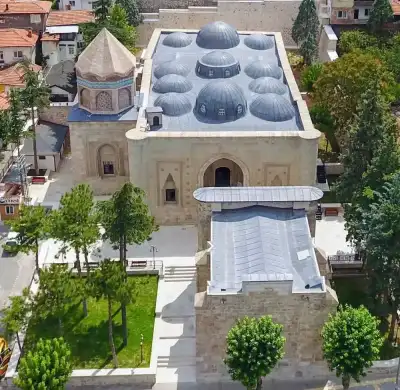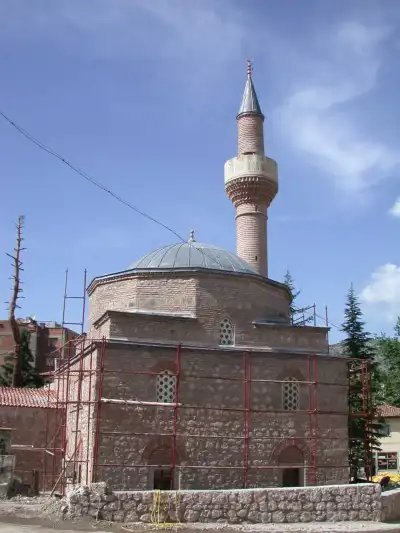
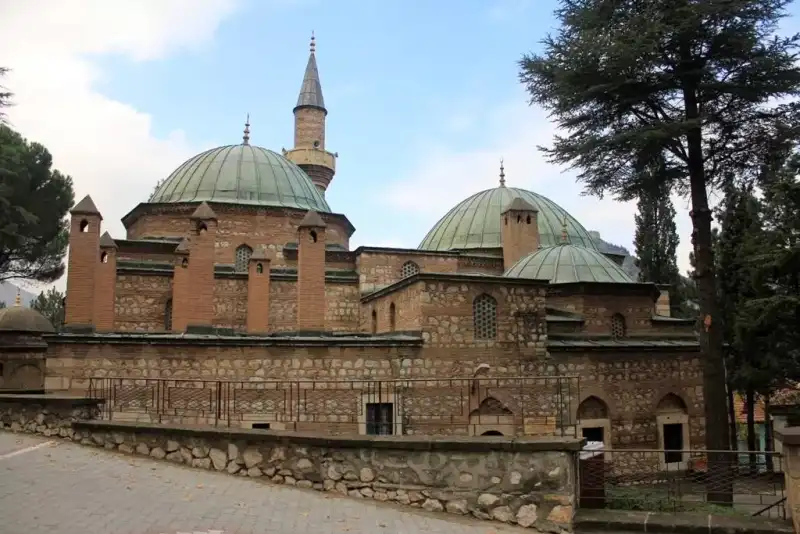
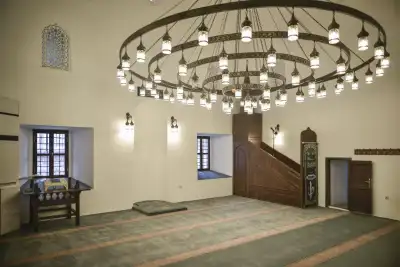
Yakup Pasha Çilehane Mosque is a historic Halveti Sufi lodge built in 1413 by Yakup Pasha during the reign of Sultan Mehmed I, located opposite the King Rock Tombs in Amasya. Featuring Ottoman architecture, the building is actively used as a mosque today and entry is free.
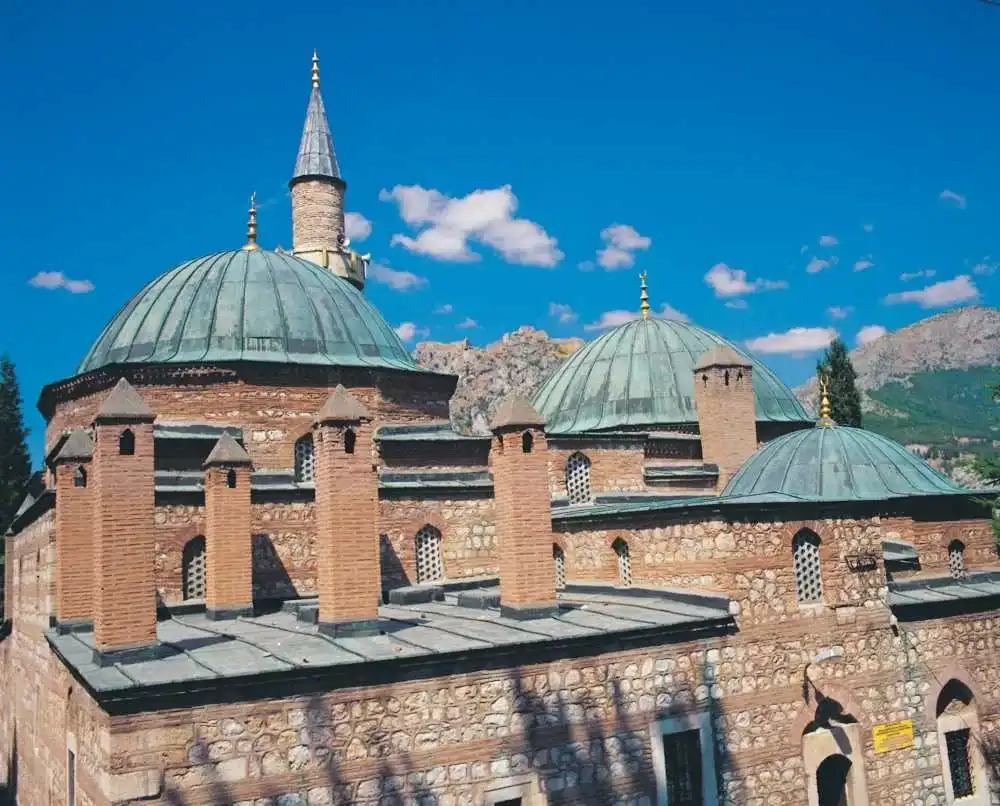
The Çilehane Mosque takes its name from the small seclusion cells inside. Built in 1413 by Yakup Pasha, one of Sultan Mehmed I's commanders, the structure was not originally designed as a mosque, but constructed as a Halveti Tekke (Sufi lodge). Seclusion rooms where dervishes temporarily withdrew from the world for spiritual discipline, a prayer hall, and a tomb combine under a single domed structure.
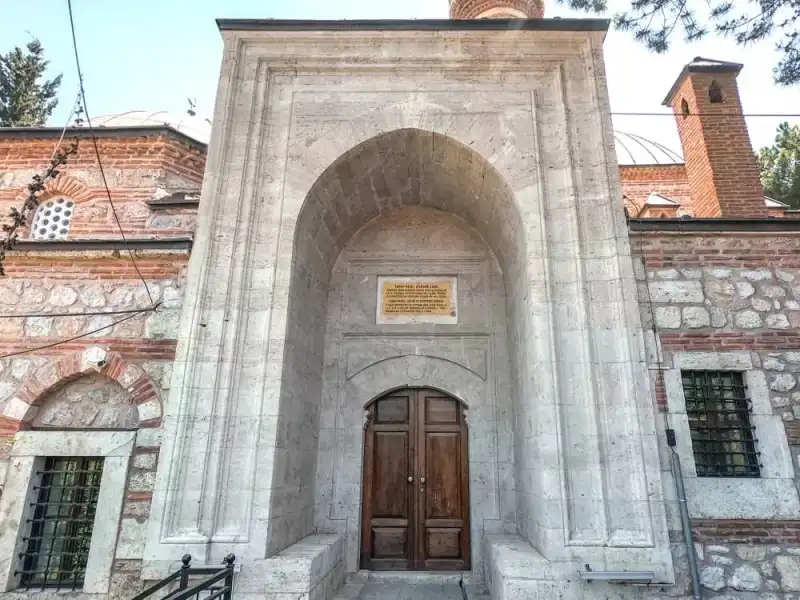
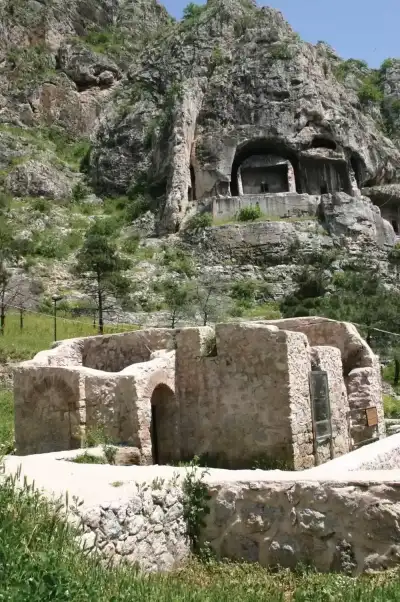
Entering through the large arched cut-stone iwan portal on the west side, you are greeted by the prayer hall and seclusion cells reached through narrow passages on the right, and the tomb and tekke section on the left. Most visitors describe this partitioned layout as a unique mosque form unlike any they have seen before. The tomb of Sheikh Abdurrahman lies inside, while Yakup Pasha's tomb stands outside on the west side. Severely damaged in the 1939 earthquake, the building was restored by the General Directorate of Foundations in 1964.
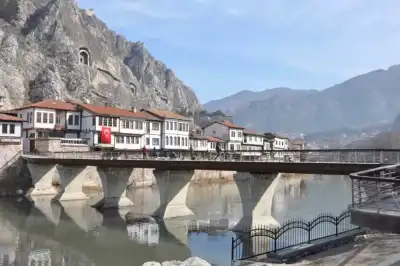
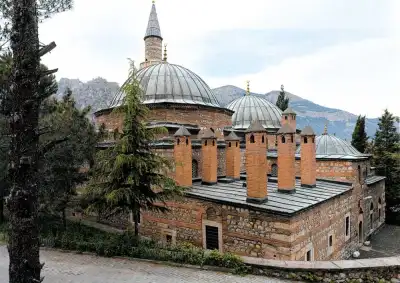
The structure is nestled at the foot of Mount Harşena, inside a neighborhood featuring Amasya's traditional old houses, within walking distance of the city center. The mosque remains active today with regular congregation prayers. Right above it lies Pirler Park, an area serving as a tea garden and restaurant.
Guide's Note
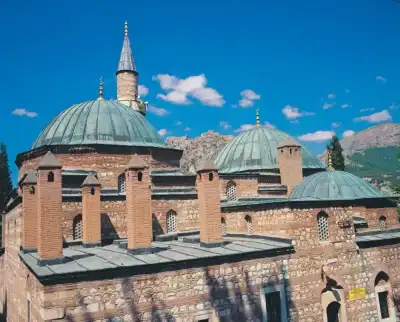
Yakup Pasha Çilehane Mosque is a unique structure built in 1413 during the Ottoman period, set against the cliffside at the foot of Mount Harşena in Amasya. Visitors highlight that the main attraction inside is the small, dim seclusion cells (çile cells), which were historically used by dervishes for spiritual retreats and worship. The complex integrates a seclusion house, dervish lodge, dhikr area, and prayer room under one roof. Today, it continues to serve as an active mosque for daily prayers and spiritual retreats (itikaf).
Inside the mosque lies the Tomb of Sheikh Abdurrahman, while Yakup Pasha's Tomb stands in a separate structure within the garden. The garden features mature trees, seating areas, and a dedicated women's section. Located within walking distance of the city center, the mosque sits just below Pirler Park. Most visitors to Amasya regard it as one of the city's most historically and spiritually captivating landmarks.
While visitor reviews are overwhelmingly positive, keep the following points in mind before visiting:
- The building is located on an incline with narrow passages, which may present access challenges for visitors with limited mobility.
- The inner seclusion cells are quite small and dimly lit; visitors who feel uncomfortable in enclosed spaces should take note.
- There are no complaints regarding cleanliness or maintenance in existing reviews, but given the limited number of reviews, experiences may vary.
Story of the Building
Çilehane Mosque was built in 1413 by Yakup Pasha, one of Sultan Mehmed I's commanders. Although known today as a mosque, it was originally a tekke (Sufi lodge) consisting of seclusion cells used by dervishes for worship, contemplation, and self-discipline. The walls are constructed with alternating layers of rubble stone and brick, featuring marble-framed windows with brick arches. Heavily damaged in the 1939 earthquake, it was restored to its current state by the General Directorate of Foundations in 1964.
What to See Inside
Entering through the western gate, you will find the prayer hall and small passages leading to the seclusion cells on the right, and the tomb and tekke section on the left. Sheikh Abdurrahman's tomb is located in a separate section inside the mosque, while Yakup Pasha's tomb stands outside on the west side. Visitors describe this partitioned structure as a unique mosque unlike any other, with small study rooms and retreat cells drawing particular interest.
Best Time to Visit
Since it is an active place of worship, hours outside prayer times offer a quieter experience. Friday prayer times can be crowded, though some visitors specifically choose to perform Friday prayer here. Daytime hours provide better light for viewing the interior and taking photographs.
How to Get There
Located close to Amasya city center in Mehmet Paşa Neighborhood. It takes about a 10-minute walk from the city square. Set on an elevation at the foot of Mount Harşena on the eastern side of the city, the walk involves a slight uphill incline.
Around the Mosque
Pirler Park is located right above the mosque; serving as a tea garden and restaurant, it makes a pleasant follow-up stop. The surrounding neighborhood preserves Amasya's historic traditional houses, giving you a chance to admire these historic homes while exploring around the mosque.
Things to Keep in Mind
Because it is an active place of worship, visitors should wear modest clothing and remove their shoes upon entering. It is important not to disturb the congregation during prayer times. Since there are tombs inside, maintaining a quiet demeanor is recommended.
How Much Time to Spend
The structure itself is small; 20-30 minutes is enough to explore the interior and the seclusion cells. If you wish to sit for tea at Pirler Park, you can extend your visit to an hour.
This content originates from neresigezilir.com and may not be copied without permission.
FAQ
Yakup Pasha Çilehane Mosque videos load when you open this section to keep the page fast.
Updated: