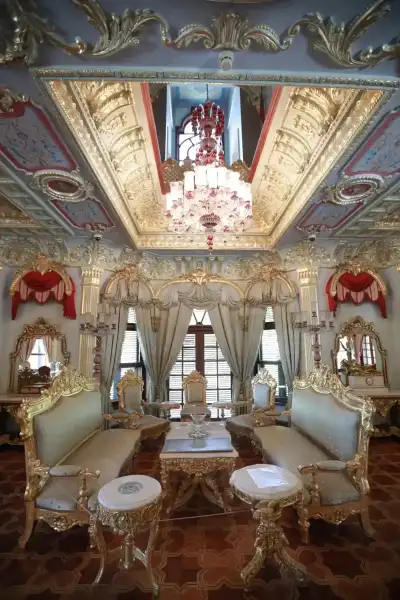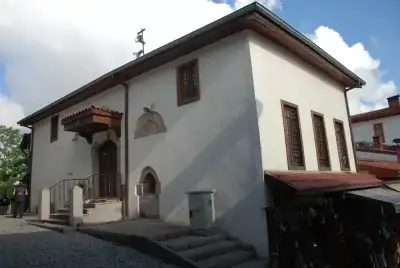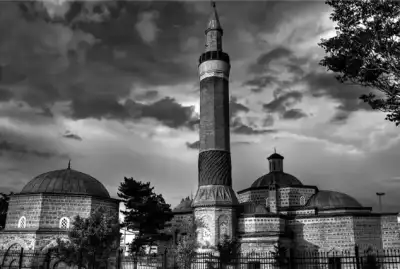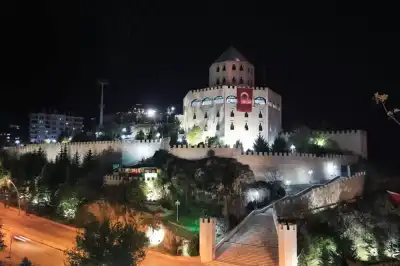
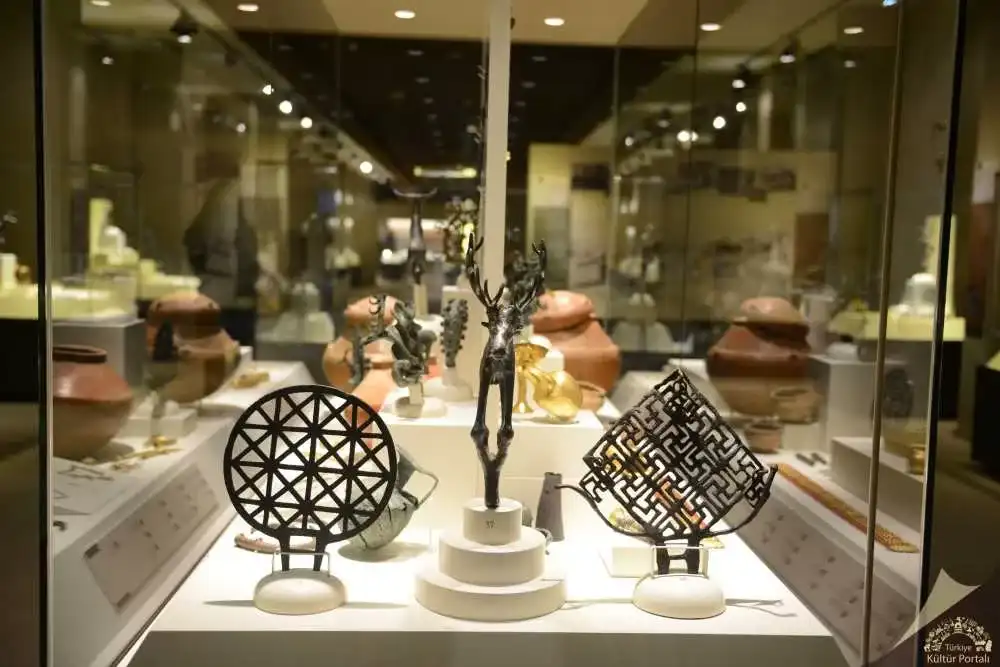
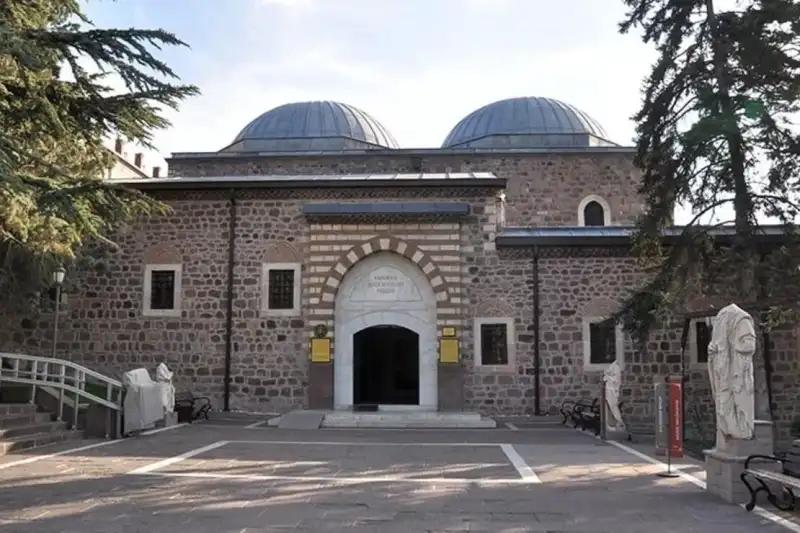
The Museum of Anatolian Civilizations is an archaeology museum located next to Ankara Castle in Ulus, Ankara, displaying over 194,000 artifacts from the Paleolithic Age to the Iron Age inside restored Ottoman market buildings.
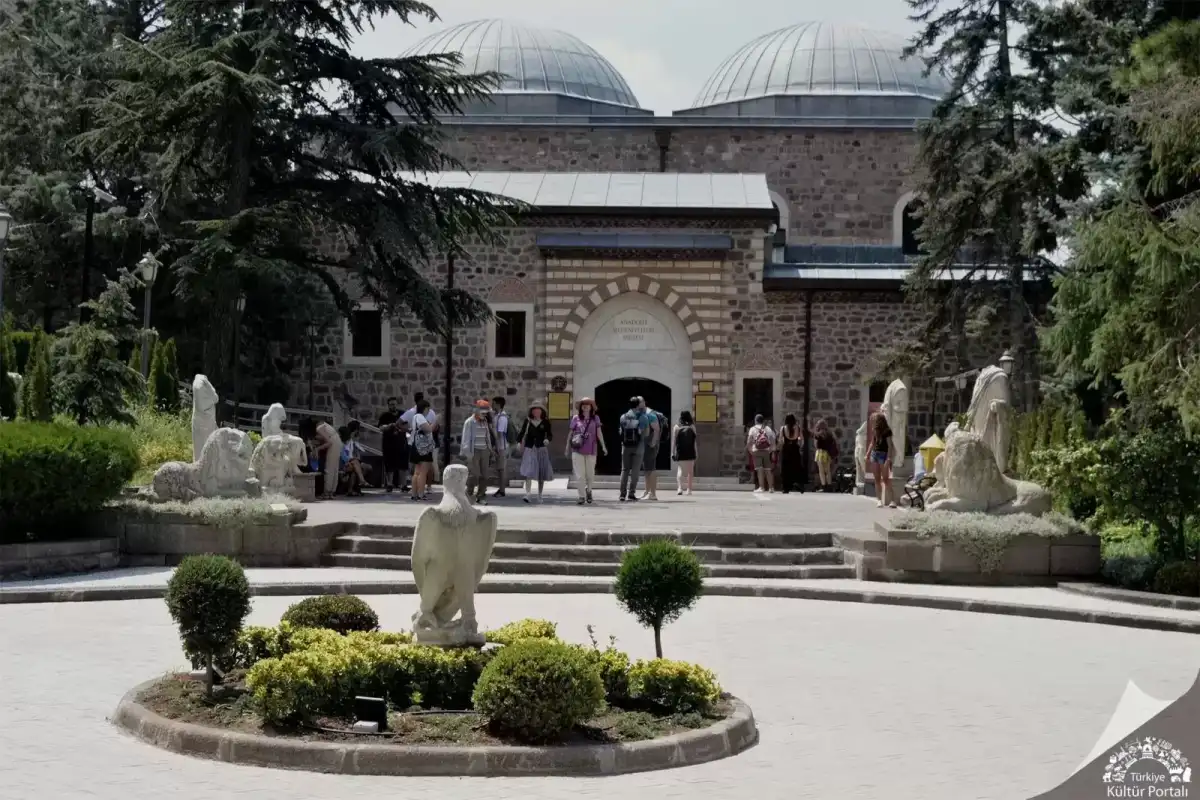
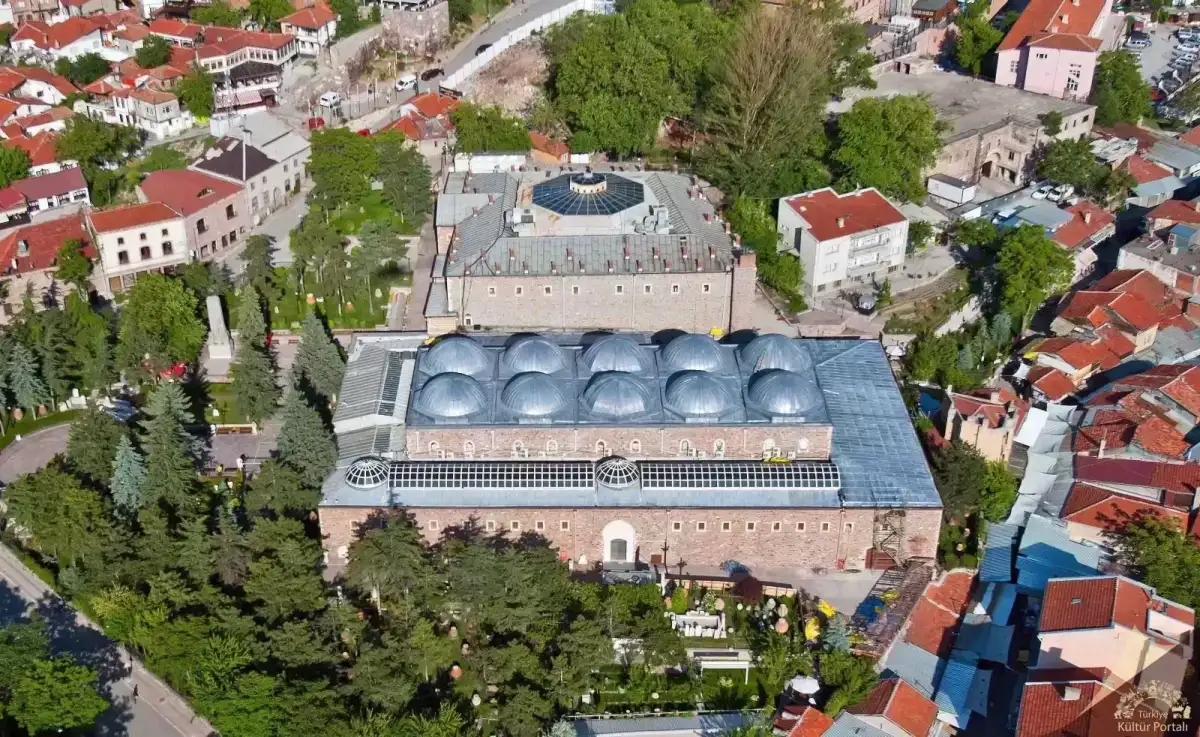
The iconic Museum of Anatolian Civilizations (Anadolu Medeniyetleri Müzesi) is housed in two historic Ottoman buildings leaning against the southeastern outer wall of Ankara Castle in the Ulus district: the 15th-century Mahmut Paşa Bedesteni (covered bazaar) and the adjacent Kurşunlu Han. Meticulously restored in the 1990s and transformed into a museum, these structures serve as historic monuments themselves alongside the extraordinary collection they house.
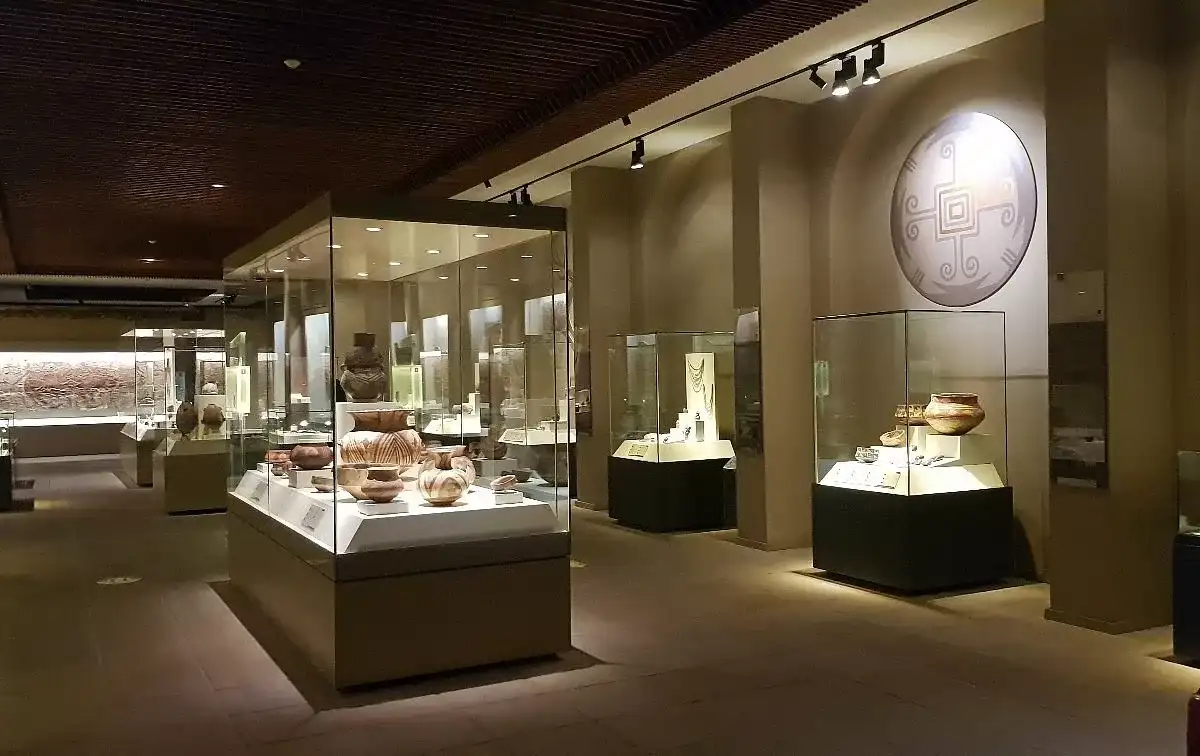
The roots of the museum date back to 1921, following Mustafa Kemal Atatürk's direction to establish a Hittite museum in the nation's new capital. Since then, artifacts gathered from across the country have been presented in chronological order, allowing visitors to step through time from the Paleolithic Age to the Neolithic, Chalcolithic, Bronze Age, Hittite, Phrygian, Urartian, and Iron Age civilizations. Thanks to this outstanding collection, the museum was awarded the European Museum of the Year Award.
Guide's Note
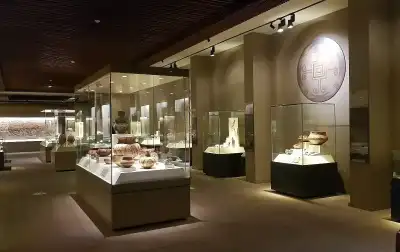
The Museum of Anatolian Civilizations leaves a lasting impression on visitors with its extensive collection spanning from the Neolithic period to the Roman Empire. Hittite artifacts, ceremonial vessels, statuettes, and excavation finds vividly bring Anatolia's layered history to life. Even repeat visitors remark on discovering something new each time they visit.
The layout follows a clear chronological order, making it relatively easy to navigate the collection. Museum Pass holders can enjoy free admission, so bringing your card is recommended. Drawing strong interest from international tourists as well, the museum offers a truly global atmosphere.
Here are a few tips to keep in mind before your visit:
- Some halls are quite large; planning which exhibits to focus on in advance can be helpful given the density of artifacts. Additionally, a section may occasionally be undergoing renovation.
- The museum is located on steep slopes, so getting there without a private vehicle or taxi can be somewhat tiring.
- Indoor temperatures can rise during summer months, so carrying water with you is recommended.
- If you do not hold a Museum Pass, admission fees may feel relatively high.
History and Significance of the Museum
The history of the Museum of Anatolian Civilizations dates back to the founding years of the Republic of Turkey. Initiated in 1921 under Atatürk's direction, efforts gathered momentum to display Hittite artifacts collected from excavation sites across the country in Ankara. Over time, the museum expanded to encompass the heritage of all civilizations that inhabited Anatolia, taking on its modern comprehensive identity.
As of 2019, the collection comprises 194,759 artifacts. The exhibition halls are organized chronologically, allowing visitors to inspect finds starting from the Paleolithic Age through the Neolithic, Chalcolithic, Early Bronze, Assyrian Trade Colonies, Hittite Empire, Phrygian, Urartian, and Iron Age civilizations. Thanks to this unique arrangement and rich collection, the museum earned the European Museum of the Year Award.
When to Visit?
Given Ankara's hot, dry summers and cold, snowy winters, the most comfortable months to visit the museum are April to June and September to October. During these periods, you can also comfortably explore the surrounding historic area of Ankara Castle.
The museum can get busy on weekends and public holidays. For those wishing to avoid crowds, weekday mornings, especially right after opening, offer a much quieter experience. In summer, the cool exhibition halls also serve as a pleasant refuge from the midday heat of Ankara.
How to Get There?
The most practical way to reach the museum is via the Ankara Metro M1 line. Alight at Ulus Station and walk for about 10-15 minutes towards Ankara Castle to reach the museum entrance. Walking through the historic Ulus market area along the way is a great opportunity to soak in the neighborhood's local atmosphere.
EGO city buses also easily reach Ulus. The museum does not have its own parking lot, so visitors coming by car will need to use surrounding paid parking lots. You can also take a taxi or use ride-hailing app services to drop you directly at the entrance.
Suggested Itinerary: Ulus Historic Core
The Museum of Anatolian Civilizations makes a natural starting point for a broader historic walking tour in the Ulus district. After exploring the museum, head up to Ankara Castle located just above to enjoy panoramic city views. Descending from the castle, visiting the ruins of the Roman Baths and the Temple of Augustus turns your day into a time-travel journey from antiquity to the Ottoman era.
For lunch, sample traditional Ankara dishes at local eateries in Ulus. Afterward, complete a full day of Ankara history by adding the nearby Ethnography Museum and Republic Museum to your itinerary.
Photo Spots
The most striking exterior photo angle of the museum is captured from the corner where the stone facade of the Mahmut Paşa Bedesteni is framed alongside the walls of Ankara Castle. Shots taken before noon when light hits the southern face yield especially strong results.
Indoors, the main hall housing the Hittite reliefs offers beautiful frames for photo enthusiasts thanks to its dramatic spotlighting. Phrygian bronze fibulae and belt buckles, alongside Urartian metal vessels, feature intriguing details for macro display photography. As flash photography is not permitted inside the museum, a wide-aperture lens will make shooting easier.
Good to Know Before You Visit
Admission to the museum is free for Museum Pass holders; simply present your card at the entry. For non-pass holders, we recommend checking the Ministry of Culture and Tourism's official price list before visiting, as entrance fees are updated periodically.
Flash photography inside the museum is prohibited. Large backpacks may need to be left at the cloakroom. Audio guide services are available in exhibition halls, offering multiple language options. The museum features a cafeteria and museum shop. While wheelchair accessibility is provided, keep in mind that some passageways may be narrow.
Where to Eat Nearby?
The Ulus district, home to the museum, hosts some of Ankara's most long-standing traditional eateries. Local small restaurants serve traditional specialties such as kelle paça soup, etli ekmek (flatbread with minced meat), and Ankara's signature beyin tava (pan-fried brain). Bakeries around Ulus Square offer Ankara's famous Ankara dessert and various savory pastries.
Alternatively, many museum visitors prefer heading to Kızılay or Çankaya after Ulus to enjoy a wider selection of lunch or dinner options. The small cafeteria inside the museum is sufficient for light snacks and drinks.
This content originates from neresigezilir.com and may not be copied without permission.
Museum of Anatolian Civilizations Videos
Museum of Anatolian Civilizations videos load when you open this section to keep the page fast.
Show videos
FAQ
Updated: