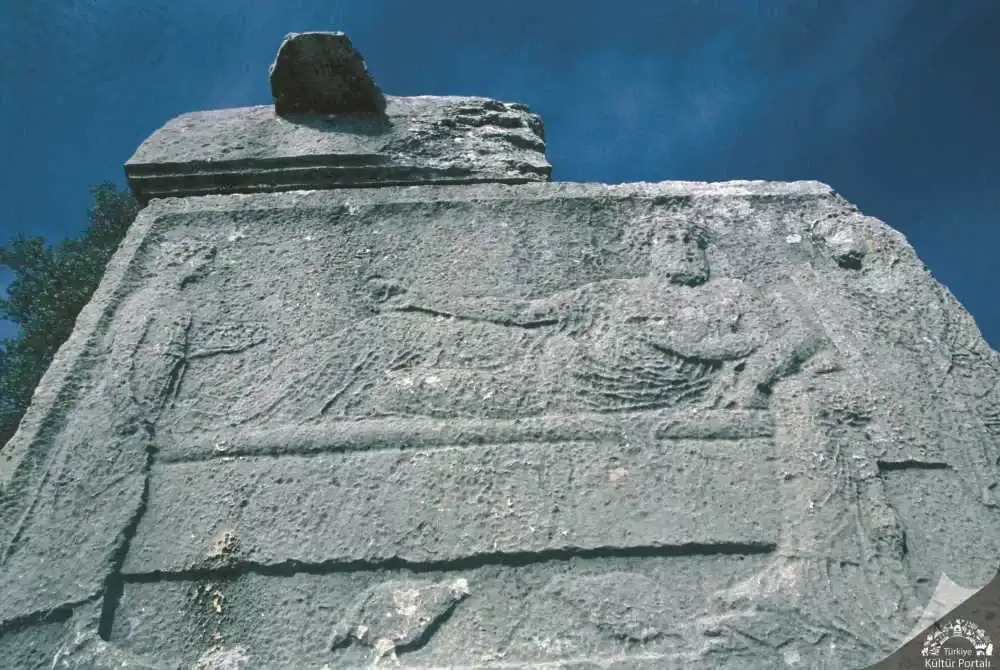
Phellos is an ancient Lycian city located on the Felen Plateau at an elevation of 850–950 meters near Kaş, Antalya; admission is free, and rock-cut tombs alongside remnants of defense walls can be explored.
Phellos is an ancient Lycian city built on a hill commanding its surroundings on the slopes of Mount Felen, northeast of Kaş. Situated between 850 and 950 meters above sea level, the city is today located approximately 2 kilometers from Çukurbağ Village. Antiphellos, which served as the port settlement of Phellos in antiquity, expanded over time to become present-day Kaş. While Antiphellos came to the fore during the Hellenistic period, Phellos gradually declined; this relationship between the two cities was an important dynamic shaping the region's trade and settlement history.
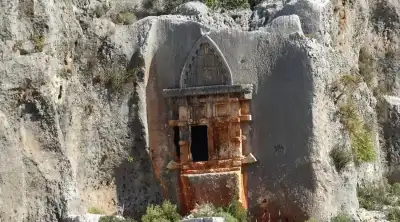
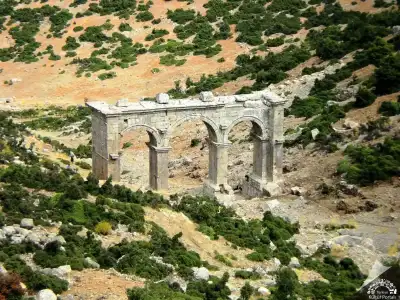
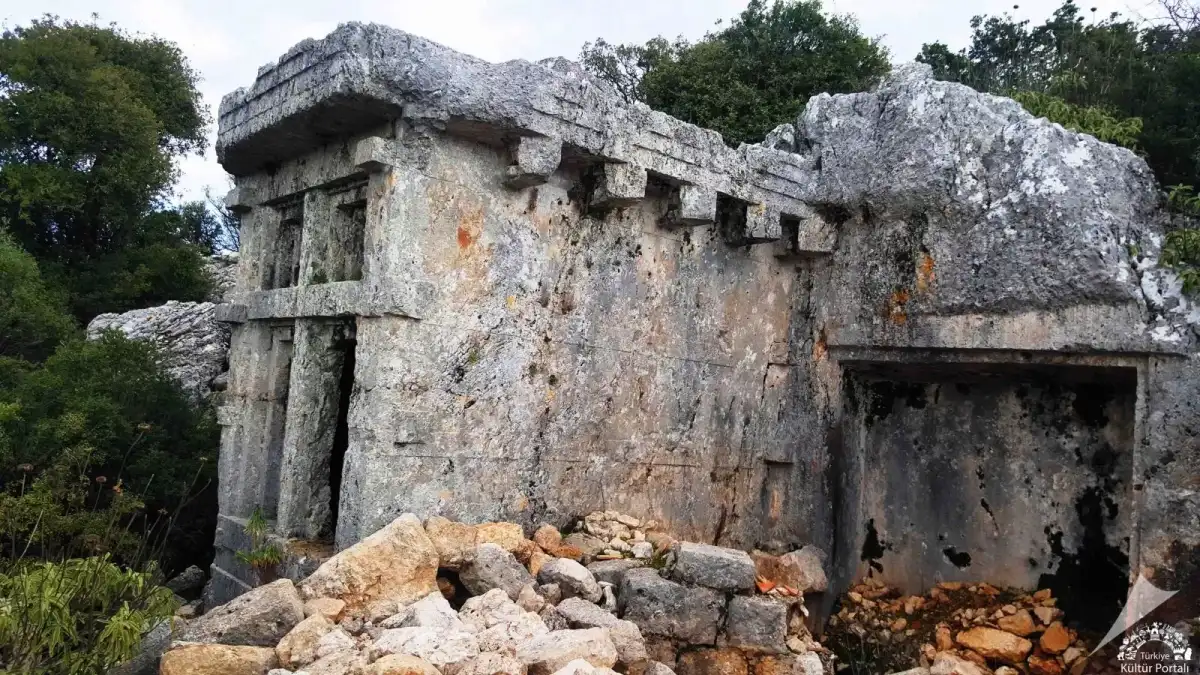
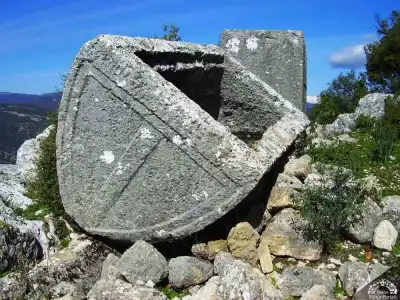
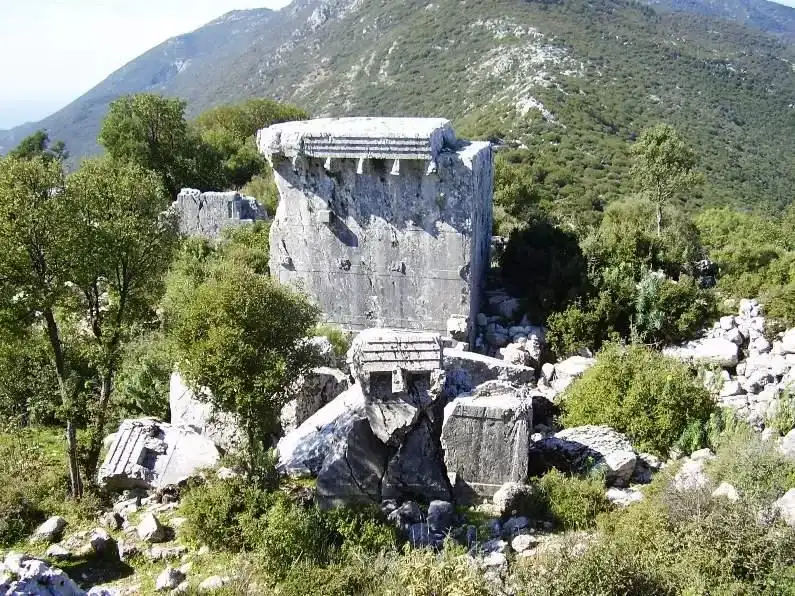
Although the surviving remains in the city are limited, rock-cut tombs, traces of fortification walls, and various architectural fragments from the Lycian period can still be seen. Phellos attracts visitors more for its surrounding mountainous landscape and secluded atmosphere than its archaeological remains. Located on or near the Lycian Way, the city is included in long trekking routes and is a popular stop for nature and history enthusiasts.
Guide's Note
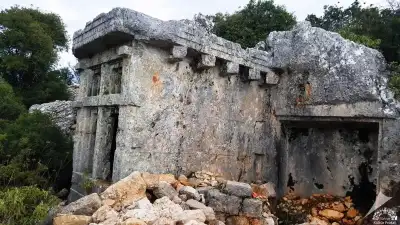
Phellos Ancient City attracts visitors with its historical remains, especially its rock-cut tombs. While several visitors highlight the potential and historical value of the artifacts here, a notable sense of disappointment is also raised regarding the site not being adequately protected and left to its fate. The sheer size of the rock-cut tombs stands out as a particularly impressive detail.
Since no systematic excavations have been conducted, the number of visible artifacts is quite limited compared to other major ancient cities. Keeping this in mind, it is beneficial to adjust your expectations accordingly.
Things to keep in mind:- Navigation apps may direct you to incorrect or misleading locations; asking locals for directions is recommended.
- There are no directional signs at the site; you need to navigate via the Lycian Way route.
- The round-trip trail is approximately 6 km long, quite steep, and passes through bushy, thorny terrain.
- It is recommended to come with suitable hiking clothes and equipment, as well as being physically prepared.
What is Phellos and Where is It?
Phellos is an ancient Lycian city situated on the Felen Plateau near Çukurbağ Village in the Kaş district of Antalya. Perched on a hill leaning against the steep slopes of the Taurus Mountains, the city lies 850 to 950 meters above sea level to the north of Kaş (ancient Antiphellos). With a settlement history dating back to the 7th century BC, Phellos went down in history as one of the small yet long-established cities of the Lycian League.
In antiquity, Phellos and Antiphellos functioned as two complementary settlements: Phellos was the inland center in the mountainous region, while Antiphellos served as its gateway to the sea. During the Hellenistic period, the port city of Antiphellos gained prominence, causing Phellos to gradually lose its importance. The town we know as Kaş today was built over this former port city.
What to See in the City?
The number of surviving structures in Phellos is quite limited; therefore, one should not expect grand monuments or a well-preserved theater. Rock-cut tombs characteristic of the Lycian era, stone traces of defense walls, and various architectural fragments can still be seen. The rock-cut tombs represent one of the most distinctive features of Lycian architecture, reflecting a building tradition frequently encountered in other ancient cities of the region.
The scarcity of ruins does not make Phellos worthless; on the contrary, the sense of discovery here is much stronger. Being able to connect with Lycian history in a quiet atmosphere away from tourist crowds forms the main appeal for many visitors.
Best Time to Visit
The most suitable periods to visit Phellos are spring and autumn. In April and May, the plateau is carpeted with flowers, the weather is cool, and conditions are ideal for hiking. In September and October, summer crowds have dispersed and temperatures have cooled down. Due to the high altitude, temperatures are noticeably lower than on the coast even in summer; however, early morning hours should be preferred as the sun can still be intense.
In winter, roads leading to the Felen Plateau may occasionally be closed or become extremely difficult to navigate. Visitors planning a trip during this period are advised to check weather conditions in advance.
How to Get to Phellos?
The most practical way to reach Phellos is by private vehicle or taxi. After a 15–20 minute drive from Kaş town center toward Çukurbağ Village, you reach the village. From there, you must continue on foot along the trail leading to the ancient city. Sturdy hiking shoes are essential as the path is steep and rough.
Public transportation from Kaş is very limited, with minibus services being irregular and sparse. Hikers along the Lycian Way can incorporate Phellos into their route starting from Kaş or neighboring villages. For those coming from Antalya, Kaş is about a 3-hour drive.
Suggested Itinerary: Combine with Kaş and Surroundings
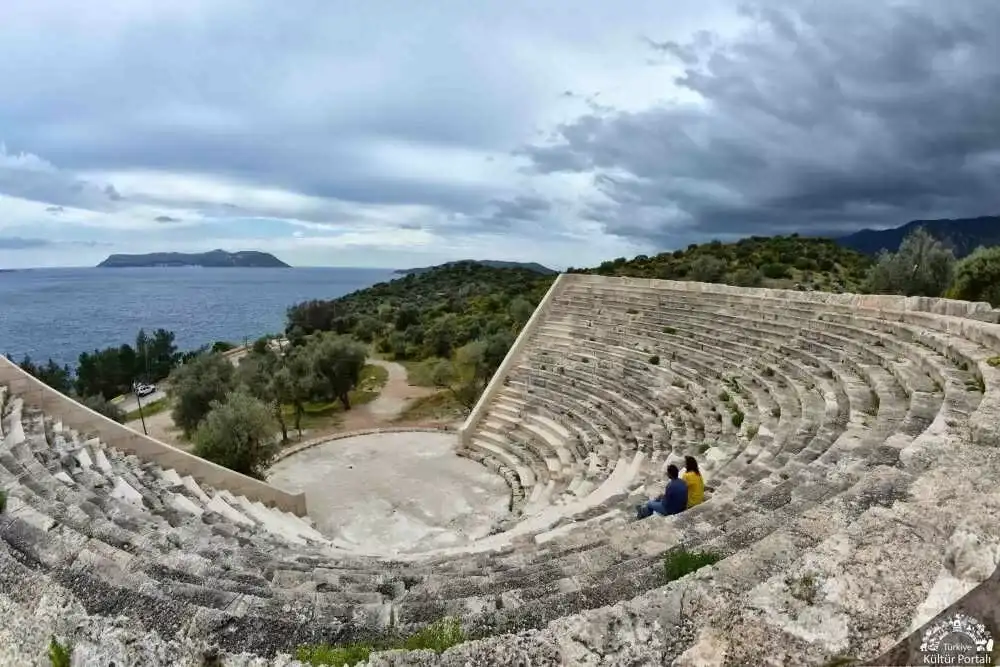
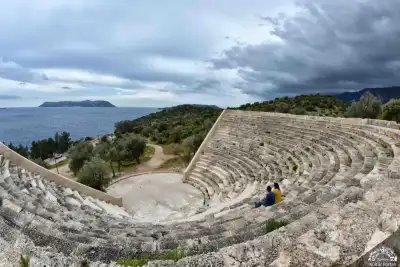
Phellos alone is enough for a half-day visit; however, combining it with other ancient cities in the area makes for a much more fulfilling day. You can head up to Phellos early in the morning and head down to Kaş town center in the afternoon to visit the ruins of ancient Antiphellos, the Kaş Theater, and the harbor area. Kaş is also conveniently located near major Lycian sites such as Kekova, Simena (Kaleköy), and Myra.
For those planning a hike along the Lycian Way, Phellos is a natural part of the trail. Anyone choosing this route is advised to trek with an experienced guide or a reliable map, as signposts on the plateau can be inadequate.
Photography Spots
Phellos's strongest photographic potential comes from its surrounding landscape rather than the ruins themselves. The panoramic view stretching from the broad plateau of Felen toward Kaş and the Mediterranean is remarkably impressive, especially in the morning light. The rock-cut tombs offer captivating architectural details that capture the unique character of Lycian stonework.
During spring, when the plateau is covered with wildflowers, the backdrop becomes even richer; framing the ancient stones alongside the blooming landscape produces wonderful shots. The play of light on the mountains near sunset also presents noteworthy photo opportunities.
Things to Know Before Your Visit
Phellos is an undeveloped, remote ancient city. It is essential to bring sufficient water and snacks before visiting, as there are no cafes or shops nearby. Since the paths are rough and rocky, ascending without high-quality hiking shoes is not recommended.
Cell phone service on the plateau can be weak or nonexistent; downloading route information in advance for offline use is a wise precaution. Sunscreen and a hat are essential to minimize the effects of solar radiation at high altitude. In winter and early spring, be sure to verify weather conditions and road access before setting out.
Where to Eat and Drink?
There are no food or drink facilities in the immediate vicinity of Phellos. Upon returning from your visit, Kaş town center offers a wide variety of dining options. Fresh seafood, Mediterranean mezes, and local breakfast culture stand out in Kaş. Restaurants around the harbor are excellent choices for both scenic views and delicious meals.
For those planning long walks, packing sandwiches, fruit, and plenty of water is both practical and safe. Relaxing at small seaside cafes by the harbor upon returning to Kaş is also a wonderful way to unwind.
This content originates from neresigezilir.com and may not be copied without permission.
Phellos Ancient City Videos
Phellos Ancient City videos load when you open this section to keep the page fast.
Show videos
FAQ
Updated: