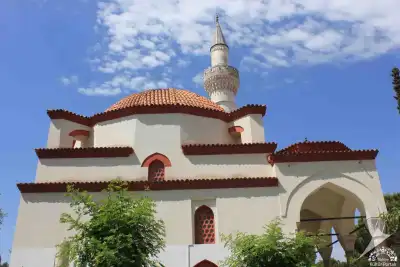
Üveys Paşa Mosque is the oldest surviving Ottoman mosque in Aydın city center, commissioned in 1568–1569 by Üveys Pasha, Governor-General of Egypt. Featuring a square plan and a single dome, entry is free.
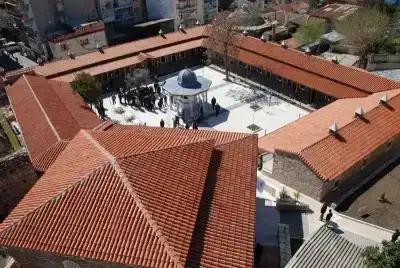
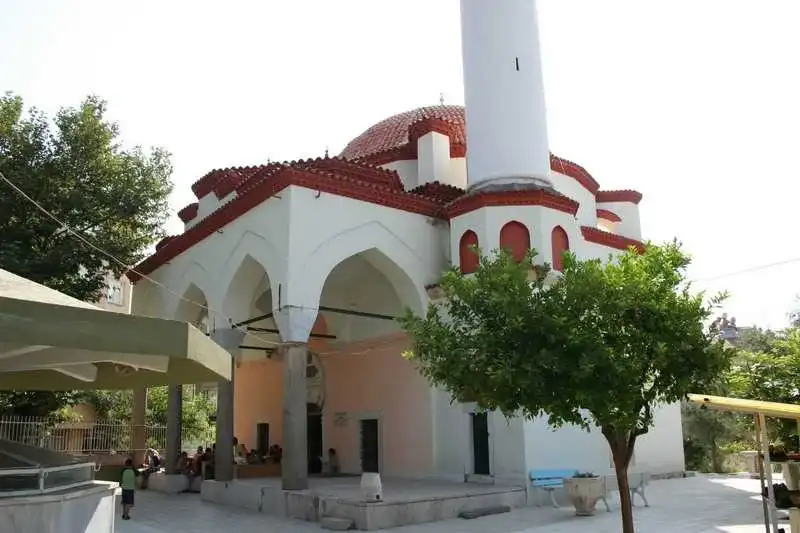
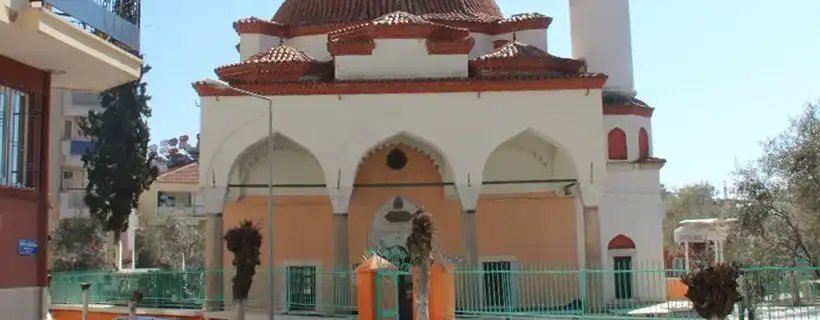
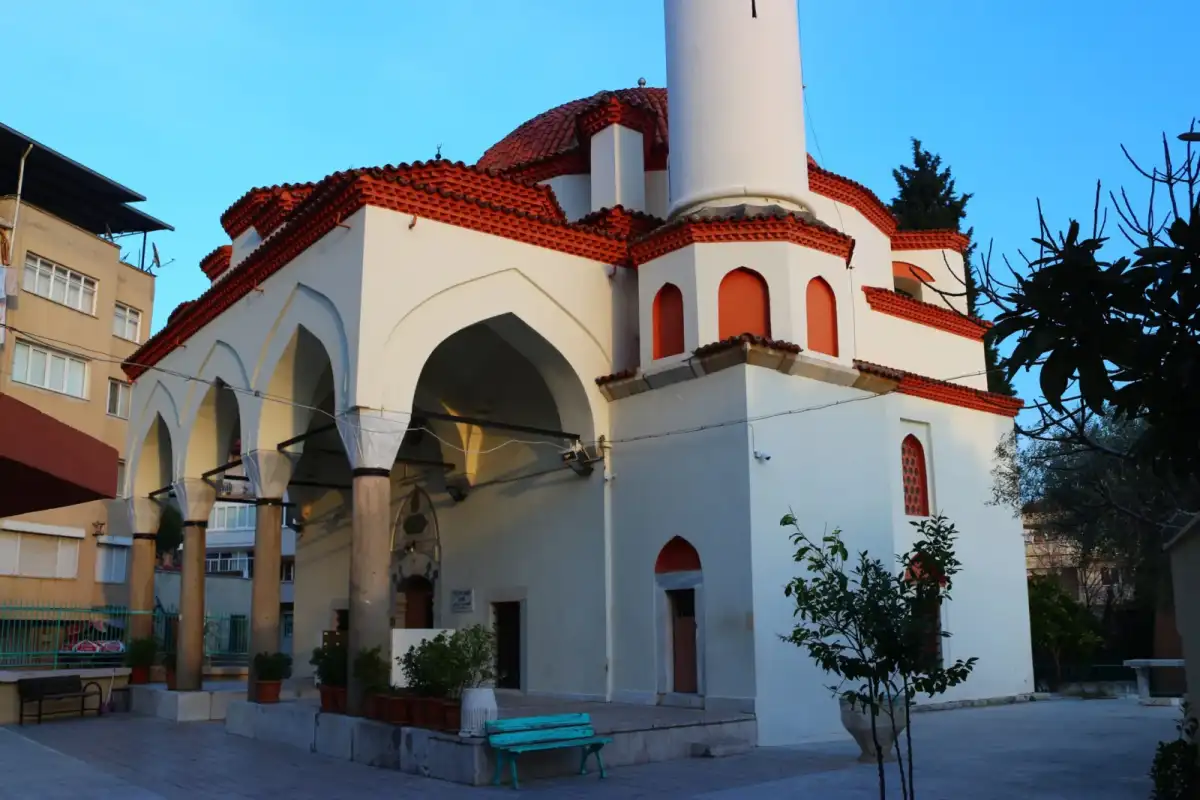
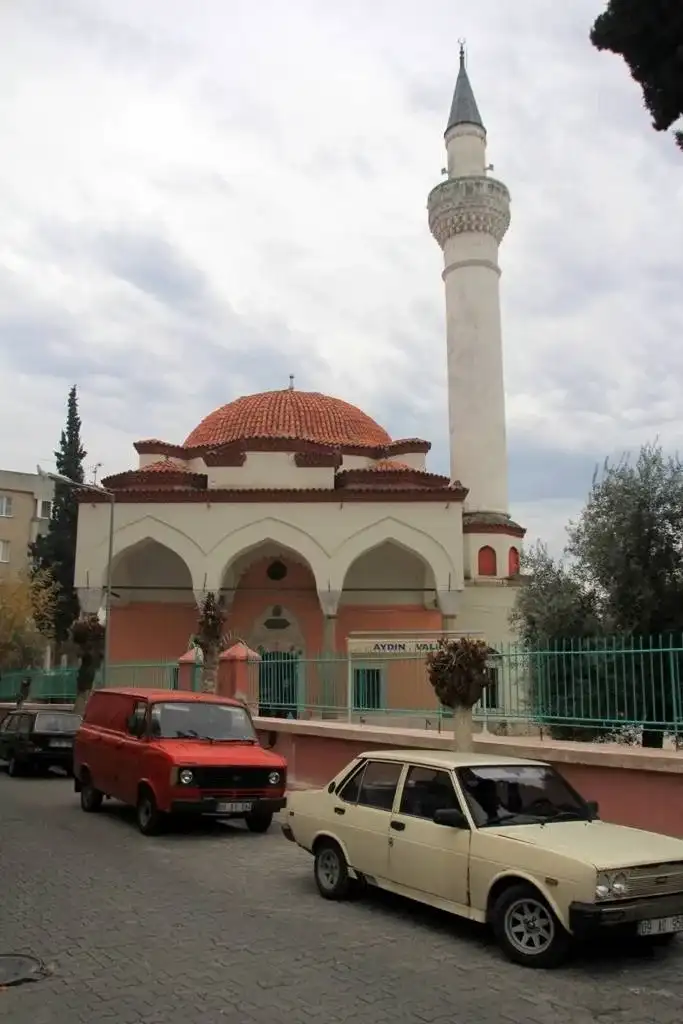
Located on Sakarya Street in the heart of Aydın, Üveys Paşa Mosque was built in 1568–1569 according to its inscription. It was commissioned by Üveys Pasha, son of Kadı Muhiddin Efendi, who served as Chief Defterdar (Chief Treasurer) and Governor-General (Beylerbeyi) of Budin and Egypt. As the oldest surviving Ottoman mosque in Aydın, it is a historic sanctuary mentioned in Evliya Çelebi's famous Travelogue (Seyahatname). Featuring a courtyard and a square plan topped by a single dome, the mosque has a three-domed latecomers' porch (narthex) to the north and a single minaret at the northern end of its western facade.
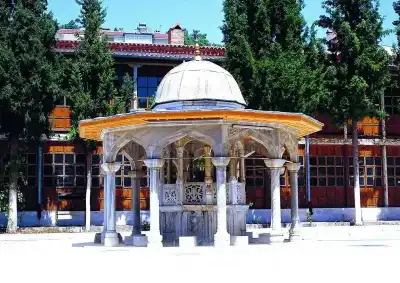
The building has undergone multiple destructions and restorations throughout history. Severely damaged in the 1899 earthquake, it was repaired by Sökeli Hacı Halil Pasha; later, during the Turkish War of Independence, it suffered damage from fires during the Greek occupation. Visitors often note that two bullet marks are still visible on the entrance door, right on the inscription reading "Maşallah". The mosque underwent another restoration in 1947–1948, attaining its current appearance. Two marble graves in the courtyard were relocated here when a ruined madrasa nearby was cleared; parts of the original ablution fountain basin can still be seen to the right of the entrance. A detail frequently noted by visitors is the reddish hue inside the domes, which adds a distinct visual depth to the structure.
Because the facades are plastered, the exact building materials cannot be easily determined; however, the lower-level marble jambs, pointed relieving arches, and the bull's-eye windows on the southern facade stand out as notable architectural features. The central dome of the narthex is supported by shell-shaped squinches, while the side domes are carried by pendentives. The decorations are kept simple overall, giving the building the authentic atmosphere of early Ottoman architecture.
History of the Mosque
Üveys Paşa Mosque was built in 1568–1569 by Üveys Pasha, the son of Kadı Muhiddin Efendi, who held prominent posts including Chief Treasurer as well as Governor-General of Budin and Egypt. As the oldest surviving Ottoman structure in Aydın, the mosque was also recorded by the famous traveler Evliya Çelebi in his 17th-century Seyahatname.
The building suffered damage and underwent restorations over the centuries. Heavily damaged in the 1899 earthquake, it was restored by Sökeli Hacı Halil Pasha. It also suffered from fires during the Greek occupation in the Turkish War of Independence, before being comprehensively restored in 1947–1948 to reach its current appearance. Bullet marks hitting the "Maşallah" inscription above the entrance door remain in place today as silent witnesses of that turbulent era.
Architectural Features
The mosque was constructed on sloping ground along a north-south axis, featuring a courtyard, a square plan, and a main prayer hall covered by a single dome. To the north lies a three-domed narthex (latecomers' porch), while a single minaret stands at the northern end of the west facade. Since the outer walls are plastered, the exact masonry materials cannot be fully discerned; the domes are covered with traditional Turkish tiles.
Lower-level marble jambs and rectangular windows are framed by pointed relieving arches above. The upper-level windows feature pointed arches set within rectangular recesses. The bull's-eye windows on the southern facade are particularly striking architectural details. The columns are circular, and a women's gallery (mahfil) is located in the north. The overall ornamentation is minimalist, directly reflecting the classic aesthetic of early Ottoman architecture.
When to Visit?
Spring and autumn are the best seasons to visit Üveys Paşa Mosque. Summers in Aydın can be extremely hot, making early morning visits advisable during the warmer months. Because the mosque is an active house of worship, the doors may be closed to visitors between prayer times; checking prayer times beforehand is recommended. Friday prayers draw larger crowds, so those interested in architectural photography should avoid those hours.
How to Get There?
Üveys Paşa Mosque is located at Sakarya Caddesi No:13 in Aydın city center. It can be easily reached via public minibuses and buses departing from the main Aydın bus terminal. Once in the city center, the mosque is just a short walk away. For visitors arriving by private vehicle, street parking near Sakarya Street can be limited during peak hours; parking in nearby side streets and walking is advisable.
Best Photography Spots
One of the most fascinating details to photograph is the bullet marks embedded in the "Maşallah" inscription above the entrance door—a tangible trace from the Turkish War of Independence that adds historical depth to your photos. The bull's-eye windows on the southern facade and the domed portico structure offer impressive architectural compositions. The marble tombstones in the courtyard and the original fountain basin pieces to the right of the entrance are also worth capturing. Visitors often note that the reddish interior tone of the domes looks especially striking under natural daylight.
Things to Know Before You Go
Üveys Paşa Mosque is an active place of worship. Modest attire is required during your visit, and headscarves are mandatory for women entering the prayer area. Keep in mind that access to the interior may be restricted during congregational prayer times, so plan your visit accordingly. Watch your step as some outdoor areas surrounding the building feature uneven, sloping terrain. Please maintain a respectful demeanor near the historical graves in the courtyard.
Where to Eat Nearby?
Sakarya Street and its surrounding avenues form one of the liveliest districts in central Aydın. You will find various cafes, local restaurants, and bakeries nearby. Local fig desserts and olive-oil-based Aegean dishes are among the top regional specialties. After your visit, you can sample authentic, wholesome Aegean home cooking at local tradesmen's restaurants (esnaf lokantası) in the city center.
This content originates from neresigezilir.com and may not be copied without permission.
Üveys Pasha Mosque Videos
Üveys Pasha Mosque videos load when you open this section to keep the page fast.
Show videos
FAQ
Updated: