Alexandria Troas is an ancient port city located in the Ezine district of Çanakkale, founded in 310 BC by Antigonus, a general of Alexander the Great. Known as the site where Saint Paul first embarked for Europe, it is famous today for its extensive archaeological area buried underground and the ruins of its grand gymnasium.
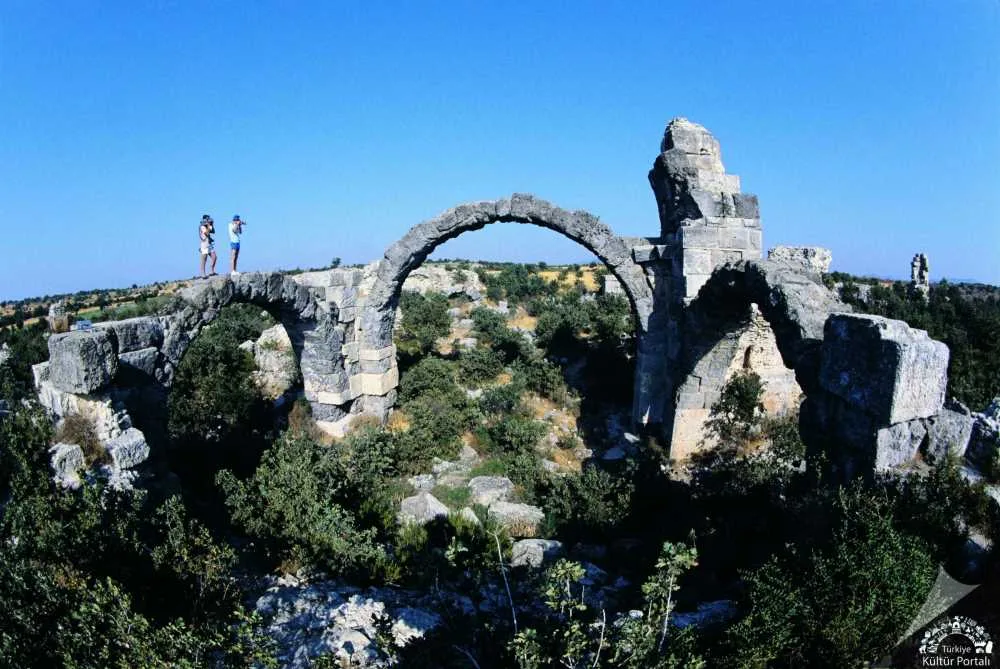
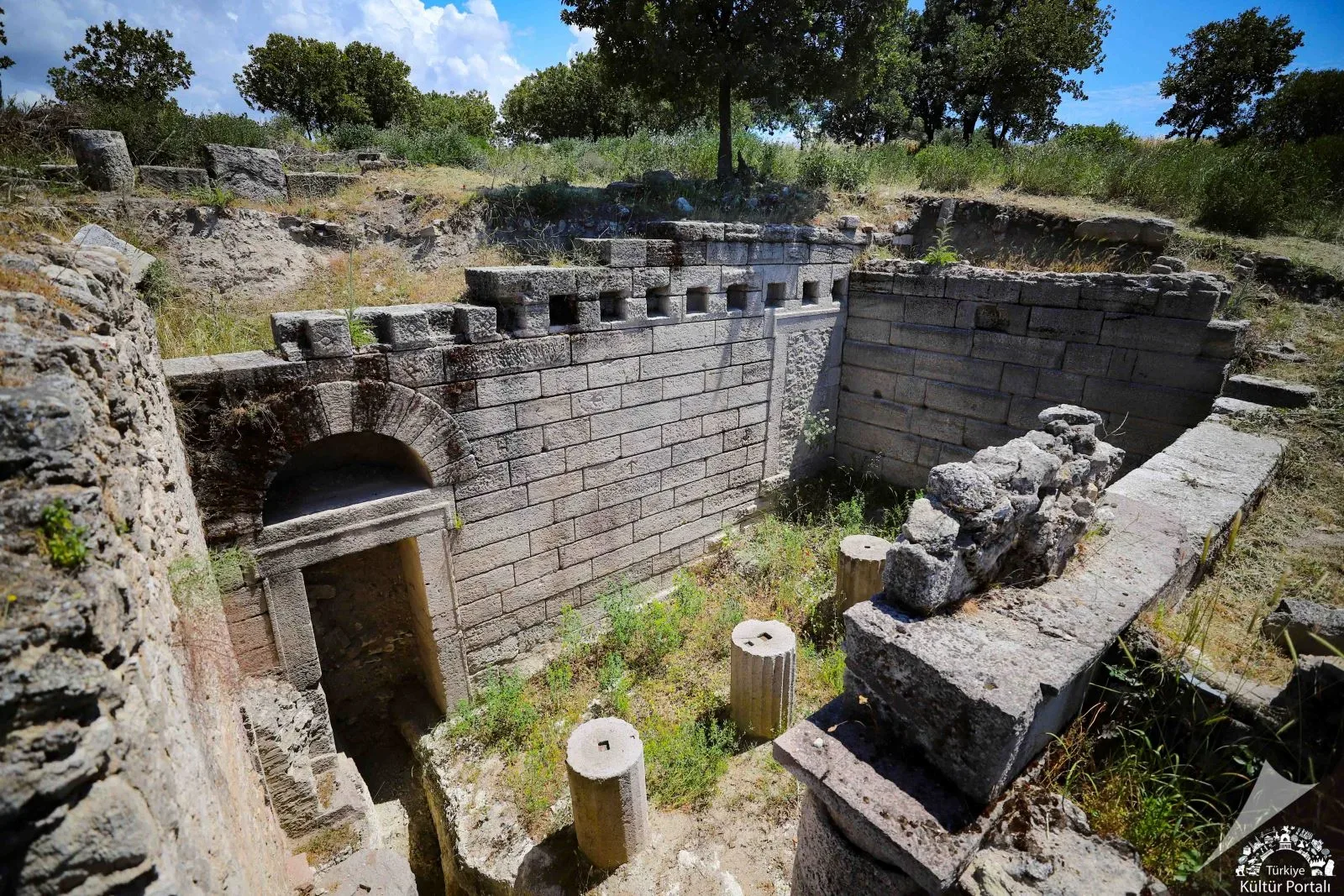
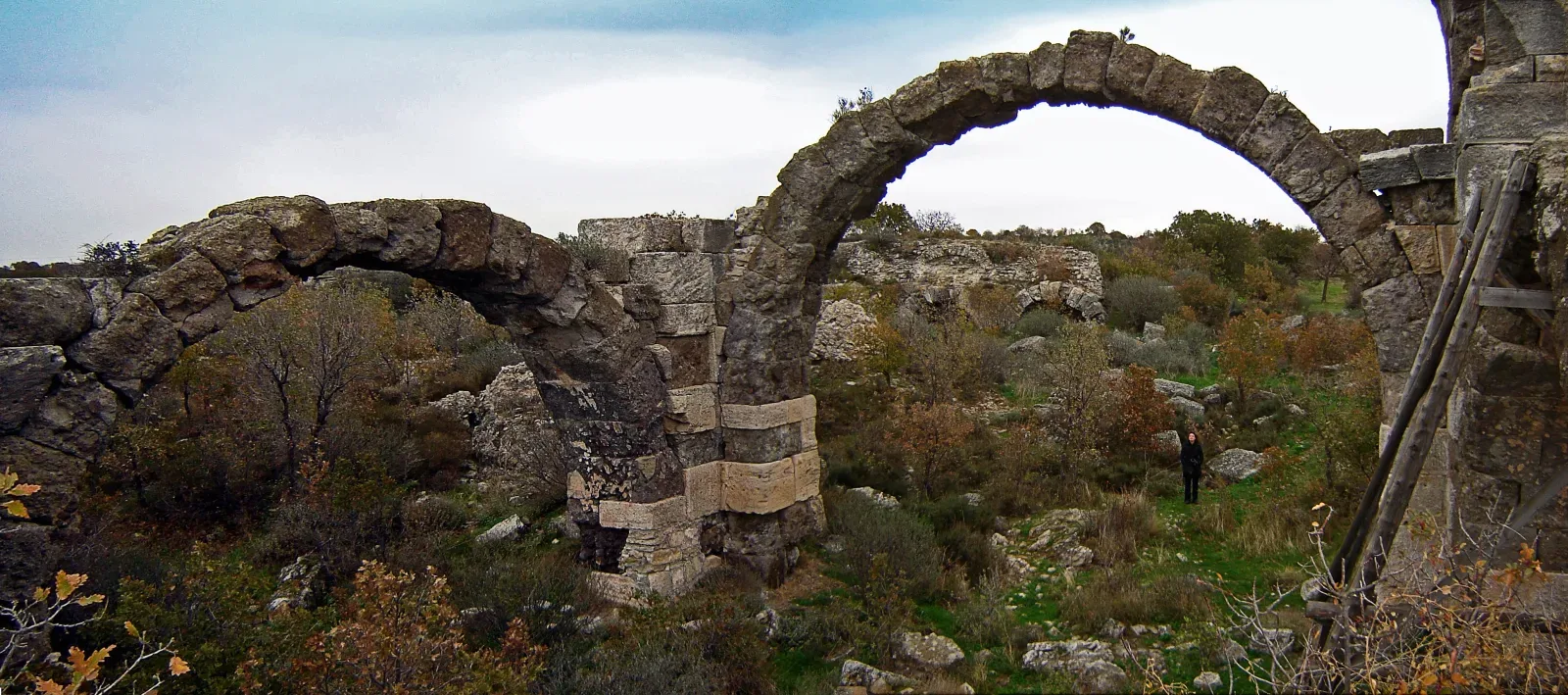
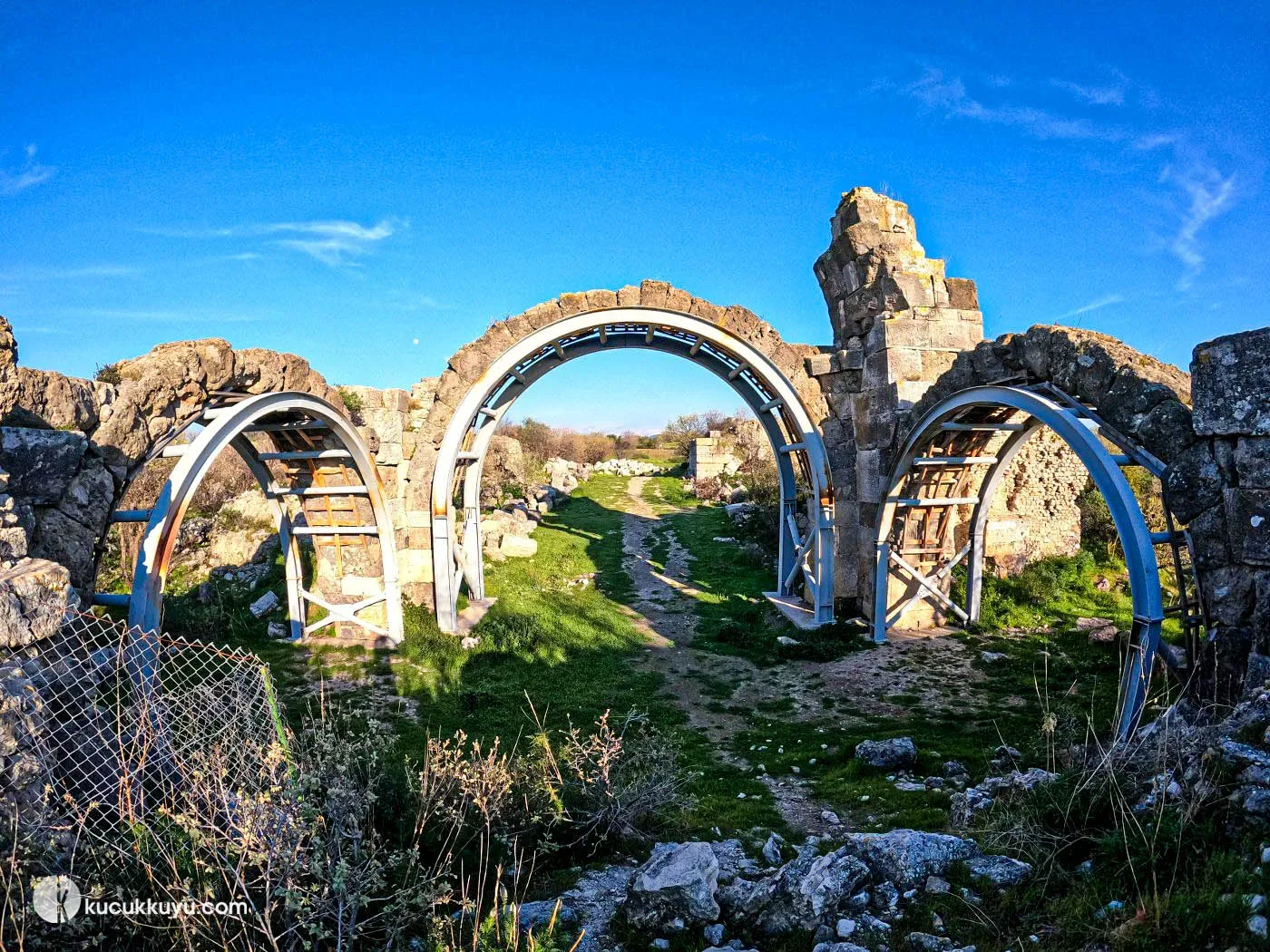
Alexandria Troas was founded in 310 BC under the name Antigoneia by Antigonus I Monophthalmus, one of Alexander the Great's generals. After Alexander's death, Lysimachus, the ruler of Thrace, renamed the city Alexandria Troas. Spanning an area of 390 hectares surrounded by 8-kilometer-long city walls, nearly 100,000 people once lived here. It was a thoroughly planned Roman city featuring bathhouses, a harbor, a stadium, temples, paved avenues, and aqueducts. The remains of the Gymnasium of Herodes Atticus, considered the largest gymnasium in Anatolia, still stand here.
At one point, designating this city as the capital of the Roman Empire instead of Constantinople was even considered, but the decision ultimately favored Constantinople. The city gradually depopulated and fell into obscurity. Its proximity to Geyikli Pier, where Bozcaada ferries depart, makes it a convenient stopover when heading to or returning from the island.
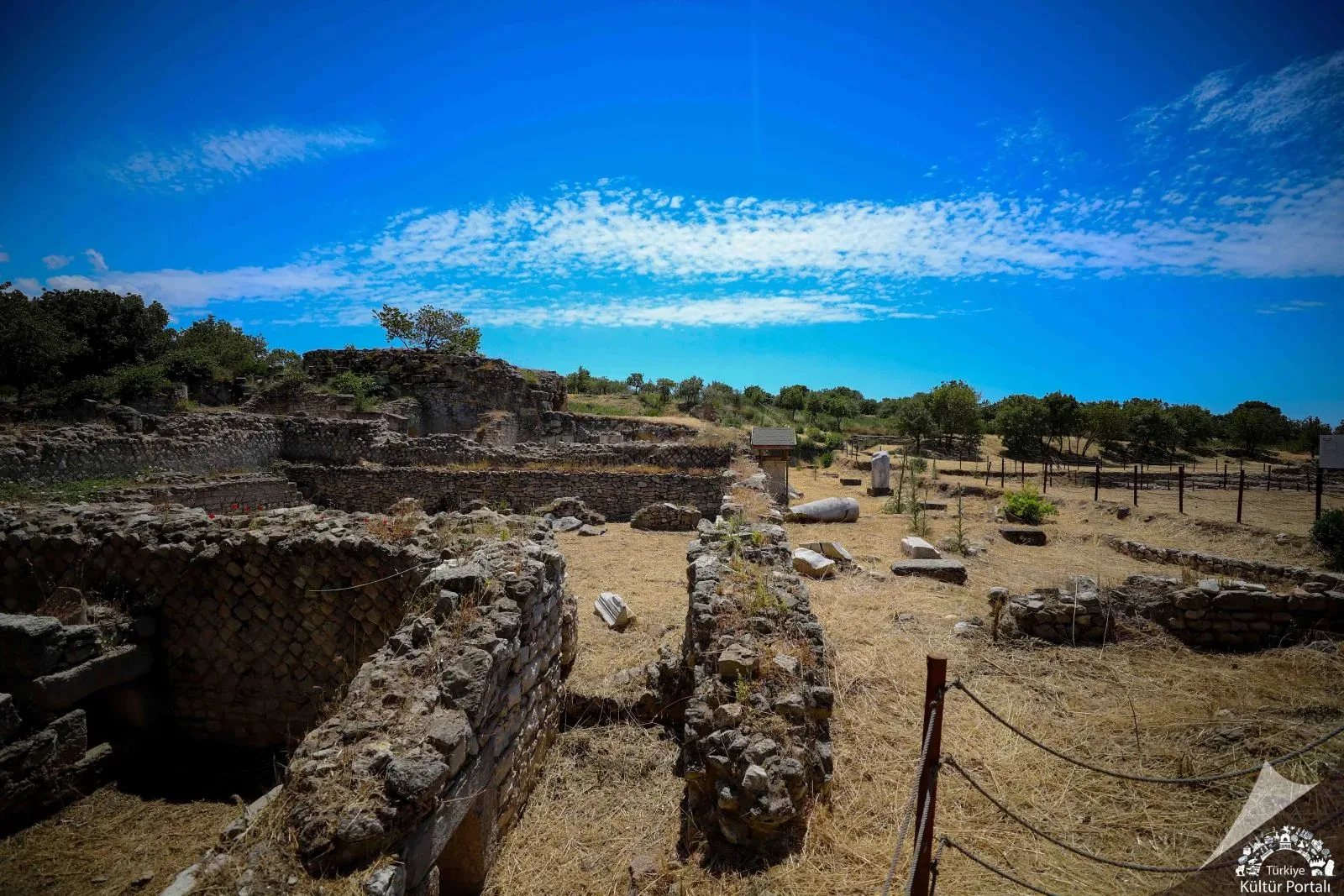
Visitor reviews tend to be divided. Some find the columns, sarcophagi, and marble reliefs impressive, noting that combined with the Aegean view, it creates a unique atmosphere, with ongoing excavations and well-preserved walls. On the other hand, many complain about the lack of informational signs, artifacts lying scattered on the ground, and a general lack of maintenance. While some visitors finish their walk in 10-15 minutes, others happen to run into an archaeologist who provides a guided explanation, resulting in a much richer experience. So, luck plays a bit of a role here.
When to Visit
Visiting between May and July is the most comfortable. Because the ancient city spans a broad, shade-free area, avoid the midday heat of peak summer. Early morning hours protect you from the sun and offer better lighting for photography. In winter, the ground can turn muddy, making walking somewhat challenging.
How to Get There
It is about 30 kilometers from central Çanakkale by private vehicle and 21 kilometers from Ezine. Travelers heading to Geyikli Yükyeri Pier for the Bozcaada ferry pass within a few kilometers of the site; a small detour is all it takes to add it to your route. Public transport options are limited, making driving or taking a taxi the most convenient choice.
How Much Time to Spend
According to visitor reviews, time spent varies greatly. Those who just want a quick look around can finish in 10-15 minutes. For visitors keen on examining sarcophagi, gymnasium ruins, and wall traces closely, the duration can extend up to an hour. If you happen to encounter an archaeology team on site, listening to their explanations will extend your visit even further.
Route Suggestion
There are several other ancient ruins near Alexandria Troas in the region. You can group them into a single-day tour lasting around an hour total. If you are crossing to Bozcaada, visiting before your ferry time or upon return is the most practical way to dedicate time here without wasting your day.
Things to Keep in Mind
A point frequently mentioned in visitor feedback is the absence of informational signs in the area, active ongoing excavations, and a low level of overall maintenance. Some visitors feel their expectations were not met, while others note that the Aegean view and historical atmosphere make up for these shortcomings. Set your expectations accordingly, and do not expect a standard museum layout or a restored archaeological site.
Best Photo Spots
The surviving arches of the Gymnasium framed alongside marble pieces, pine, and olive trees make great shots. The seaside section of the city offers scenic Aegean views, especially suitable for photography near sunset.
About the City
The name of the city is an expression of honor toward Alexander the Great. Saint Paul is believed to have set sail for Europe from here during his biblical journeys, giving the city historical importance in Christianity. The presence of the Herodes Atticus structure, considered Anatolia's largest gymnasium, demonstrates how significant a regional center the city was during the Roman era.
This content originates from neresigezilir.com and may not be copied without permission.
Alexandria Troas Ancient City Videos
Alexandria Troas Ancient City videos load when you open this section to keep the page fast.
Show videos
FAQ
Updated: