The Ancient City of Assos is a 6th-century BC site in Çanakkale's Ayvacık district, built on an extinct volcanic hill. Famous for Aristotle's philosophy school and the Doric Temple of Athena, its well-preserved andesite structures endure today. The entrance fee is around 90 TL.
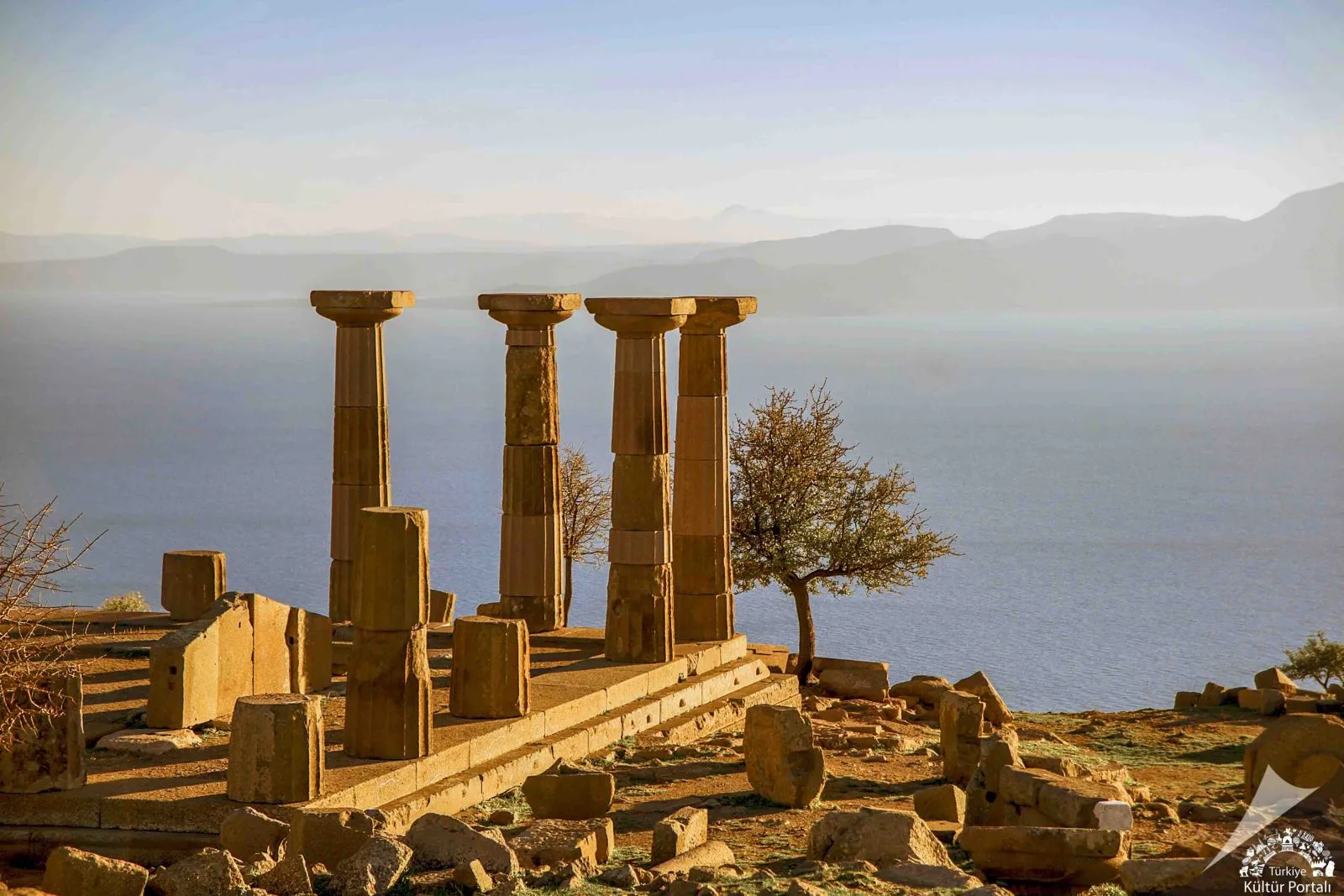
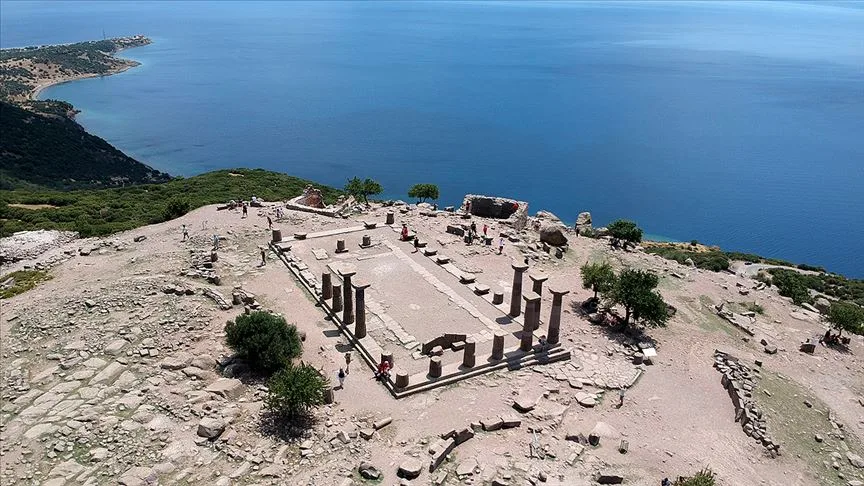
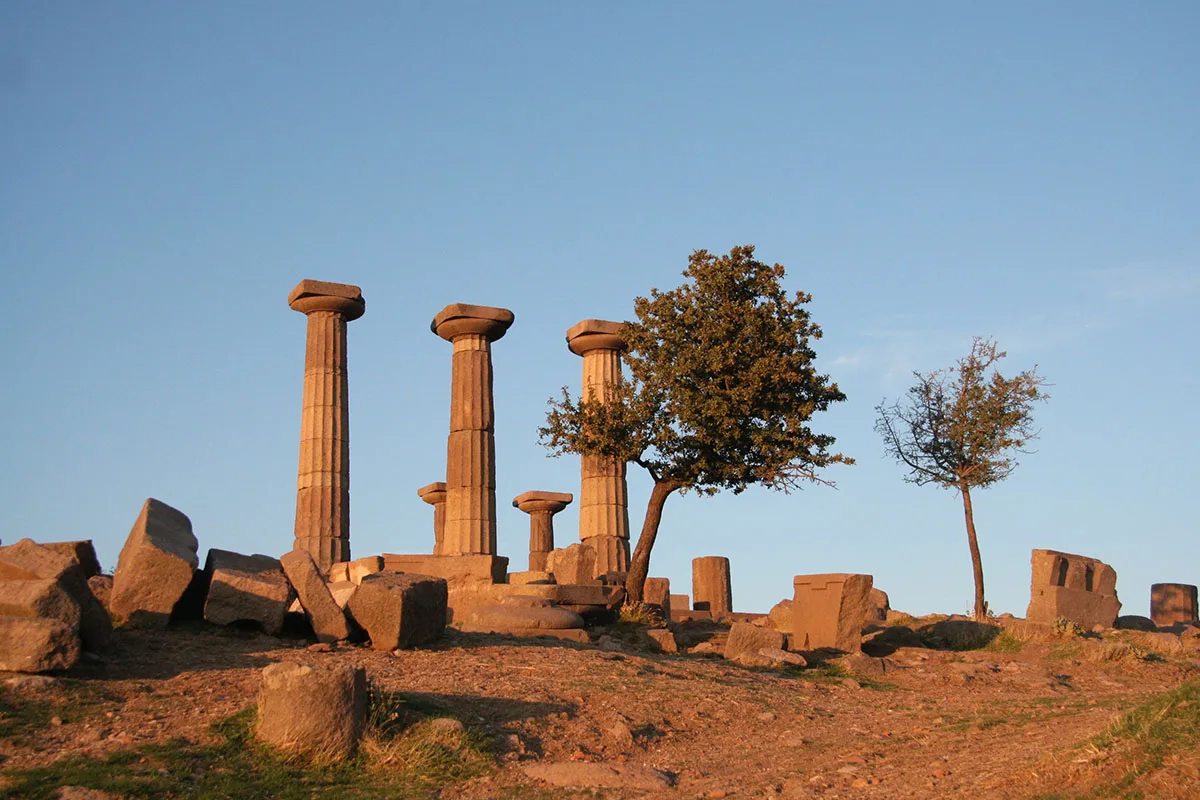
Assos was founded in the 6th century BC on top of an extinct volcanic hill. Its building material, andesite stone, is tough to carve but almost impervious to decay, which is why the city walls and temple have survived to this day. At the highest point of the hill stands the Temple of Athena, the first and only Doric temple built in Anatolia. Looking out from here, Lesbos Island appears on the right and the Gulf of Edremit stretches across the front.
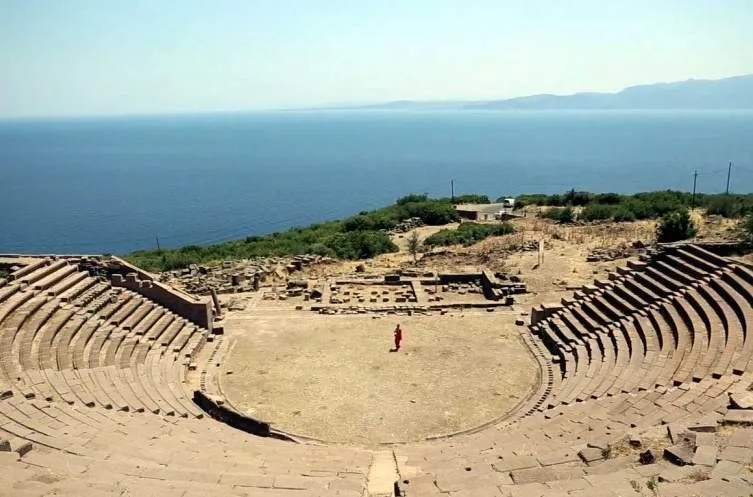
Aristotle lived here for three years and established a school of philosophy, securing the city's prominent place in the history of thought. It also holds significance in Christian history as one of the cities visited by Saint Paul. Beyond the temple, visitors can explore an ancient theater, an agora, a necropolis, and impressive city fortifications. Assos was also famous in antiquity for its "flesh-eating" sarcophagi. Said to consume a human body rapidly, these sarcophagi were exported to various regions across Anatolia.
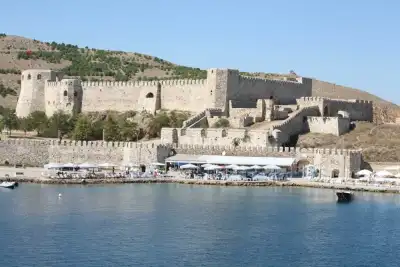
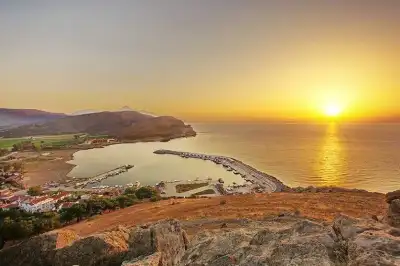
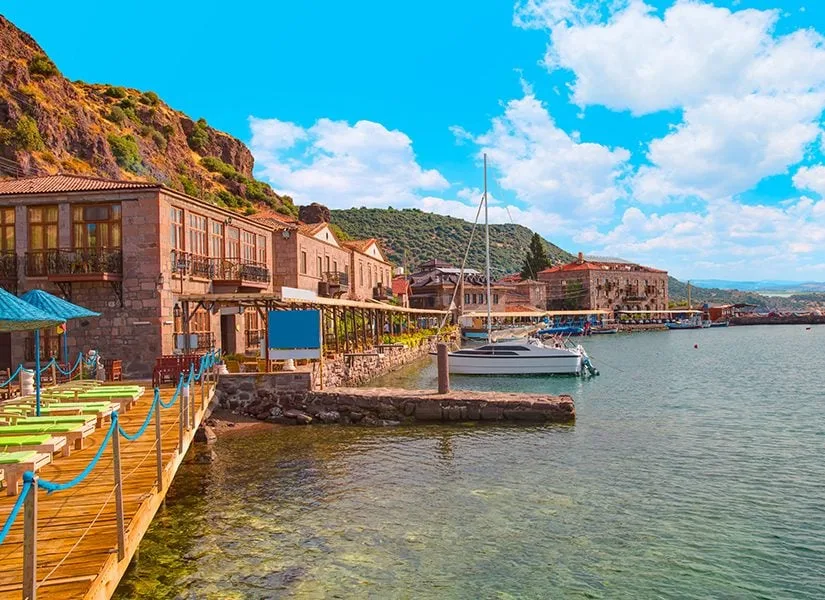
Just below the archaeological site lies a small harbor formed by the restoration of old acorn storehouses. Assos has been on the UNESCO World Heritage Tentative List since 2017.
What is the Ancient City of Assos?
Assos was founded in the 6th century BC on an extinct volcanic hill. Built primarily of durable andesite stone, its city walls and temple have survived to the present day despite the stone's difficulty to carve. Throughout its history, the city came under the rule of Methymnians, Persians, Alexander the Great, Romans, and Byzantines, before coming under Ottoman rule in 1330. Aristotle lived here for three years and established a school of philosophy, giving the city a unique place in intellectual history.
How to get to Assos?
Visitors driving from Istanbul cross the Dardanelles Strait via GESTAŞ ferries (using Gelibolu-Lapseki, Eceabat-Çanakkale, or Kilitbahir-Çanakkale routes). After crossing the strait, Assos is reached in about an hour via Ezine and Ayvacık. Total drive time is around 7 hours from Istanbul and about 4 hours from İzmir. Taking the Istanbul-Bandırma fast ferry and following the Bandırma-Balıkesir-Edremit-Akçay-Altınoluk-Küçükkuyu route also shortens the drive. There are no direct long-distance buses, but minibuses depart hourly to Behramkale from Küçükkuyu, Ayvacık, or Altınoluk. Air travelers can fly into Çanakkale or Edremit airports and continue by minibus.
Best time to visit
In summer, the sea breeze brings cool air, but there is little shade around the temple during midday heat. Entering the site 1-2 hours before sunset is the most popular choice, as the golden light highlights the columns of the Temple of Athena and the panoramic views of the Gulf of Edremit. Spring and autumn offer milder temperatures and fewer crowds.
How much time to allocate?
Touring the archaeological site takes approximately 1.5 hours. If you include Behramkale village, the ancient harbor, and nearby coves, set aside half a day. For those wishing to explore the coves around Küçükkuyu and Assos, an overnight stay makes sense; boutique hotels around the harbor are ideal for this.
Assos itinerary recommendation
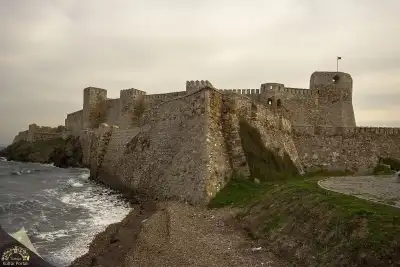
After passing the entrance to the archaeological site, you will encounter the city walls and the necropolis before walking uphill to the Temple of Athena. Surrounding the temple area are the remains of an ancient theater and an agora. After finishing the site tour, a classic route leads down through Behramkale village to the ancient harbor below. The harbor area features seafood restaurants and boutique hotels converted from historic acorn warehouses.
Best photography spots
The view framing the Gulf of Edremit and Lesbos Island through the columns of the Temple of Athena is the most famous photo spot. Capturing the city walls from the stone seats of the ancient theater is also popular. Down at the harbor, historic stone buildings and docked boats make great subjects. Sunset hours are recommended for softer, warmer lighting.
Things to keep in mind
The path is rocky and the climb to the temple is steep, so comfortable walking shoes are essential. The site is uneven and not suitable for strollers or wheelchairs. Since shade is limited during midday in summer, bring a hat and water. Many artifacts excavated from the site are displayed at the Çanakkale Archaeology Museum, meaning originals of items like sarcophagi are not on site in Assos.
Where to stay?
Boutique hotels converted from historic acorn warehouses line Assos Harbor; their seaside location and proximity to the ruins make them popular choices. Behramkale village also has small pensions. A wider range of accommodations can be found in Küçükkuyu and Altınoluk, from where you can take a minibus to Assos.
This content originates from neresigezilir.com and may not be copied without permission.
Ancient City of Assos Videos
Ancient City of Assos videos load when you open this section to keep the page fast.
Show videos
FAQ
Updated: