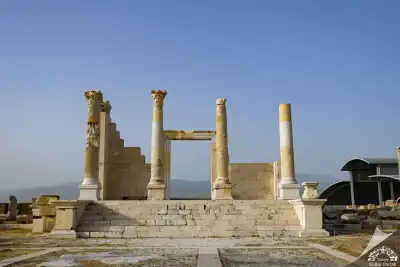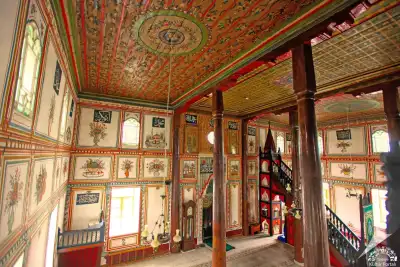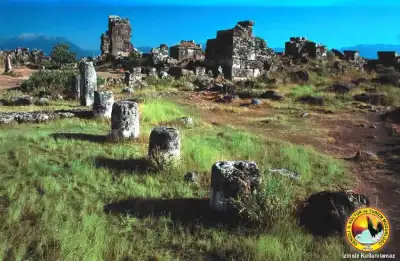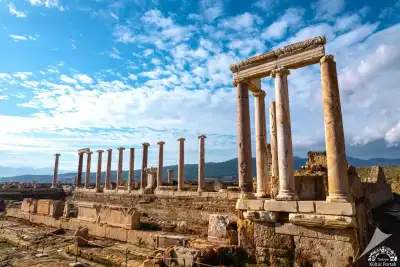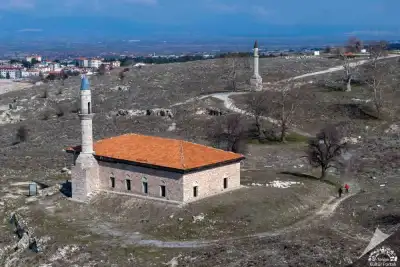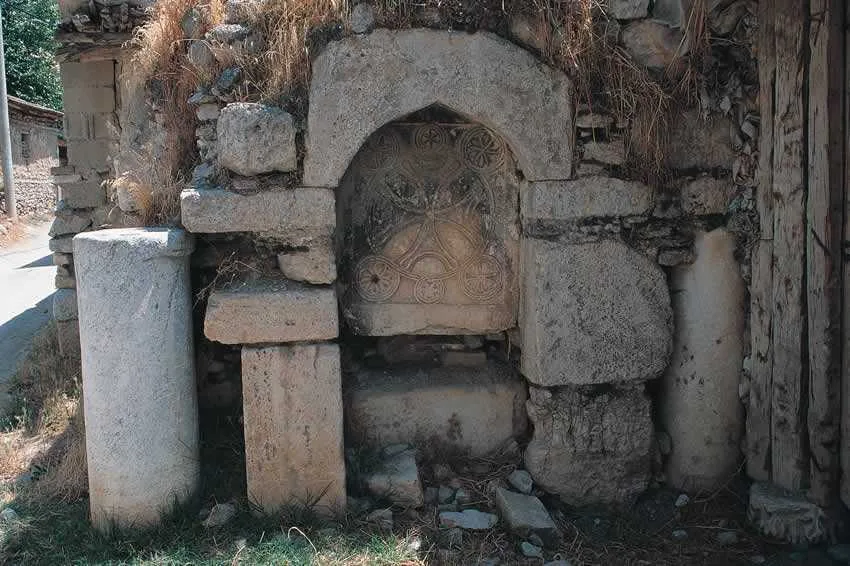
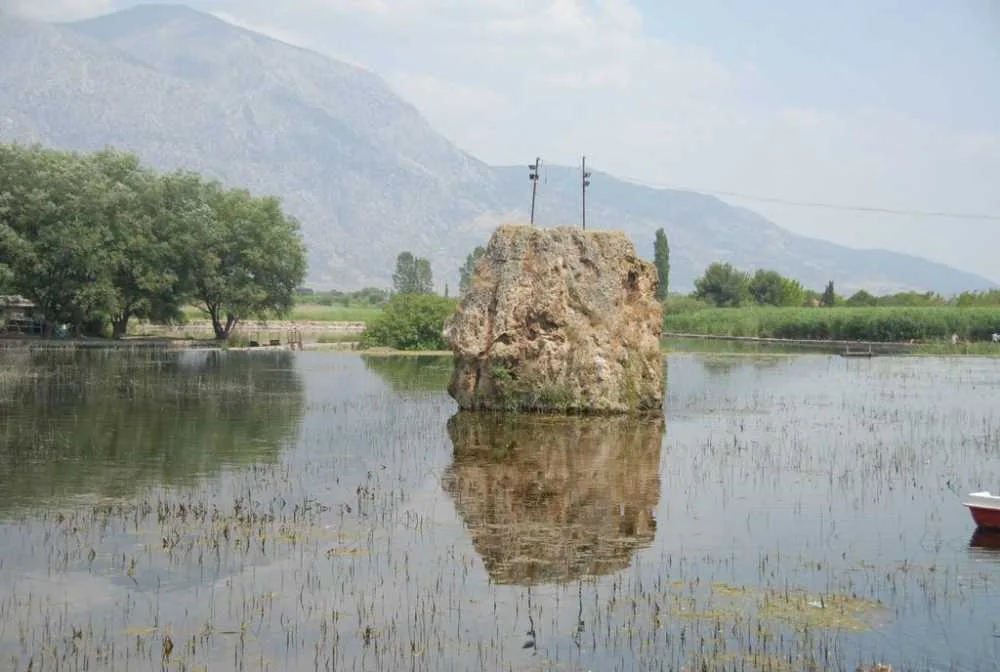
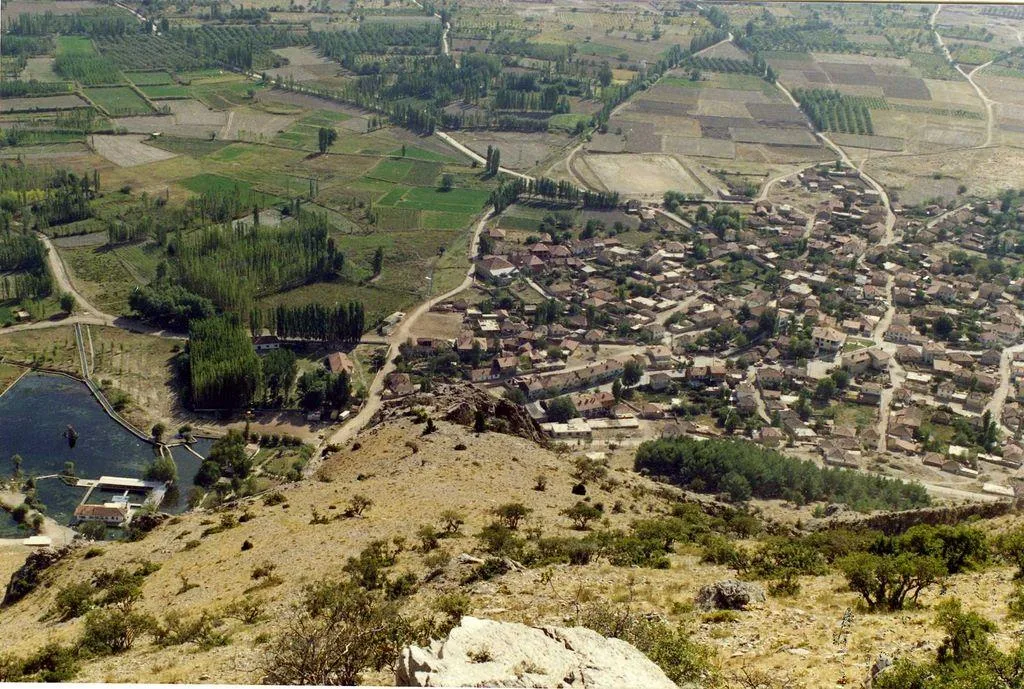
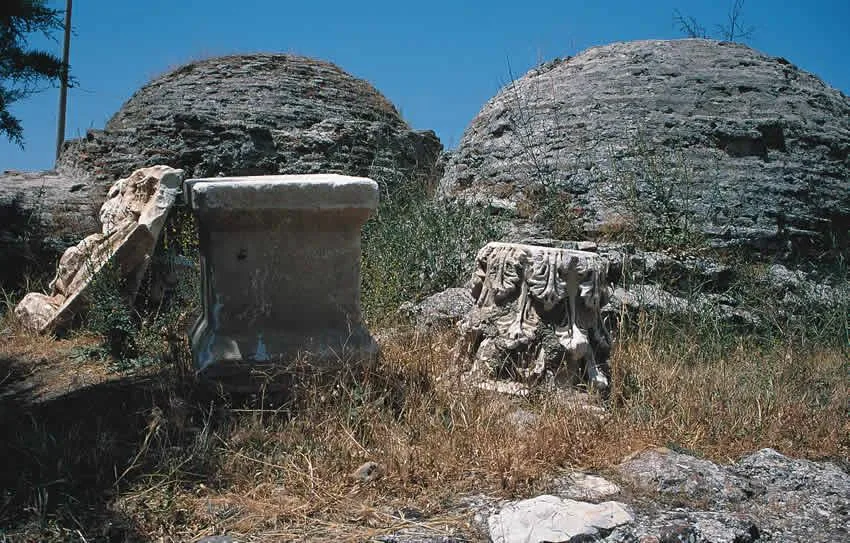
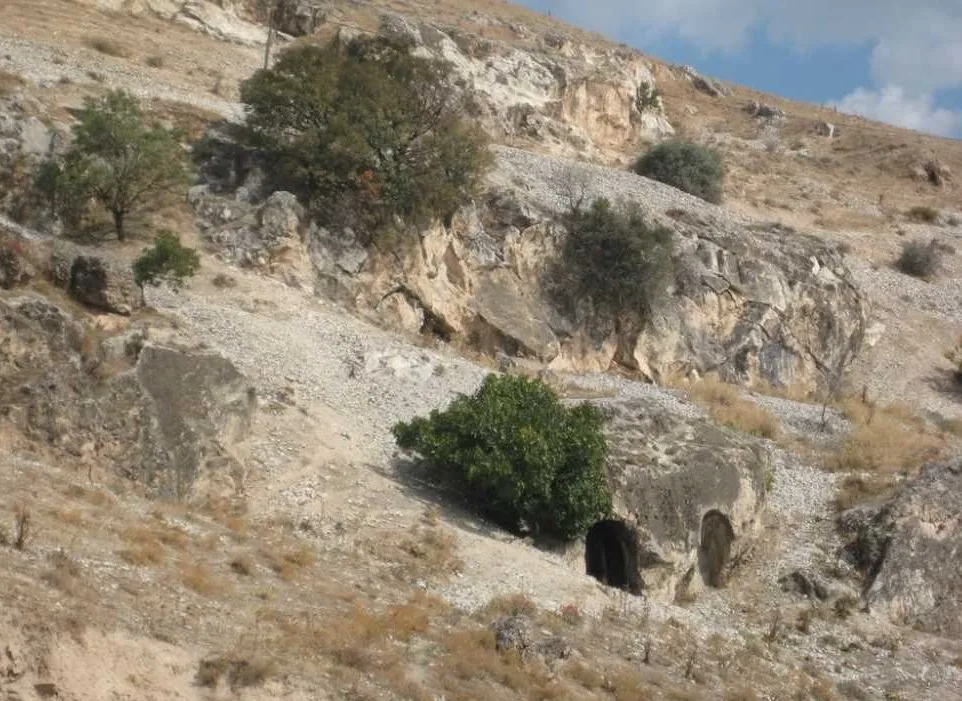
The Ancient City of Eumania is an ancient settlement located in the town of Işıklı, Çivril, Denizli. It was founded in the 2nd century BC in honor of King Eumenes II of Pergamon and later served as a fortress in the Byzantine period.
The Ancient City of Eumania lies within the boundaries of Işıklı town along the Çivril-Dinar highway. Founded in the 2nd century BC in honor of King Eumenes II of Pergamon, the city was later repurposed as a fortress during the Byzantine period, taking full advantage of the defensive position offered by its natural rock outcrop. This dual identity makes the site a rare gem, showcasing both Hellenistic and Byzantine heritage side by side.
Visitors frequently highlight the impressive sight of the ancient structures merging seamlessly with the natural citadel. Still-standing sections of the ruins and ongoing archaeological excavations continue to shed light on the city's rich past. Because the archaeological site spans a vast area, comfortable walking shoes and plenty of water are essential for those exploring on foot; visitors often note that attempting the walk without these precautions during hot summer days can be exhausting. Most of the artifacts unearthed during excavations are currently on display in regional museums.
Best Time to Visit
The best seasons to visit the Ancient City of Eumania are spring and autumn. During April, May, September, and October, temperatures remain pleasant for walking. Since the site spreads over a wide area, exploring in mid-summer—especially around midday—can be challenging. Previous visitors recommend arriving during early morning hours or late afternoon to avoid the heat.
How to Get There
For those using public transport, regular minibuses run from Denizli Bus Terminal to Çivril district. From Çivril, you can take a local minibus directly to Işıklı Neighborhood. If driving, take the Denizli-Ankara Highway for 30 km, turn north at Kaklık Neighborhood onto the Denizli-Uşak road, and continue for about 60 km. The ancient city lies along the Çivril-Dinar highway within the limits of Işıklı town.
How Much Time to Spend?
A quick walkthrough of Eumania might take about 1 hour; however, for those who wish to examine the ruins in detail, read information panels, and take photos, allocating 2 to 3 hours is more realistic. Since the area is expansive, planning a steady walk will make your visit easier. Combining this visit with other historical sites around Çivril makes for a great full-day itinerary.
Suggested Itinerary
If starting from central Denizli, add Çivril district to your route. Upon arriving in Işıklı town, take a walk around to admire the general silhouette of the ancient city, then focus on the Byzantine fortress ruins and Hellenistic structural remains. You can also closely observe the ongoing excavation zones. Round off your trip with lunch in Çivril and stop by other historical attractions around Denizli on your return trip.
Photography Spots
The most striking photos at Eumania feature the castle walls integrated directly into the natural rock outcrop. The surrounding plain stretching out behind the ruins provides an ideal backdrop for wide-angle landscape shots. For close-up photography of standing masonry, early morning light delivers softer, better contrast. The active archaeological excavation zones also provide great documentary-style photography opportunities.
Things to Know Before You Go
Because the area is extensive and mostly open terrain, the risk of sunstroke during summer months should not be overlooked. Bringing a hat, sunscreen, and plenty of water is essential. High heels or sandals are unsuitable due to the rocky and uneven ground. Check whether vendors are available on-site beforehand; it is recommended to stock up on all necessities in Çivril. Before setting off, consult the official website of the Denizli Provincial Directorate of Culture and Tourism for up-to-date visiting hours and potential entry fees.
Historical Background
Eumania was founded in the 2nd century BC by King Eumenes II of the Kingdom of Pergamon and named after him. Reflecting the urban planning approach of the Hellenistic era, the settlement continued to thrive after transitioning to Roman rule. During the Byzantine era, its strategic natural rock formation was capitalized upon to convert the site into a formidable fortress. Seeing traces of both distinct historical periods in the exact same location makes Eumania one of Denizli's lesser-known yet valuable ancient cities.
This content originates from neresigezilir.com and may not be copied without permission.
FAQ
Updated: