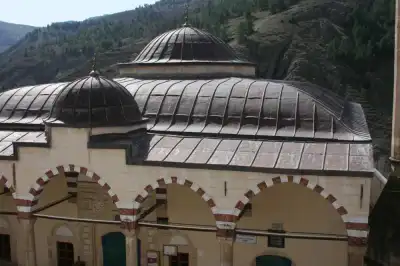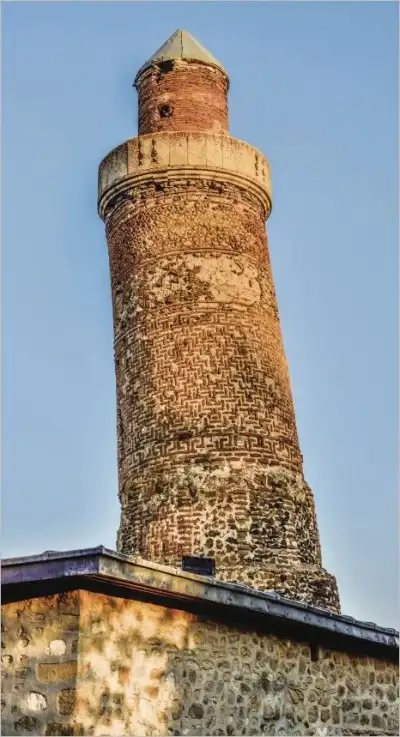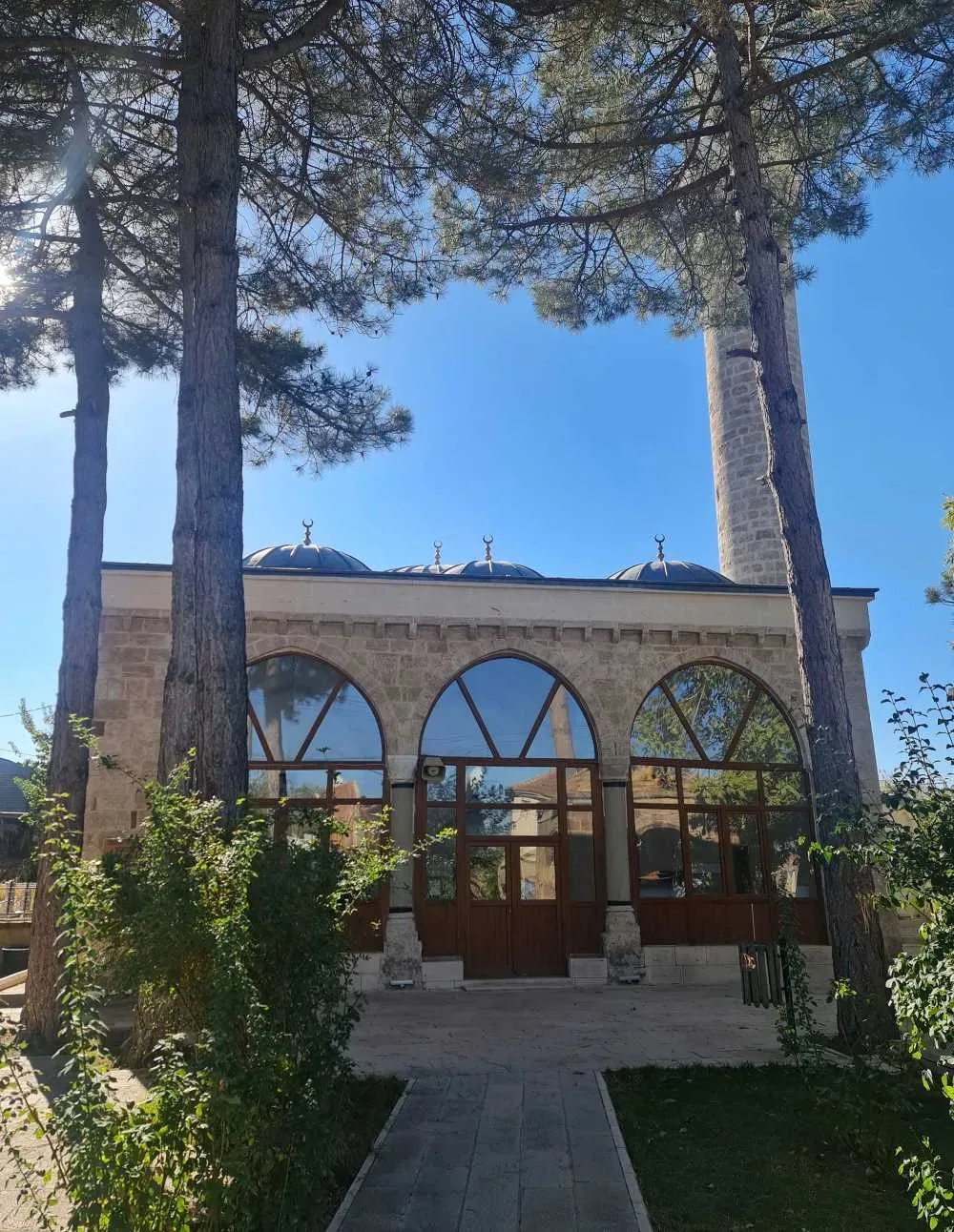
Located in the Mollakendi town of Elazığ, the Sultan Murad IV Mosque was built in 1635 during Sultan Murad IV's Baghdad campaign. Renowned for its stone-and-wood minbar and slightly leaning minaret, it can be visited free of charge.
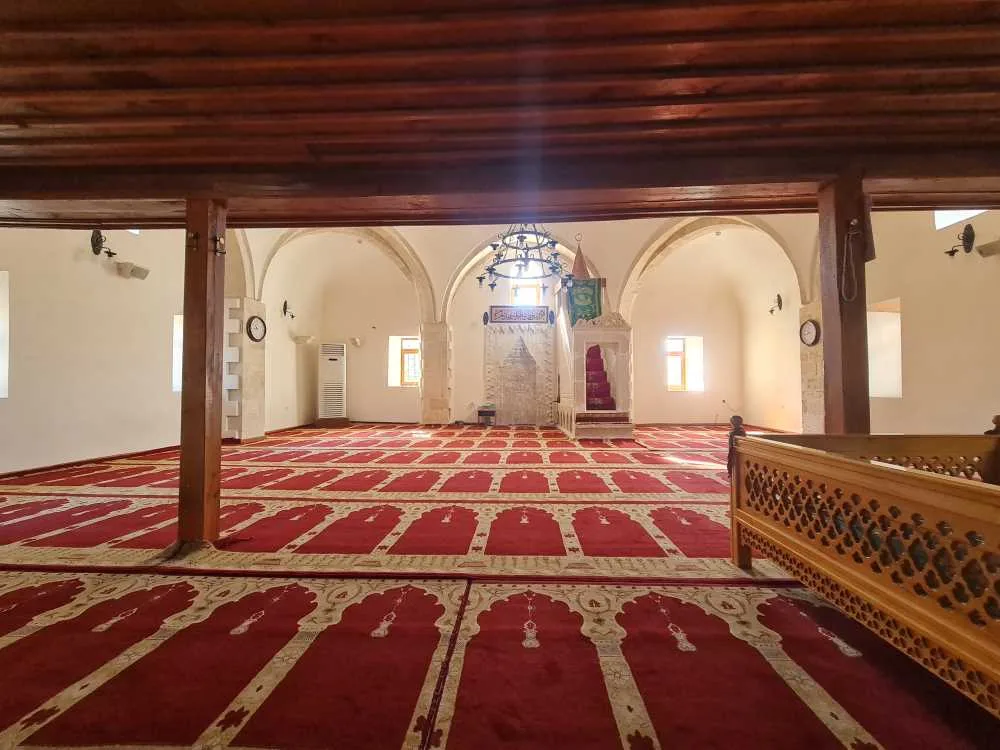
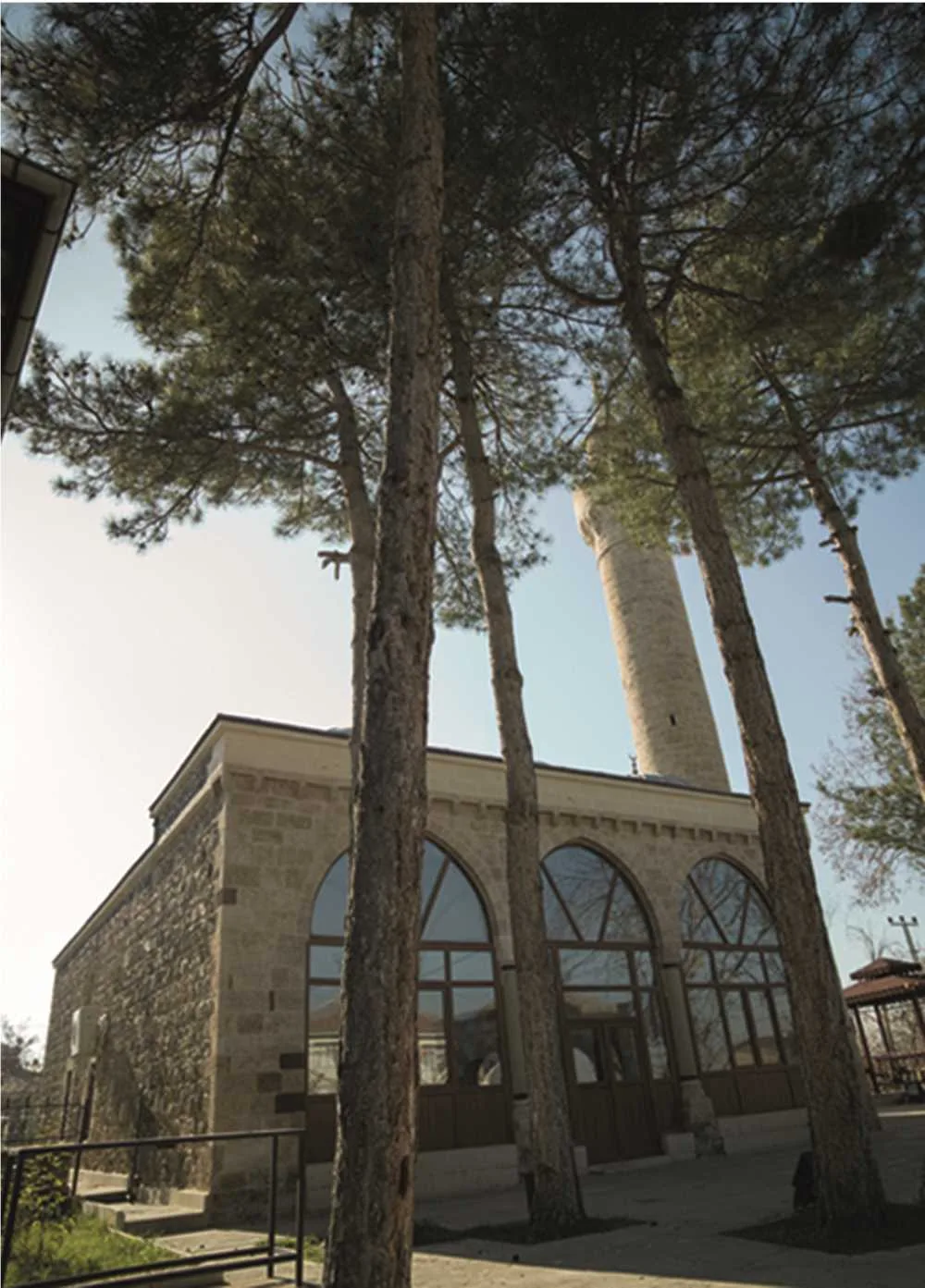
Located in the village area of Mollakendi along the Diyarbakır road, this mosque was commissioned by Sultan Murad IV during his 1635 Baghdad campaign. It is considered one of Anatolia's oldest surviving mosques and remains open for worship nearly four centuries after its construction. The structure consists of three sections: the front facade, the entrance hall, and the main prayer hall. To the north of the inner prayer hall is a wooden upper gallery, while the south features a minbar and mihrab crafted from a blend of stone and wood.
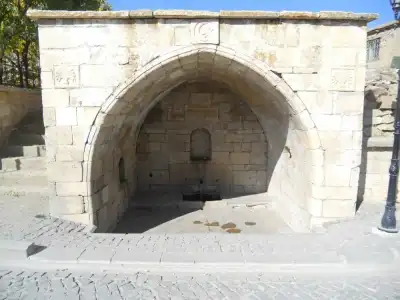
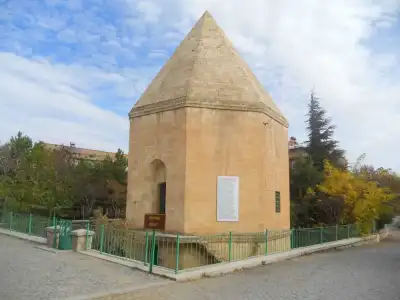
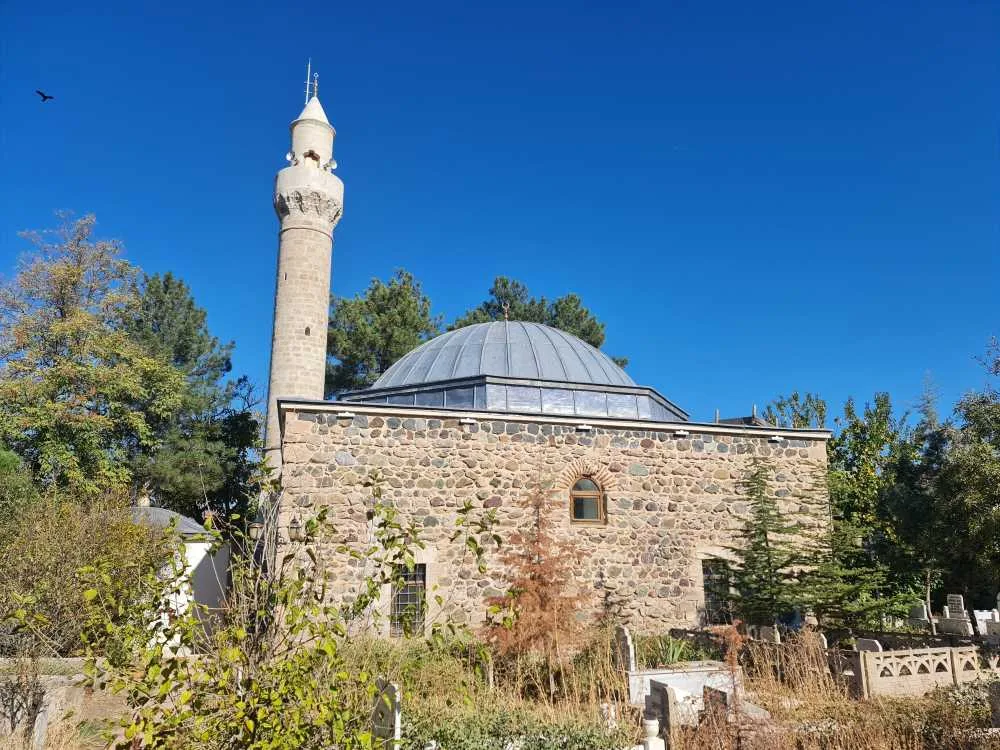
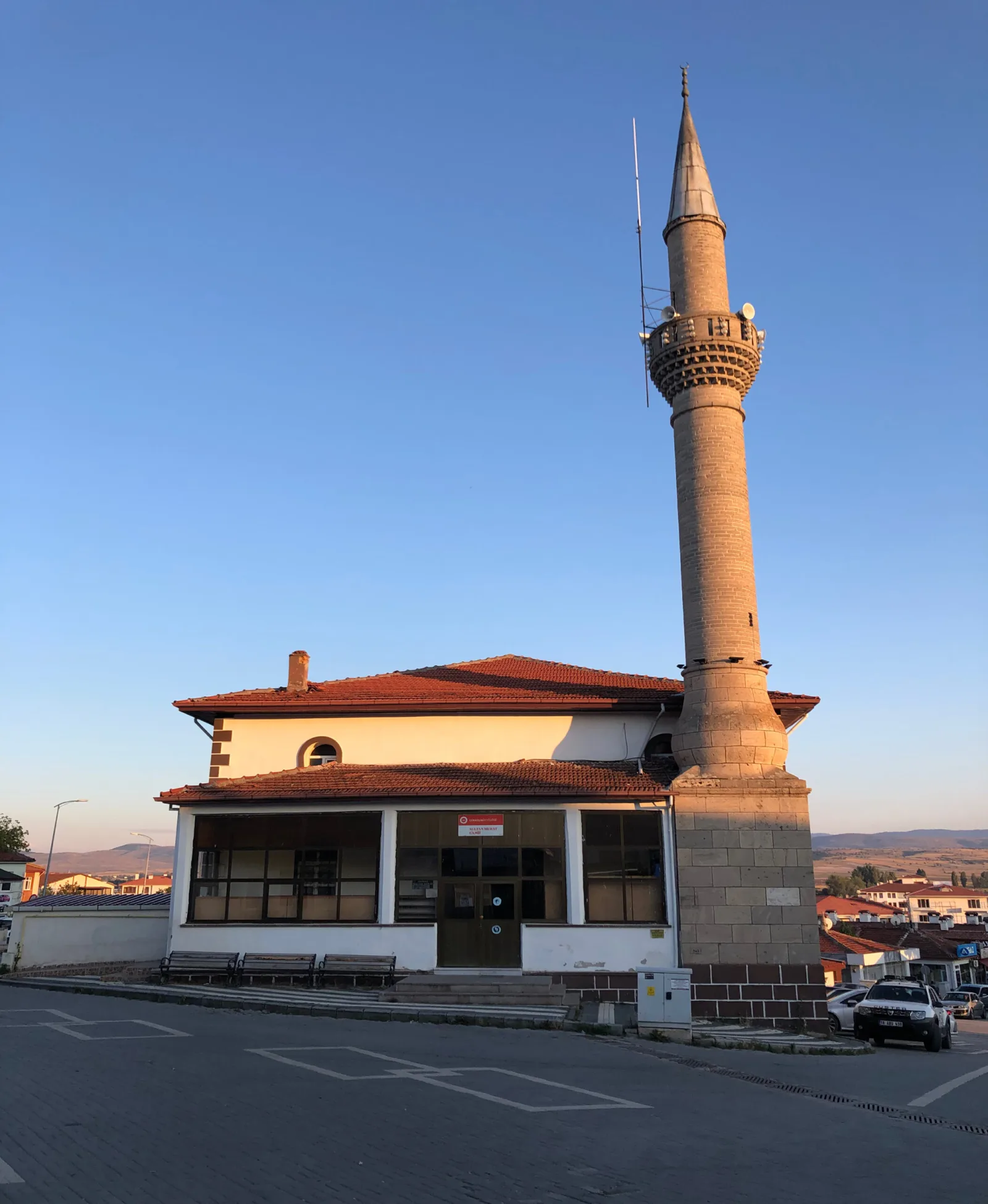
The minaret attached to the western wall has gradually leaned slightly to the right over time, making it the mosque's most striking visual feature. To the west of the building stands the Tomb of Hz. Ahmedi Peykeri, accompanied by a turbaned gravestone dated 1277 AH with Arabic inscriptions and the tomb of Hüseyin Pasha. The area is a quiet spot reflecting the historical fabric of Mollakendi, one of the settlements surrounding Harput.
The mosque is registered as a Monumental Cultural Heritage by the Ministry of Culture and Tourism. Rather than a major tourist spot, it primarily serves as a place of worship for locals, offering visitors a peaceful and authentic experience.
Story of the Mosque
Built during Sultan Murad IV's Eastern campaigns, this structure left in Mollakendi still bears the sultan's name. With a history spanning nearly four centuries, it is considered one of Anatolia's oldest mosques and continues to host daily worship despite the passage of time.
Architectural Details
There is a wooden upper gallery in the northern section of the inner prayer area, while the south features a minbar and mihrab made of a blend of stone and wood. The leaning minaret is the mosque's most striking visual element, offering an interesting perspective for photography.
Best Time to Visit
As the mosque is an active place of worship, visiting outside prayer times makes for a more comfortable experience. In spring and summer, the greenery around Mollakendi adds to the trip. Winters in the region can bring cold and snowy weather, so dress appropriately.
How to Get There
Driving by private car from central Elazığ to Mollakendi is the fastest option. Situated along the Diyarbakır road, it is easy to detour for travelers arriving from outside the city. If taking public transport, you can use the Mollakendi Municipality or Yurtbaşı Municipality Altyol and Üstyol bus lines. The nearest stops are Organize Sanayi and Mezarlık, both within short walking distance.
How Much Time to Spend
Exploring the mosque alongside the adjacent Tomb of Hz. Ahmedi Peykeri and historic gravestones takes about 20–30 minutes. If you wish to take a short stroll through Mollakendi's traditional village surroundings, you can extend your visit to an hour.
Nearby Attractions
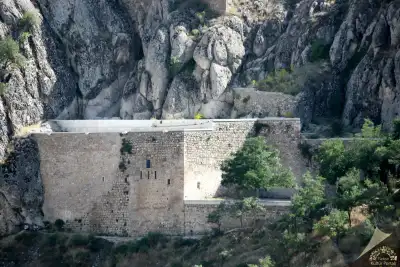
You can expand your historical itinerary in Elazığ by visiting the masjids and tombs in Harput, the Kubbeli Mosque, and Palu Castle. Mollakendi's authentic village charm serves as a peaceful stopover compared to the city's main tourist landmarks.
Things to Keep in Mind When Visiting
Since this is an active place of worship, modest and respectful attire is appropriate. Keeping your visit brief during prayer times is important to avoid disturbing the local congregation. Confirm current visiting details locally before your trip.
This content originates from neresigezilir.com and may not be copied without permission.
Sultan Murad IV Mosque Videos
Sultan Murad IV Mosque videos load when you open this section to keep the page fast.
Show videos
FAQ

Updated: