Hamamkarahisar Mosque is a Seljuk-era mosque built in 1259 by Emir Seyfettin Kızıl in the Hamamkarahisar neighborhood of Sivrihisar; restored and reopened for worship in 2025, it features an adjacent, still-functional historic bathhouse.
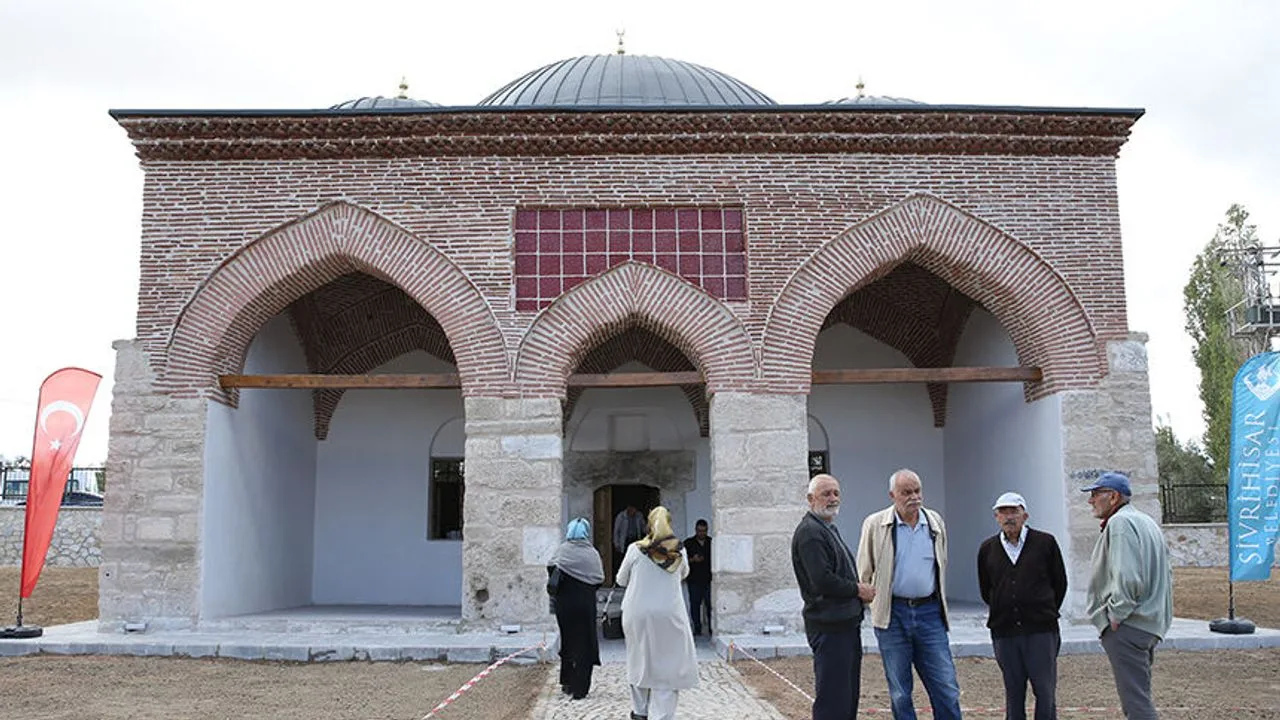
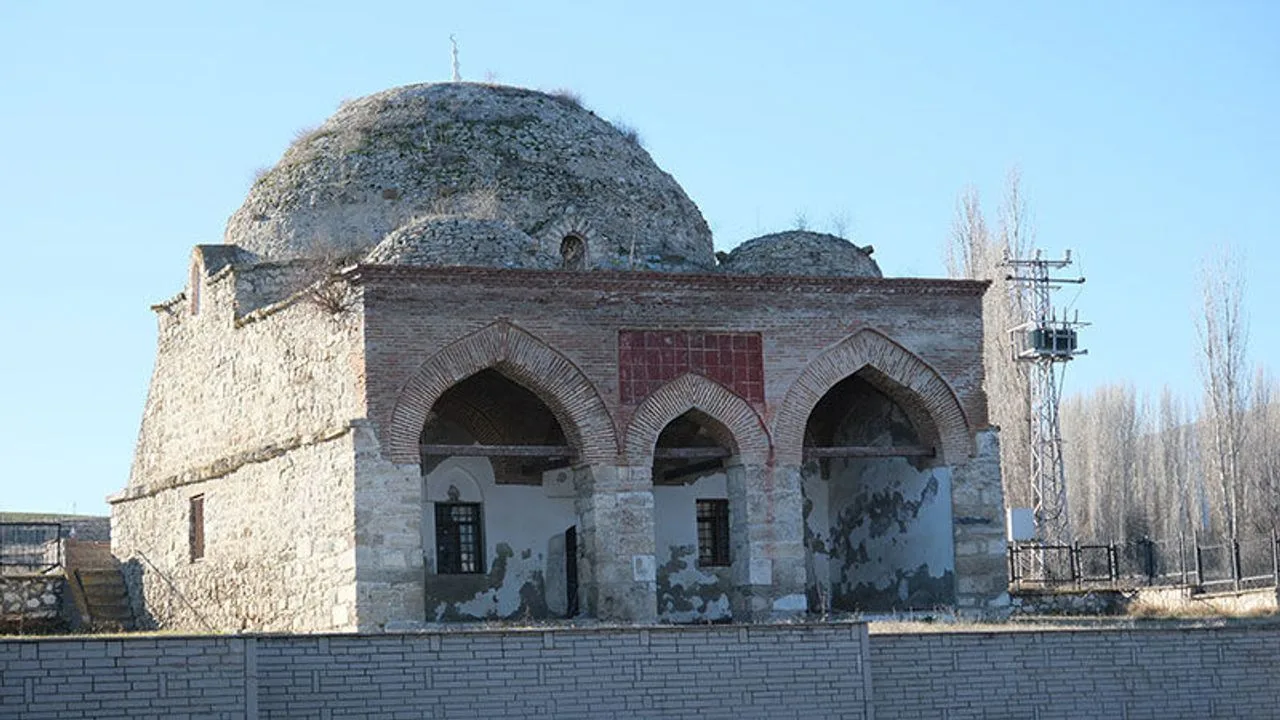
Hamamkarahisar Mosque is a structure dating back to the Anatolian Seljuk period, located in a rural neighborhood of Sivrihisar. According to Culture Portal records, it was built in 1259 by Emir Seyfettin Kızıl. Kızıl is stated to have been a Turkmen Bayındır Tribe chieftain and one of the three great emirs consulted by the sultan of the period, İzzeddin Keykavus. The mosque is considered a unique example reflecting the transition to Ottoman architecture in terms of combining the main sanctuary with the latecomers' porch.
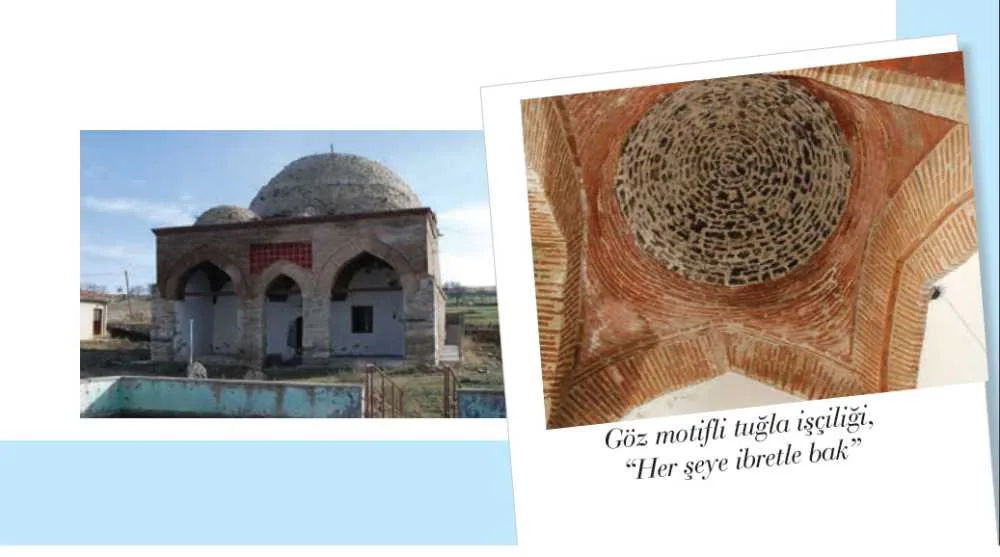
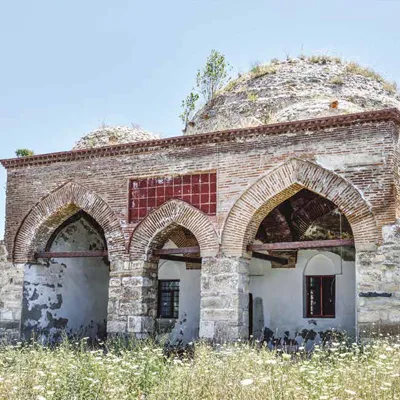
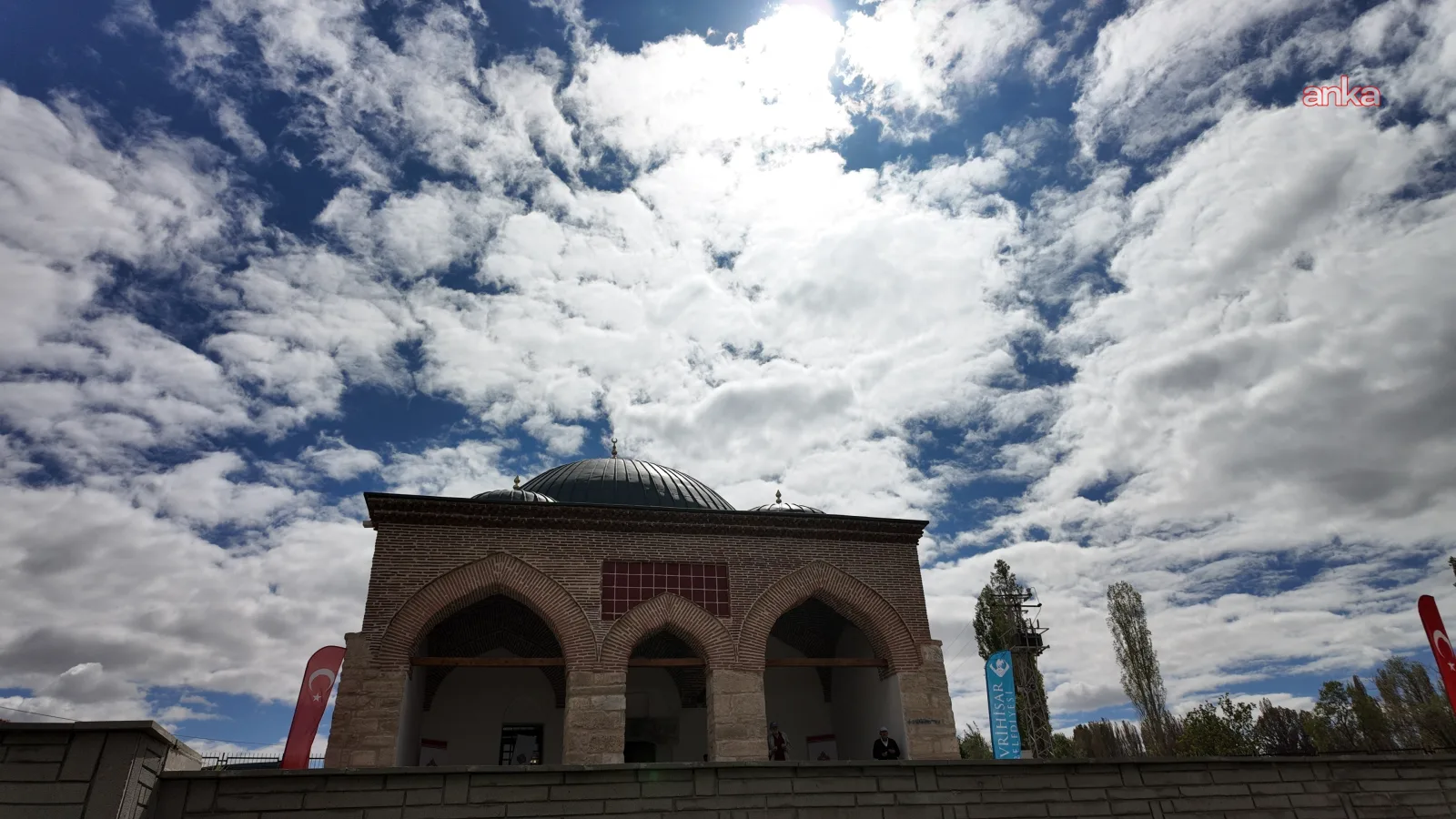
The building remained neglected for many years. Visitor reviews mention the need for restoration and damaged sections. However, it is reported that the stone walls still stand firm and Seljuk traces remain visible. With the restoration work completed by the Sivrihisar Municipality in 2025, the mosque was reopened for worship. The inauguration was attended by the Mayor of Eskişehir Metropolitan Municipality and various politicians.
Right next to the mosque stands a historical bathhouse (hamam). Reviews note that the bathhouse is still functional, features separate sections for men and women, clean restrooms, and changing rooms, and its spring water is believed to have healing properties. The village is distant from the district center; there is only a small grocery store nearby, but locals are described as very welcoming.
History and Architecture
The most striking aspect of the building is the integration of the main sanctuary with the latecomers' porch: it is evaluated as a unique example reflecting the architectural transition from the Seljuks to the Ottomans. Visitor reviews highlight the fine ashlar stonework and the medieval atmosphere dating back to the 1200s.
Restoration Process
The mosque remained disused for a long time, which explains why past reviews mention damaged sections and neglect. Sivrihisar Municipality restored the building using its own resources and reopened it for worship with prayers in 2025. Municipal posts also note that the mosque is nearly 800 years old, aiming to prepare it for Friday prayers around July. Today, visitors can experience the mosque in its newly restored yet historically rich state.
Adjacent Historical Bathhouse
An adjacent historical bathhouse (hamam) is right next to the mosque and remains active to this day. Visitors report that the water is believed to have healing thermal properties, there are separate sections for men and women, and the restrooms and changing areas are kept clean. Exploring the mosque and spending time in the bathhouse offers a unique village experience. Visiting only the mosque without trying the hamam would be an incomplete trip.
Getting There
Hamamkarahisar Neighborhood is relatively far from both Sivrihisar district center and Eskişehir city center. Driving by private car is the most convenient option. Shared minibus options may be limited, so it is recommended to get up-to-date schedules from the Sivrihisar bus terminal. Scenic rural landscapes accompany you along the route.
Local Amenities
Aside from a small village grocery store, commercial options in the neighborhood are virtually non-existent. It is safer to purchase food or drinks in Sivrihisar center beforehand. Visitor feedback notes that the local villagers are friendly, talkative, and warm toward guests.
Nearby Attractions
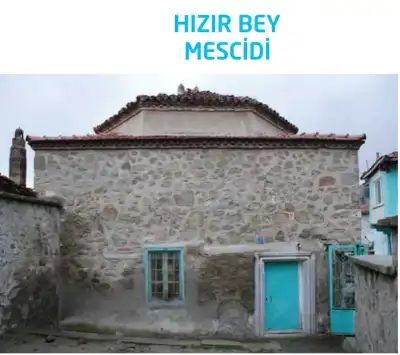
While visiting Sivrihisar, it makes sense to combine your day trip with other historic sites such as Hızır Bey Masjid and Aziz Mahmud Hüdayi Mosque. You can schedule Hamamkarahisar for the afternoon as an extension of your central Sivrihisar itinerary.
This content originates from neresigezilir.com and may not be copied without permission.
FAQ
Updated: