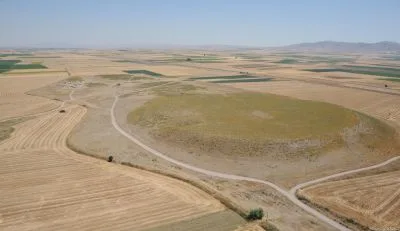
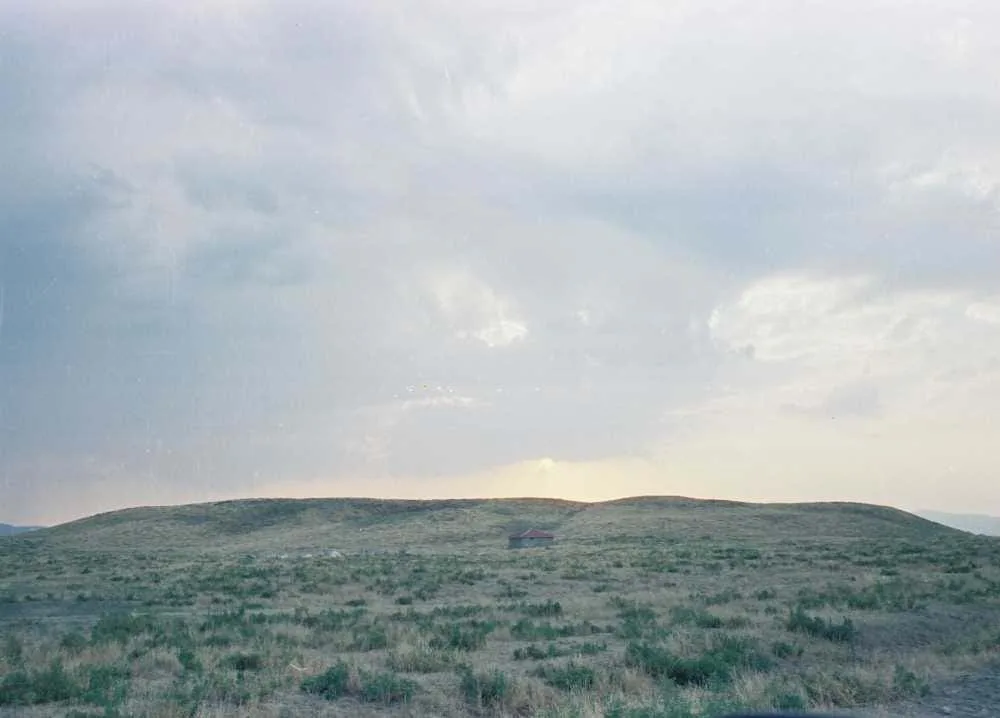
Karahöyük is an ancient mound located east of Eskişehir on the banks of the Porsuk River, housing the ruins of Midaion attributed to King Midas. Standing as tall as a five-story building, it holds archaeological significance with its Cybele altar, rock tombs, and ancient cisterns.
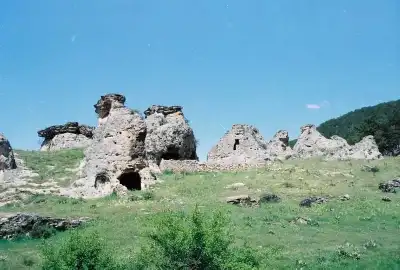
Karahöyük stands within the borders of Alpu district, about 700 meters north of the Eskişehir-Alpu road. The ancient name of the mound is Midaion; believed to have been founded by the Phrygian King Midas, this settlement is among the major prominent mounds in Eskişehir. Situated right next to the Porsuk River, it commands a strategic view over the Alpu Plain. From the outside, it might look like an ordinary mound of dirt, but once you step inside and begin walking, its true scale unfolds. Those who describe it as high as a five-story building are not exaggerating.
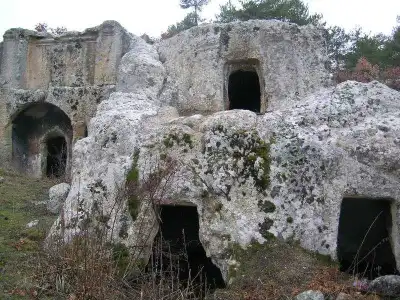
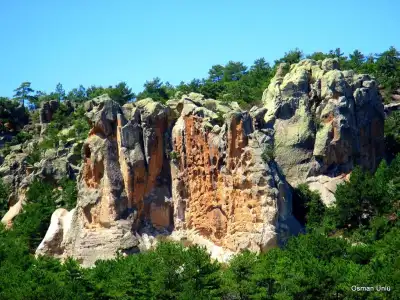
Two structures stand out on site. The altar dedicated to Cybele, a rock arrangement belonging to the chief goddess of Phrygian religion, is a point of interest that often draws visitors' attention. Meanwhile, the system of water cisterns stretching across the back of the mound impresses visitors with its unusual scale. Additionally, there is intricate stonework on the rock surfaces combining snake and human face motifs, which easily goes unnoticed without a careful look. Paths can become indistinct in places. Before venturing to the remoter sections of the mound, it is helpful to get information from Brother Veysel (Veysel Abi) at the entrance: a former local village head (muhtar) who has worked here for years, he knows the site and its artifacts inside out.
Excavation and preservation efforts have not yet reached an adequate level, and information signage remains limited. However, this does not diminish the visit; instead, it offers a peaceful, crowd-free Phrygian experience. It makes for an ideal detour when passing through Eskişehir or travelling along the route to Afyon.
What is Midaion?
Midaion is an ancient settlement believed to have been founded by the Phrygian King Midas. Today known as Karahöyük, this site rises east of Eskişehir on the banks of the Porsuk River. The mound clearly distinguishes itself from its surroundings with a commanding position over the Alpu Plain.
The site houses Phrygian rock masonry, water management structures, and cult areas together. Archaeological excavations are ongoing, and preservation and visitor information facilities are not yet fully established. This gives the visit an adventurous, exploratory feel.
When to Visit?
Spring (April–May) and autumn (September–October) are the ideal seasons. There is no shade atop the mound, making walks around midday in July and August quite exhausting. Planning your visit for early morning between 08:00–09:00 or after 16:00 in the afternoon provides a much more comfortable experience.
During rainy weather, the dirt paths on the mound can turn muddy. Sturdy footwear with good traction is recommended regardless of the season.
How to Get There?
The site lies about 30 km east of Eskişehir city center via the D-200 highway heading towards Alpu, 700 meters north of the main Eskişehir-Alpu road in Karahöyük Village. Traveling by car is the most practical option; simply set your navigation to 'Karahöyük Köyü, Alpu'.
For public transit, buses and minibuses run from Eskişehir bus terminal to Alpu. From Alpu, you can take a taxi to the mound. Renting a car or using a private vehicle is preferable if you plan to add this to a day trip itinerary around Eskişehir.
Photography Spots
The plain extending toward the Alpu Plain and Porsuk River from the summit of the mound offers a great backdrop for wide-angle shots. The rock surface of the Cybele altar becomes particularly clear in the morning light, yielding crisp textures and shadows.
Carvings with snake and human face motifs on the rock surfaces feature interesting details for close-up shots. Inside the cistern area, you get a unique perspective; using a flashlight or smartphone torch is helpful here.
Things to Keep in Mind
Trail markers are absent or very faint in some parts of the area. It is important to ask the attendant at the entrance for advice before heading toward the rear and distant sections of the mound, as getting lost is a real possibility.
Since excavation and conservation work is ongoing, certain areas may be cordoned off. Sturdy walking shoes are essential. Bringing water is also recommended, as there are no facilities in the immediate vicinity.
Suggested Itinerary
For travelers heading from Eskişehir toward Afyon, Karahöyük serves as a natural stopover. Exploring Eskişehir in the morning, visiting Karahöyük in the afternoon, and reaching Afyon by evening makes for a comfortable pace.
If your trip is focused solely on Eskişehir, visit the city center museums and Odunpazarı in the morning, then head to Karahöyük in the afternoon. A visit rarely exceeds 2 hours, allowing for a short break in Alpu on your way back.
Where to Eat Nearby?
There are no food or drink facilities in the immediate vicinity of the mound. Small local eateries serving basic needs can be found in Alpu district center. For a wider range of dining options, you will need to return to Eskişehir city center.
It is practical to carry water and light snacks with you before visiting; keep in mind that there is no shade on the mound, especially during the summer months.
This content originates from neresigezilir.com and may not be copied without permission.
FAQ
Karahöyük / Midaion videos load when you open this section to keep the page fast.
Updated: