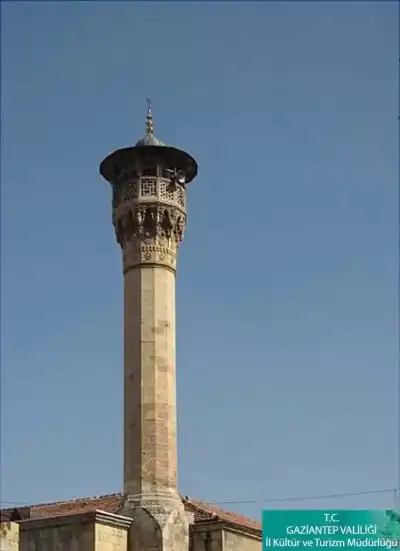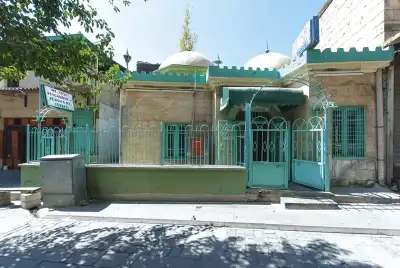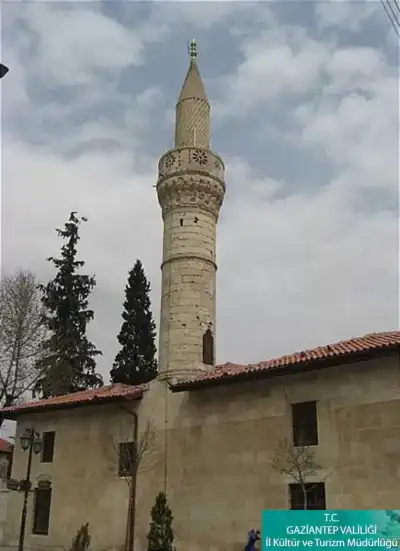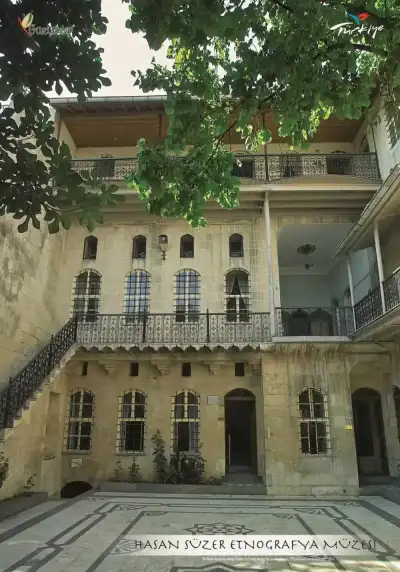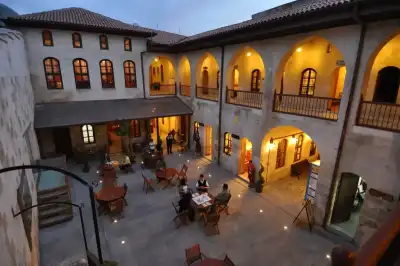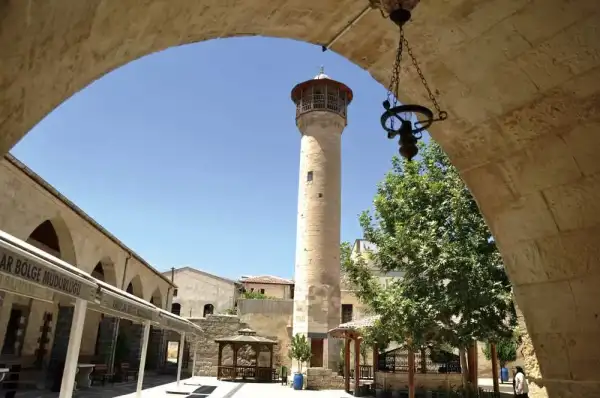
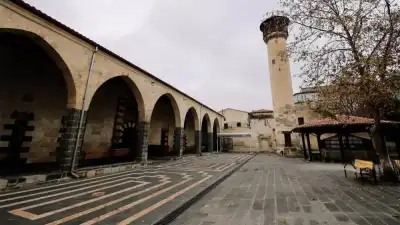
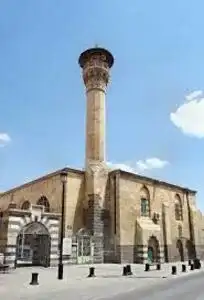
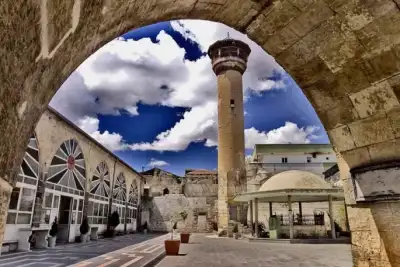

Ali Nacar Mosque is a historic mosque in Gaziantep's Yaprak Neighborhood, representing Ottoman-era architecture with its fine ashlar masonry and colorful marble-tile decorated mihrab. Named after a local carpenter, the mosque is open to visitors free of charge.
Standing on the left bank of the Alleben Stream in Gaziantep's Yaprak Neighborhood, Ali Nacar Mosque holds a unique place in the city's architectural heritage with its rectangular plan. Built with ashlar stone, the interior of the structure is divided by stone piers and covered with cross vaults. The mihrab is decorated with colorful marbles and tiles, while the minbar is carved from marble. The preacher's pulpit is also among the eye-catching elements in the interior.
The person who gave his name to the mosque is a carpenter named Ali ('nacar' meaning carpenter). According to legend, Ali wanted to build a mosque and took steps along this path by consulting the prominent scholars of the period. This story bestows a social significance upon the building.
Best Time to Visit
Summers in Gaziantep can be quite hot; the period between April–June and September–November is much more suitable for exploring the city. Visiting Ali Nacar Mosque before the noon prayer or around the late afternoon prayer allows you to catch a peaceful atmosphere and see how natural light brings the tile and marble decorations on the mihrab to life. Friday prayers attract large crowds, so it is best to avoid those hours if you wish to examine the interior comfortably.
How to Get There
Ali Nacar Mosque is located on Kepkep Street in Gaziantep's Yaprak Neighborhood. Since it is within walking distance of the city center, visitors exploring the historic bazaar district can easily stop by the mosque. You can take municipal buses or minibuses to the Alleben Stream route and walk from there. For those arriving by car, Kepkep Street is quite narrow, making it much more practical to park nearby and walk.
History and Architecture of the Mosque
Although the exact construction date of Ali Nacar Mosque is unknown, it clearly bears the characteristics of traditional Ottoman-era mosque architecture in the region. The rectangular structure was built with ashlar stone; its interior is divided by stone piers and covered with cross vaults. The mihrab, adorned with colorful marbles and tiles, forms one of the most striking elements of the mosque. The marble minbar and preacher's pulpit also reflect the stone craftsmanship of the period.
Ali, after whom the mosque is named, was a 'nacar' (carpenter) by profession. According to legend, Ali wished to build a mosque and realized this dream by consulting the scholars of the time. This story elevates the building beyond a mere architectural work and bestows a social significance upon it.
Photography Spots
The most striking photography details of the mosque are hidden within its interior. The colorful marble and tile mosaic of the mihrab provides an impressive view in close-up shots. The cross-vault system, when framed from below with a wide-angle lens, fully reveals the geometric harmony of the building. From the outside, the perspective created by the ashlar stone facade and narrow Kepkep Street offers a great backdrop for intriguing shots.
Where to Eat Nearby
Yaprak Neighborhood and its surroundings are filled with small local eateries offering Gaziantep's traditional flavors. Within walking distance of the mosque, you can find places serving lahmacun, katmer, and liver kebab. A short walk toward the city's historic bazaar area is enough to enjoy pistachio baklava and künefe.
Suggested Itinerary
You can create a half-day walking itinerary by combining Ali Nacar Mosque with other historic structures in Gaziantep. Reach the mosque by following the Alleben Stream route, then continue toward the historic bazaar and Gaziantep Castle. This route allows you to closely observe the city's architectural layers and daily life.
Things to Know Before You Visit
Ali Nacar Mosque is an active place of worship; during your visit, please pay attention to prayer times and maintain silence. Female visitors are expected to cover their heads with a headscarf, and men should refrain from wearing shorts. Shoes must be removed at the entrance. Because the mosque is located on a narrow street, arriving on foot rather than by vehicle is both practical and respectful of the surroundings.
This content originates from neresigezilir.com and may not be copied without permission.
Ali Nacar Mosque Videos
Ali Nacar Mosque videos load when you open this section to keep the page fast.
Show videos
FAQ
Updated: