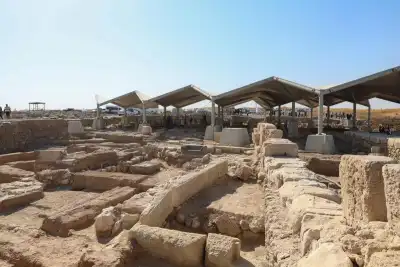
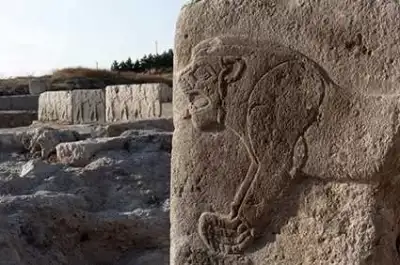
The Ancient City of Karkemish, located in the Karkamış district of Gaziantep on the west bank of the Euphrates River, is a major Neo-Hittite city famed for the Battle of Karkemish in 605 BC.
Karkemish is not merely an ancient city; it is the very bridge between Anatolia and Mesopotamia. Standing on the west bank of the Euphrates River, right on the border line separating Turkey and Syria today, this settlement was one of the most strategic points in the region for thousands of years. Serving as an important capital during the Neo-Hittite Empire, the city also went down in history with the Battle of Karkemish in 605 BC; this conflict, in which King Nebuchadnezzar of Babylon defeated the Egyptian forces, altered the course of the ancient world.
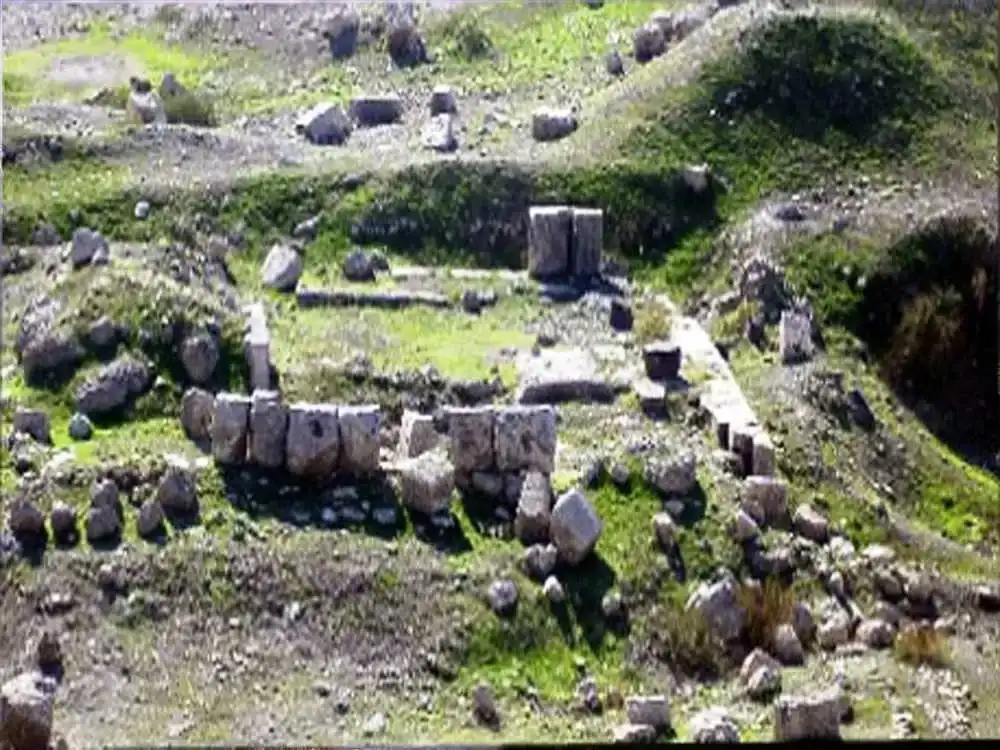
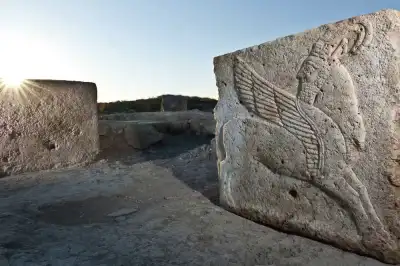
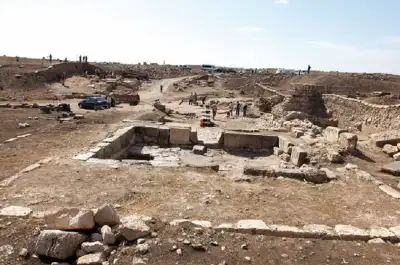
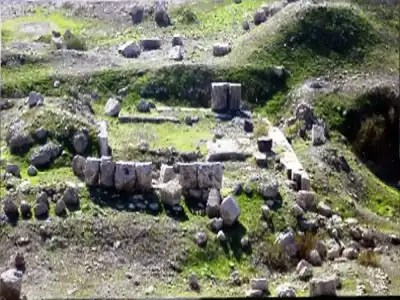
Today, city walls, three-gated citadel entrances, stone orthostat structure foundations, and temple ruins can still be seen on site. The King's Gate orthostats belonging to the city are exhibited at the Gaziantep Archaeology Museum; therefore, visiting the museum should also be part of the itinerary for those wishing to fully comprehend Karkemish. The ongoing work conducted for years by the joint Turkish-Italian excavation team allows more of the site to come to light each year. Described by authorities as an 'archaeopark that will change world history,' this project aims to bring Karkemish to the center of the international archaeology agenda in the near future.
Guide's Note
The Ancient City of Karkemish, boasting a history of at least 3,500 years, is one of the rare archaeological sites containing Hittite temples and palace ruins where excavations are still actively underway. The vast majority of visitors emphasize that the site remains in the shadow of popular destinations like Göbeklitepe and does not receive the attention it deserves. Although the excavation area is smaller compared to some archaeological sites, its location along the Syrian border and the active research environment add special meaning to the visit.
Because the site lies within a military zone, you tour it accompanied by a guide throughout your visit. Photography is generally permitted; only photographing military facilities is strictly prohibited. The road from Gaziantep is largely four-lane and well-maintained, while the alternative route along the Euphrates offers a slower drive due to frequent speed bumps in residential areas. Visitor density is quite low; you can explore the area almost entirely by yourself in the morning hours.
Alongside positive reviews, several points worth noting stand out:
- Presentation and restoration criticism: Multiple visitors find the placement of large concrete blocks over valuable ruins to support a heavy roof problematic both aesthetically and in terms of preservation; site staff also criticize this implementation.
- Mandatory guided tour: Free roaming is not possible due to its military zone status; you must tour with an assigned guide. This can feel restrictive for some visitors.
- Transportation: Road conditions can become challenging on certain routes, especially along the single-lane sections by the Euphrates, extending driving time.
- Overall presentation quality: A few visitors feel the site could be better organized; it is advised to set your expectations accordingly.
Best Time to Visit
Karkemish is subject to the harsh climate of Southeastern Anatolia. Temperatures can rise to 40-42°C in July and August, making walking in the open air for hours quite exhausting. Therefore, April–May and September–October are the most reasonable timeframes for a visit. During these months when the excavation season is active, there can also be more activity and information sharing on site. While winter months are milder in terms of weather, obtain information in advance as access restrictions may occur at times.
How to Get to Karkemish
Karkamış district is located about 100 km southeast of Gaziantep city center, on the banks of the Euphrates River. A private vehicle is the most comfortable option; you can reach the district by following the D400 highway. Although there are regular bus services from Gaziantep to Karkamış, their frequency is limited; an additional vehicle may be required to get from the district center to the ancient city. Due to the region's proximity to the border, you may encounter military checkpoints along the route; make sure to carry your ID.
What to Eat Nearby
Karkamış district center is a small settlement; do not expect large restaurants. Traces of Gaziantep cuisine are felt here as well: you can find local eateries serving lahmacun, katmer, and various kebabs. If you are planning a long excursion, we recommend grabbing snacks and water before leaving Gaziantep city center. Options for purchasing supplies around the ancient city are extremely limited.
Photo Spots
Karkemish offers an unusual landscape for photography. The remnants of the city walls and citadel gate form a dramatic backdrop. The Euphrates River running right beside the site allows you to capture both the river and the historic architecture in the same frame. The atmosphere of being right at ground zero of the border line also sets the scene for documentary-style shots. Since morning light brings out the texture on stone surfaces, photographs taken in the early hours yield more impressive results.
Things to Keep in Mind
Since the Ancient City of Karkemish is located in an active border area, visiting conditions may change from time to time. It is important to confirm the current access status with the Karkamış District Governorate or the Gaziantep Provincial Directorate of Culture and Tourism before visiting. Visitors must refrain from entering excavation areas unauthorized, touching any artifacts, and follow local rules regarding photography. Complying with border security instructions is a legal requirement.
How Many Days to Allocate
Half a day to a full day is sufficient for the Ancient City of Karkemish alone. If you are traveling from Gaziantep, planning a full day is more realistic considering travel times. If you also want to see the Karkemish artifacts at the Gaziantep Archaeology Museum, you can add this to a separate day or to your return trip. Combined with other historical sites in Gaziantep, a 2-3 day itinerary can be created.
Suggested Itinerary
If you are setting off from central Gaziantep, consider the following route: On the first day, visit the Gaziantep Archaeology Museum to see the Karkemish finds and Zeugma mosaics; this builds useful background before visiting the ancient city. On the second day, depart early in the morning for Karkamış, explore the ancient city, and return to Gaziantep in the afternoon. On the way back, you can stop by districts like Nizip or Birecik to discover different textures of the region.
This content originates from neresigezilir.com and may not be copied without permission.
Ancient City of Karkemish Videos
Ancient City of Karkemish videos load when you open this section to keep the page fast.
Show videos
FAQ
Updated: