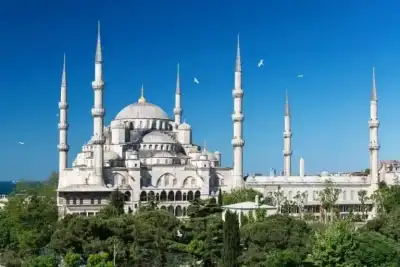
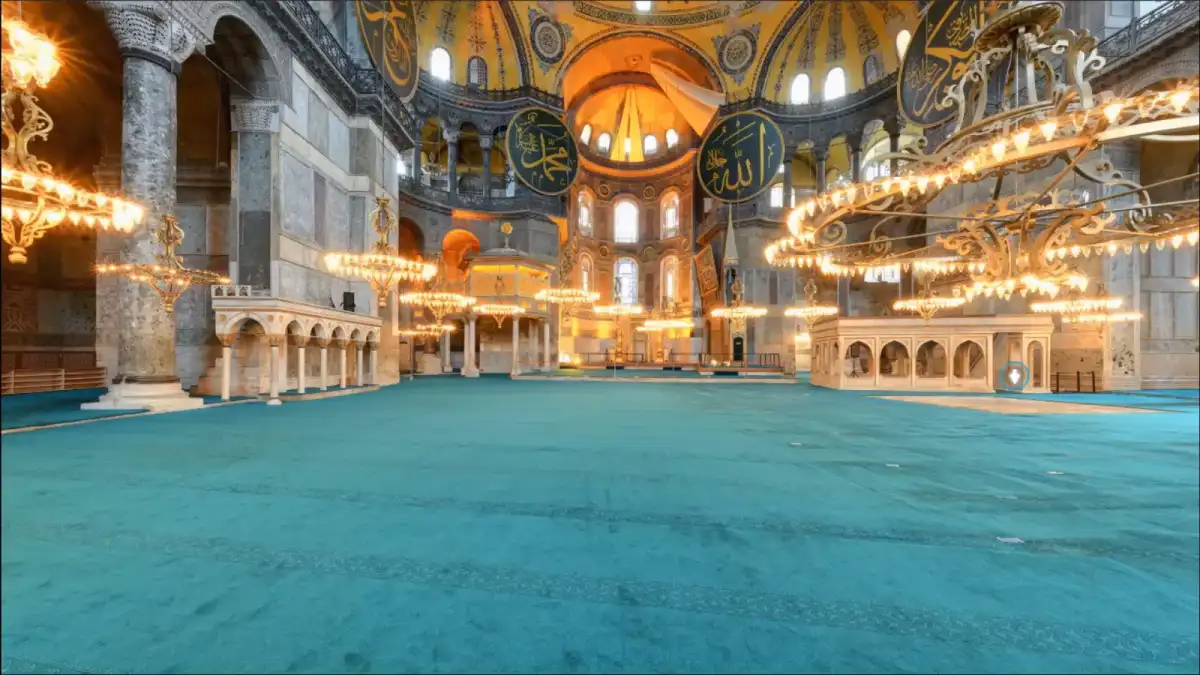
Hagia Sophia Grand Mosque is an iconic historical monument located in Istanbul's Sultanahmet Square. Built in 537 AD, it encompasses Byzantine, Ottoman, and modern eras. Featuring a 55.6-meter-high main dome, vibrant mosaics, and monumental calligraphy, it stands as a cornerstone of world architecture.
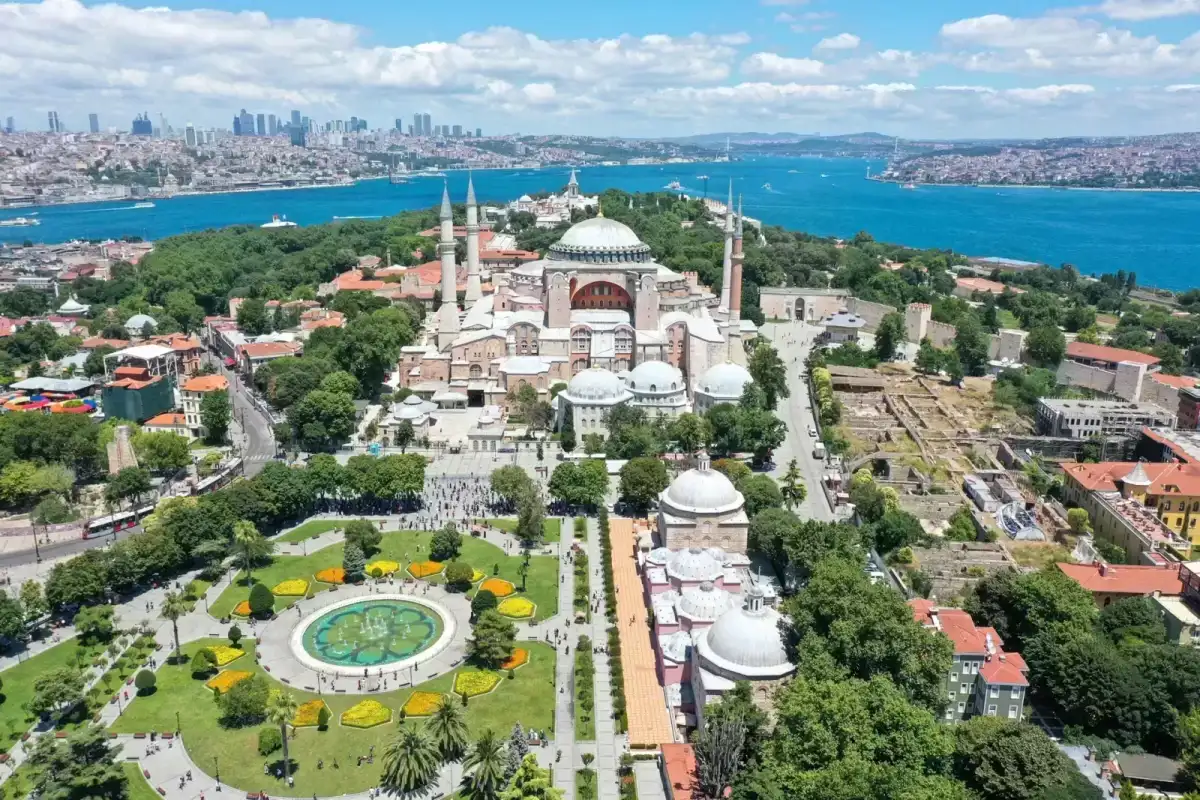
Hagia Sophia Grand Mosque (Ayasofya-i Kebir Camii Şerifi) is located at the heart of Sultanahmet Square on Istanbul's Historic Peninsula. Built as a Christian cathedral in 537 AD under Emperor Justinian I, the building served as the epicenter of Orthodox Christianity for nearly 916 years. Converted into a mosque following the conquest of Constantinople by Sultan Mehmed II in 1453, Hagia Sophia also became a benchmark for Islamic architecture throughout the Ottoman period. Transformed into a museum in the 20th century, it regained mosque status in 2020 and today remains open to both worshipers and visitors under its official name, Hagia Sophia Grand Mosque.
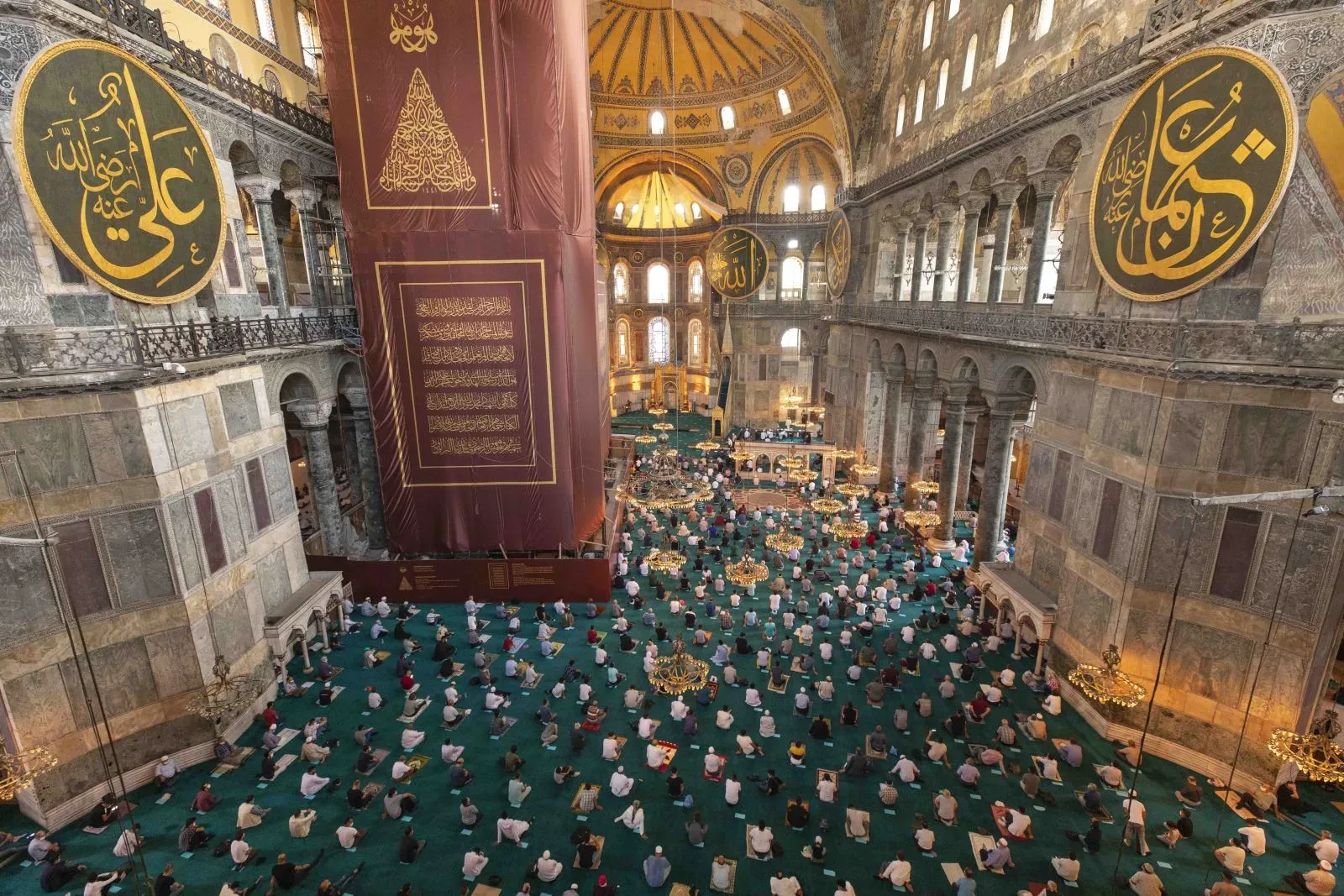
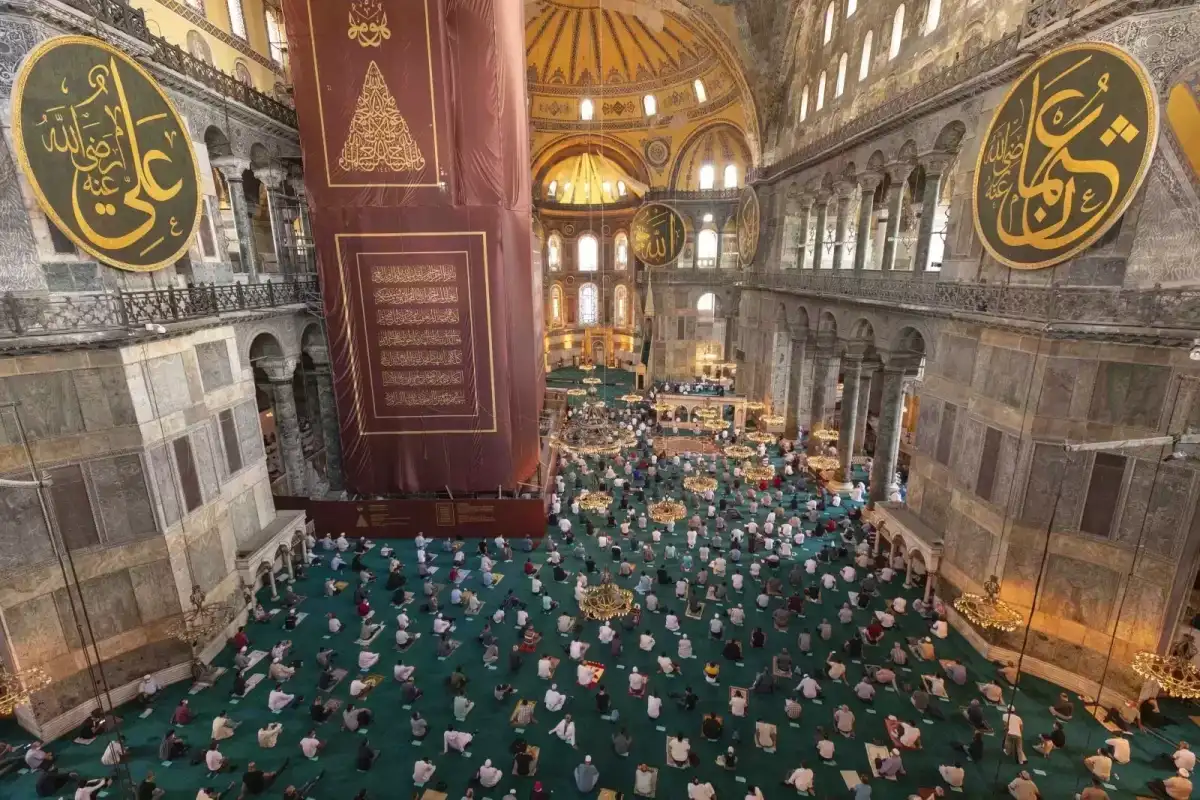
The structure's most breathtaking feature is its 55.6-meter-high main dome, an engineering marvel given the era of its construction. Inside, Byzantine mosaics, Ottoman calligraphic disks, and ancient columns display the clear footprints left by successive civilizations. The upper gallery floor is well worth visiting, as it offers a much closer look at the historic mosaics. Note that a separate paid entrance fee applies to foreign tourists visiting the gallery level, while entry is free for Turkish citizens visiting for worship.
Guide's Note
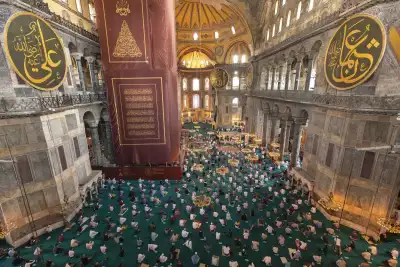
Hagia Sophia Grand Mosque stands out as one of Istanbul's most essential landmarks, welcoming visitors from diverse backgrounds and faiths. Most travelers consider it a absolute must-see destination, frequently highlighting its monumental architectural significance and profound interior ambiance. Visitors who have had the chance to attend Friday prayers here often describe the experience as deeply meaningful.
However, travelers should note that the landmark is currently undergoing extensive restoration work. Several visitors report that significant portions of both the interior and exterior are obscured by scaffolding. Factoring this into your plans will help keep your expectations realistic.
Here are key practical tips shared by recent visitors:
- Female visitors are required to wear a headscarf inside; bring your own to save time.
- A few visitors have noted a noticeable stuffy odor inside the main space.
- Occasional pickpocketing attempts have been reported in surrounding crowded areas; keep a close eye on your belongings.
- Some reviews mention that non-Muslim tourists may have restricted access to the ground floor; checking current visitor guidelines beforehand is recommended.
- Because of ongoing restoration scaffolding, photography enthusiasts might consider postponing their visit if capturing unobstructed shots is a priority.
When to Visit?
The ideal months to visit Hagia Sophia are April-May and September-October. Mid-summer (July-August) brings peak tourist traffic, resulting in long waiting times both outdoors and indoors. During winter, visitor numbers drop significantly, offering a peaceful experience; however, keep in mind that closing time moves earlier to 17:00.
In terms of daily timing, the early morning hours right as doors open provide the smoothest visit. Afternoon hours, particularly between 11:00 and 14:00 when tour groups arrive, can get very crowded. Since tourist entry is paused during Friday prayers, avoid scheduling your visit around those hours.
How to Get There?
Hagia Sophia is easily accessible via Istanbul's public transit network. Take the T1 Tram line and alight at Sultanahmet stop; the monument is directly across from the station. You can easily catch this line from Sirkeci, Eminönü, or Karaköy. The Sultanahmet Metro Station on the M1 line is also within comfortable walking distance.
If coming from Asian-side hubs like Üsküdar or Kadıköy, taking a ferry across to Eminönü and boarding the tram from there is both scenic and cost-effective. Driving or taking a taxi is not recommended due to severe traffic and scarce parking; public transport is by far the most hassle-free option.
Where to Eat Nearby?
While Sultanahmet Square is lined with tourist-oriented eateries, walking just a few blocks further yields better quality and fairer prices. Restaurants located immediately around the square often mark up prices due to heavy foot traffic. You can find far more authentic and budget-friendly choices along Divan Yolu Avenue and toward Çemberlitaş.
Near the Grand Bazaar and Spice Bazaar in Eminönü, classic street foods such as fish sandwiches (balık ekmek) and stuffed mussels offer an iconic culinary experience. Starting your morning at a traditional breakfast hall around Sirkeci before exploring is also a wonderful idea.
Best Photography Spots
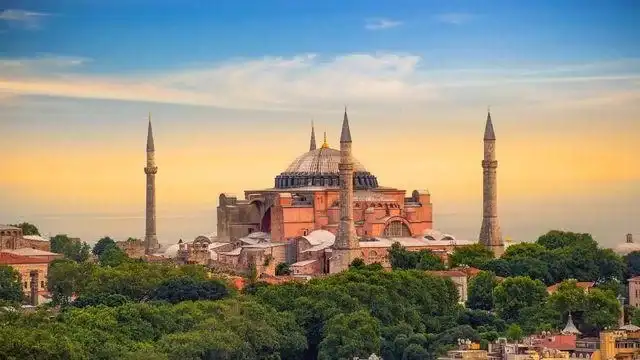
The best exterior views of Hagia Sophia can be captured from the far corner of Sultanahmet Square or from the courtyard of the Blue Mosque; both angles allow you to frame both historic landmarks in a single shot. Around sunset, the dome takes on a golden hue, creating a dramatic atmosphere.
Indoors, the gallery floor is the best vantage point for photography; it allows close-up shots of Byzantine mosaics as well as an elevated perspective over the main dome. Standing directly under the central dome and shooting upward conveys the immense scale of the architecture. Morning daylight filtering through the eastern windows creates soft illumination ideal for photos.
Important Things to Know Before You Go
Because Hagia Sophia is an active place of worship, modest dress is strictly enforced. Shoulders and knees must be covered, and female visitors are required to cover their heads. While head coverings are provided at the entrance, supplies can run short during peak hours; carrying a light scarf in your bag is always recommended.
During prayer times, tourist access to the main prayer hall is restricted or halted. Booking your gallery floor ticket online in advance helps you bypass ticket booth lines, especially in peak summer months. Visitors are expected to speak quietly and refrain from disturbing those who are praying.
How Much Time Should You Spend?
Exploring just the main prayer hall typically takes 1 to 1.5 hours. If you wish to examine the Byzantine mosaics and Ottoman calligraphy closely, visit the upper gallery level, and absorb the building's historical depth, plan to spend 2 to 2.5 hours.
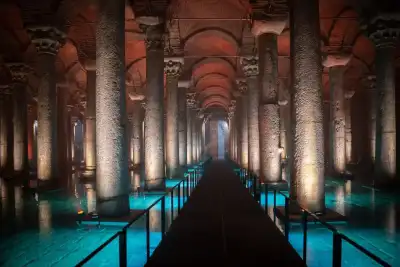
You can easily pair Hagia Sophia with other major landmarks in Sultanahmet—such as the Blue Mosque, Topkapi Palace, and the Basilica Cistern—for a comprehensive Historic Peninsula itinerary. Plan for most of a full day to cover this entire route comfortably.
Suggested Itinerary
To make the most of a single day in Sultanahmet, start your morning at 09:00 at Hagia Sophia. Spend about 2 hours exploring the main hall and upper gallery, then walk 5 minutes over to the Basilica Cistern. After enjoying lunch along Divan Yolu Avenue, head to Topkapi Palace in the afternoon. End your day at the Blue Mosque and watch the sunset from Sultanahmet Square to soak in the area's rich evening atmosphere.
This content originates from neresigezilir.com and may not be copied without permission.
FAQ
Hagia Sophia Grand Mosque videos load when you open this section to keep the page fast.
Updated: