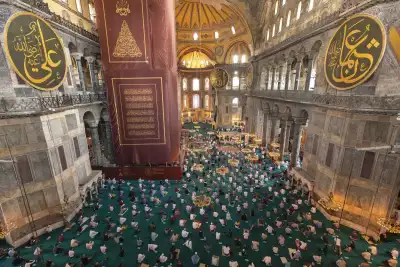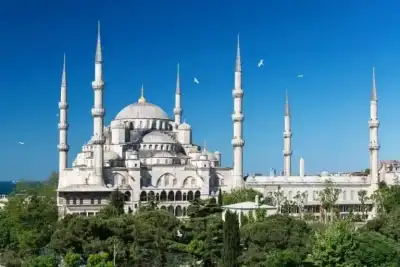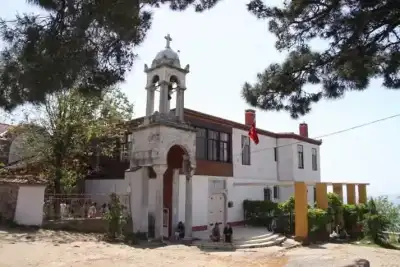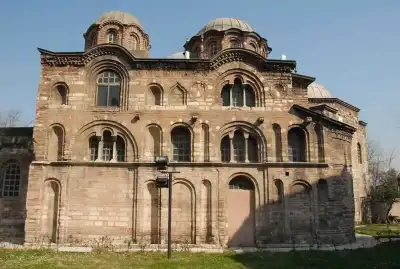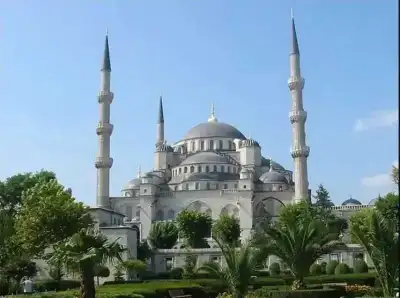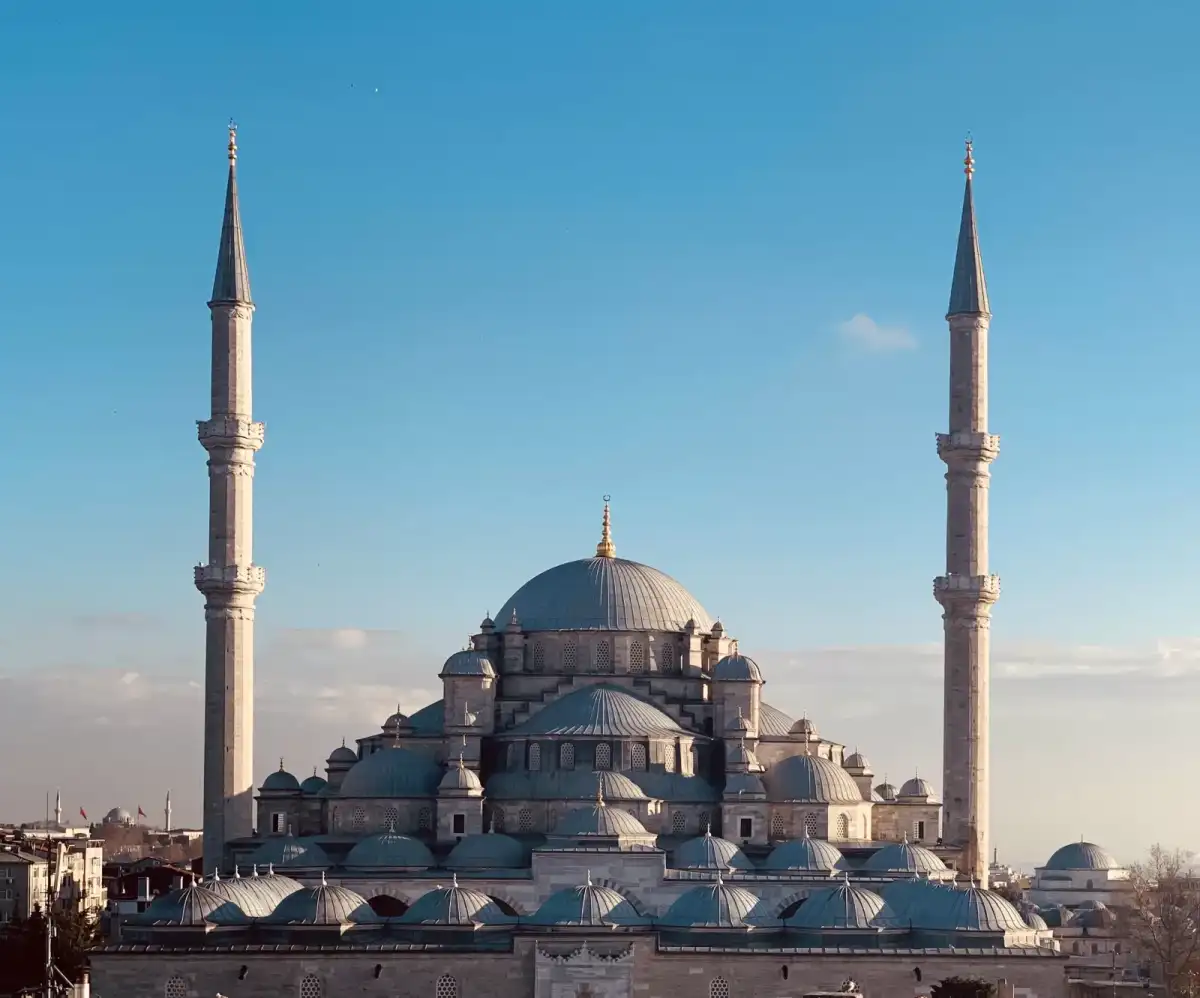
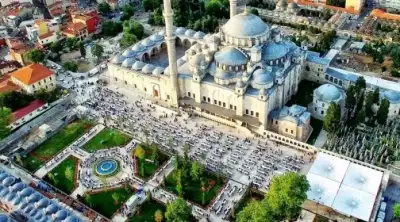
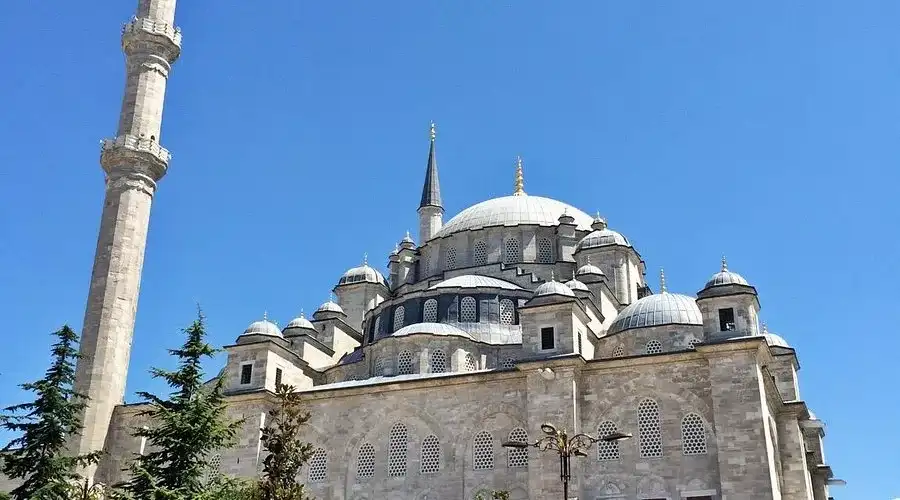
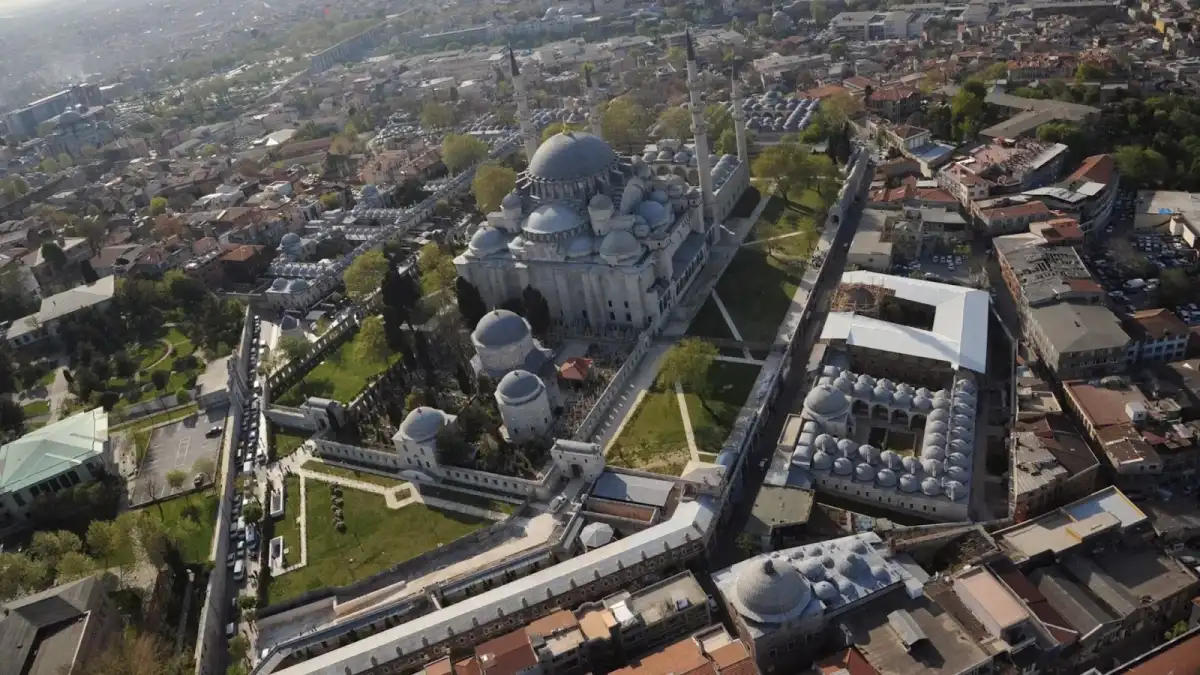
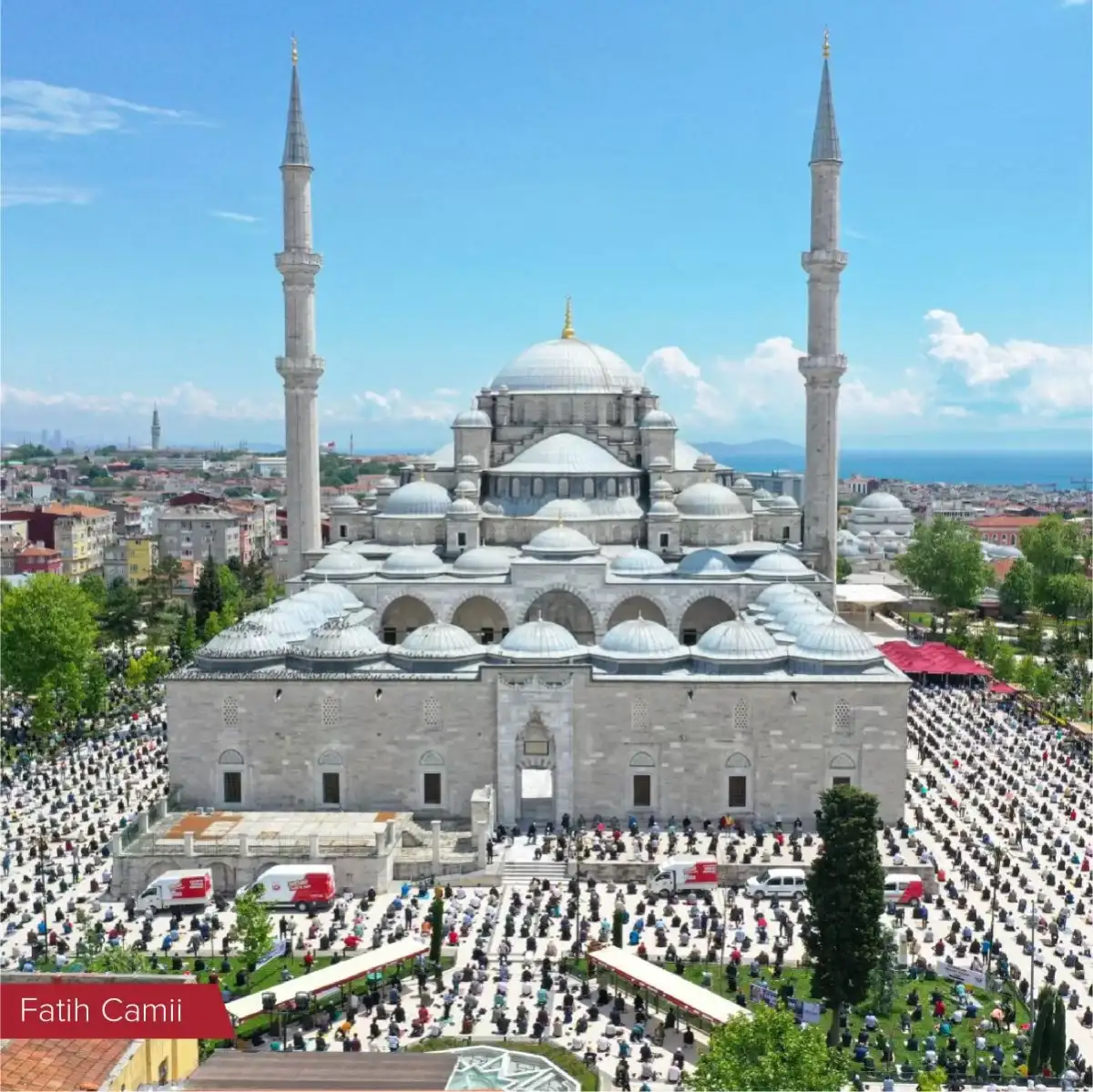
The Fatih Mosque is a major Ottoman imperial mosque located on Istanbul's fourth hill, commissioned by Sultan Mehmed II between 1463 and 1470. Featuring a sprawling complex with 16 madrasas, a hospital, a library, and a soup kitchen, it stands as a symbol of the conquest of Istanbul and houses the Tomb of Mehmed the Conqueror. It is free to visit.
Commissioned just ten years after the conquest of Constantinople, the Fatih Mosque is one of the landmark structures symbolizing the rebirth of the city. Designed by the architect Atik Sinan and completed in 1470, the mosque was positioned atop the fourth of Istanbul's seven hills, offering a commanding view over the city's skyline. After suffering severe damage in the 1771 earthquake, it was rebuilt by architect Mehmed Tahir Ağa in line with the architectural style of that era.
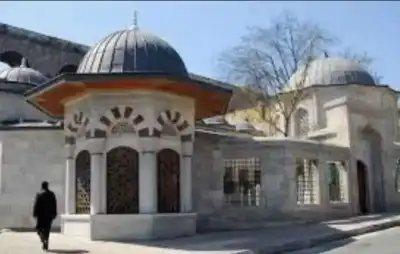
The mosque is far more than a simple place of worship. The surrounding complex (külliye)—comprising 16 madrasas, a hospital (darüşşifa), a hospice (tabhane), a soup kitchen (imaret), a library, and a bathhouse—reflects a complete urban layout within itself. The Tomb of Sultan Mehmed the Conqueror is situated in the courtyard of the complex and welcomes hundreds of visitors daily. Set in the heart of the vibrant Fatih district, this complex continues to breathe life into daily Istanbul routine through its rich historical framework.
Guide's Note
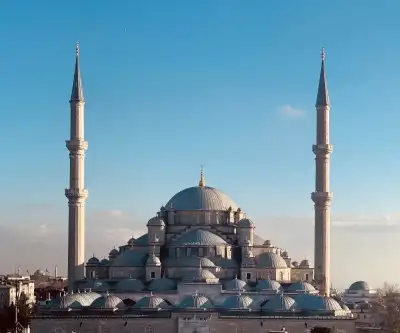
The Fatih Mosque and Complex was originally built by Sultan Mehmed II in 1470; after sustaining earthquake damage, parts of the site were rebuilt in the Baroque style. Visitors particularly admire the structural grandeur and large courtyard of the mosque, noting that the courtyard provides a peaceful spot to rest during the day. The tomb inside the complex holds special significance as the resting place of Sultan Mehmed the Conqueror.
The mosque remains an active place of worship during daily prayers and religious sermons. Guests appreciate the spiritual atmosphere and serene environment. Public restrooms are available near the courtyard entrance, offering a practical convenience for longer visits.
- Crowds: On public holidays and special occasions, tour groups can make the area quite busy; visiting on quiet weekdays makes for a more relaxed experience.
- Maintenance: One visitor noted that interior carpets appeared somewhat worn.
- Tomb interest: A few visitors felt that the Tomb of Mehmed the Conqueror deserves even greater historical recognition than it typically receives.
The Conquest Reflected in Stone: Fatih Mosque
Following the conquest of 1453, Sultan Mehmed II sought to bestow a lasting Ottoman identity upon the newly conquered city. This vision took concrete shape with the Fatih Mosque and Complex, whose foundation was laid in 1463 and completed in 1470. Designed by architect Atik Sinan, the project was one of the largest social and religious complexes of its era.
A major earthquake in 1771 destroyed much of the original mosque, after which it was rebuilt by architect Mehmed Tahir Ağa. Consequently, the mosque building visible today largely reflects 18th-century Ottoman architecture, while several elements of the complex retain traces of the original 15th-century layout. Featuring twin minarets, a grand courtyard, and an imposing dome, the building remains the undisputed symbol of the Fatih district.
When to Visit?
The quietest time to visit the Fatih Mosque is right after the morning prayer until just before midday. During these early hours, both the interior and the courtyard carry a peaceful atmosphere. The area becomes very crowded around Friday noon prayers, so visitors planning a trip on Friday should be prepared accordingly.
Seasonally, spring and autumn are the most comfortable times to spend time outdoors in the courtyard. In summer, the marble courtyard surface can become quite hot at noon, making early morning visits much more enjoyable. During winter, visitor density decreases, giving the mosque interior a cozy and quiet ambiance.
How to Get to Fatih Mosque?
The most practical way to reach the mosque is by taking the metro. Get off at Vezneciler Station on the M2 line and walk for about 10-15 minutes. Along the walk, the historic streets of the Fatih district naturally form an enjoyable walking route.
Several bus lines coming from Eminönü, Beyazıt, and Aksaray stop directly at the Fatih bus stop. If traveling by tram, disembark at Beyazıt Station on the T1 line and walk for 15-20 minutes or transfer to a local minibus. For those arriving by car, paid parking lots are available nearby, though public transit is generally preferable due to narrow neighborhood streets.
Best Photo Spots
One of the most impressive photography angles at the Fatih Mosque is right in front of the main courtyard entrance gate, where both minarets and the central dome fit perfectly into a single frame. Within the courtyard, shooting around the ablution fountain (şadırvan) captures the symmetrical facade against the sky in a nice composition.
The section housing the tomb also provides attractive angles in terms of architecture and natural light. Early morning sunlight hitting the marble courtyard creates a soft, pleasing effect. For external shots, the surrounding streets facing the north and south facades offer alternative perspectives. The congregation gathering in the courtyard after Friday prayer also presents unique opportunities for documentary-style photography.
Where to Eat Nearby?
The area surrounding Fatih Mosque is known for offering some of Istanbul's most authentic local neighborhood flavors. Small eateries serving traditional Turkish breakfast, flatbread (pide) and pastry (börek) bakeries, and meatball shops line the streets near the mosque. On Wednesdays, when the famous Fatih Çarşamba Market is held, street food options expand significantly.
If you don't mind walking a bit further toward Saraçhane and Aksaray, you'll find long-standing restaurants preserving traditional Istanbul cuisine. Classic dishes like tripe soup (işkembe), slow-cooked white beans (kuru fasulye), and rice are easy to find here. For dessert, local bakeries offer fresh simit, savory pastries, and traditional Ottoman-style sweets.
Fatih Mosque-Centered Walking Route
You can position the Fatih Mosque as the focal point of a comprehensive Historic Peninsula itinerary. Starting early in the morning at the mosque, explore the courtyard and tomb before walking over to the nearby Şehzade Mosque. Continuing from there toward the Süleymaniye Mosque allows you to experience three distinct eras of Ottoman architecture back-to-back.
In the afternoon, head toward Vezneciler to reach the Grand Bazaar and the Spice Bazaar. Those looking for an extended itinerary can add the Kariye Mosque (Chora) toward Edirnekapı to their route. All these landmarks are conveniently connected by public transportation or walking paths.
Things to Know Before You Visit
Fatih Mosque is an active place of worship, so adhering to basic etiquette is important for a respectful and seamless visit. You must remove your shoes before stepping inside the mosque; shoe racks are available at the entrance. Female visitors are expected to cover their heads, with shoulders and knees covered. Headscarves and wraps can be borrowed at the entrance if needed.
Tourist entry into the main prayer hall may be restricted or temporarily paused during daily prayer times; checking prayer schedules beforehand will help you plan your visit smoothly. The courtyard and tomb are generally accessible throughout the day. When taking photos, be careful not to disturb worshippers, and avoid using flash indoors.
This content originates from neresigezilir.com and may not be copied without permission.
Fatih Mosque and Complex Videos
Fatih Mosque and Complex videos load when you open this section to keep the page fast.
Show videos
FAQ
Updated: