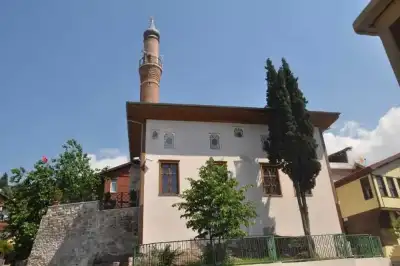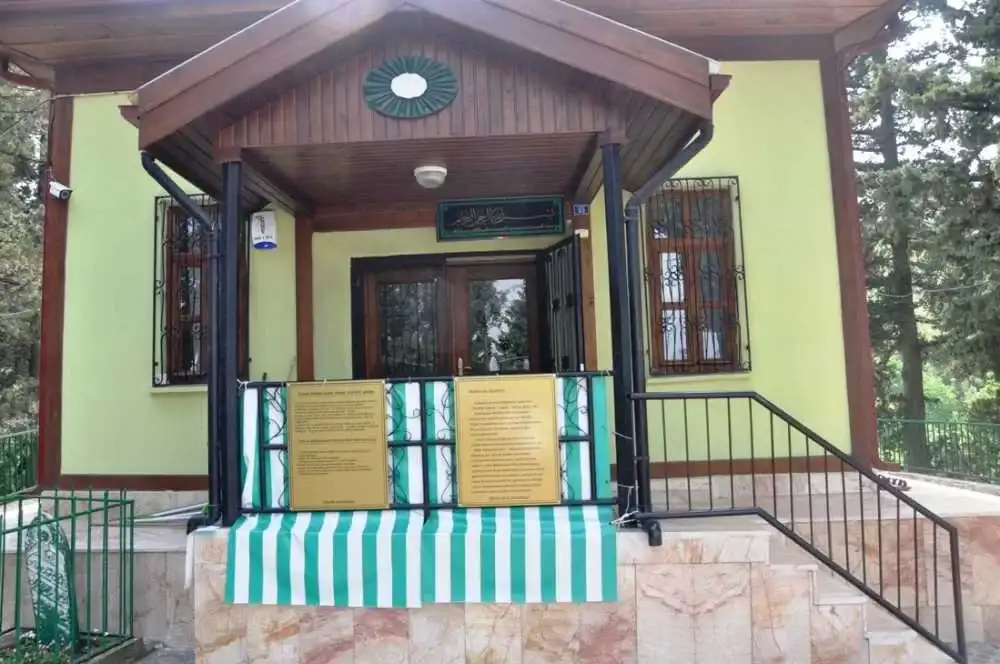
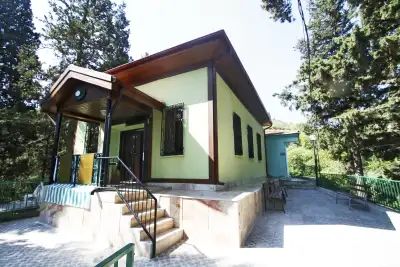
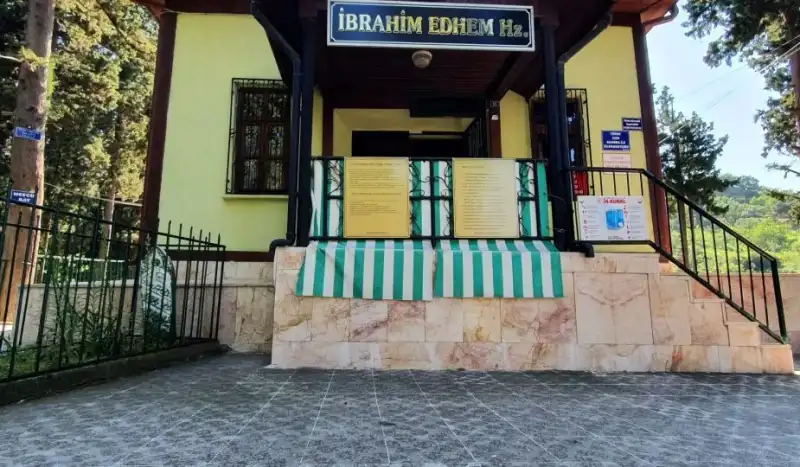
Sultan Baba Tomb is one of the rare Ottoman-era shrines in Kocaeli, located on a hilltop surrounded by cypress trees in Örcün Village, Gölcük district. Admission is free.
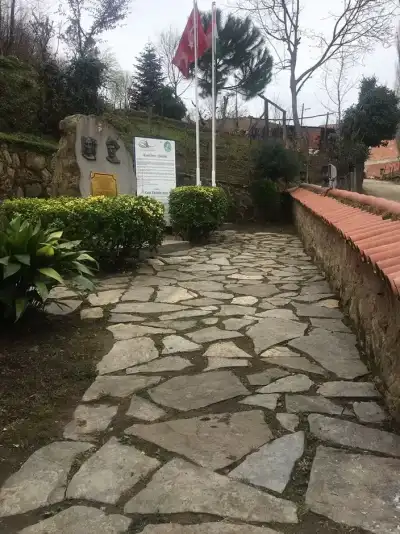
The Sultan Baba Tomb stands on an elevated platform surrounded by cypress trees in Örcün Village, located in the Gölcük district of Kocaeli. According to sources, the shrine is dedicated to İbrahim Edhem, fondly known as Sultan Baba, who originally resided in Sinop and is believed to have migrated to Gölcük to spread Islam in the region. The shrine stands out as one of the rare surviving examples of Ottoman-era tomb architecture in Kocaeli.
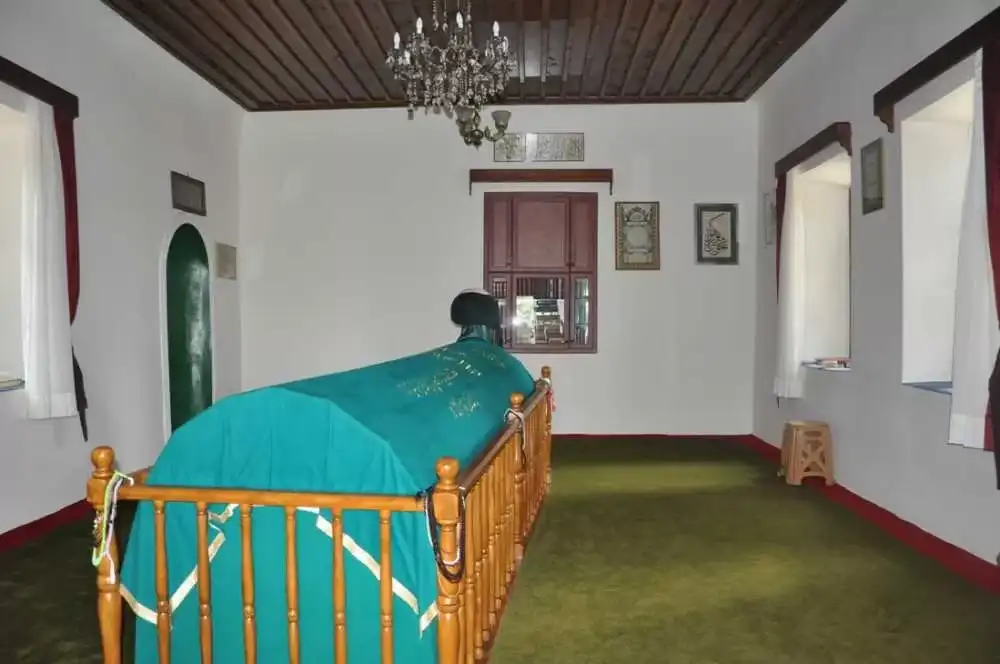
Among the legends surrounding the tomb, a story recounting how the Sultan's daughter was healed here played a decisive role in naming the sanctuary "Sultan Baba." Both the interior and exterior of the shrine undergo regular maintenance, ensuring that visiting areas, walls, and flooring are meticulously preserved. An on-site prayer hall (mescit) and restrooms offer basic amenities for visitors.
Guide's Note
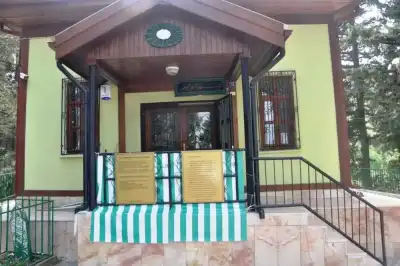
Perched on a hill overlooking the Gulf of İzmit, the Sultan Baba Tomb is described by most visitors as a quiet and peaceful destination. The prevailing impression in visitor feedback highlights the serene feeling created by combining the tomb's spiritual presence with its surrounding natural setting. Some visitors return regularly, stating that they revisit the shrine for prayer and inner peace.
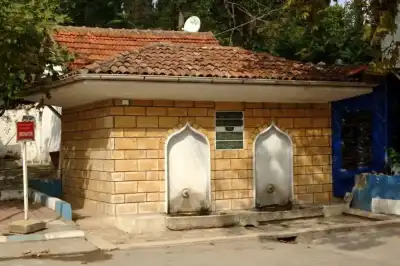
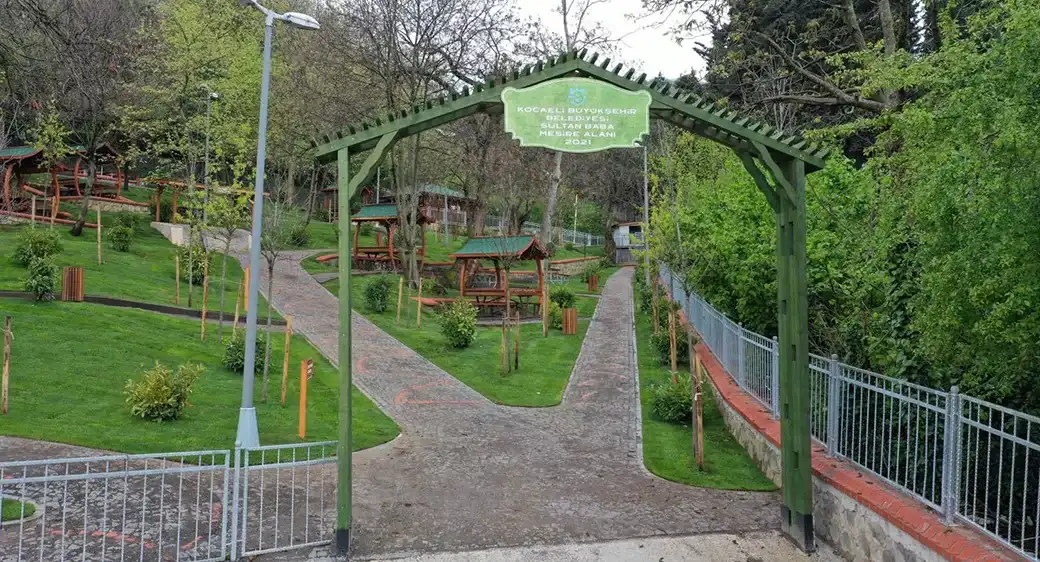
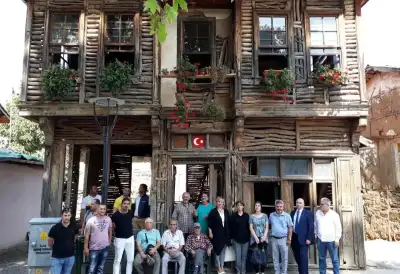
Physically, the shrine is regarded as clean and well-maintained. Thanks to municipal arrangements, there is a tea garden, seating areas, and picnic facilities available, making the grounds suitable for leisure and picnics. A historical bath (hamam) is located nearby; however, some visitors note that it was closed during their visit, preventing them from seeing the interior. The hamam has been restored into a museum exhibiting works by calligraphers from İzmit.
Negative reviews or complaints are practically non-existent, meaning there are no major issues to report. Nevertheless, visitors might want to keep a few practical details in mind when planning their trip:
- The historical hamam can occasionally be closed; it is advisable to check whether it is open before heading over.
- A cat family with young kittens lives in the garden around the tomb; animal lovers might want to bring along some pet food.
- Since the grounds are popular for picnics and outdoor gatherings, finding a completely quiet atmosphere on busy weekend days may be challenging.
Historical and Architectural Significance
The Sultan Baba Tomb is one of the few documented Ottoman-period shrine structures in Kocaeli. The figure after whom the tomb is named is cited in records as İbrahim Edhem. According to legend, İbrahim Edhem originally lived in Sinop but migrated to the Gölcük region to spread Islam, where he eventually passed away.
The narrative of the Sultan's daughter regaining her health at this shrine played a key role in bestowing the title "Sultan Baba" upon the structure. This tradition of naming sacred sites based on miraculous occurrences is a widespread pattern seen in many tombs across Anatolia. The shrine was built on an elevated platform surrounded by tall cypress trees, reflecting a design approach frequently favored in Ottoman funerary architecture. The interior and exterior undergo regular upkeep, offering visitors a clean and well-preserved environment.
Visiting Rules and Dress Code
Sultan Baba Tomb is an active place of worship; therefore, observing certain rules during your visit is both a matter of respect and a practical necessity. Visitors must remove their shoes before stepping inside the tomb. Female visitors are expected to cover their heads, and both men and women should ensure their shoulders and knees are covered.
As there may be people performing prayers or reciting supplications inside, avoid talking loudly, using speakerphones, or making abrupt movements. Keep in mind that entry to the main tomb chamber may be restricted during congregational prayer times; in such cases, waiting outside until prayers conclude is the most appropriate etiquette. The adjoining prayer room (mescit) is open to anyone wishing to pray before or after visiting.
How to Get There?
The Sultan Baba Tomb is situated in Örcün Village, approximately 3.5 km from central Gölcük. Visitors relying on public transportation can travel from Gölcük to Değirmendere first, and then board the private public minibuses running directly to Örcün Village.
For those traveling by private vehicle, searching for "Örcün, Sultanbaba Cd. No:136, Gölcük" in navigation apps will guide you directly to the site. Positioned on a hilltop lined with cypress trees, the shrine is easy to spot visually as you approach. For up-to-date parking details, it is advisable to check official sources before your trip.
Best Time to Visit
The shrine can be visited throughout most of the year. Spring and autumn offer milder temperatures, making a peaceful stroll beneath the shade of the cypress trees particularly pleasant. In summer, keep in mind that the hilltop exposure can feel quite warm during peak midday hours.
Visitor turnout increases noticeably during Friday prayer times and on holy nights (Kandil). Visitors wishing to tour the shrine during these times may prefer to wait until prayer services are completed before entering. Early morning hours and late afternoons are ideal, providing both a quieter setting and softer lighting for photography.
Photography and Visit Etiquette
The elevated hilltop setting of the Sultan Baba Tomb, framed by cypress trees, provides a lovely backdrop for exterior photography. The facade and landscaped surroundings are well-suited for taking photos. However, before taking photos inside the tomb, check if anyone is currently worshipping or praying; putting away your camera or phone during such moments is a fundamental sign of respect.
Refraining from flash photography, setting devices to silent mode, and avoiding photographing individuals inside without permission are essential rules applicable to any religious sanctuary. Photos taken from the exterior can beautifully frame both the cypress trees and the architecture together, yielding satisfying results from both a documentary and aesthetic standpoint.
Nearby Historical Route
The Sultan Baba Tomb can be visited as part of an itinerary linking the historical and cultural landmarks of the Gölcük district. Located just 3.5 km from central Gölcük, a visit here can easily be combined with other local sights on the same day.
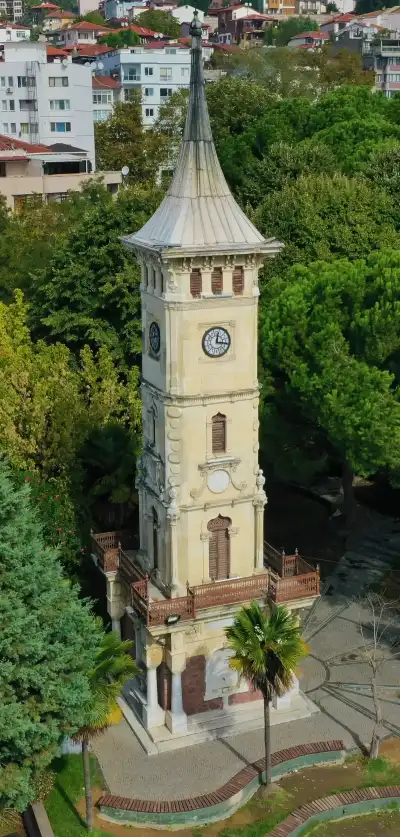
The natural scenery and rural charm surrounding Örcün Village can be explored on a short walk following your visit to the shrine. Additionally, downtown İzmit can be included as part of a day trip; the historic buildings and coastal promenade of İzmit offer great complementary stops to complete your visit.
This content originates from neresigezilir.com and may not be copied without permission.
Sultan Baba Tomb Videos
Sultan Baba Tomb videos load when you open this section to keep the page fast.
Show videos
FAQ
Updated: