Dara Ancient City, located 30 km southeast of Mardin, is a garrison city founded in 505 AD by Roman Emperor Anastasius against the Sasanians; it is renowned for its underground cisterns and rock-cut necropolis, with free entry.
Dara is a military garrison city established in 505 by Emperor Anastasius to defend the Eastern Roman border against the Sasanians. Situated 30 km southeast of central Mardin, it sits directly inside Oğuz Village. Today, the village homes and ancient ruins are deeply intertwined. The city was originally surrounded by a 4-kilometer fortification wall, while its inner fortress was built atop a 50-meter hill to the north.
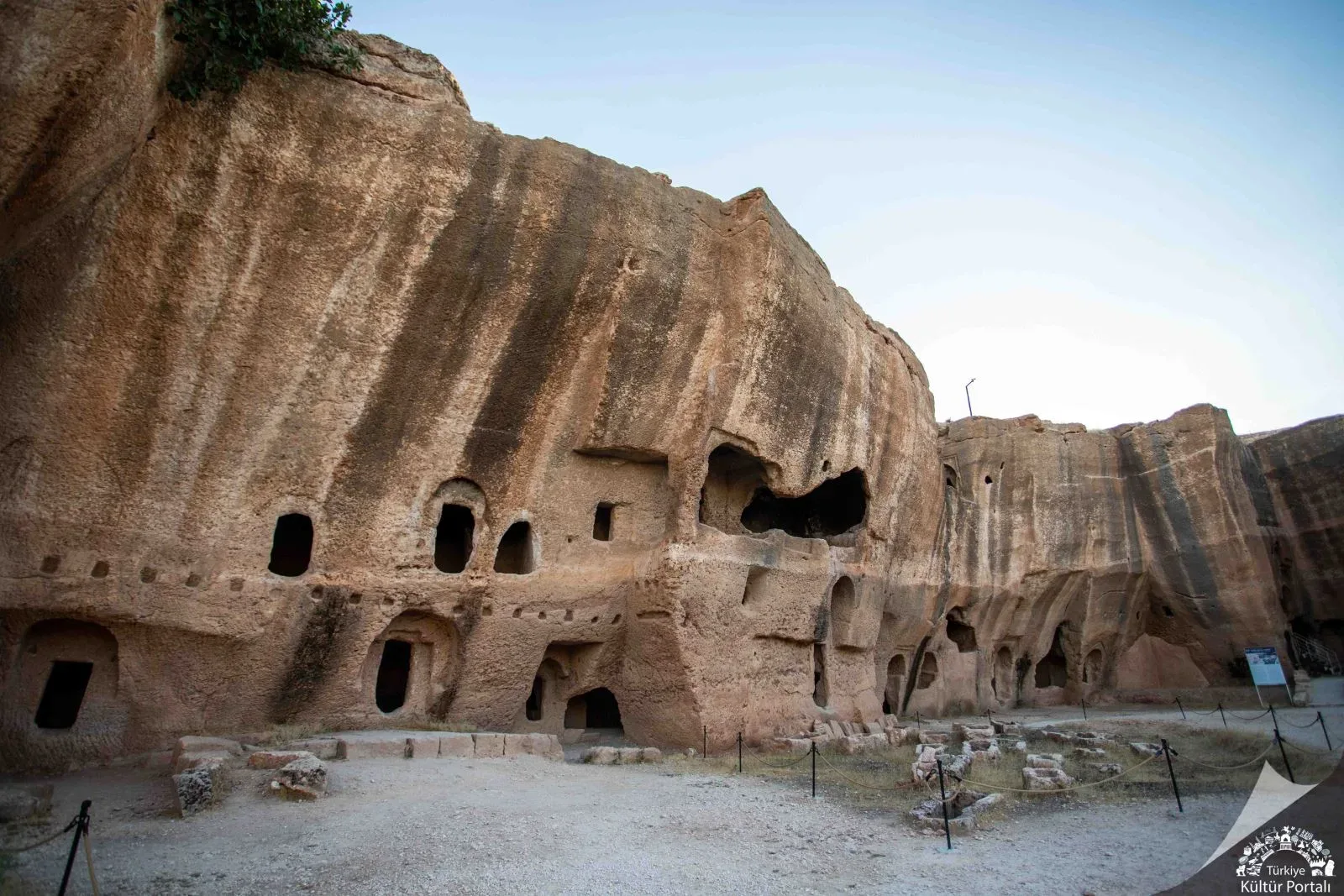
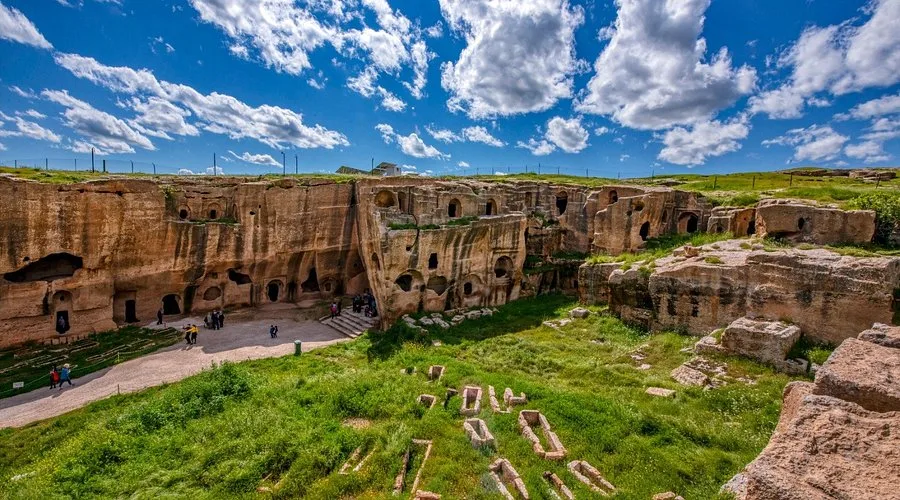
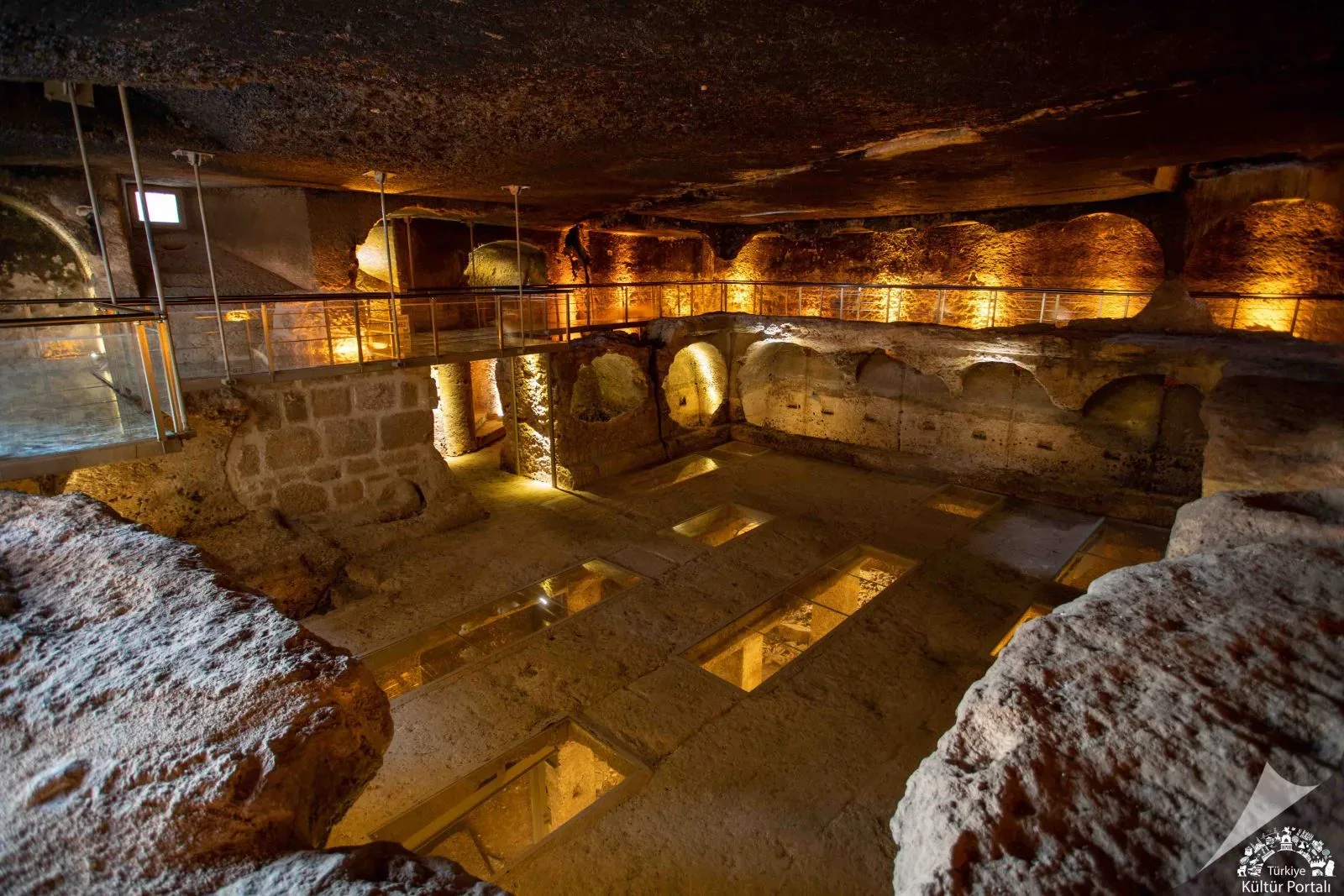
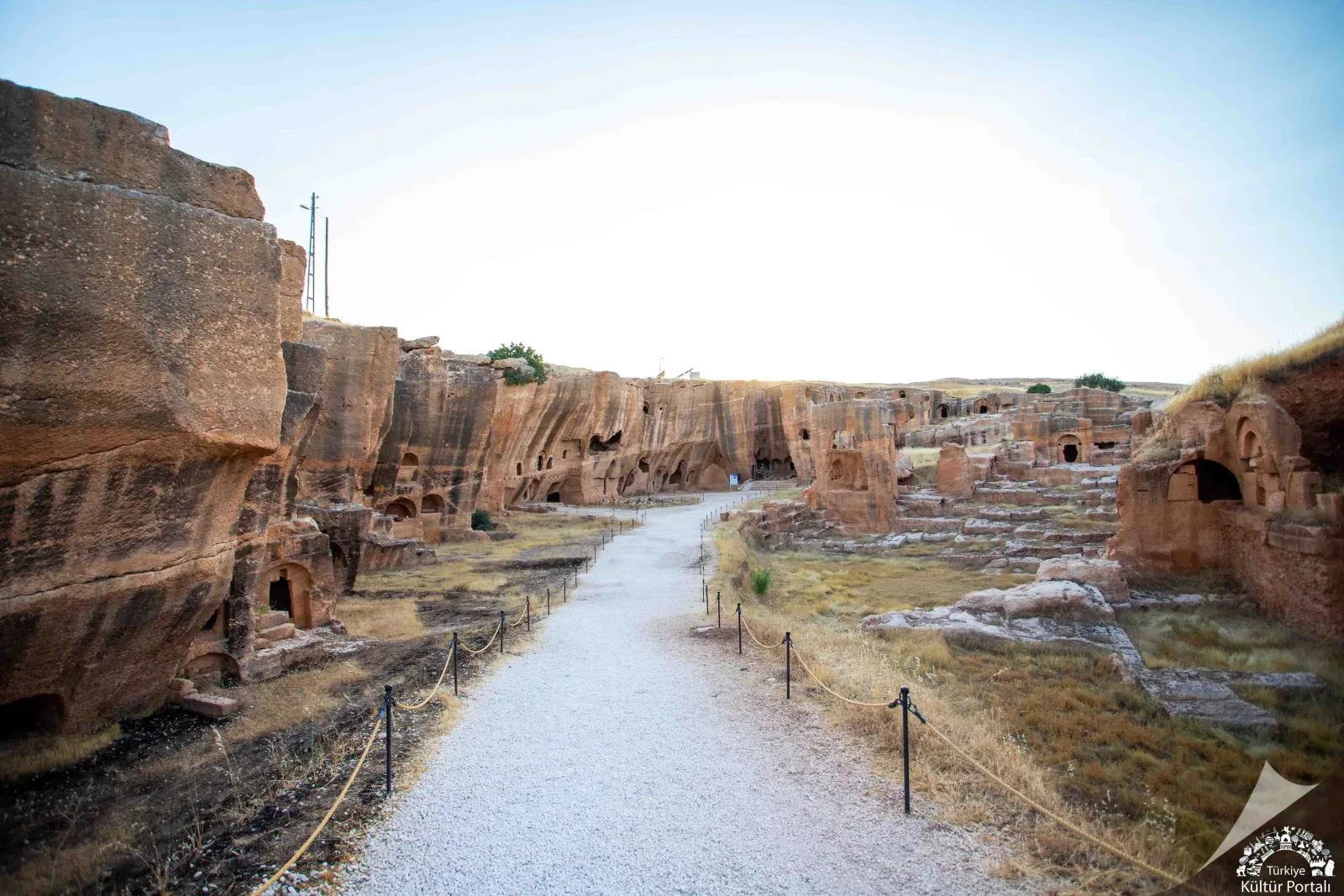
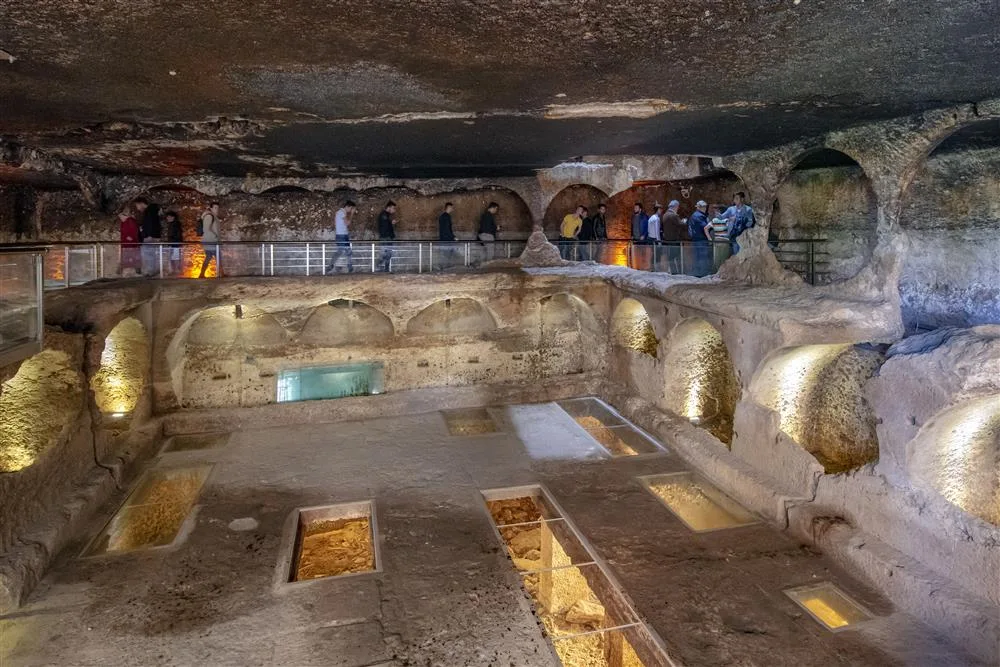
The above-ground remains of a church, palace, bazaar, dungeon, and armory represent only a small part of Dara's history. The city's true engineering prowess lies underground. Massive cisterns built to meet the water needs of a 40,000-strong garrison were excavated for both storage and defensive purposes. On the western hills lies a necropolis carved directly out of the bedrock. This is the most striking area of Dara, featuring burial chambers stretching out like deep valleys.
Around the village, there are also cave dwellings dating back to the Late Roman period. A 14th-15th century tomb and Islamic-era graves are also located within the archaeological site. Still largely off the main tourist radar, a calm silence dominates the area, making you feel as though you have the ruins entirely to yourself.
When to Visit Dara?
In summer, the Mesopotamian Plain heat becomes quite oppressive in the afternoon, and shaded areas at the site are limited. Arriving early in the morning makes sense to avoid the heat and catch good lighting. Spring and autumn offer the best balance of temperature and scenery. If you wish to explore the necropolis area near sunset, plan your departure so you can use daylight for the return journey, as street lighting in the village is minimal.
How to Get from Mardin to Dara
The drive takes about 45 minutes from central Mardin along the Nusaybin highway. There are no regular minibuses or shared shuttles running directly to Oğuz Village. If you don't have your own car, the most practical options are agreeing on a fare with a taxi driver or joining an organized Mardin day tour. The teahouses along the road serve as pleasant pit stops overlooking the Mesopotamian Plain.
How Much Time Should You Allocate for Dara?
If you only wish to see the main surface ruins, 1 to 1.5 hours might suffice. However, to truly experience the site—including the underground cisterns and the necropolis—it is best to set aside half a day. Because the ancient city is spread across a large area and exploring the subterranean structures takes time, it is not a location to rush through.
Best Photography Spots
The rock-cut necropolis stretching across the western hills is Dara's most compelling photography spot. Deep tomb chambers carved into the bedrock stand out dramatically under the low angle of sunlight near dusk. The entrances to the underground cisterns and massive stone blocks also offer striking perspectives. Broad panoramas overlooking the plain can be captured from the hill where the inner fortress sits.
How to Fit Dara into Your Mardin Itinerary
While Dara may not fill an entire day on its own, it easily pairs with visits to Mardin's famous monasteries and madrasas. It can comfortably be combined with Deyrulzafaran Monastery on the same day, as both lie in a similar direction from the city center. Stopping for a tea break in the small village cafes along the route keeps the day relaxed.
Where to Eat Nearby?
There are no large restaurants inside Oğuz Village. The most practical meal option consists of fresh flatbread (gözleme) and ayran served at small village spots. Near the site exit, there is a small vendor selling traditional wood-fired coffee (köz kahvesi), a local experience worth trying. For broader dining choices, returning to central Mardin is best.
Things to Keep in Mind Before Visiting
When descending into the cisterns and exploring the rock tombs, the ground can be uneven and slippery, making sturdy walking shoes essential. Shade is scarce throughout the site, so carry water and wear a hat during summer. Since there is no public transportation, plan your return trip in advance, as finding a taxi in the village is not always easy.
This content originates from neresigezilir.com and may not be copied without permission.
Dara Ancient City Videos
Dara Ancient City videos load when you open this section to keep the page fast.
Show videos
FAQ

Updated: