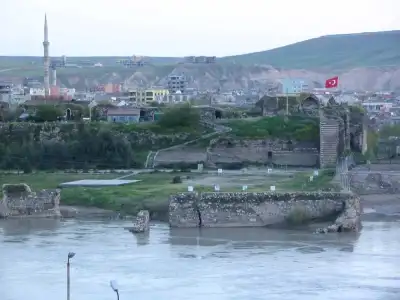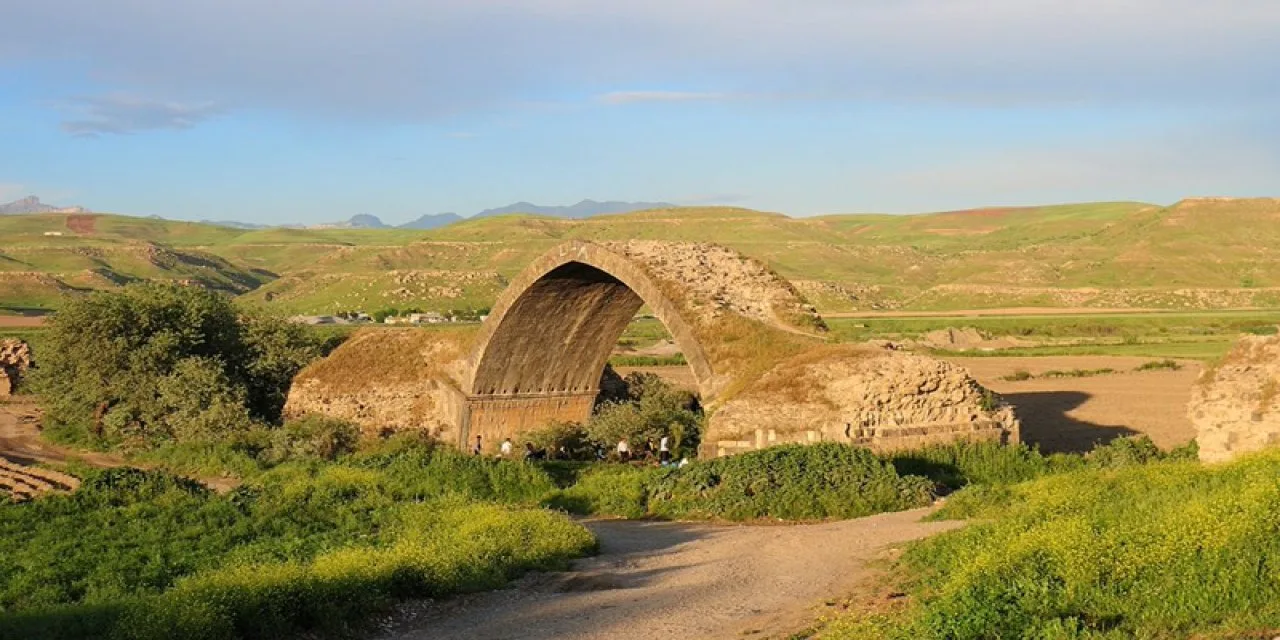
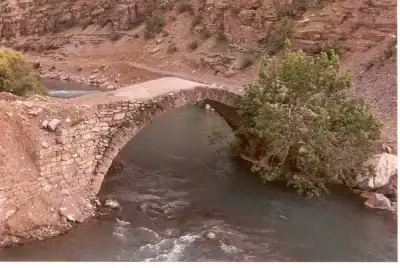
Yafes Bridge is a 12th-century stone bridge over the Tigris River in Cizre, a ruin from the Atabegs of Mosul era noteworthy for the eight astrological reliefs on its western pier.
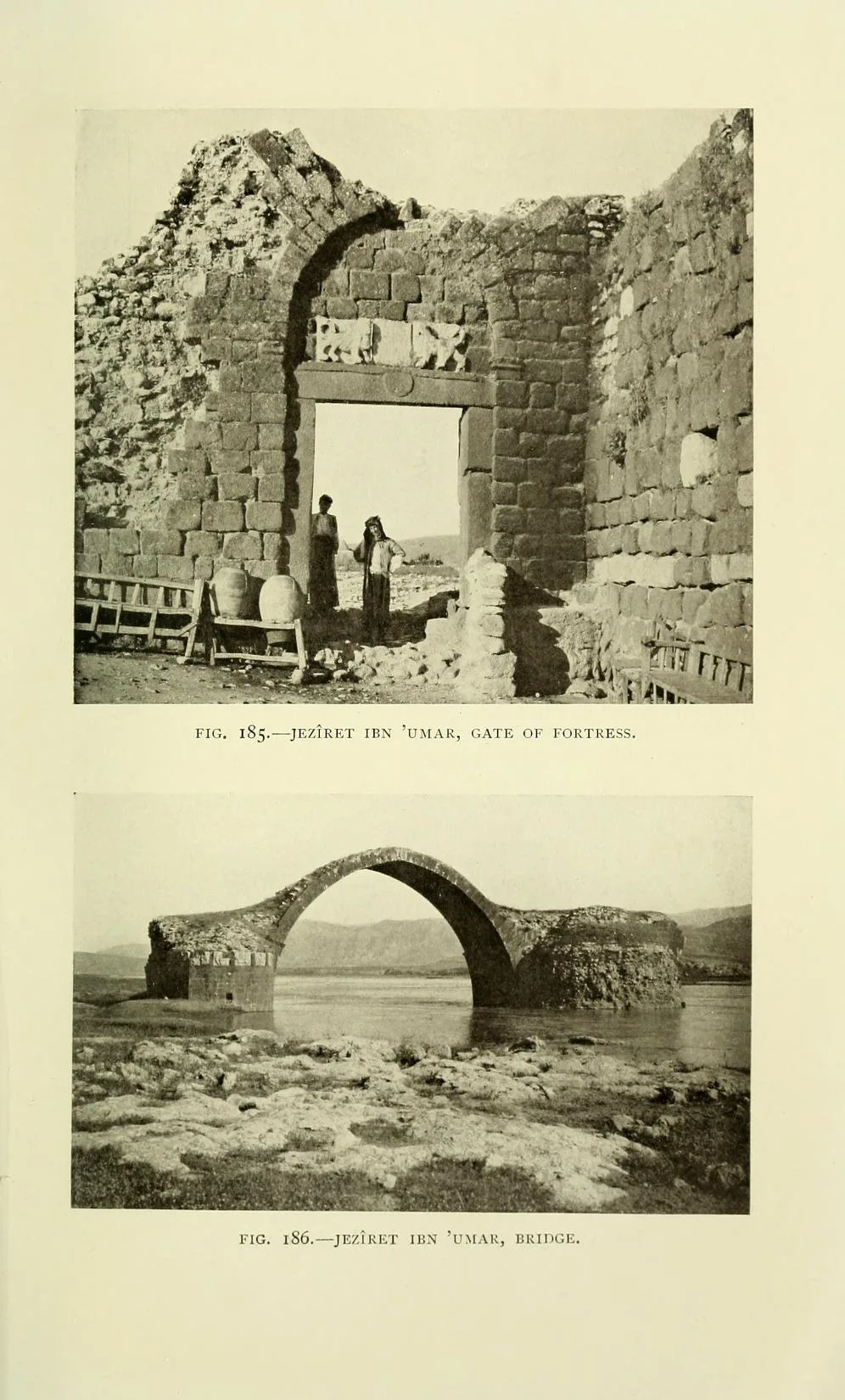
Yafes Bridge stands on the Tigris River to the east of Cizre. Its construction dates back to the 12th century, during the reign of the Atabegs of Mosul under the Seljuk Empire. Some sources state it was built in 1164 by Jamaleddin Isfahani. The bridge is also known by various other names in the region, such as Ibn Umar Bridge, Tigris Bridge, Bafid Bridge, and locally as Pira Bafid. Its name is said to come from Japheth (Yafes), who is mentioned in Islamic traditions as the son of Noah.
As the bed of the Tigris River changed over time, part of the bridge now lies within the borders of Syria. The section visible on the Turkish side consists of a large arch and several piers. The structure is no longer functional and remains a partial ruin. Its most striking feature is the eight astrological depictions on the western pier, transforming the bridge from a simple crossing into a concrete testament to the stonemasonry of its era.
For visitors to Cizre, it is a historical stop close to the city center and near the border line. It appeals to those who wish to see a monument that has been weathered over centuries yet still stands, rather than an intact building.
What is Yafes Bridge and What is Its History?
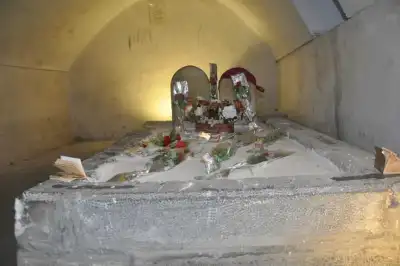
Sources differ slightly regarding the bridge's date of construction. The Şırnak Provincial Directorate of Culture and Tourism, citing H. Aksu, states that the bridge was built during the Sasanian period. In contrast, the Turkish Culture Portal and the Cizre District Governorship point to the 12th century, the Seljuk period, and the Atabegs of Mosul. Some sources mention the year 1164 and the name Jamaleddin Isfahani. The most widely accepted account is that the bridge was built in the 12th century by the Atabegs of Mosul. The origin of its name is also fascinating: it is said to derive from Japheth (Yafes), the son of Noah in Islamic tradition, giving it spiritual significance alongside its historical identity among locals.
Astrological Depictions and Stonemasonry
The most unique detail of the bridge is the eight astrological depictions located on its western pier. These reliefs carry traces of the stonemasonry of the period and likely an astronomical record-keeping tradition regarding the date of construction. Today, what remains of the bridge is a large arch and a few sturdy piers—a ruin that has lost its structural integrity. For those wishing to take photos, looking closely at the reliefs on the piers reveals far more than long-distance shots.
How to Get There
The bridge is located within the borders of the Nur District in Cizre, right on the banks of the Tigris River. After arriving in Cizre from Şırnak city center, you can reach the neighborhood via a short drive. As local public transportation options are limited, your own vehicle or a taxi is the most practical choice. Since the area is close to the border line, be sure to verify current access and security information on the official website of the Cizre District Governorship.
Things to Know Before Visiting
The section on the Turkish side is in ruins and structurally disused; crossing over it is not possible. Because it is close to a border area, check current conditions and access restrictions with local authorities prior to your visit.
How Much Time Should You Spend?
The bridge site is compact, so a visit does not take long. About 20 to 30 minutes is sufficient to examine the structure and take photographs. You can easily add other historical spots in Cizre, such as the Red Madrasa (Kırmızı Medrese), the Grand Mosque (Ulu Cami), and the Prophet Noah Mosque (Nuh Nebi Camii), to your itinerary on the same day.
Other Places to See in Cizre
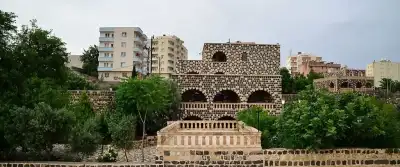
Visitors to Yafes Bridge usually drop by Cizre's other historical structures on the same trip. Located near the city center, the Red Madrasa and the Grand Mosque are among the stops that can be visited alongside the bridge. Cizre's historical fabric carries traces from the Sasanian, Roman, Seljuk, and Atabeg periods. Therefore, exploring multiple stops in succession allows you to get a much better feel for the city.
This content originates from neresigezilir.com and may not be copied without permission.
FAQ
Updated: