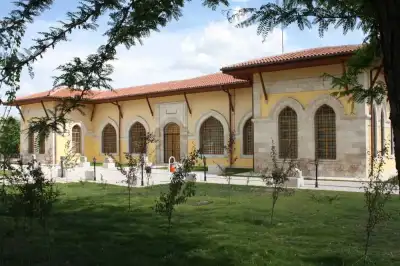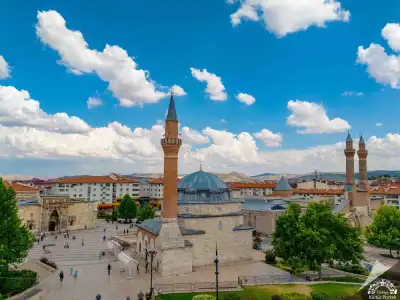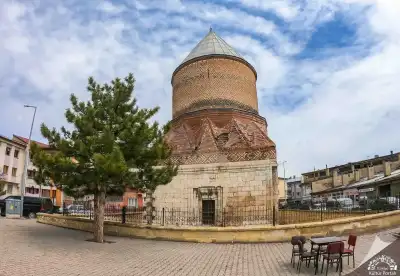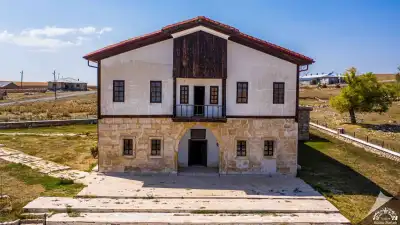
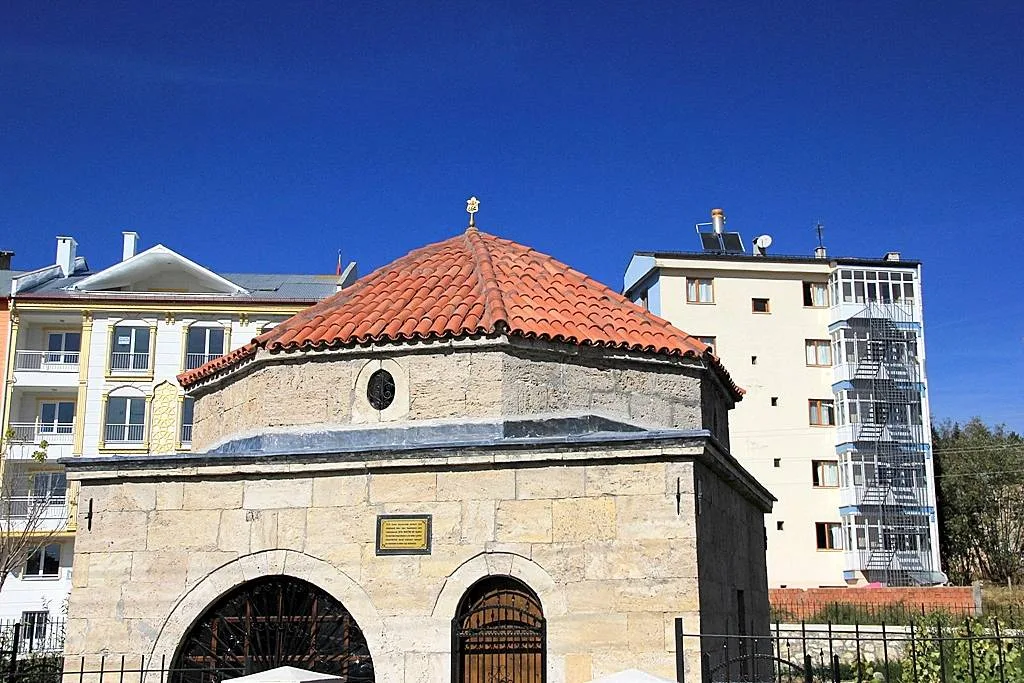
Şeyh Çoban Tomb is a 14th-century cut-stone mausoleum located in Sivas's Kaleardı neighborhood. Featuring an octagonal dome drum and three historical inscriptions, it is an Ottoman-era religious structure that survives today.
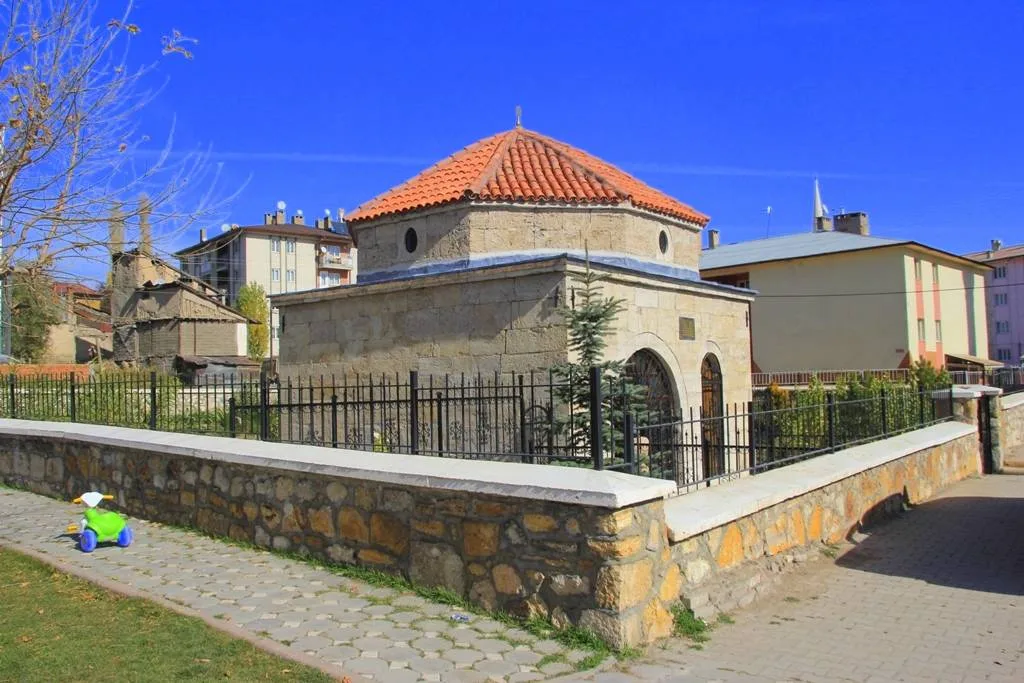
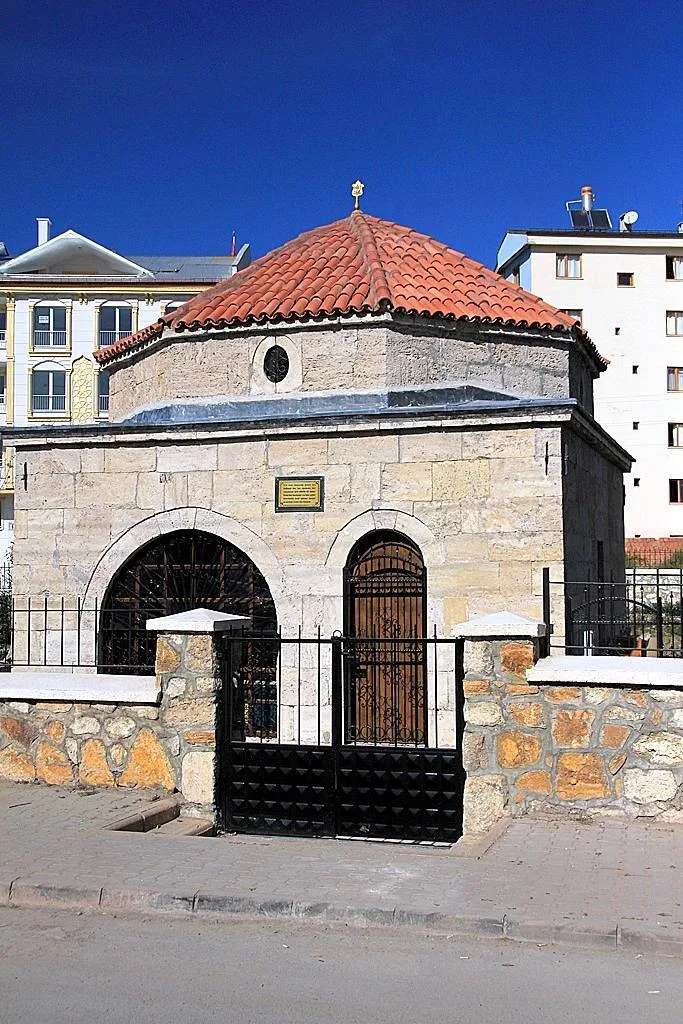
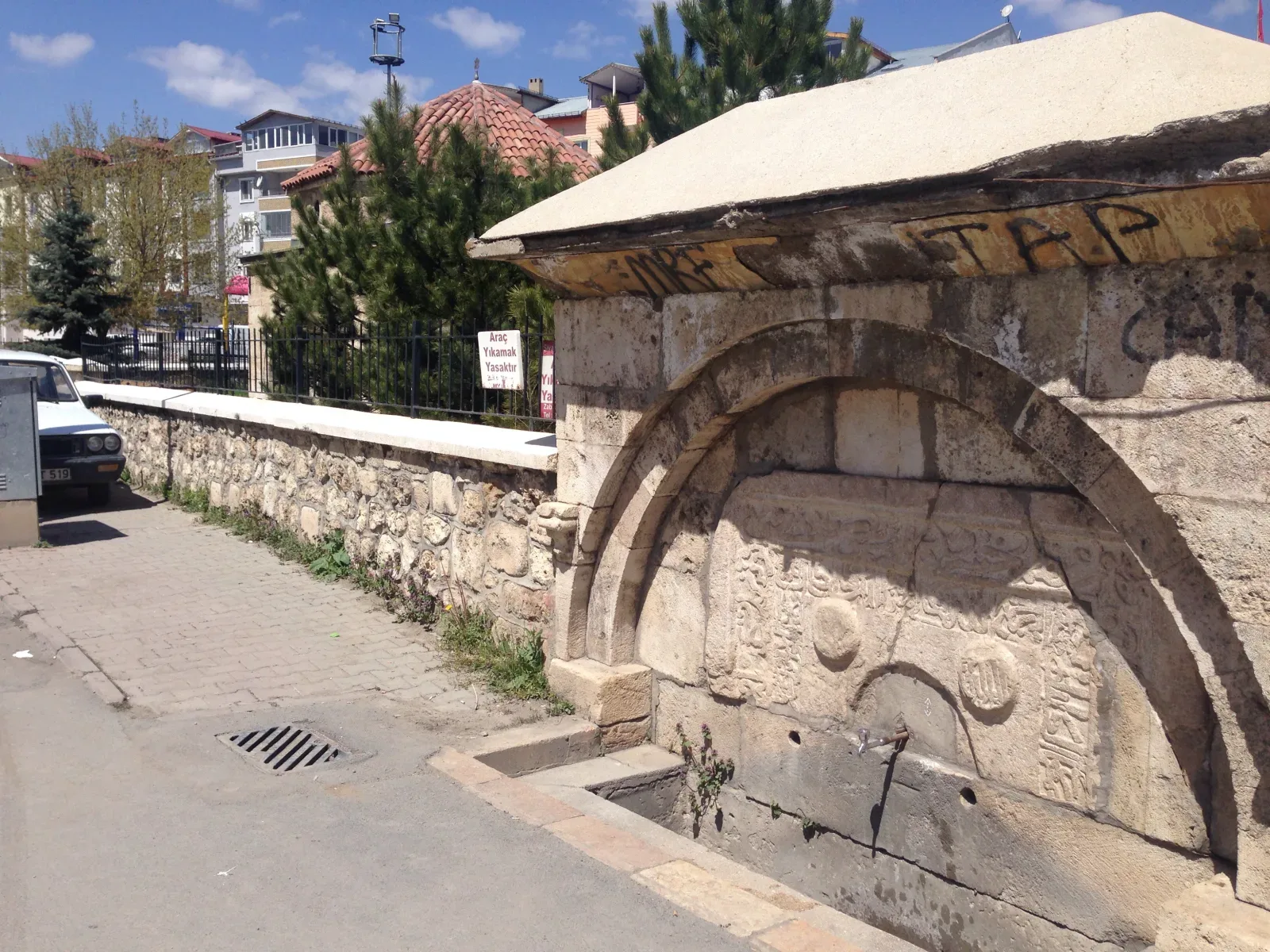
Şeyh Çoban Tomb stands in the Kaleardı neighborhood of central Sivas. The exact construction date of the structure is unknown. However, the inscription on the complex's fountain bears the date 1323, leading some researchers to believe that the tomb dates from the same period, during the Ilkhanid era. Built of fine-cut ashlar stone on a square plan, the tomb's dome rests on an octagonal drum. Inside, there is a burial chamber and a separate visitation room, with access to the tomb chamber leading through the visitation area.
The identity of the person buried here remains uncertain. The tomb is associated with Sheikh Hüseyin Rai or Sheikh Çoban Veli; some hagiographies mention him as a sheikh affiliated with Najm al-Din Kubra, though this detail is unverified. Inside, there are two wooden sarcophagi inscribed with the name "Sheikh Taceddin-i Arifi". The structure's three inscription tablets record its historical restoration dates: during the Eretna Beylik era in 1370, under Sultan Mehmed the Conqueror in 1458, and during the reign of Sultan Abdülhamid II in 1900–1901. During the Ottoman period, a foundation (waqf) was established for the tomb; tax revenues and crop yields from Sivas and surrounding villages were endowed here to cover the expenses of lodge officials and traveling guests.
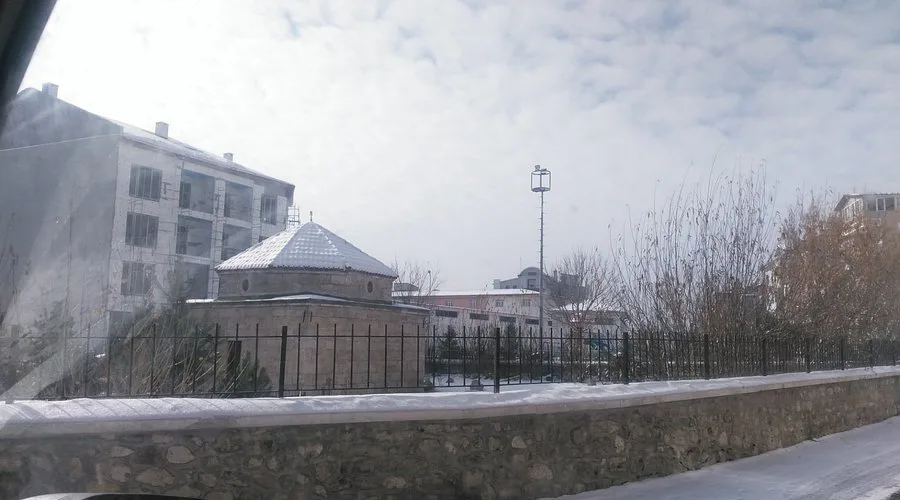
The tomb is enclosed by a 1.20-meter-high stone wall topped with an 80-centimeter wrought-iron fence. Giving its name to the surrounding neighborhood, the building holds an important place in Sivas's urban history. Today, however, its condition and upkeep occasionally draw criticism.
History of the Tomb and Who Lies Within
The exact construction date of the tomb remains unknown. Because the fountain of the building complex bears an inscription dated 1323, the tomb is thought to belong to the same period, during the Ilkhanid era. The figure buried here is known as Sheikh Hüseyin Rai or Sheikh Çoban Veli; according to some hagiographic accounts, he was a sheikh linked to Najm al-Din Kubra, though this remains unconfirmed. This uncertainty adds to the mystery surrounding the tomb's history.
Architectural Features
The tomb is built of cut stone on a square floor plan. Its dome rests upon an octagonal drum, giving the structure a distinctive silhouette when viewed from the outside. Inside, there is a burial chamber and a separate visiting area, where visitors pass through the entrance hall to reach the tomb chamber. The perimeter is enclosed by a 1.20-meter stone wall topped with an 80-centimeter wrought-iron fence.
Restoration Traces on Inscriptions
Three historical inscriptions on the tomb have survived to the present day. The first mentions a repair carried out in 1370 during the Eretna Beylik era. The second records renovations conducted in 1458 under Sultan Mehmed the Conqueror by Yusuf bin Abdullah, a freed slave of Pir Ahmed Bey. The third describes a restoration undertaken in 1900–1901 during the reign of Sultan Abdülhamid II through the initiative of the tomb's trustees. These three records show that the building received continuous care from the Beylik period through late Ottoman times, evolving considerably from its original form.
Foundation (Waqf) Heritage
During the Ottoman period, the Sheikh Çoban Veli Foundation was established, endowing significant revenues to the tomb. Tax revenues from villages in Beypınarı, Emirhan, and Tozanlı, alongside harvest yields from 52 fields in Sivas, were allocated to this foundation. Salaries of lodge attendants and food expenses for dervishes and traveling guests were funded from this budget, demonstrating that the tomb functioned not only as a mausoleum but also as a center for hospitality and charitable relief.
Getting There
Şeyh Çoban Tomb is located in Kaleardı Neighborhood, close to central Sivas. It can be easily reached on foot or via a short taxi ride from the city center. It makes a practical addition to your itinerary when visiting Sivas's central historic sites (excluding more distant landmarks like the Divriği Great Mosque).
Visitor Note
The maintenance condition of the tomb occasionally draws criticism in local media and social platforms, with some visitors noting that the site deserves greater care. Before visiting, it is recommended to check local updates to confirm its current condition and accessibility.
This content originates from neresigezilir.com and may not be copied without permission.
FAQ
Updated: