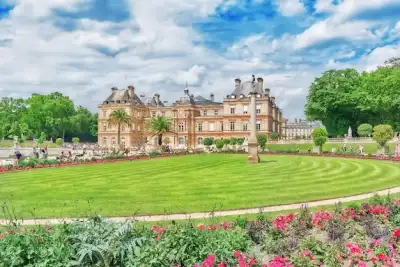
Luxembourg Palace is a historic 17th-century landmark built on Paris's Left Bank for Regent Marie de' Medici, currently housing the French Senate. While the surrounding gardens are free and open to the public, interior palace tours are limited based on the Senate's official schedule.
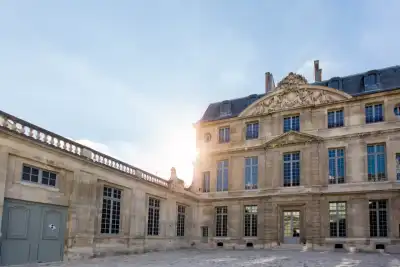
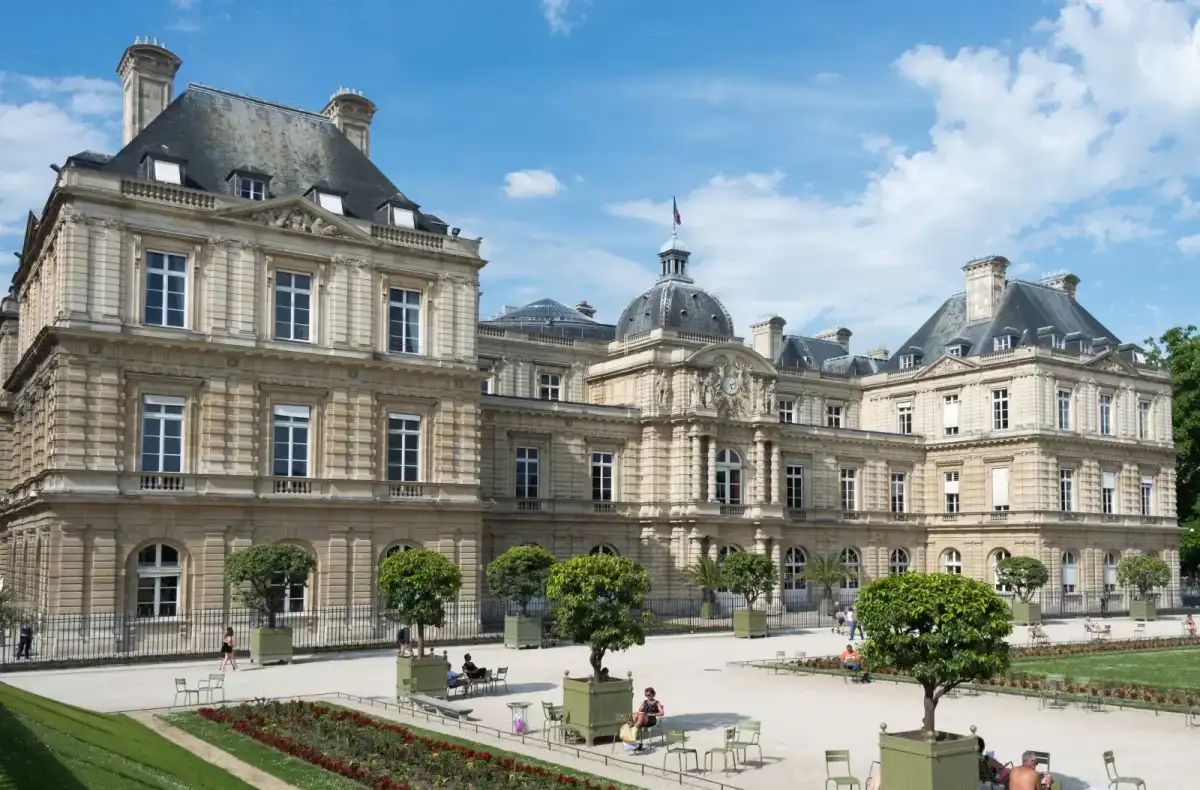
Luxembourg Palace was built in 1615 as a royal residence for Regent Marie de' Medici, mother of King Louis XIV. Designed by architect Salomon de Brosse, the palace is a beautiful fusion of Italian Renaissance architecture and traditional French style. Following the French Revolution, the building's role evolved into a legislative assembly office, and today it serves as the home of the French Senate.
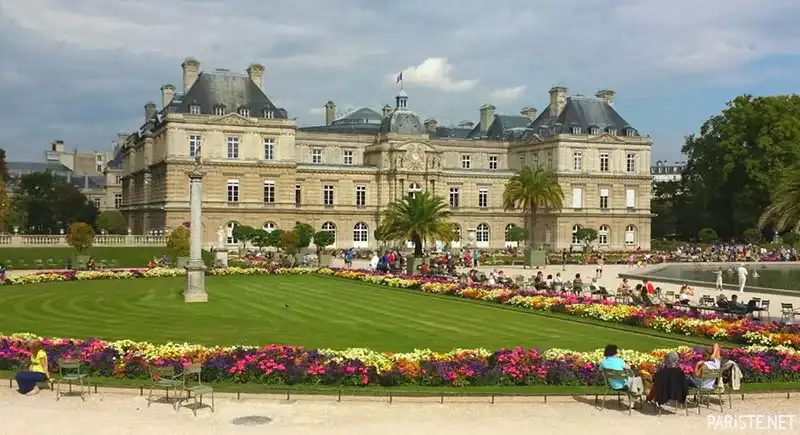
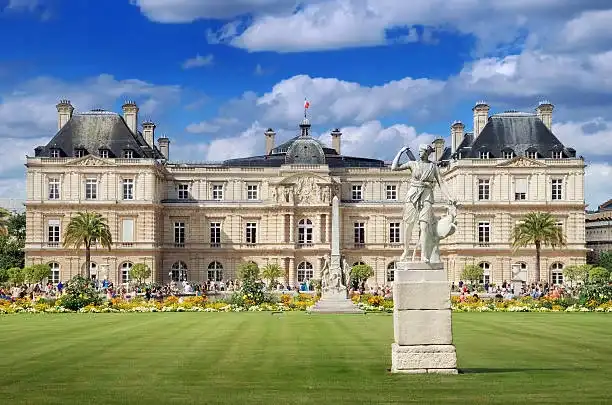
Although access to the palace itself is restricted, the surrounding Luxembourg Gardens (Jardin du Luxembourg) are one of the most beloved spots for Parisians and tourists alike. Offering a peaceful oasis amid the city's hustle and bustle, these gardens are famous for their elegant fountain, statues, iconic green chairs, and sprawling lawns. Especially during spring and summer, people gather here to sunbathe, read, and enjoy picnics.
Capturing the quiet, intellectual atmosphere of Paris's Left Bank, this area is situated close to the Panthéon, Sorbonne University, and charming neighborhood cafes. The Luxembourg Gardens are widely known as one of the primary places that soothe the heartbeat of Paris.
Guide's Note
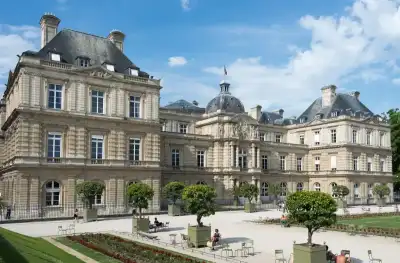
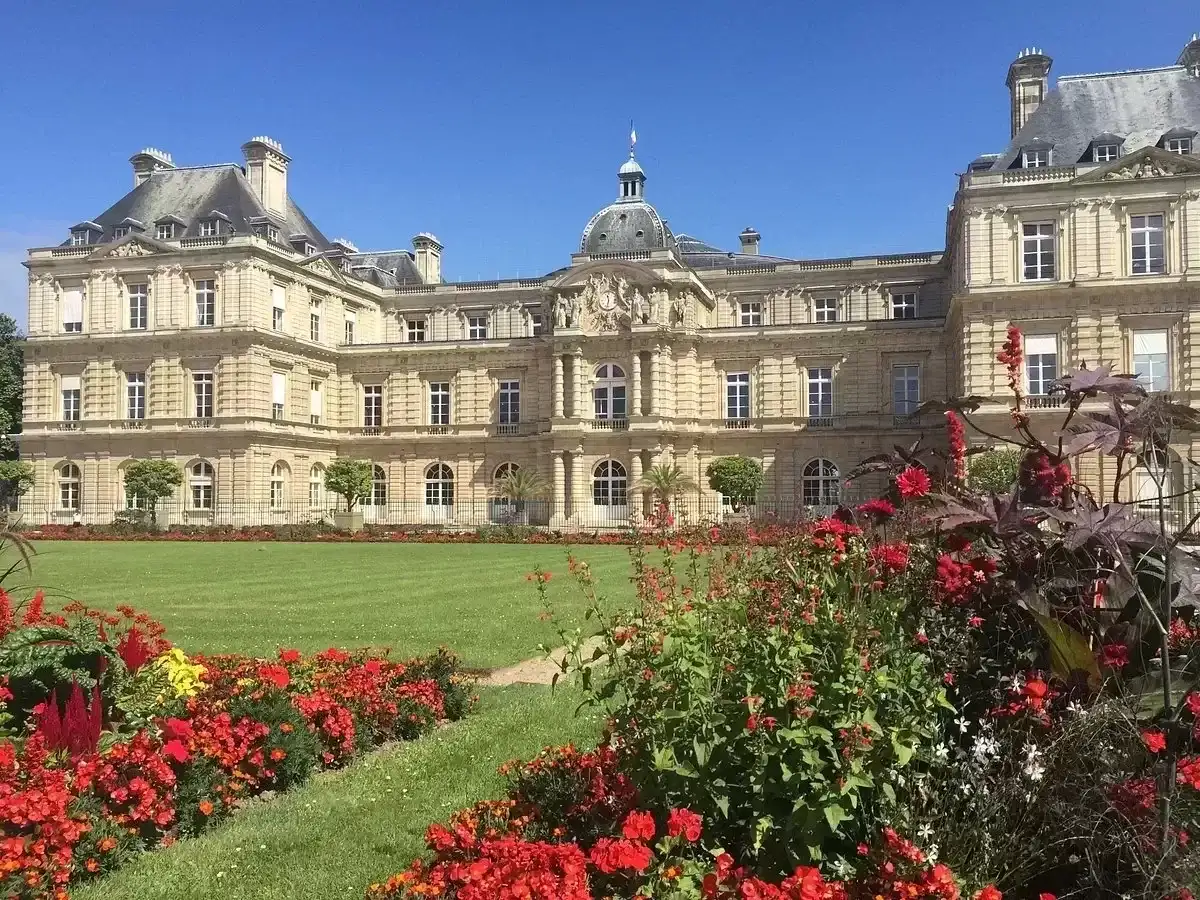
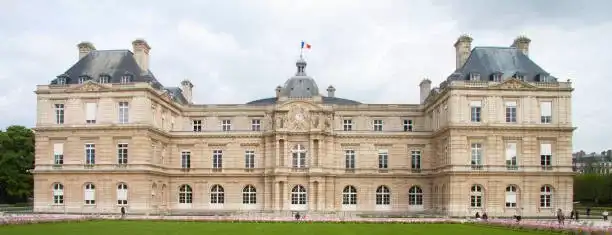
Luxembourg Palace stands out as a destination enthusiastically praised by the vast majority of international visitors. The point most frequently highlighted in reviews is the palace's impressive and meticulously preserved exterior facade. Its classic architecture provides an exquisite backdrop for photography enthusiasts.
The Luxembourg Gardens adjacent to the palace are another major draw. Multiple visitors note that the gardens perfectly complement the palace's grand atmosphere and offer a delightful area for a walk. Many travelers pass by while simply taking in the exterior view, yet leave thoroughly satisfied with the experience.
While reviews are overwhelmingly positive, a rare visitor mentioned that the experience fell short of expectations. Without specific details, it is hard to pinpoint why; however, keeping in mind that access to the interior rooms is restricted, managing your expectations beforehand is advisable.
- Interior access: Because the palace serves as the active French Senate, the interior is not regularly open to the public; most reviews are based on the exterior view.
- Expectation management: To avoid disappointment, it is recommended to research the level of accessible areas before visiting.
Luxembourg Palace: A Grand Landmark on Paris's Left Bank
Luxembourg Palace is a magnificent 17th-century structure built for Regent Marie de' Medici, located on the Left Bank of Paris. Originally designed as a royal palace, it was converted into government offices after the French Revolution and currently serves as the home of the French Senate. Designed by architect Salomon de Brosse, this building combines Italian architectural influences with France's rich artistic heritage.
The surrounding Luxembourg Gardens represent one of Paris's most elegant retreats. Featuring vast green lawns, neatly manicured fountains, and a tranquil ambiance, these gardens are a favorite spot for both locals and travelers. While the palace interior is used for official state affairs and is generally closed to regular visitors, the gardens are open to everyone.
When to Visit
The Luxembourg Gardens are open year-round, though operating hours vary depending on the season. In spring and summer (April to September), visitors arriving early in the morning can catch the park at its absolute finest. During these months, the weather is pleasant and the lush greenery renders the gardens especially captivating.
Autumn is another ideal time, particularly for photographers, as the changing leaves transform the landscape. In winter, the gardens are much quieter, allowing for unobstructed views of the historical architecture. Because weekends can get crowded in the afternoon, weekday mornings offer a far more peaceful experience.
How to Get There
You can easily reach Luxembourg Palace via the Paris Metro network. The closest station to the palace's eastern entrance is Luxembourg Metro Station, accessible via Metro lines 6 and 10. Alternatively, Saint-Placide Station is located near the western entrance of the gardens. You can also take the RER B train, which offers direct links to major hubs such as Châtelet, Gare du Nord, and Orly Airport.
If you enjoy walking, a pleasant 20-to-30-minute stroll from central Paris brings you right to the palace gates. Approaching through the Latin Quarter is an excellent way to soak up the quintessential Parisian atmosphere.
Nearby Attractions
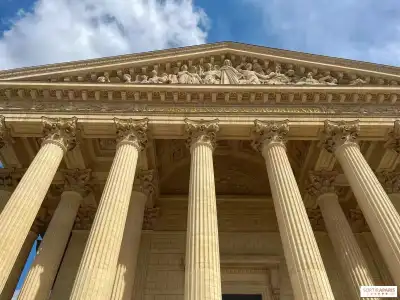
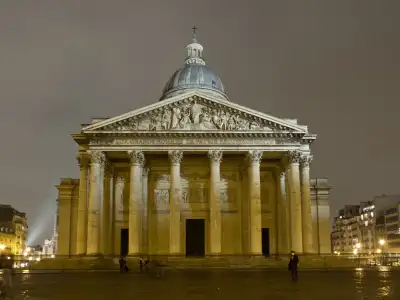
Situated in Paris's Latin Quarter, Luxembourg Palace is surrounded by a wealth of captivating sights. Historic landmarks such as the Sainte-Geneviève Library, the Panthéon, and Sorbonne University are all within easy walking distance. Montparnasse Tower and Montparnasse Cemetery are also located in the same general district.
Wandering through the charming, village-like narrow streets to discover antique shops, small cafes, and independent bookstores is immensely rewarding. The nearby Saint-Germain-des-Prés neighborhood is equally worth exploring for its art galleries, chic boutiques, and iconic cafes.
How Long to Spend Here
Spending two to three hours at Luxembourg Palace and its gardens is generally sufficient. This allows ample time to stroll leisurely, sit by the fountains, and take photographs. If you prefer to unwind with a good book, you could easily spend an entire afternoon here.
If you plan to explore the surrounding neighborhood, allocating half a day to visit both the Latin Quarter and Saint-Germain-des-Prés alongside the gardens is ideal. This makes for a perfect, well-rounded day tour centered around Luxembourg Palace.
Best Photography Spots
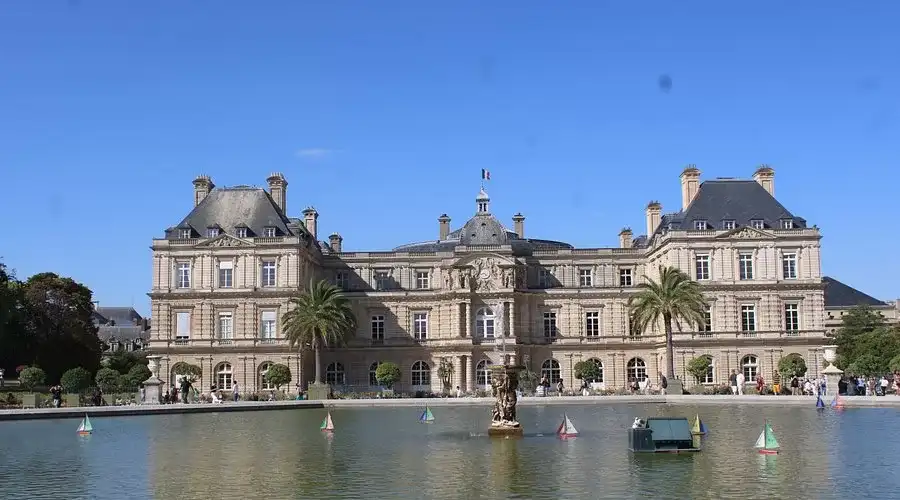
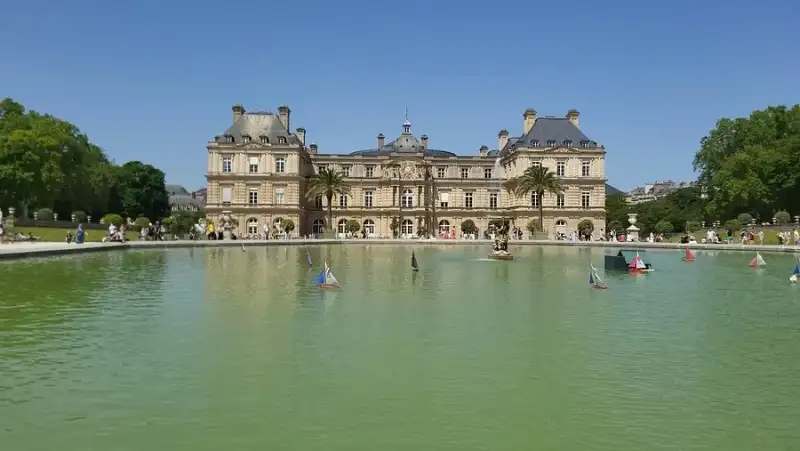
The palace's main facade looks most impressive when photographed from a wide angle across the gardens. Afternoon light casting over the building produces especially dramatic shots. Photos taken around the central basin capture beautiful reflections of the palace along with the gardens' symmetrical layout.
Quieter corners of the park, such as the orchard and floral beds, provide wonderful backdrops for portraits. Early morning hours offer soft lighting and fewer crowds, making it ideal for photographers. Seasonal floral displays and changing decor ensure fresh photo opportunities throughout the year.
Where to Stay
The area surrounding Luxembourg Palace is one of the most desirable neighborhoods to stay in Paris. In the Latin Quarter, you will find boutique hotels and charming apartments that reflect the character of the district. Closer to Saint-Germain-des-Prés, more luxurious and higher-end accommodation options are available.
For budget-conscious travelers, hostels and shared accommodations are also accessible nearby. Choosing a hotel close to a metro station makes getting around Paris seamless. The safety, convenience, and charm of the Luxembourg area make it a comforting base for visitors of any budget.
Food and Drink in the Area
Around Luxembourg Palace, you can sample authentic French culinary delights. The cozy bistros and cafes in the narrow lanes of the Latin Quarter serve everything from traditional French breakfasts to delicious crêpes. Sitting in the gardens with a refreshing lemonade or espresso is a quintessential Paris experience.
In Saint-Germain-des-Prés, options range from Michelin-starred dining establishments to classic neighborhood brasseries. The area's legendary cafes, once frequented by figures like Hemingway and Sartre, still retain their historic charm. A picnic lunch in the gardens is also a very popular local tradition.
Estimated Budget
The Luxembourg Gardens are completely free and open to everyone. If you wish to join a guided tour of the palace interior during allowed times, checking official sources for tour pricing is recommended. Strolling through the gardens itself costs nothing.
Nearby dining prices vary depending on your choices. A simple coffee typically costs 3–5 Euros, while a full meal in the Latin Quarter ranges between 12–20 Euros. Dining at high-end restaurants in Saint-Germain can cost 40 Euros and up. For a budget-friendly option, pick up fresh bread, cheese, and delicacies from nearby grocery shops for a park picnic.
Things to Know Before You Go
The gardens generally open around 7:30 AM and close between 5:00 PM and 9:00 PM depending on the season. To avoid surprises, verify exact daily opening hours on official websites before heading out. Wear comfortable walking shoes, as gravel paths can get slick in rainy weather. The park tends to be busiest on summer afternoons between June and August.
Inside access to the palace building is restricted when the French Senate is in session. If you wish to see the interiors, research specialized guided tours well in advance. Keep in mind that park regulations apply: certain lawn areas are off-limits for picnics, and staying on designated pathways helps protect the historic floral gardens.
Suggested One-Day Itinerary
Start early in the morning by exiting Luxembourg Metro Station and entering the gardens through the eastern gate. Begin by taking in the grand palace facade and central fountain pool. Next, wander along the northern pathways to observe local Parisians jogging and going about their morning routines. The southern section with its orchards and rose gardens is equally charming.
Enjoy an midday picnic in the garden or sit down at a nearby bistro. In the afternoon, explore the narrow alleyways of the Latin Quarter, browsing independent bookstores and antique shops. Conclude your day by taking photos of the Panthéon from the outside, followed by relaxing at a historic Saint-Germain-des-Prés cafe to watch the city go by.
This content originates from neresigezilir.com and may not be copied without permission.
Luxembourg Palace Videos
Luxembourg Palace videos load when you open this section to keep the page fast.
Show videos
FAQ
Updated: