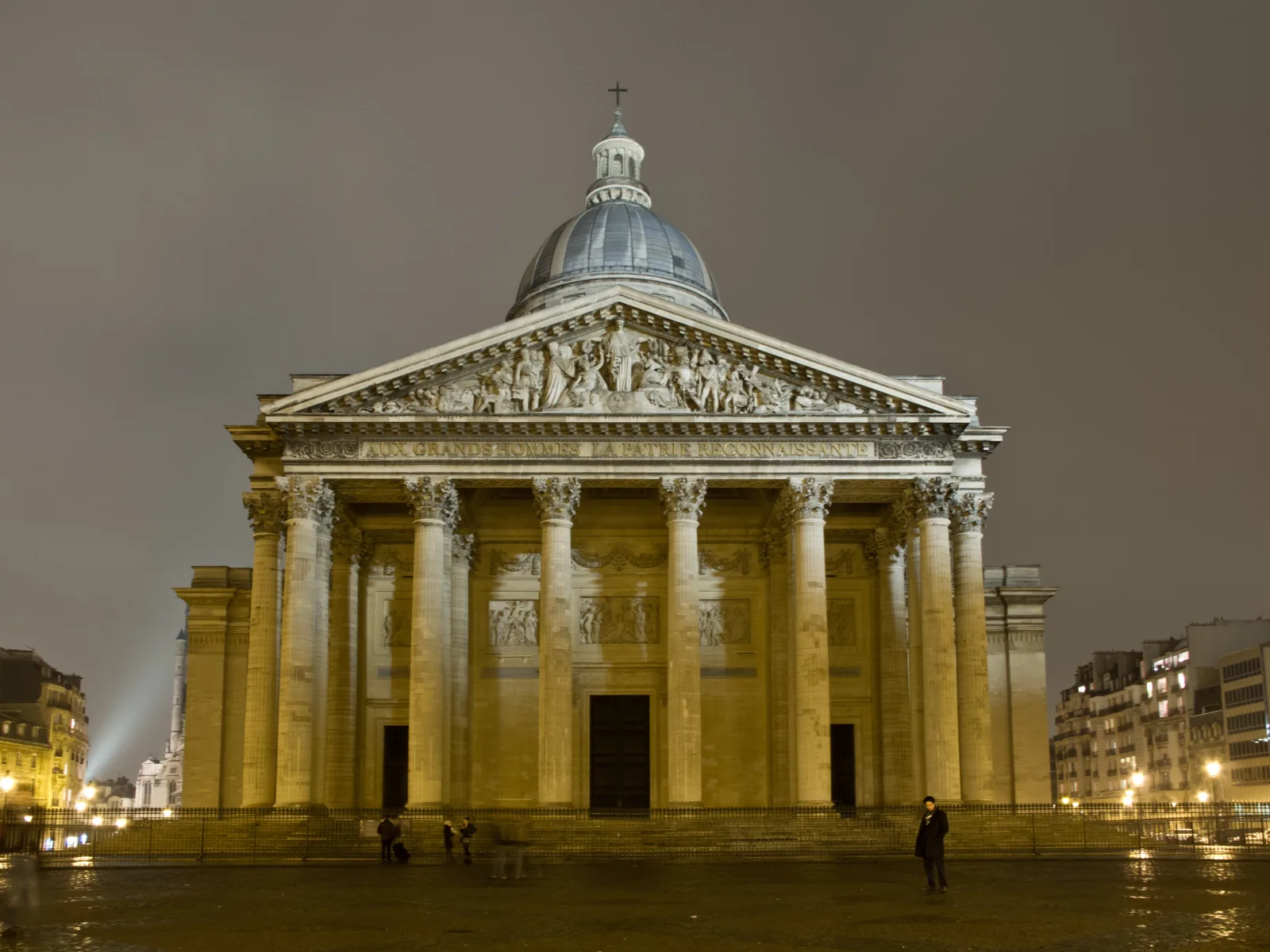
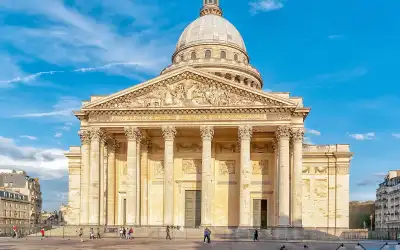
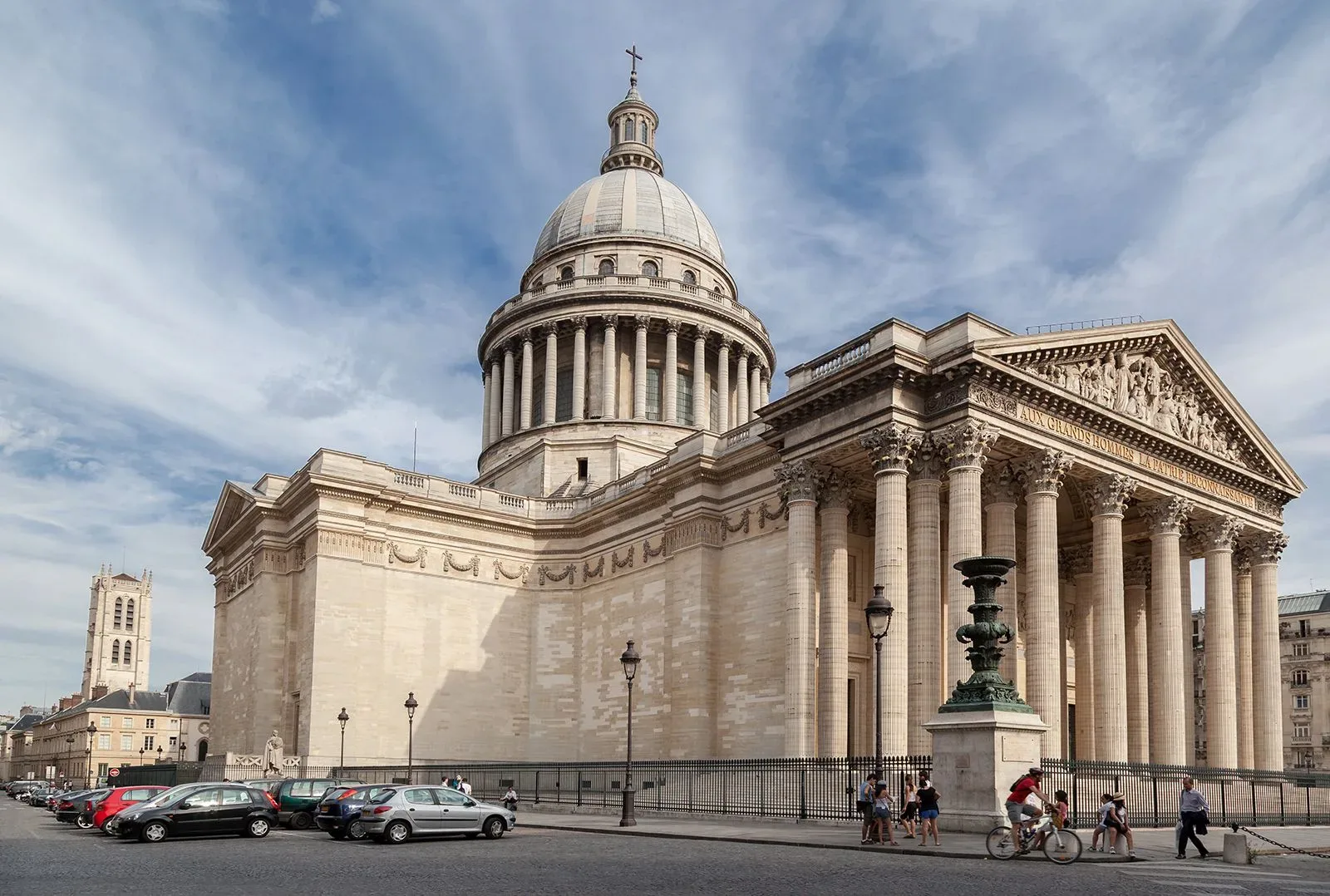
The Panthéon is a neoclassical mausoleum completed in 1790, located in Paris's Latin Quarter. It houses the remains of over 70 notable French figures, including Voltaire, Rousseau, Victor Hugo, and Marie Curie. Adult tickets cost approximately €11.50–€13.
Located in the heart of the Latin Quarter in Paris's 5th Arrondissement, the Panthéon is a monumental structure that holds the collective memory of the French nation. Construction began in 1758 and was completed in 1790. The building was originally designed as a church dedicated to Sainte Geneviève, the patron saint of Paris. However, with the radical transformation brought about by the French Revolution, it lost its religious function and was converted into a national mausoleum honoring France's great intellectuals, scientists, writers, and statesmen.
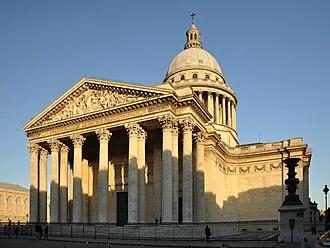
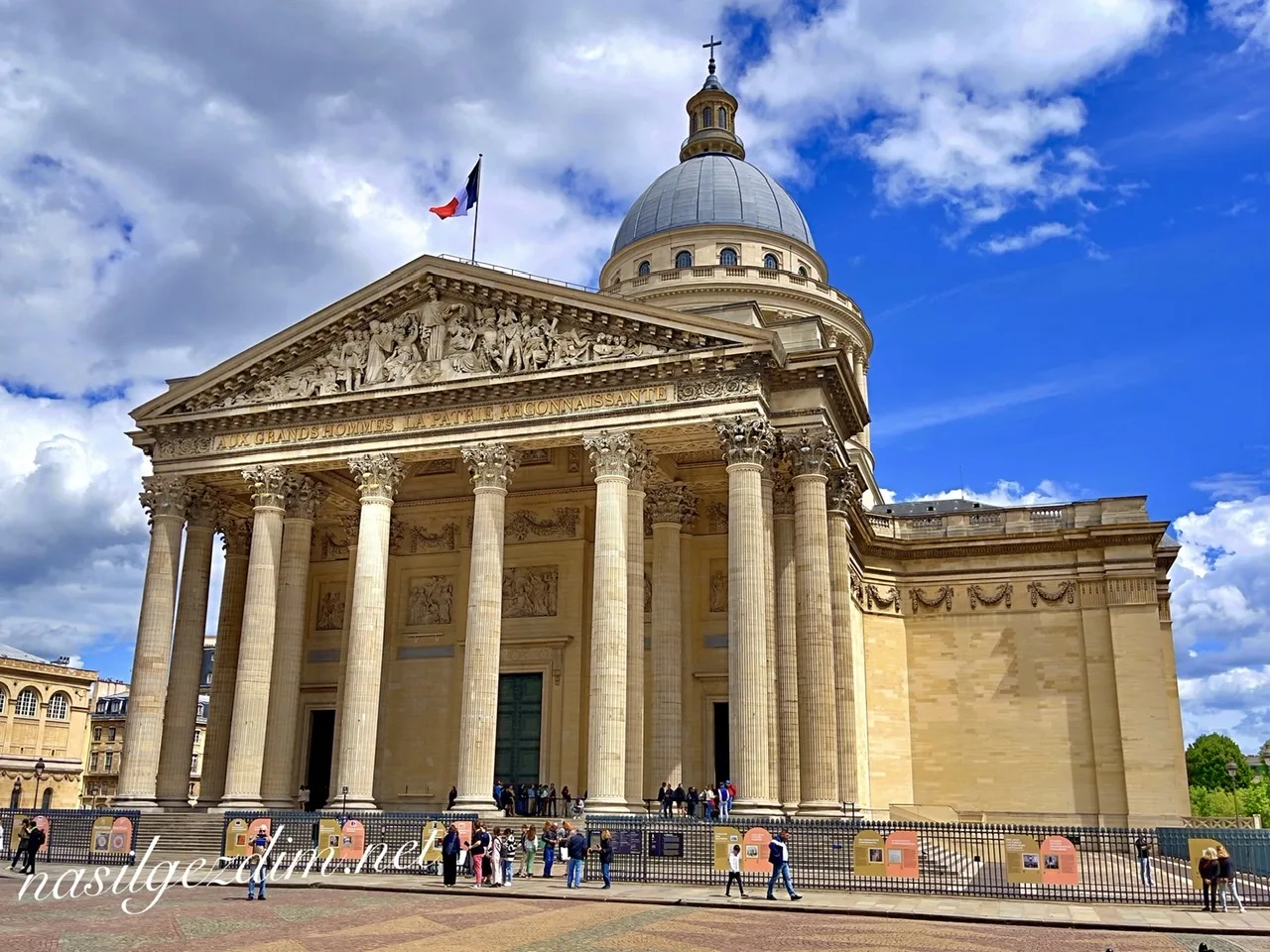
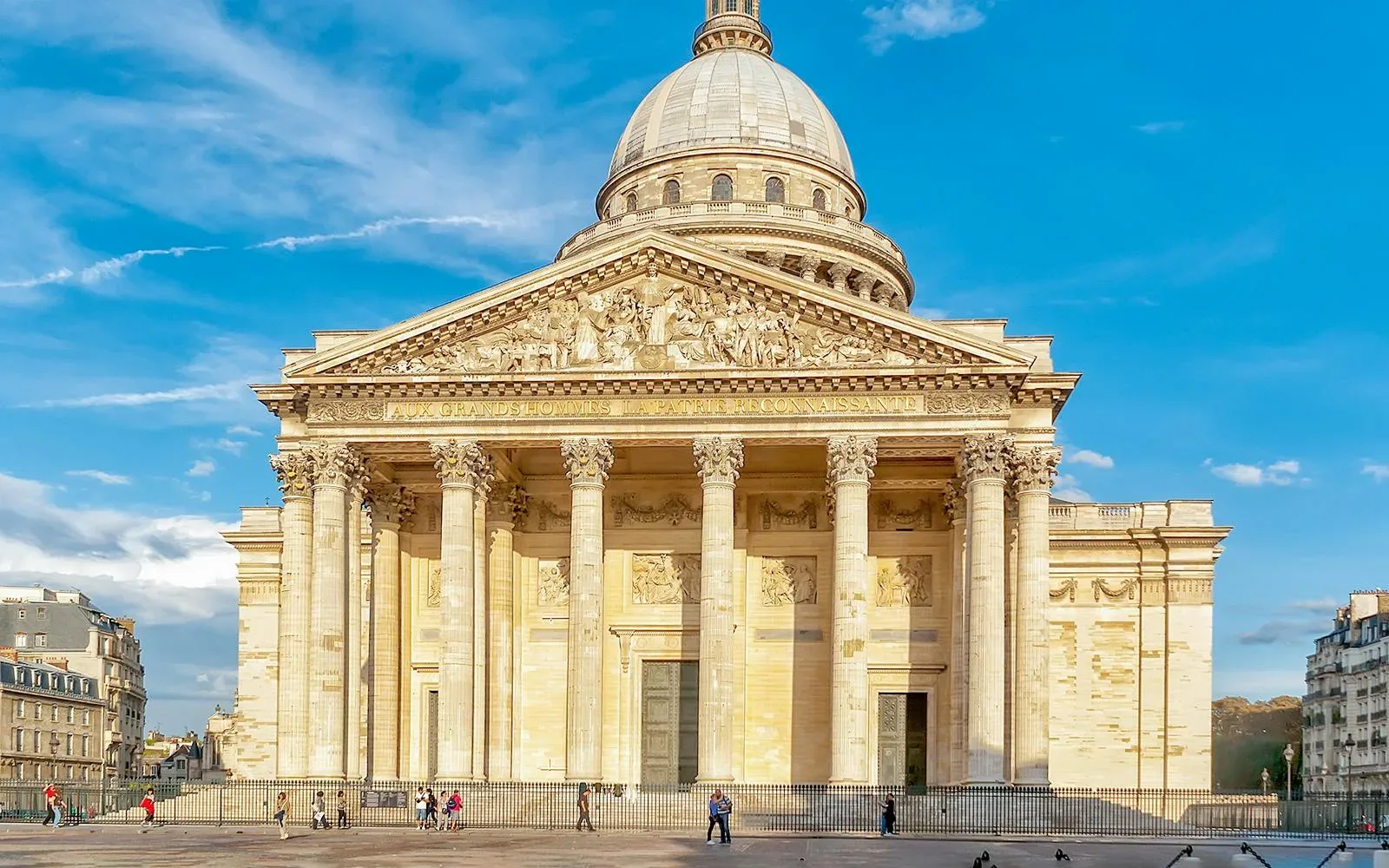
Designed by architect Jacques-Germain Soufflot, the building features a portico inspired by the Pantheon in Rome and a grand dome, making it one of the earliest and finest examples of Neoclassicism. The crypt below is the resting place of Voltaire, Rousseau, Victor Hugo, Émile Zola, Marie Curie, and many other historical figures. Inside, visitors can also admire a replica of the famous pendulum used by Léon Foucault in 1851 to demonstrate the rotation of the Earth.
Guide's Note
The Panthéon stands out as a monument admired by visitors from all over the world. The vast majority of reviews are five stars and the overall impression is overwhelmingly positive; the sheer scale and grandiosity of the building are among its most frequently praised aspects.
At least one visitor notes that taking a guided tour significantly enhanced their experience. This insight makes opting for a guided tour worth considering for anyone planning a visit. Reviewers also highlight the importance of allocating sufficient time due to the monument's size.
- Time planning: A minimum of two hours is recommended; given the scope of the site, a rushed visit may not do it justice.
- Limited review count: Available reviews are relatively brief and concise, leaving limited data to draw a comprehensive assessment of every single feature.
What is the Panthéon and Why is it Important?
At first glance, the Panthéon appears as a grand neoclassical edifice; however, stepping inside reveals a meaning far deeper. The building encapsulates the spirit of the French Revolution, Enlightenment philosophy, and national identity under one roof. Figures such as Voltaire, Rousseau, Victor Hugo, Émile Zola, and Marie Curie rest here—each leaving a profound mark on the intellectual history of France and the world.
The original design is credited to architect Jacques-Germain Soufflot. By blending the colonnaded façade of Rome's Pantheon with the magnificent dome structure inspired by London's St. Paul's Cathedral, Soufflot executed one of the boldest architectural achievements of his era. Today, the Panthéon serves not only as a mausoleum but also as the stage for French state ceremonies, national commemorations, and symbolic tributes.
Best Time to Visit
The best time to visit the Panthéon is during spring and autumn. Between April–May and September–October, the weather is pleasant and crowds are significantly lighter than during the peak summer months. July and August can be quite busy; arriving early in the morning during summer will noticeably shorten your waiting time.
Visiting on a weekday morning outside of school holiday periods offers the quietest experience. Purchasing a skip-the-line ticket in advance is also a practical way to avoid queues. If you wish to see Foucault's Pendulum, morning hours are ideal; while the pendulum swings continuously throughout the day, the visual experience beneath the dome light is particularly impressive in the morning.
How to Get to the Panthéon
Reaching the Panthéon via public transportation is very straightforward. You can take the RER B line to Luxembourg station and walk about 5 minutes to the monument. For metro commuters, Line 10 stations Maubert–Mutualité or Cardinal Lemoine are also within short walking distance. Numerous bus routes stop close to Place du Panthéon.
The building is approximately a 5-minute walk from the Luxembourg Gardens, making it easy to combine both attractions into the same itinerary. If traveling by car, the nearest paid parking facility is the Soufflot-Panthéon parking garage, just a 3-minute walk away. As a general tip for central Paris, public transit is almost always more convenient due to heavy traffic and limited parking.
Visit Route and Highlights
Exploring the Panthéon involves discovering several distinct layers. On the main floor, you are welcomed by a grand interior featuring massive columns, vaulted ceilings, and magnificent wall frescoes. Some of these frescoes depict scenes from French history and the life of Saint Geneviève.
In or near the central space, you can admire the replica of Foucault's Pendulum; used by Léon Foucault in 1851 to demonstrate the rotation of the Earth, this experiment remains one of the most striking milestones in scientific history. Head down to the crypt on the lower level, where you'll find the facing tombs of Voltaire and Rousseau, the memorials of Victor Hugo and Émile Zola, and the tomb of Marie Curie. Curie was the first woman interred here on her own merits—a thought-provoking detail in itself. Plan for a visit lasting between 1.5 to 2.5 hours.
Best Photo Spots
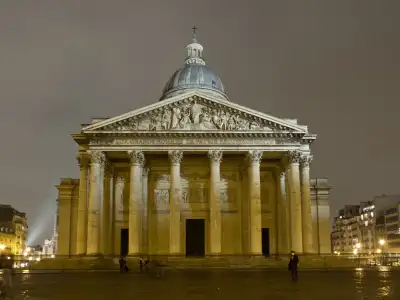
The Panthéon is extremely photogenic both inside and out. A wide-angle shot taken from Place du Panthéon captures the entire façade and portico at its best. Photos taken in early morning or late afternoon light are especially striking.
Indoors, shooting straight up towards the dome yields breathtaking photos; make sure to use a wide-angle lens if you have one. In the crypt, low-light conditions mean using a stable hand or higher ISO setting will help. The tombs of Marie Curie and Victor Hugo are also popular photo subjects. Night shots taken from the plaza right in front of the building turn out wonderfully as the monument is illuminated after dark.
Where to Eat Nearby
The Panthéon sits right in the heart of the Latin Quarter (Quartier Latin), one of Paris's most vibrant culinary neighborhoods. Before or after your visit, you can enjoy a French-style breakfast or lunch at one of the surrounding cafés. Rue Soufflot and the neighboring streets offer a wide range of traditional brasseries and bistros.
If you're up for a short walk, the Rue Mouffetard market area and its surrounding eateries offer the most authentic food experience in the Latin Quarter. This street is packed with bakeries, cheese shops, and wine stores frequented by locals. For a quick afternoon break, the café inside the Luxembourg Gardens is both convenient and pleasant.
Things to Know Before You Go
Keeping a few practical tips in mind before visiting the Panthéon will help smooth your trip. Buying a skip-the-line ticket in advance helps you bypass long lines, especially during peak summer months and weekends; these tickets can be purchased online from various travel platforms.
Visitors under 18 and EU residents under 26 enjoy free entry; simply present a valid photo ID at the ticket desk. Maintaining a quiet demeanor, especially inside the crypt, is expected out of respect. Large luggage and oversized backpacks must be checked in or left behind. Photography is allowed, though flash photography may be restricted, so pay attention to posted signs.
Budget Planning
Visiting the Panthéon is reasonably priced compared to many other major attractions in Paris. Standard adult tickets cost around €11.50–€13. Admission is free for individuals under 18 and EU residents under 26. Some online ticketing platforms offer bundle deals combining Panthéon entry with a Seine River cruise, providing good value if you plan multiple activities.
Additionally, you can rent an audio guide or download guided tour apps to your smartphone. Dining options in the Latin Quarter cater to all budgets; for wallet-friendly choices, explore the small bistros and bakeries around Rue Mouffetard.
This content originates from neresigezilir.com and may not be copied without permission.
FAQ
Updated: