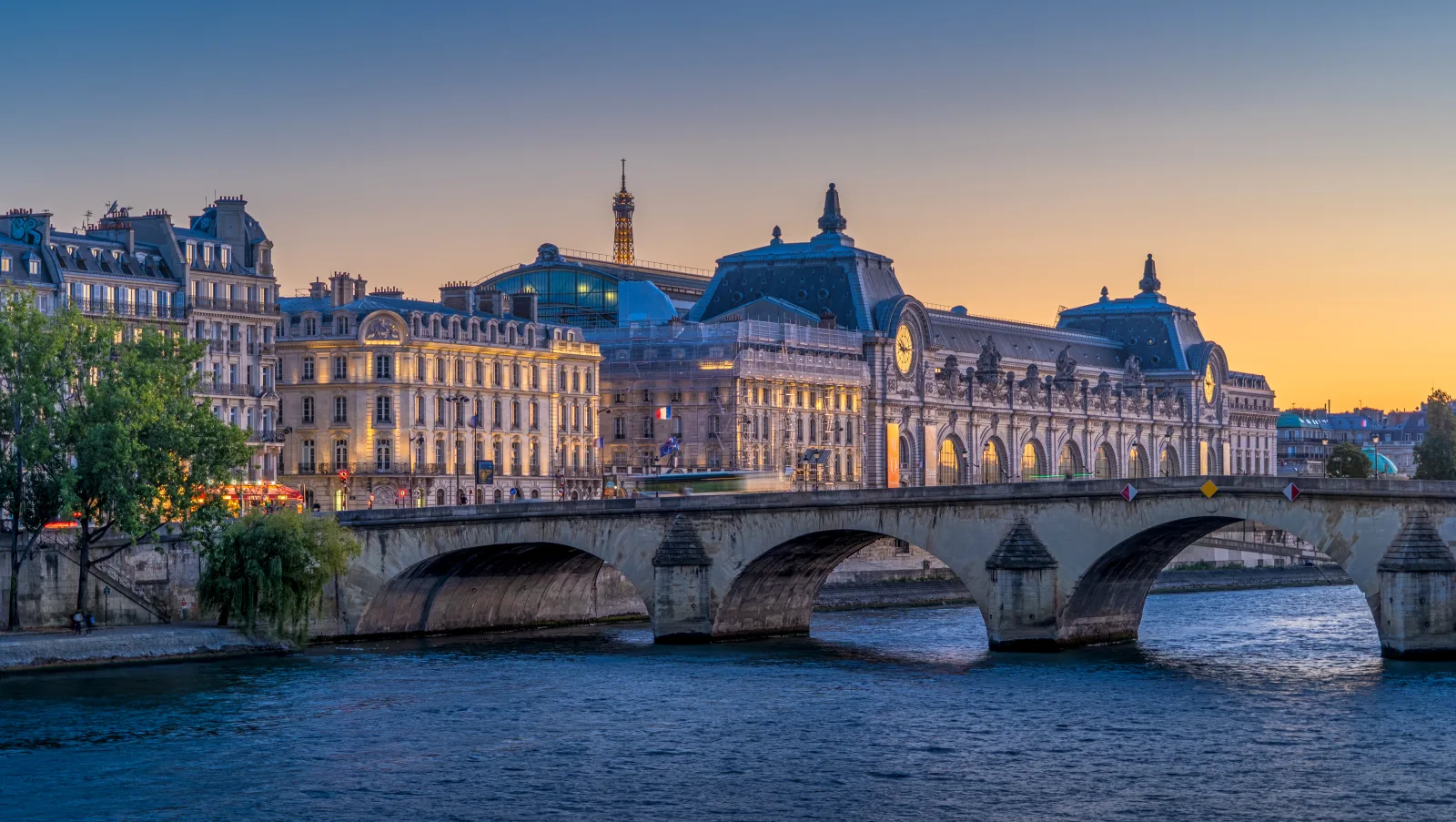
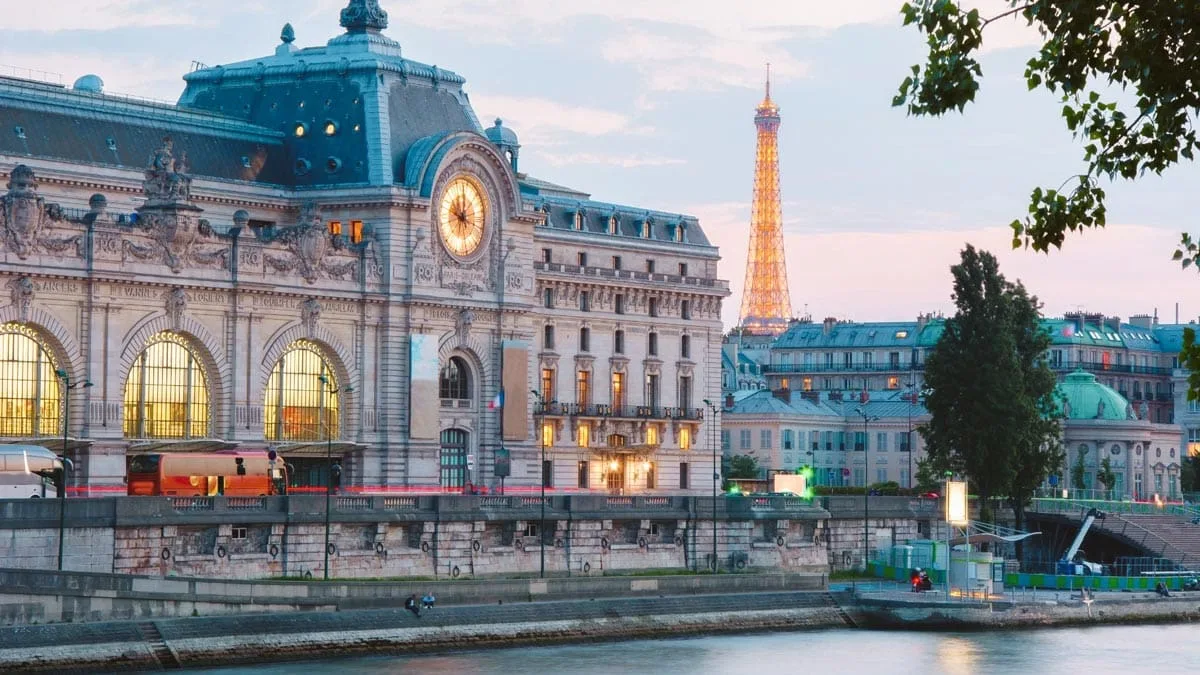
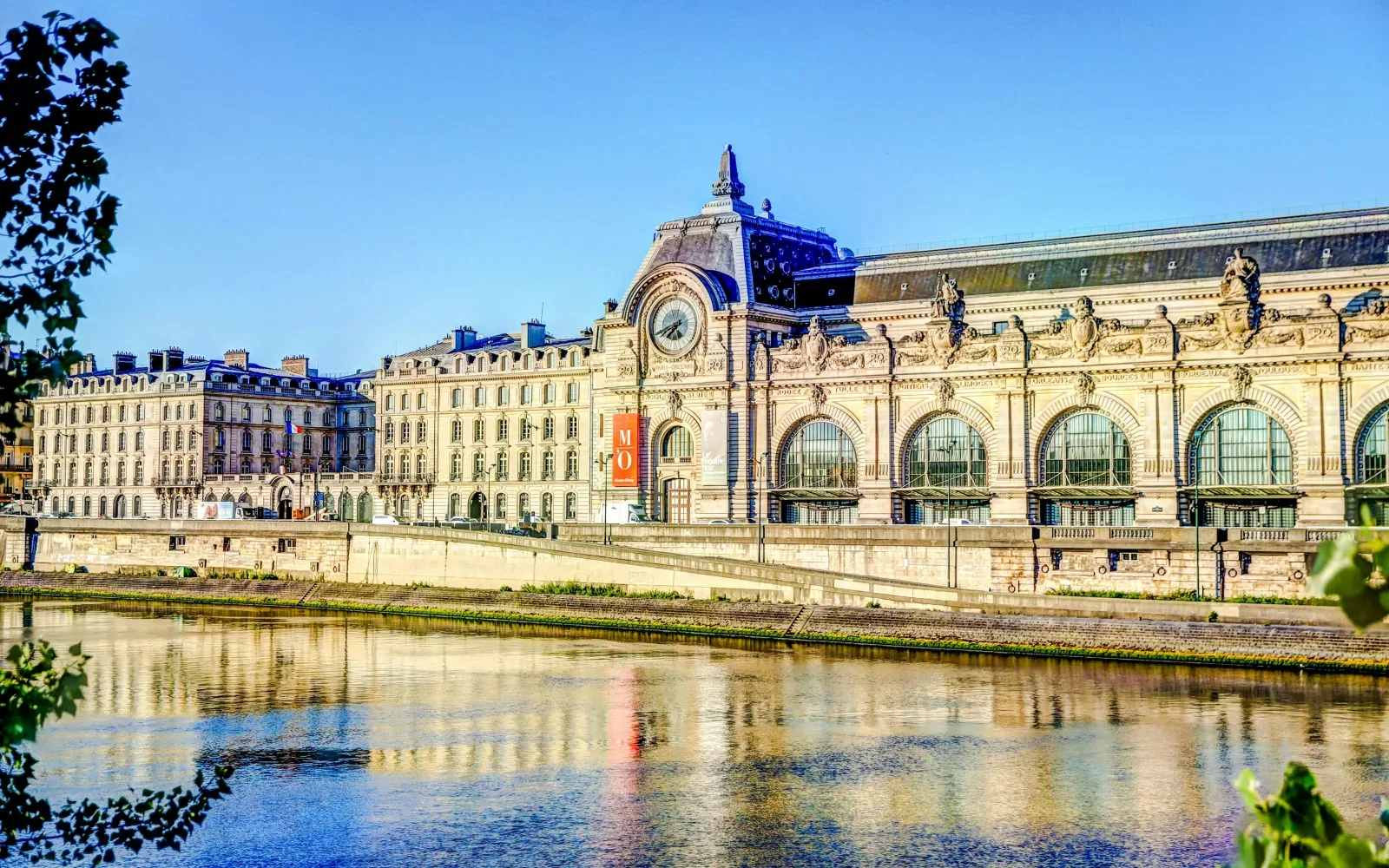
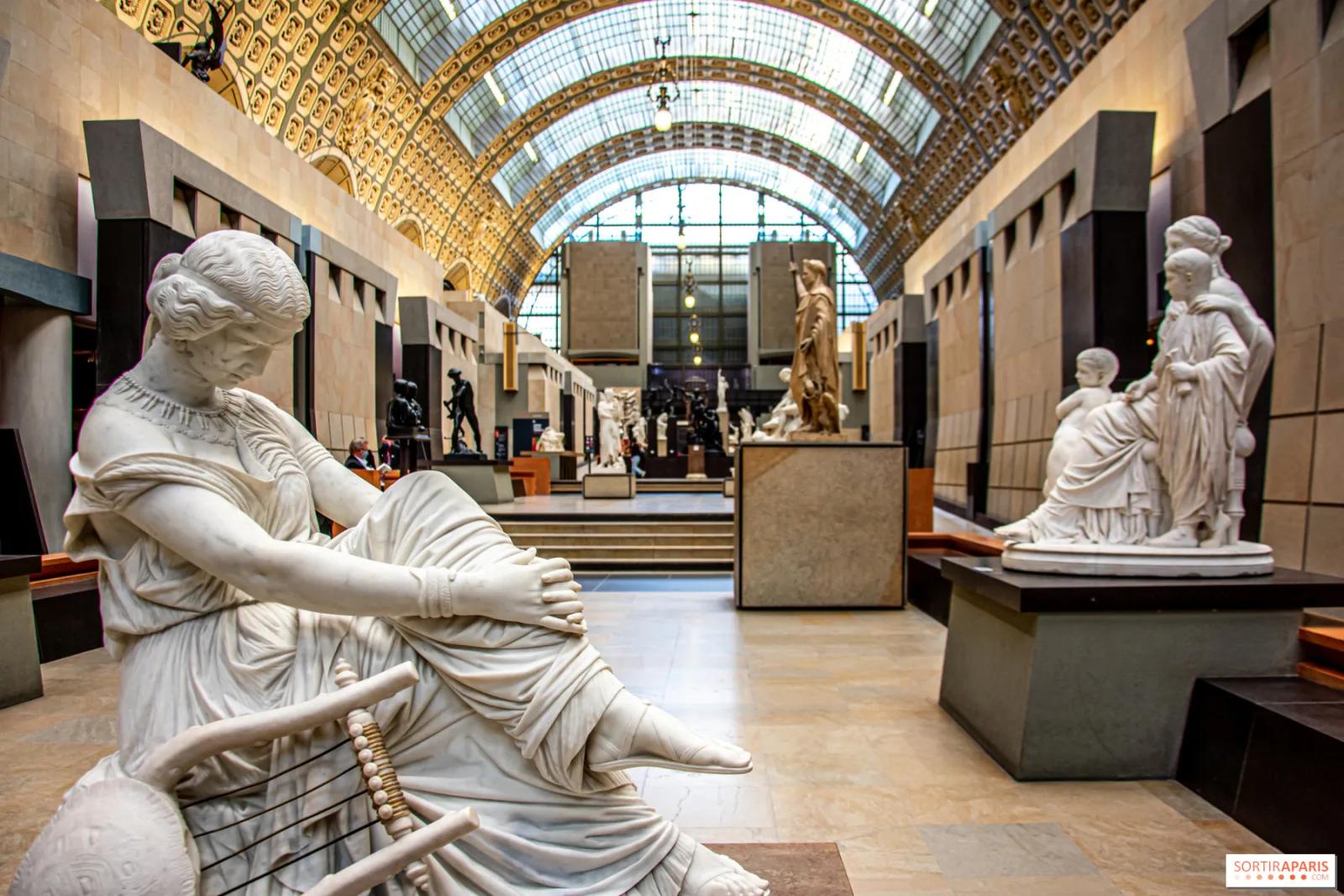
Located on the Left Bank of the Seine in Paris, the Musée d'Orsay is a world-famous art museum housed in a former Beaux-Arts railway station, containing the largest collection of Impressionist and Post-Impressionist masterpieces from 1848 to 1915.
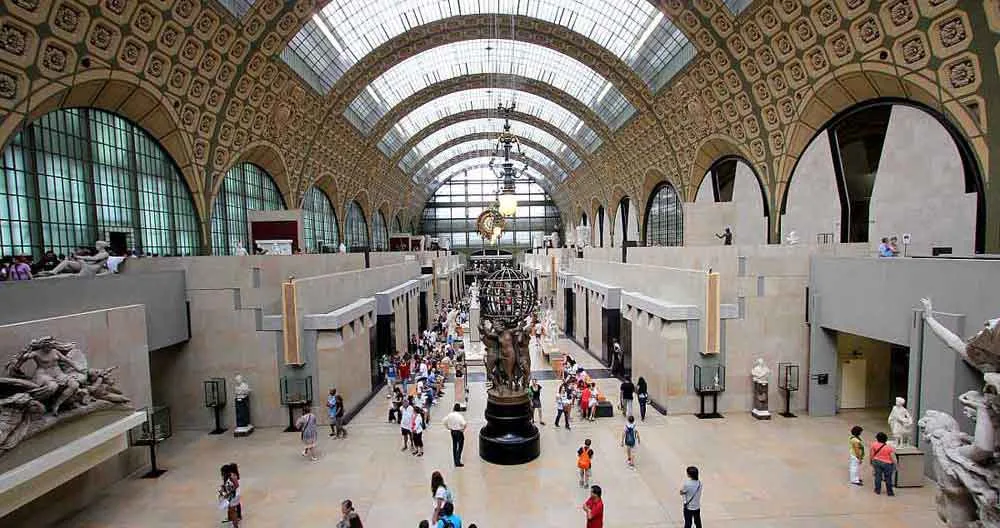
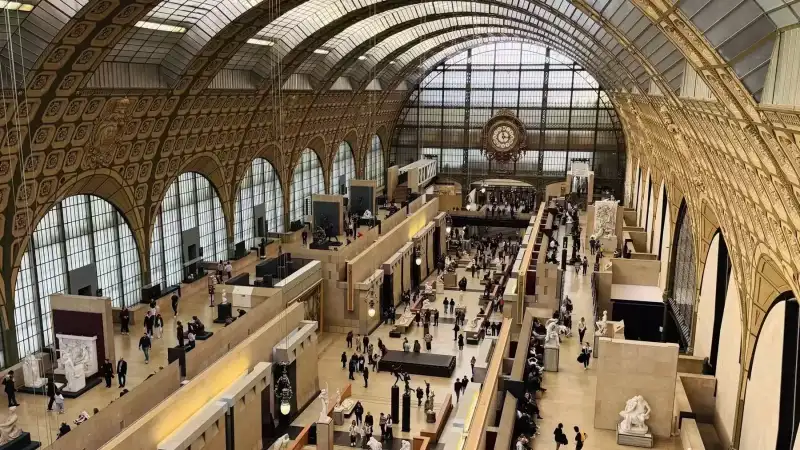
The Musée d'Orsay is one of Paris's most beloved art museums, renowned as the Impressionist complement to the Louvre. The building itself is a work of art: built as a railway station for the 1900 World's Fair, it was later grandly transformed into a museum. Displaying nearly 4,000 works of art, you can enjoy strolling among sculptures in the vast central nave just as much as admiring the world-famous canvases on the walls.
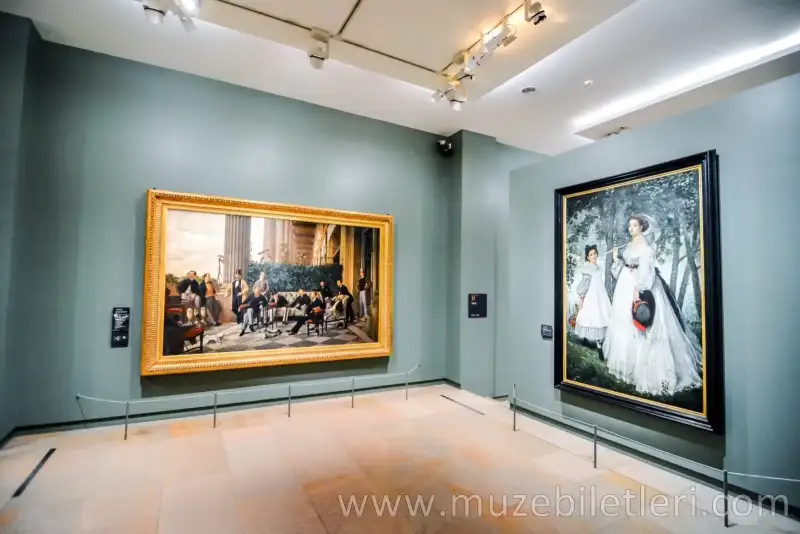
The museum's collection features iconic masterpieces including Van Gogh's "Self-Portrait", Monet's "Water Lilies" series, Renoir's "Dance at Le Moulin de la Galette", works by Manet, and many other master painters. Visitors can examine the artworks up close in a much more relaxed environment than the Louvre, while soaking in the station's striking architectural heritage.
The museum is closed on Tuesdays and open all other days. Located in central Paris near the Solférino metro station, it offers a seamlessly planned visitor experience with various guided tours and audio guide options available.
Guide's Note
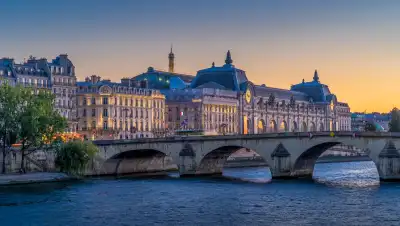
Visitors to the Musée d'Orsay frequently describe the building itself—a converted 1900 Beaux-Arts railway station—as a stunning highlight of the experience. Guests are particularly captivated by the rich display of Impressionist masterpieces and world-renowned paintings by masters like Renoir and Van Gogh. The gallery lighting also receives high praise, with some visitors noting that the artwork illumination surpasses even that of the Louvre.
The museum's spacious layout and well-organized exhibition halls make navigation easy, even for first-time art gallery visitors. The view looking out over Paris through the giant glass station clock is another favorite photo opportunity. Many guests return multiple times or purchase annual passes, testifying to the museum's strong appeal. The admission price is widely considered excellent value for the quality of art on display.
To make the most of your trip, keep these practical visitor tips in mind:
- Wear comfortable shoes: The museum is vast and involves a good deal of walking.
- Arrive early: Morning hours are strongly recommended to beat peak midday crowds.
- Allow at least 2-3 hours: Give yourself enough time to appreciate the collection without rushing.
- Plan a dining break: Take a break at the museum café or nearby bistros for longer visits.
Musée d'Orsay: The Heart of Impressionism
The Musée d'Orsay is one of Paris's most captivating art destinations, situated on the Left Bank of the Seine River. Housing the world's largest collection of Impressionist and Post-Impressionist masterworks created between 1848 and 1915, the museum breathes life into the grand Beaux-Arts architecture of a former railway station. Among its nearly four thousand works of art, you will encounter Van Gogh's Starry Night, Monet's Water Lilies, and celebrated canvases by Renoir.
Unlike the overwhelming vastness of the Louvre, the Musée d'Orsay is ideal for visitors wishing to immerse themselves deeply in a specific golden era of art history. Instead of crowded corridors, it offers a relatively relaxed environment to stroll among masterpieces. The building itself is an architectural wonder, charming visitors with its giant clock windows, elegant ironwork, and naturally illuminated galleries.
Best Time to Visit
For the most enjoyable experience at the Orsay, plan your visit for midweek (Wednesday or Friday). Weekends and public holidays tend to draw heavy crowds. Arriving right at the morning opening hour ensures a quieter, more peaceful atmosphere. On Thursday evenings, the museum stays open until 21:45, making it an excellent option if you prefer keeping daytime hours open for outdoor sightseeing.
Tourist numbers peak during summer (June to August); to avoid large tour groups, visit between September and May. Expect to spend roughly 2 to 3 hours inside, though art enthusiasts taking audio-guided tours may wish to stay longer. Always verify updated opening hours and seasonal closures on the official website before heading out.
Getting There & Transport
Taking the Metro is the quickest and easiest way to reach the museum. Take Line 12 and alight at Solférino Station, which is just a five-minute walk from the entrance. Alternatively, the RER C commuter train stops directly at Musée d'Orsay station, dropping you off right beside the museum. This is an ideal route if you are traveling from the Eiffel Tower, Versailles, or other riverside stops.
The museum is located on the Left Bank of the Seine at 1 Rue de la Légion d'Honneur. If you enjoy walking, it is a pleasant stroll from central Paris landmarks. The facility is fully accessible for visitors with reduced mobility, with assistance available at the main entrance. For cyclists, Paris Vélib bike rental docks are conveniently located nearby.
Things to Do Nearby
When visiting the Orsay, take time to explore the charming Left Bank of the Seine. Picturesque Parisian cafes and classic secondhand booksellers line the surrounding streets. The historic Latin Quarter (Quartier Latin) is within walking distance, offering quaint cobblestone lanes, cozy bistros, and an academic charm that captures the authentic vibe of Paris. The Panthéon, Sorbonne University, and Cluny Museum are all in the same neighborhood.
Directly across the river stand the Tuileries Garden and the Louvre Museum; while visiting both major museums on the same day is possible, it can be mentally exhausting. Instead, take a relaxing break sitting along the banks of the Seine to watch the sunset over Paris. The Eiffel Tower and Les Invalides are also within comfortable walking distance.
Planning Your Time
If you only want to see the key highlight masterpieces, 2 hours should be sufficient. However, if you wish to appreciate the station architecture, discover lesser-known collections, and dive deeper into 19th-century art, plan to spend 3 to 4 hours. Guided tours usually last around 1.5 to 2 hours and provide a rich overview of the collection's standout works.
If your itinerary includes several days in Paris, schedule your Musée d'Orsay visit for a different day than the Louvre. Visiting both giant art institutions back-to-back can cause museum fatigue. Spreading them across different days preserves your energy and appreciation. If you hold a Paris Museum Pass, you can also benefit from dedicated priority entry lines.
Recommended Tour Route Inside
Start on the ground floor (Level 0), where a central aisle lined with impressive 19th-century sculptures welcomes you. Next, head towards the grand station clock hall, an architectural masterpiece in its own right. Afterwards, take the escalators to the top floor to view the world-famous Impressionist works by Van Gogh, Monet, and Renoir. The dedicated Van Gogh Room and Monet's Water Lilies room are absolute highlights.
The middle levels host decorative arts, Realist paintings, and Art Nouveau furniture that attract fewer crowds but are well worth discovering. After viewing the iconic canvases, take a moment to admire the original station fittings and clockwork mechanics to appreciate the museum's historic railway soul. Utilizing an audio guide or following gallery wall text will enrich your tour.
Where to Stay Nearby
Charming boutique hotels and stylish apartments are readily available in the 7th arrondissement surrounding the Orsay. Within a five-minute walk from the museum on the Left Bank, you can find quiet and sophisticated accommodations. Known as a traditional haven for artists, writers, and intellectuals, the Left Bank remains one of Paris's most atmospheric districts.
For budget-conscious travelers, staying in the adjacent 5th arrondissement (Latin Quarter) is a fantastic alternative; it offers slightly more affordable options and is just a short metro ride away. Hotels near Gare Montparnasse are also convenient, though located in a busier commercial area. If you are visiting Paris for the first time, staying near the Orsay places you right in the artistic heart of the city.
Food & Drink Options
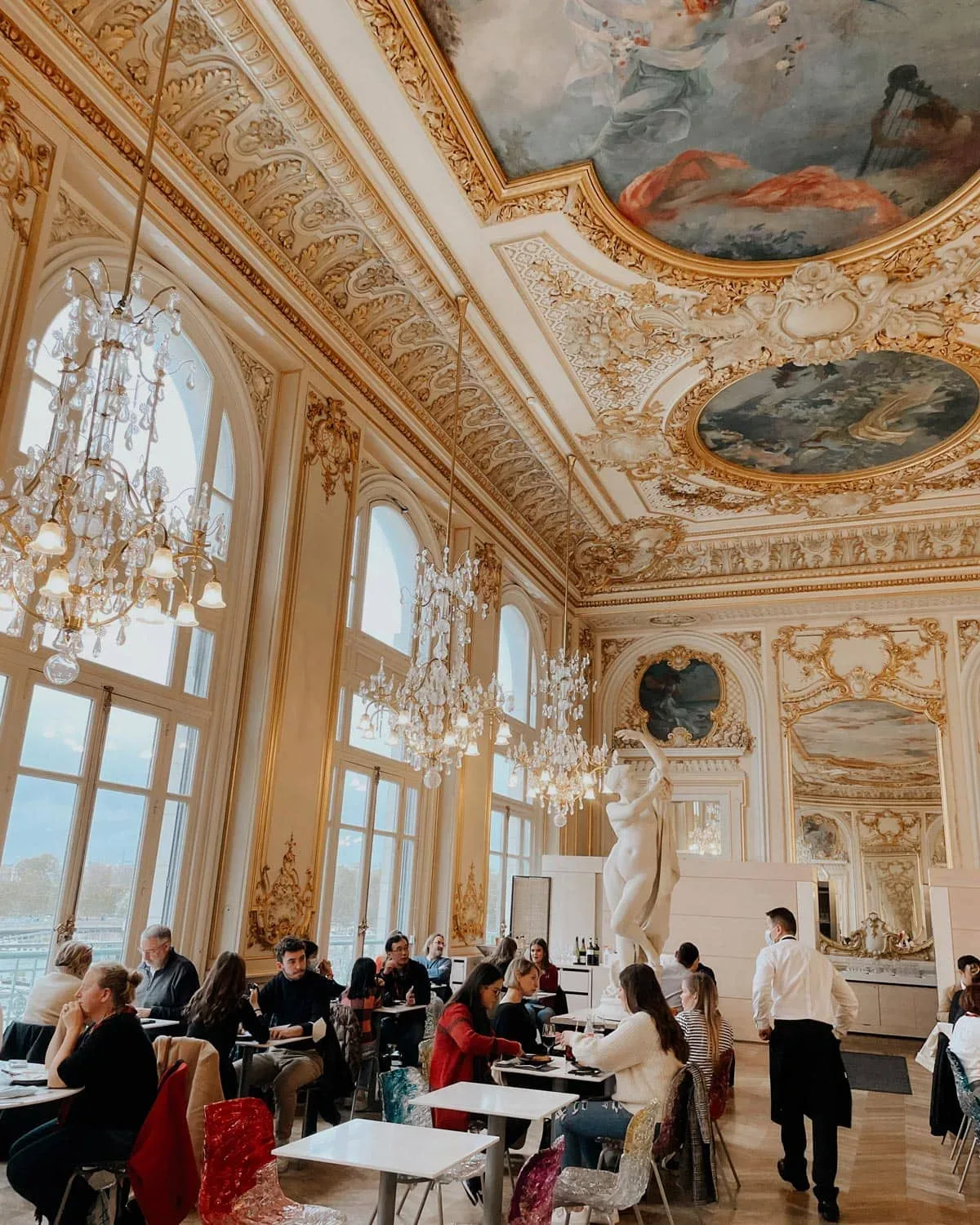
The museum features several dining options inside. Café des Hauteurs and Restaurant du Musée boast elegant, classic settings matching the venue's grand heritage, serving coffee, pastries, and light lunch menus. However, internal cafes can get busy during peak hours and carry higher prices. Stepping outside to dine at neighborhood cafes often yields a more authentic Parisian meal.
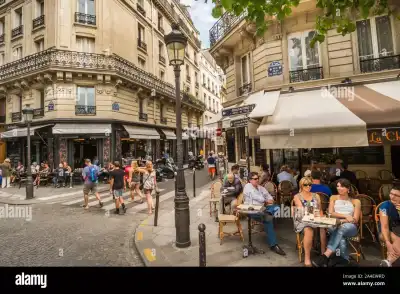
Nearby streets such as Rue de Buci and Rue de l'Ancienne Comédie are packed with traditional French bistros and classic brasseries. Buying fresh baguettes, cheese, and wine from a local market for a picnic along the Seine is a quintessentially Parisian pastime. Head towards the Latin Quarter for even more budget-friendly dining choices.
Museum Gift Shop & Nearby Shopping
Near the exit, you'll find a spacious museum bookstore and gift shop filled with art monographs, high-quality prints, official catalogs, and creative souvenirs. Posters, stationery, and books dedicated to famous painters like Van Gogh and Monet are available in abundance. Prices reflect standard museum rates, but finding such a comprehensive art book selection elsewhere in Paris can be difficult.
Around the museum, Rue de Beaune and neighboring streets feature antique shops, independent bookstores, and design boutiques. Famous bouquinistes (open-air secondhand booksellers) line the riverfront along the Seine, offering vintage prints, old maps, and rare French books. For luxury fashion brands, take a short ride toward the Champs-Élysées.
Budgeting Tips
Standard admission tickets (check the official website for current rates) are moderately priced, typical for top Parisian institutions. EU residents under 26, students, and children qualify for free or discounted entry. Audio guides are available at an extra cost in multiple languages. If you hold a Paris Museum Pass, entry is included, offering great savings if you plan to visit multiple sights.
If you intend to buy souvenir books or art prints from the gift shop, set aside €10 to €30. Lunch inside the museum cafe ranges from €15 to €25, while external neighborhood bistros cost around €12 to €20. Remember to account for optional guided tour fees if you prefer a private or organized group walk.
Top Photo Spots
The museum's most iconic photo spot is the giant glass station clock located on the top floor. This vantage point showcases the grand Beaux-Arts railway architecture while offering breathtaking views through the clock face toward the Seine River and Sacré-Cœur on Montmartre. Afternoon light between 14:00 and 16:00 creates the best lighting conditions for photos.
Van Gogh's Self-Portrait, Monet's Water Lilies, Renoir's lively dance hall scenes, and Toulouse-Lautrec's cabaret posters are also popular photographic subjects. Note that flash photography and tripods are strictly prohibited inside the galleries. Grab a museum map at entry to locate key artwork rooms and optimal camera angles easily.
Important Visitor Information & Tips
Before arriving, check online whether specific gallery sections or clock towers are temporarily closed for restoration. Flash photography is prohibited, though non-commercial photos without flash or tripods are allowed. Because of the building's massive scale, marble flooring, and numerous staircases, wearing comfortable walking shoes is essential. If visiting with children, the sheer grandeur of the converted station makes for an engaging, theater-like atmosphere.
Upper galleries are periodically reorganized for temporary loan exhibitions, so certain paintings may occasionally be off display. Check the official website prior to your trip to confirm current exhibitions. Out of respect for artwork preservation, maintaining a safe distance from displayed canvases is strictly enforced by gallery guards.
This content originates from neresigezilir.com and may not be copied without permission.
Musée d'Orsay Videos
Musée d'Orsay videos load when you open this section to keep the page fast.
Show videos
FAQ
Updated: