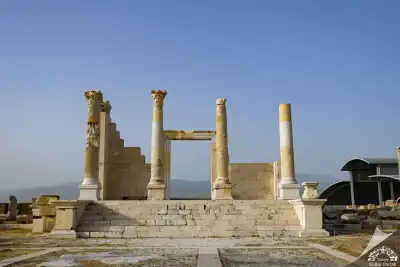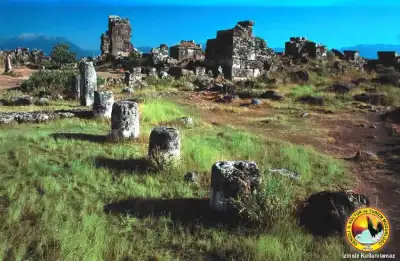
Tabae Ancient City is one of the important cities of Caria located in the Kale district of Denizli, continuously inhabited since the Hellenistic period. Situated on a rocky plateau, the site features rock-cut structures, Roman bath remains, and 19th-century Ottoman architecture.
Tabae Ancient City is located at the 78th kilometer of the Denizli-Muğla highway, about 1 km southwest of the Kale district center. As one of the prominent cities of the Carian civilization, Tabae gains the appearance of a natural fortress thanks to the steep cliffs of the rocky plateau on which it stands. Counted among the city-states established following Alexander the Great's Anatolian campaigns, Tabae possesses a long settlement history stretching from the Hellenistic era to the Ottoman period. Minting its own coins—first silver, then bronze—in antiquity clearly demonstrates the city's political and economic prominence in the region.
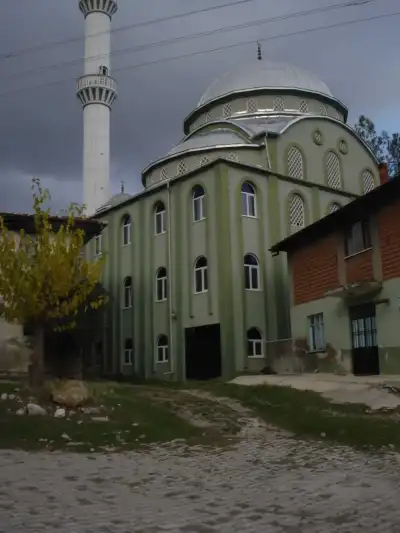
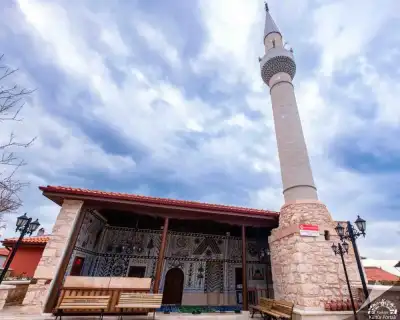
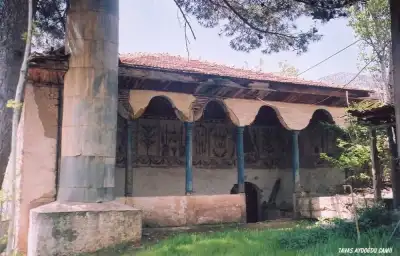
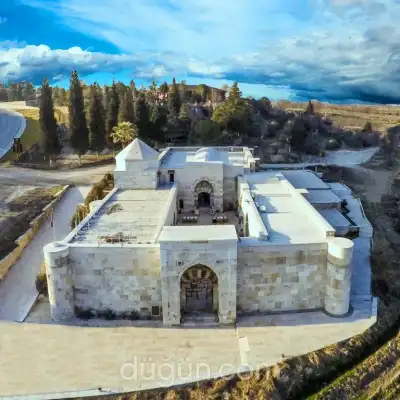
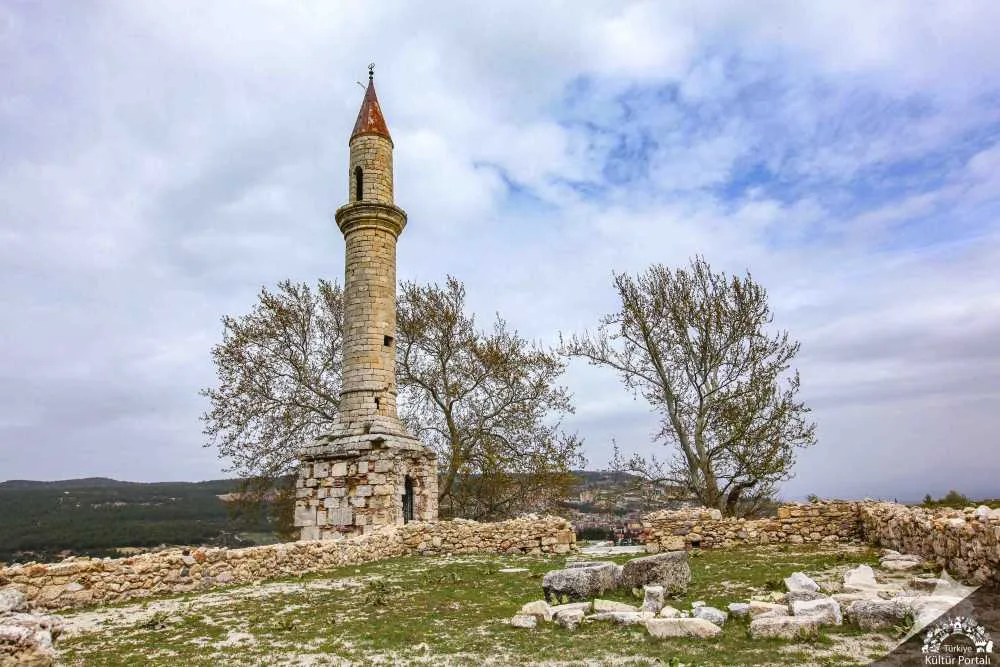
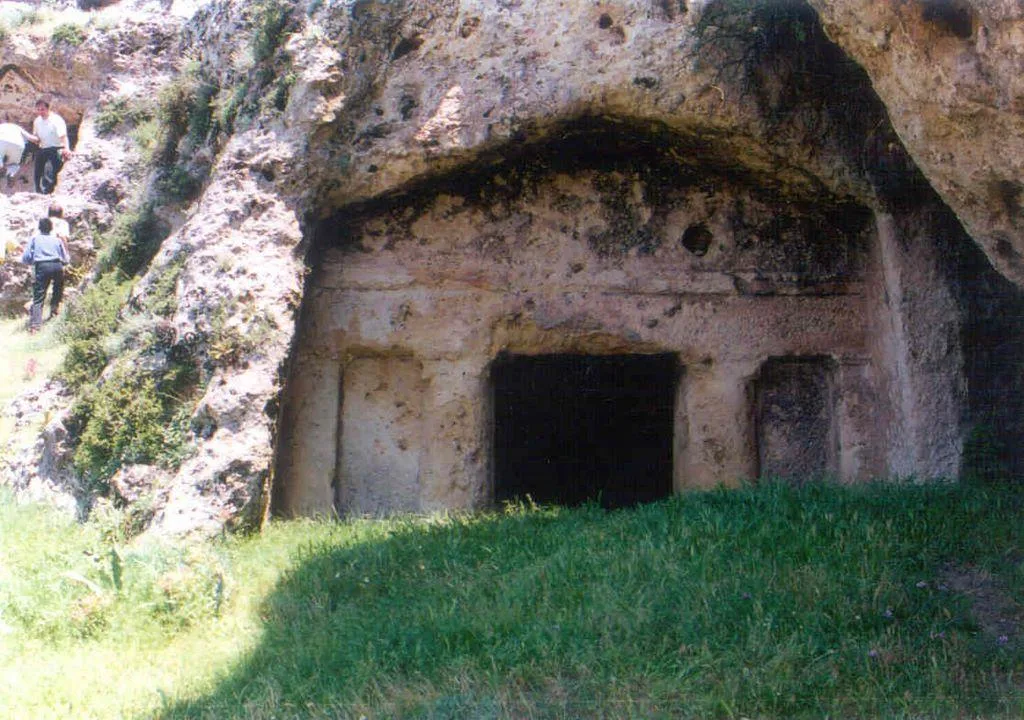
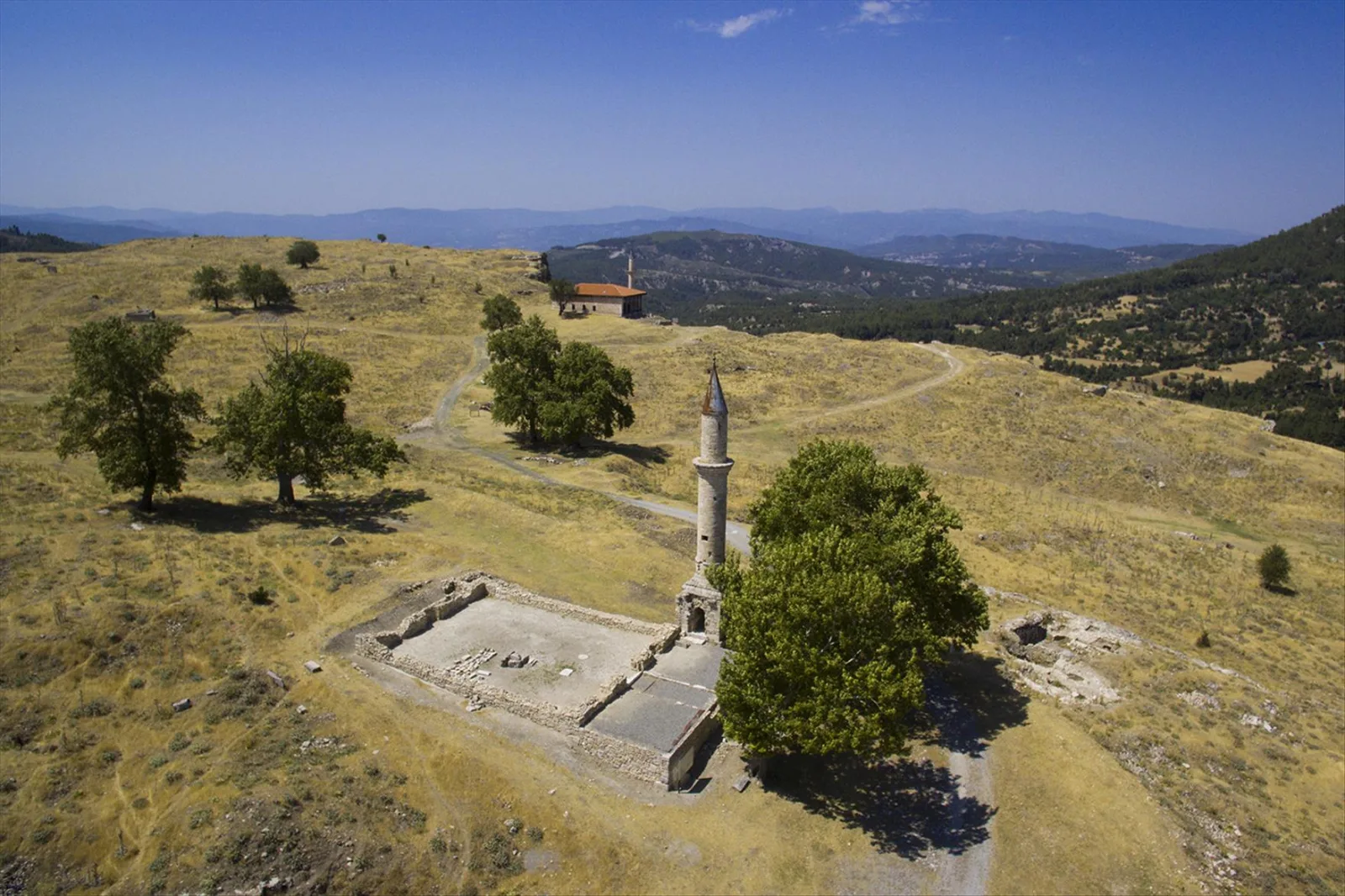
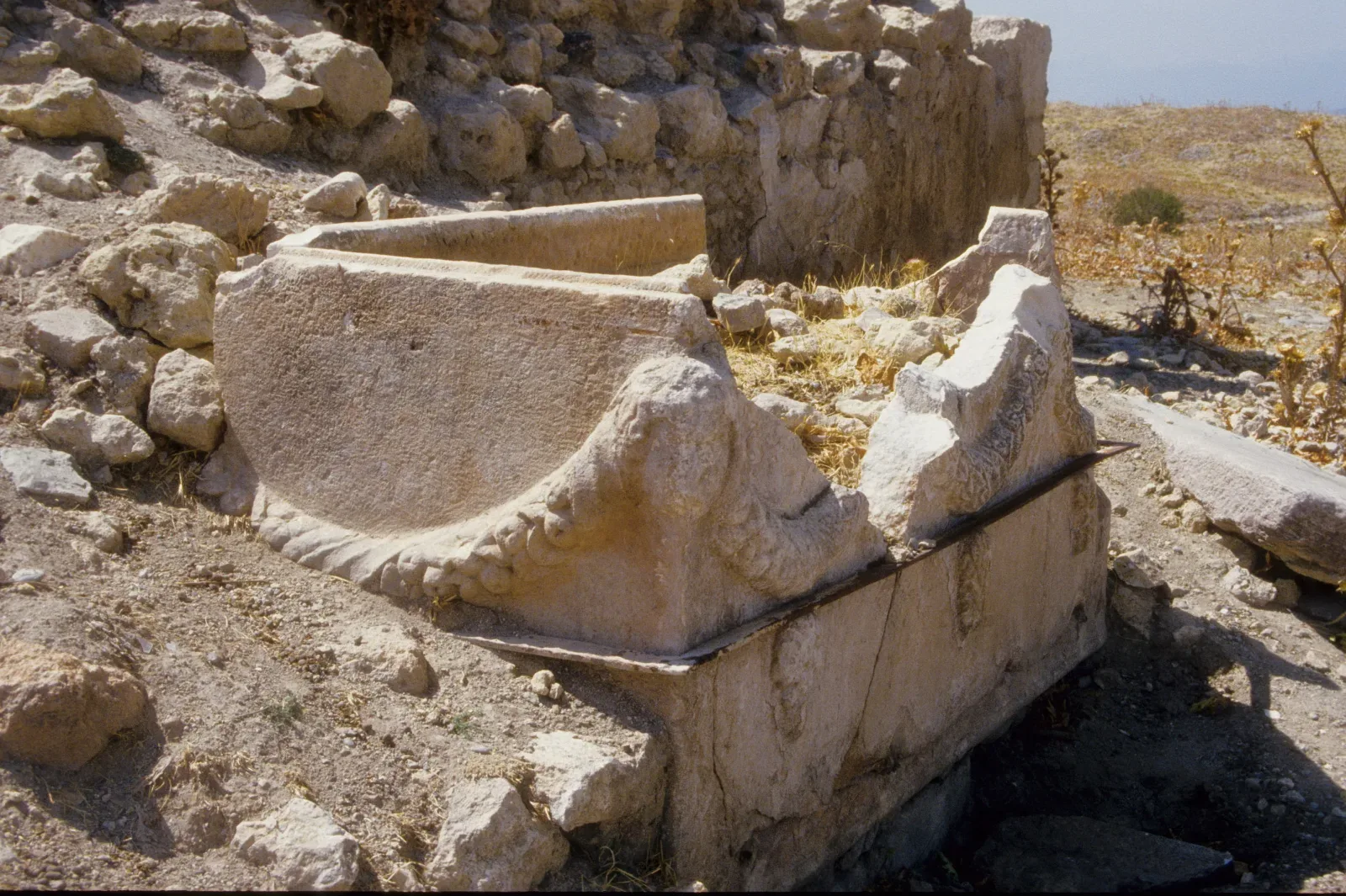
Notable structures in the acropolis include a rock-cut building with niches, single-room dwellings, cisterns, and remains of a Roman bath. The rock-cut building with niches has a rectangular plan running north-south, featuring four niches inside its eastern wall, surrounded by fragments of architraves, altars, and columns. The single-room houses were actually inhabited, as evidenced by wooden door traces. The district center of Kale remained in this ancient site until 1957, when it was moved to its present location. The site also houses the Cevher Paşa Mosque, a fine example of 19th-century Ottoman wooden architecture. Visitors note that excavations are ongoing periodically and that the sweeping valley views form one of the most impressive moments of the tour. Comments regarding the access road are also notable; many visitors emphasize that the road leading to the ancient city is quite rough and presents a challenging drive for standard vehicles.
What is Tabae and Where Was It Established?
Tabae was one of the prominent cities of the Carian region, established among the city-states founded after Alexander the Great's conquest of Anatolia. Situated at the 78th kilometer of the Denizli-Muğla highway, just southwest of modern-day Kale district, the city boasts a natural fortress appearance due to the steep structure of the rocky plateau on which it stands. It is one of the rare cities continuously inhabited from the Hellenistic era to the Ottoman age. Until 1957, the settlement of Kale district continued right within this ancient area, after which the district moved to its present location.
Main Structures in the Acropolis
Located in the northeast of the acropolis, the rock-cut building with niches has a rectangular plan oriented north-south and features four niches inside its eastern wall. Architrave fragments, altars, and column remains lie scattered around it. The single-room rock-cut dwellings are concentrated along the steep cliff areas of the plateau; door niches and mortises indicate that the doors were made of wood. Traces of a Roman bath and cisterns are also present on site. Another prominent feature standing among all these structures is the Cevher Paşa Mosque; a rare regional example of 19th-century Ottoman wooden architecture, it reveals a distinct historical layer amidst the ancient ruins.
Best Time to Visit
The best period to visit Tabae is between April–June and September–November. Temperatures can rise significantly on the rocky plateau during midsummer, so it is best to avoid the midday hours in July and August. In spring, lush greenery and mild weather facilitate both touring and photography. Keep in mind that rocky surfaces can become slippery during rainy periods in winter.
How to Get There?
Simply take the D-585 highway from Denizli city center heading toward Muğla. You will reach the Kale district at approximately the 78th kilometer; the ancient city lies about 1 km southwest of the district center. As public transportation options are very limited, using a private or rental vehicle is advised. Several visitors report that the access road to the ancient site is rough, so driving a high-clearance vehicle or driving cautiously is recommended.
Photo Spots
The most striking shots of Tabae are captured from the cliff edges of the rocky plateau overlooking the sweeping valley panorama. The wall texture and interior niches of the rock-cut building provide great opportunities for detailed photographs. The wooden architecture of the Cevher Paşa Mosque creates a strong contrast against the background of ancient stone structures. Morning light highlights the contours of the rocky surfaces exceptionally well.
Things to Keep in Mind
The road leading to the ancient city is described as very rough by most visitors; driving low-clearance cars may cause vehicle damage. Because the rocky plateau contains steep cliffs, extra caution is necessary when visiting with children. Certain areas may be closed to visitors when excavation work is active. Accommodation and dining options in Kale district are quite limited, so bringing your own water and snacks is advisable.
How Much Time Should You Allocate?
Tabae Ancient City is ideal for a half-day itinerary on its own. Spending 1.5 to 2 hours is sufficient to comfortably explore the acropolis, rock-cut structures, and Cevher Paşa Mosque. For those wishing to include the surrounding Kale district, half a day will be plenty. It can easily be planned as a day trip from central Denizli.
Where to Eat Nearby?
Dining options in the immediate vicinity of Tabae Ancient City are extremely limited. Small local eateries and coffeehouses are available in Kale's district center. For a wider range of options, you will need to travel to central Denizli or Tavas district. Bringing sufficient water and snacks before starting your trip is a practical solution.
This content originates from neresigezilir.com and may not be copied without permission.
Tabae Ancient City Videos
Tabae Ancient City videos load when you open this section to keep the page fast.
Show videos
FAQ
Updated: