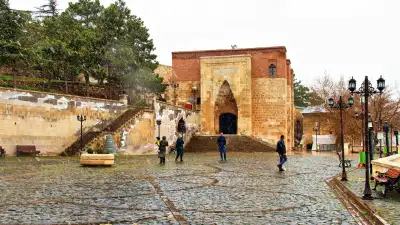
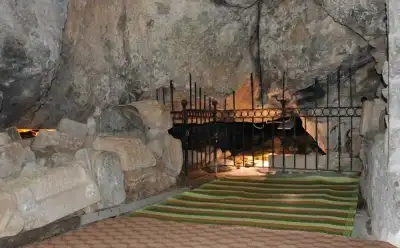
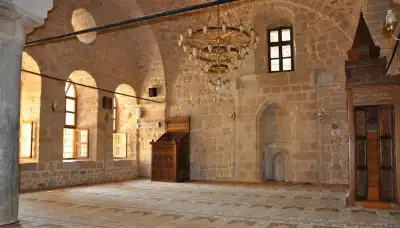
The Eshab-ı Kehf Complex in Afşin, Kahramanmaraş, is a historic religious site built around a cave on a rocky hillside, featuring architecture from Byzantine to Ottoman times; entrance is free.
Rising in a valley nestled among steep cliffs about 7 km northwest of Afşin town center, the Eshab-ı Kehf Complex is one of Anatolia's most unique faith tourism stops. Centered around a cave considered sacred since antiquity, the complex grew over time with the addition of a mosque, tomb, and various structures. Holding a significant place in both Christian and Islamic traditions, this site is also listed on the UNESCO Tentative World Heritage List.
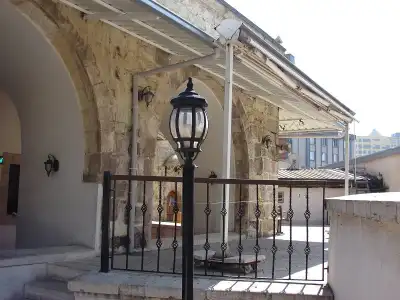
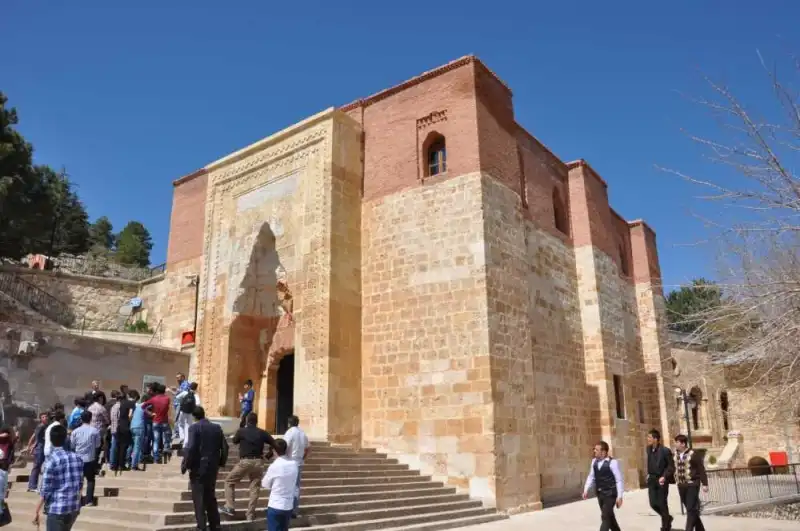
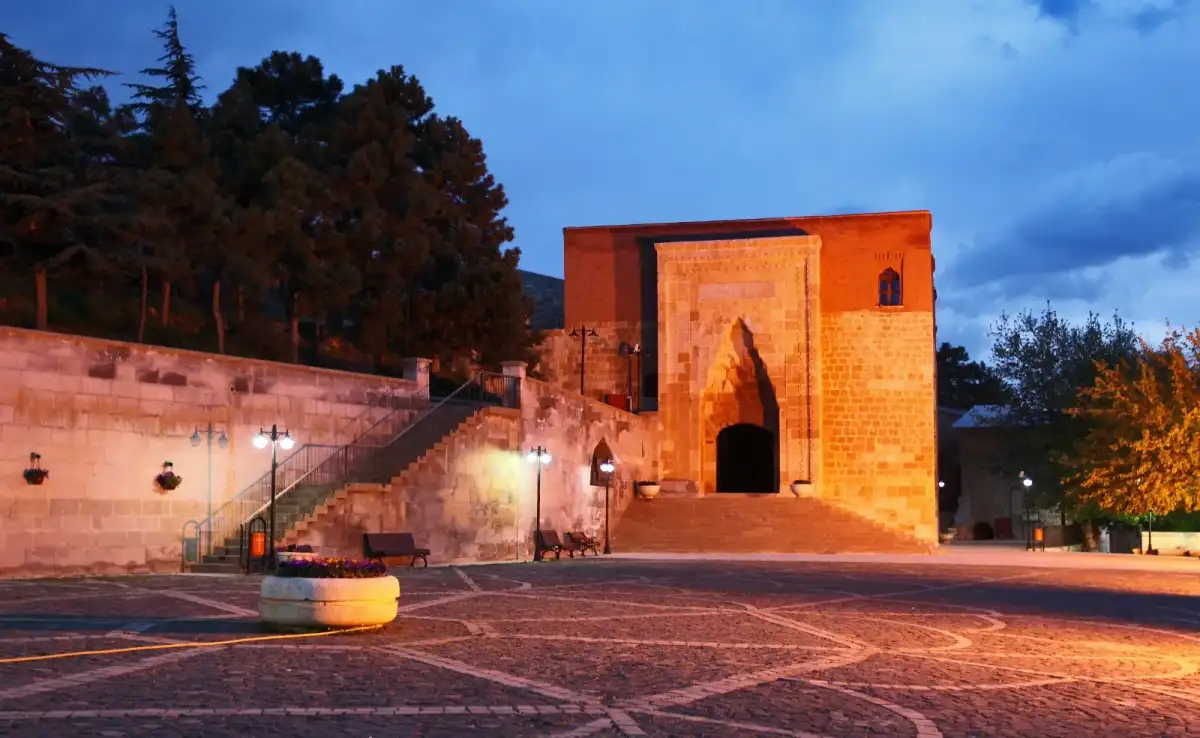
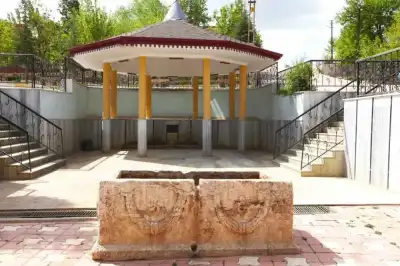
The most striking feature of the complex is its ability to showcase layered traces left by different civilizations all in a single site. Roman-era column decorations and baptismal fonts can still be seen inside the mosque today, indicating its former use as a church. Visitors can simultaneously observe Seljuk ruins dating between 1215 and 1234 alongside elements of Ottoman architecture. Access to the cave is provided through the men's section of the mosque, so it is wise to plan your visit accordingly. Visitors often note that the mosque's imam tells the story of Surah Al-Kahf and the site's history in a deeply moving way. Keep in mind that a lack of directional signage can occasionally mislead visitors.
The spiritual atmosphere of the complex leaves a profound impression on guests, with many highlighting the serenity and peace they feel here in their reviews. Information is also circulating about upcoming restoration work; those wishing to see the complex in its current state may want to visit without delay.
What is the Eshab-ı Kehf Complex?
Eshab-ı Kehf is a site associated with the story recounted in Surah Al-Kahf, the 18th chapter of the Quran, about young men who took refuge in a cave to preserve their faith and are believed to have slept there for over 300 years. Commonly known as the Seven Sleepers, the cave attributed to them lies on a rocky hillside in Afşin. The complex consists of a mosque, tomb, and various historical buildings.
Constructed between 1215 and 1234 during the reign of Nusretüddin Hasan Bey, the Anatolian Seljuk Governor of Maraş, the buildings were expanded over time during the Dulkadirid Principality and Ottoman eras. The site is revered not only in Islamic tradition but also in Christianity; Roman-era baptismal fonts and column ruins inside the mosque serve as tangible evidence of this multi-layered history.
When to Visit?
The best time to visit the complex is during April–May and September–October. During these months, the weather is cool and conducive to walking. In the summer, particularly in mid-July and August, heat on the rocky terrain can be quite oppressive; scheduling summer visits before 09:00 or late in the afternoon is recommended.
Visitor numbers noticeably increase during religious holidays, especially Eid al-Adha. Choose weekdays if you prefer a quieter visit.
How to Get There?
The complex is located near Emirli village, about 7 km northwest of the Afşin district in Kahramanmaraş province. You can reach Afşin from Kahramanmaraş city center by bus or minibus; travel time is approximately 1.5 to 2 hours. From Afşin to the complex, you can travel by taxi or private vehicle. There is no regular public transportation line serving the complex.
If arriving by car, follow the Afşin-Elbistan highway and head toward Emirli village. Using a navigation app is recommended, as road signs along the way may be insufficient.
Photo Spots
The silhouette of the complex set against the rocky valley offers beautiful light, especially around midday and late afternoon. The Roman-era column capitals and baptismal basins inside the mosque are compelling photography subjects reflecting its historical character. The entrance to the cave and the surrounding rock faces also present interesting frames.
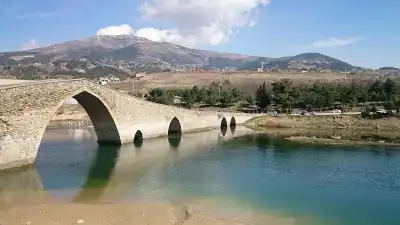
Panoramic shots taken from the ridge of the valley surrounding the complex are considered among the best images to capture the site's geographical context. While taking photos, please respect the privacy of worshipping visitors.
Things to Know Before You Go
Entrance to the cave is located through the men's section of the mosque. Since female visitors may not be able to access the cave this way, it is a good idea to inquire about current practices upon arrival. Directional signage inside the complex is inadequate; feel free to ask the mosque's imam or staff for assistance so you don't miss key spots.
Visitor reviews occasionally mention issues with cleanliness, noting that maintenance of ablution facilities can be inconsistent. Information regarding planned restoration work is also circulating; keep in mind that some areas may be temporarily closed during this process. As this is a religious site, modest attire is required.
How Much Time to Spend?
Allowing 1.5 to 2.5 hours is sufficient to comfortably explore the complex. Those wishing to examine the cave, mosque, tombs, and Roman remnants in detail may want to extend this time slightly. If the mosque's imam offers detailed insights about the site, this conversation will also add great value to your visit.
If you are staying in Afşin, you can combine a trip to the complex with other historical and natural spots in the district to create a half-day itinerary.
Where to Eat Nearby?
Dining options immediately surrounding the complex are very limited. Upon returning to central Afşin, you can sample Kahramanmaraş cuisine at local eateries. Maraş-style kebabs and local soups are among the region's standout highlights. Bringing water and light snacks with you before your visit, especially during the summer months, will prove very helpful.
This content originates from neresigezilir.com and may not be copied without permission.
Eshab-ı Kehf Complex Videos
Eshab-ı Kehf Complex videos load when you open this section to keep the page fast.
Show videos
FAQ
Updated: