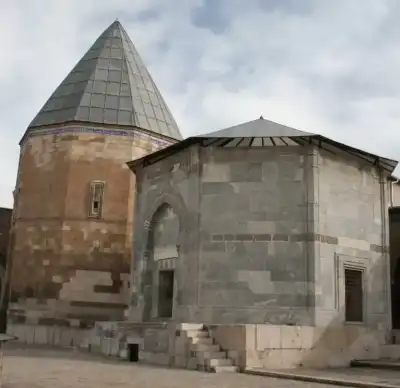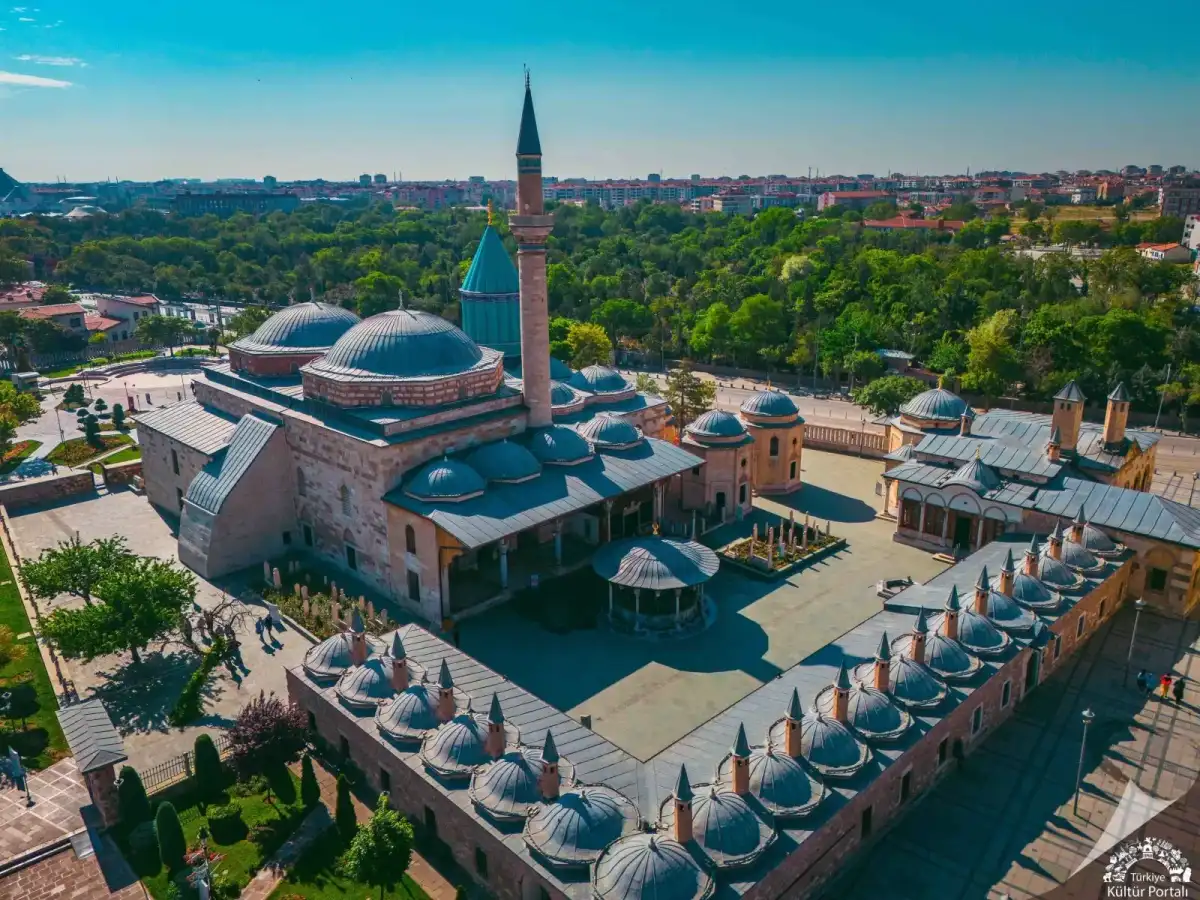
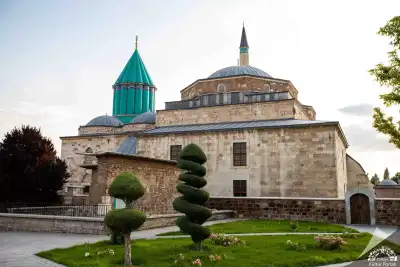
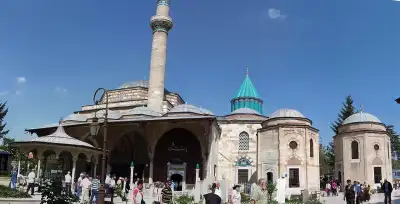
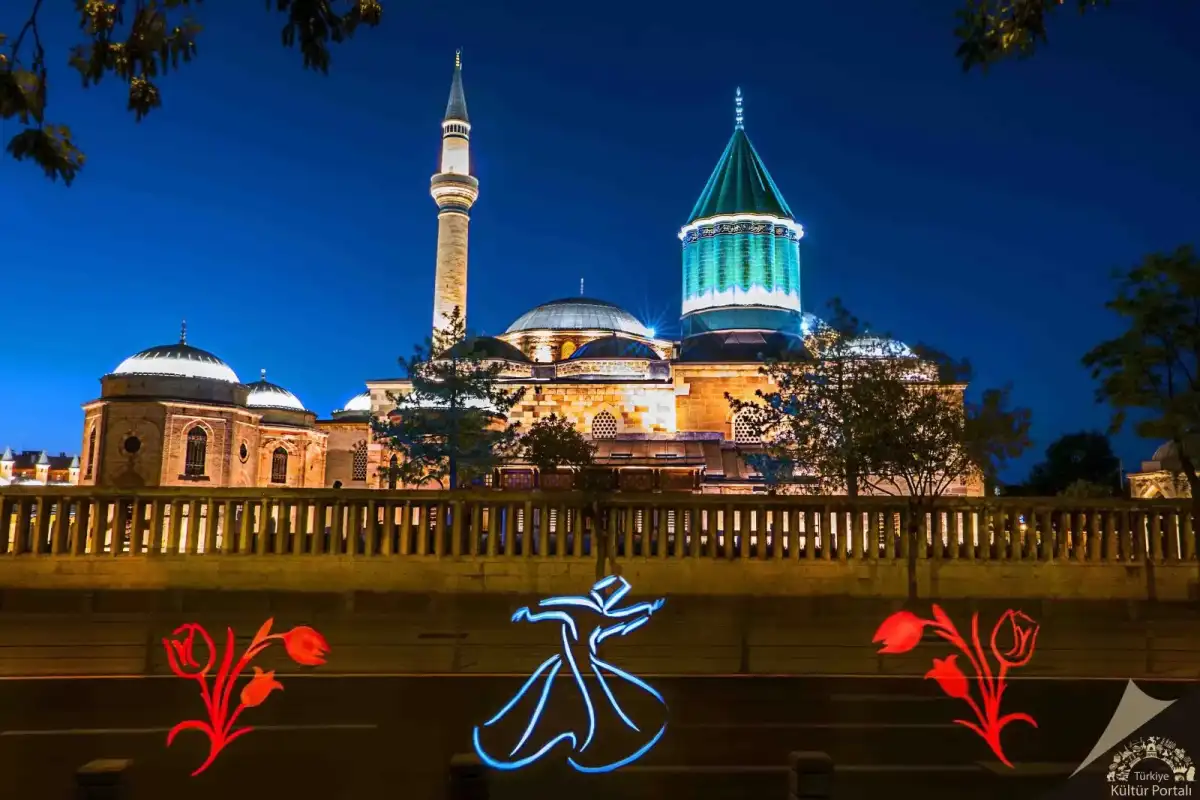
Located in central Konya, the Mevlâna Museum is a free museum housing the mausoleum of 13th-century Sufi mystic Mevlâna Celâleddin-i Rûmî and the historic Mevlevi lodge, iconic for its turquoise green-tiled dome.
Rising in the heart of Konya at Mevlâna Square, this complex brings together the mausoleum of Mevlâna Celâleddin-i Rûmî—who passed away in 1273—along with dervish lodge rooms and thousands of artifacts belonging to the Mevlevi tradition. Expanded multiple times during the Seljuk and Ottoman periods, the site was converted into a museum in 1926. The tiled fountain greeting you at the entrance, followed by the iconic turquoise-green dome, forms the most famous silhouette of Konya.
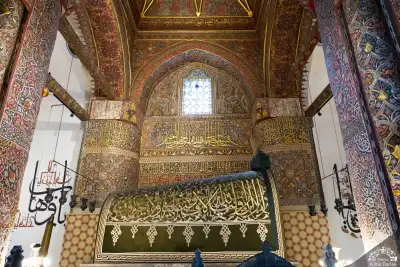
Inside the museum, Mevlâna's manuscript works, cloaks belonging to Mevlevi dervishes, musical instruments, embroidered prayer rugs, and rare copies of the Quran are on display. In the mausoleum section, alongside Mevlâna's sarcophagus, lie the sarcophagi of his relatives and prominent figures of the lodge. The atmosphere of quiet reverence felt throughout the visit sets this place apart from an ordinary museum; visitors come seeking not just historical artifacts, but also a deep sense of tranquility.
Guide's Note
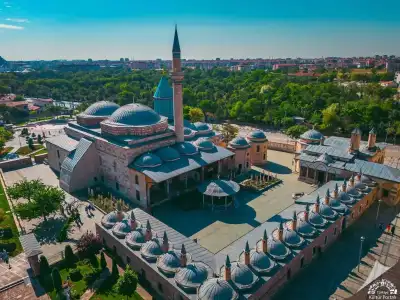
The vast majority of travelers visiting the Mevlâna Museum emphasize that the experience goes far beyond a standard museum visit. Visitors note that the spiritual atmosphere blended with historic Seljuk architecture can be felt the moment you step through the gates. Beyond the preserved artifacts, the sense of peace and inner calm created by the space itself stands out as the most common impression in reviews.
Travelers who mention visiting multiple times state that they discover a unique sense of serenity on each trip. Even during busy hours, the site is reported to maintain its serene ambiance. While reviews are overwhelmingly positive, many evaluations remain brief and general, offering limited information on practical visiting conditions such as crowd density, wait times, or guided tour services.
No negative feedback regarding the venue was shared during this period. Nevertheless, we recommend considering the following points when planning your visit:
- Lack of detailed crowd information: Reviews offer little concrete data regarding peak hours or wait times at entry; doing preliminary research beforehand can be helpful.
- Missing practical details: There are few recent comments on services like audio guides, tour guides, or directional signage inside the museum.
Best Time to Visit
You can visit the Mevlâna Museum throughout the year; however, April–May and September–October stand out for their mild weather and relatively smaller crowds. In mid-summer, during July and August, the museum becomes quite busy, and long queues can form. Arriving at the entrance early in the morning provides a great advantage during this season.
December 17th marks Şeb-i Arûs, the anniversary of Mevlâna's passing. On days leading up to this date, grand ceremonies and Whirling Dervish performances take place in Konya, drawing visitors from around the world. For those wanting to experience the spiritual atmosphere at its peak, this period holds special significance, though booking accommodation and transport well in advance is essential.
How to Get to the Museum
Located right in the center of Konya, reaching the Mevlâna Museum is straightforward. If using the city's tram system, the Mevlana stop brings you directly in front of the museum. Minibuses departing from the bus terminal or train station also stop near the museum, and directional street signs throughout the city guide you clearly.
If traveling to Konya from another city, there is a high-speed train (YHT) connection from Ankara and Istanbul, with the train station located near the city center. For air travelers, shuttle services and taxis connect Konya Airport to the city center. If traveling by car, parking spaces can be found around the museum, though you may need to park a short distance away during peak periods.
What to Eat in Konya?
Around the Mevlâna Museum and throughout Konya, you can easily sample the city's famous culinary specialties. Konya fırın kebabı
(oven-baked tandoori lamb) is the city's most renowned dish; be sure to try it at restaurants near the museum. Etli ekmek, a local flatbread topped with seasoned minced meat, is another popular specialty offering a quick and satisfying meal.For dessert, Konya şambali and various traditional Turkish pastries are available at local sweet shops and bakeries. The tea gardens surrounding the museum grounds also offer a relaxing stop for a break after your visit.
Best Photography Spots
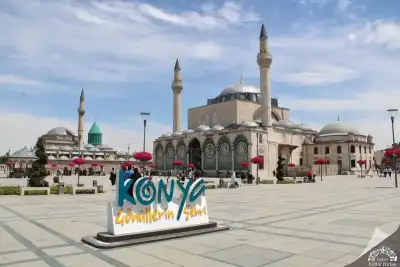
The best exterior photo angle of the museum is captured from across Mevlâna Square, where the turquoise green-tiled dome and adjacent slender minarets fit beautifully into the frame. At sunset, the shifting colors on the dome create a striking atmosphere.
The tiled fountain and cypress trees in the museum courtyard are also popular backdrops for photography. Photography is permitted inside; however, flash photography and disruptive behavior should be avoided inside the mausoleum section. Visiting early in the morning allows you to capture better indoor shots with natural light and fewer crowds.
Things to Know Before You Visit
The Mevlâna Museum functions both as a cultural site and an active place of spiritual reverence; therefore, observing modest dress codes is required. Female visitors are expected to cover their heads, and male visitors should refrain from wearing shorts; complimentary headcovers are provided at the entrance. Because shoes must be removed before entering the mausoleum section, wearing easily removable footwear is practical.
Visitors are expected to maintain silence and speak softly inside. Entrance is free, and there are no ticket booths, though brief wait times at the security gate may occur during peak hours. Eating and drinking inside the museum complex is prohibited.
One-Day Itinerary Suggestion for Konya
If you have a single day in Konya, we recommend spending the morning at the Mevlâna Museum; arriving early lets you beat the crowds and explore the grounds in peace. After leaving the museum, you can walk to the neighboring Selimiye Mosque and the nearby Karatay Madrasa, where the Seljuk-era tile collection is truly remarkable.
For lunch, try local specialties like Konya fırın kebabı or etli ekmek at the eateries around the museum. In the afternoon, a stroll toward Ince Minareli Madrasa and Alaaddin Hill offers an enjoyable walking route. Wrap up your day with a short shopping tour through Konya's traditional bazaar.
This content originates from neresigezilir.com and may not be copied without permission.
FAQ
Mevlâna Museum videos load when you open this section to keep the page fast.
Updated: