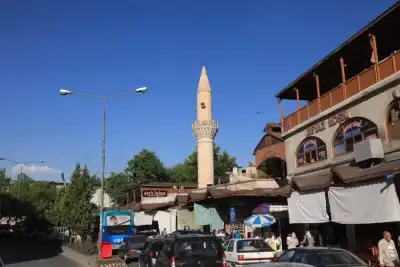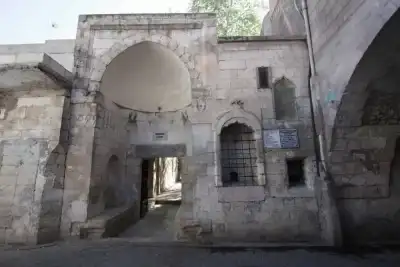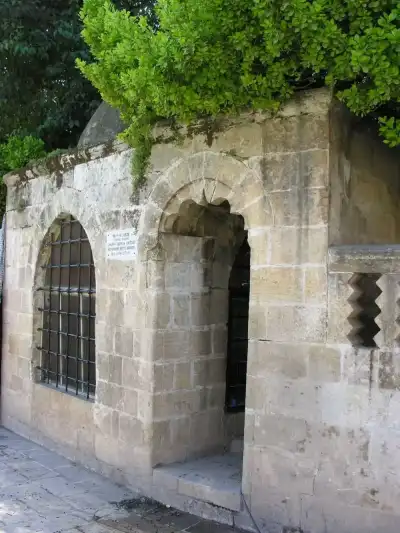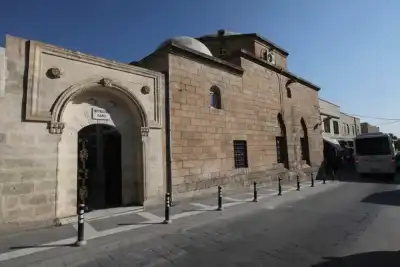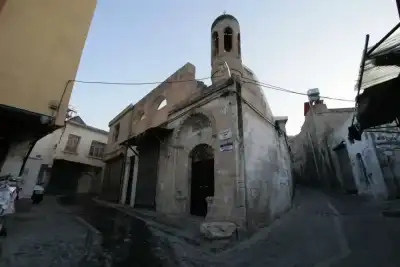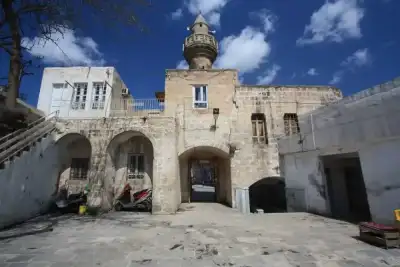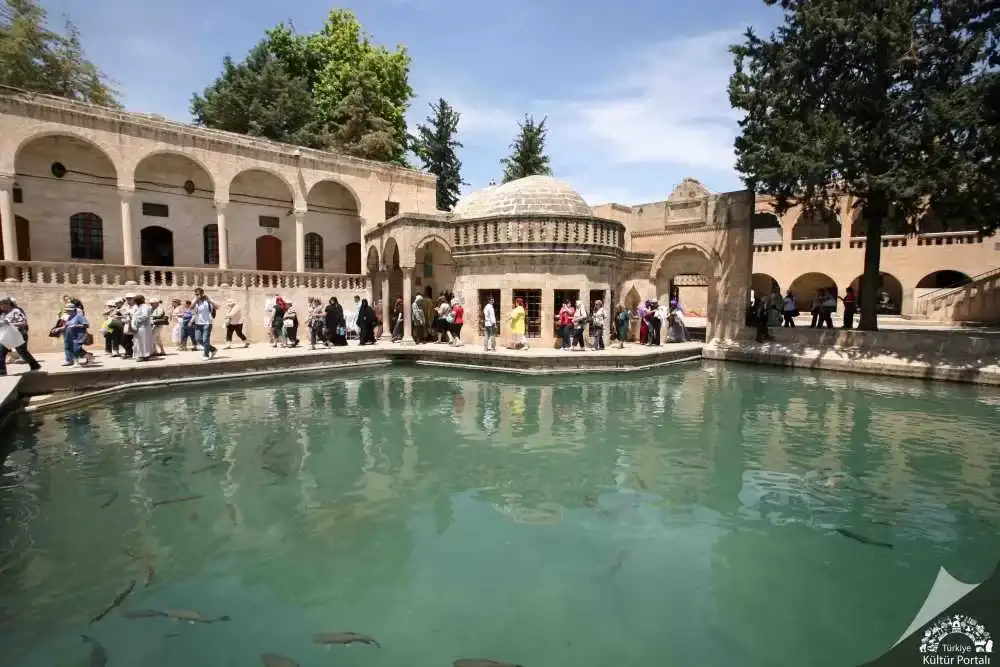
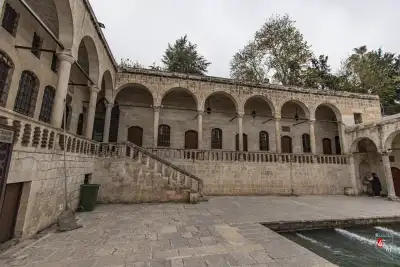
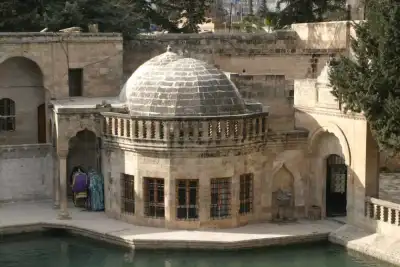
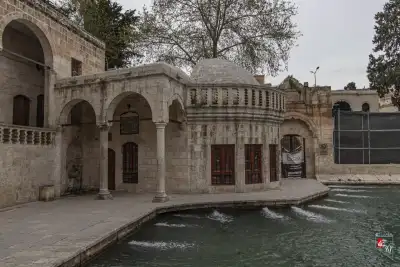
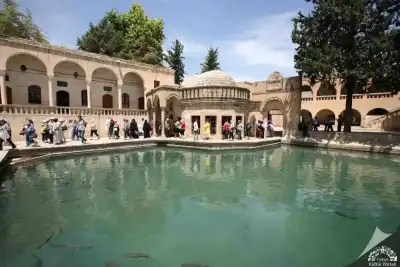
Halilürrahman Madrasa is an Ottoman-era madrasa built in 1775, located on the western shore of Lake Halilürrahman within the Balıklıgöl Complex in Şanlıurfa. It can be visited free of charge.
The Balıklıgöl area, one of the spots that lets you feel the historical fabric of Şanlıurfa most intensely, is far more than just a lake and a mosque. Situated on the western side of this plateau overlooking Lake Halilürrahman, Halilürrahman Madrasa was built in 1775 and represents the educational and scholarly aspect of the complex. Bearing simple yet distinctive traces of Ottoman-era stonework, the madrasa served as the region's religious education center for centuries.
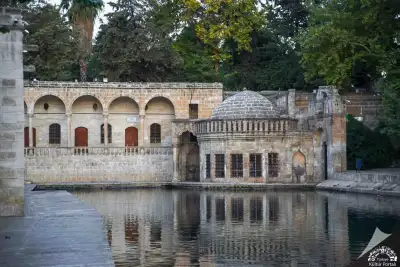
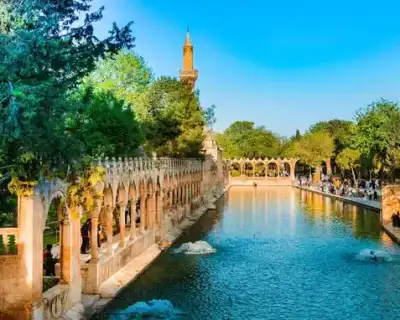
The madrasa forms a harmonious ensemble alongside Halilürrahman Mosque and Lake Aynzeliha. Standing right next to this sacred pool believed to be the spot where Prophet Abraham fell when thrown into the fire endows the structure with a meaning far beyond mere architectural value. Most visitors to Şanlıurfa get the chance to see the madrasa up close while touring Balıklıgöl, as the structures are located right beside each other.
Guide's Note
Halilürrahman Madrasa is located right next to the mosque of the same name at the eastern end of Balıklıgöl. Built slightly higher than the mosque, access to the structure is provided by a prominent staircase. Built in 1775, the madrasa underwent restoration during the Ottoman period in 1871.
Visitors particularly find the columns, arches, and the fully vaulted mihrab niche extending toward the lake quite striking. The exterior facade of the building offers great opportunities for photography. Access to the areas on the northern side of the lake is also possible via the madrasa's north garden.
- Interior access is limited: Visits are generally restricted to the exterior.
- North garden under restoration: The northern garden area surrounding the lake is currently undergoing restoration works.
Best Time to Visit
Şanlıurfa is one of the hottest cities in Turkey. Temperatures can exceed 40°C (104°F) in July and August, making tours around the Balıklıgöl area quite exhausting in mid-summer. April–May and September–October offer a far more reasonable experience regarding both weather and tourist density. During winter, the area grows quieter, allowing you to explore the madrasa and complex almost by yourself, though keep in mind the closing time moves up to 17:00. Early morning hours are golden for photography enthusiasts wanting to capture the stone structures and reflection on the lake, as the light is soft and crowds have not yet arrived.
How to Get to Şanlıurfa and the Madrasa
The most practical way to reach Şanlıurfa is by flying into Şanlıurfa GAP Airport, located about 35 km from the city center. There are regular flights from Ankara and Istanbul. For travelers coming by road, it is about a 2.5-hour drive from Gaziantep.
To reach Halilürrahman Madrasa within the city, you can take minibuses or dolmuşes running on the Balıklıgöl route. Taxis are also an affordable option. If you are staying around the historic city center, reaching it on foot is very convenient; walking from the Grand Bazaar (Kapalıçarşı) and Gümrük Han to Balıklıgöl takes around 15–20 minutes.
How Many Days to Spend in Şanlıurfa?
A few hours are sufficient for Halilürrahman Madrasa and the immediate Balıklıgöl area, but Şanlıurfa is too rich a city to compress into a single day. Göbeklitepe alone requires half a day. When you add the Harran Plain with its beehive houses, Urfa Castle, Cave of Prophet Abraham, Mevlid-i Halil Mosque, and the Grand Bazaar, at least 2 full days (and ideally 3 days for a more relaxed pace) are recommended. An extra day should be planned if you wish to visit Halfeti as well.
What to Eat in Şanlıurfa
After touring Halilürrahman Madrasa, you can sample authentic Urfa cuisine at restaurants around Balıklıgöl or inside historic venues around the city's Grand Bazaar. Çiğ köfte (Urfa's original version made with raw meat), lahmacun, kebab varieties (especially Urfa kebab), and katmer should top your culinary list. Sitting at tea gardens around Balıklıgöl to sip tea while watching the lake is an essential part of the visit. For breakfast, traditional local breakfast houses offer delicious regional spreads.
Photography Spots
Since Halilürrahman Madrasa is situated on the western bank of Lake Halilürrahman, you can frame the stone structure alongside reflections on the lake. Early mornings and late afternoons offer the best natural lighting. The stone walls, arches, and overall silhouette of the complex take on a dramatic appearance near sunset. The sacred fish of Balıklıgöl are also popular subjects for photographers. Angles framing the lake and its surroundings from elevated vantage points around the complex make for great composition choices.
Things to Keep in Mind Before Visiting
The Halilürrahman Complex is a sacred site; visitors should respect headscarf and modest dress codes when entering the mosque area. The madrasa and its surroundings experience high visitor traffic, becoming especially crowded on weekends and religious holidays. Carrying plenty of water during the summer months is strongly advised. Touching or disturbing the sacred carp in Balıklıgöl is strictly frowned upon. When taking photos, please show respect to people praying and avoid capturing them directly.
Suggested Itinerary for the Balıklıgöl Area
Visiting Halilürrahman Madrasa together with nearby historic landmarks makes for a much richer experience. A recommended route is as follows: Start at the Cave of Prophet Abraham, then visit Mevlid-i Halil Mosque. From there, walk down to Balıklıgöl to explore Halilürrahman Mosque and Halilürrahman Madrasa, before continuing to Lake Aynzeliha on the eastern side. This entire walking route takes under 2 hours. Afterwards, you can stroll over to the Grand Bazaar and Gümrük Han.
This content originates from neresigezilir.com and may not be copied without permission.
Halilurrahman Madrasah Videos
Halilurrahman Madrasah videos load when you open this section to keep the page fast.
Show videos
FAQ
Updated: