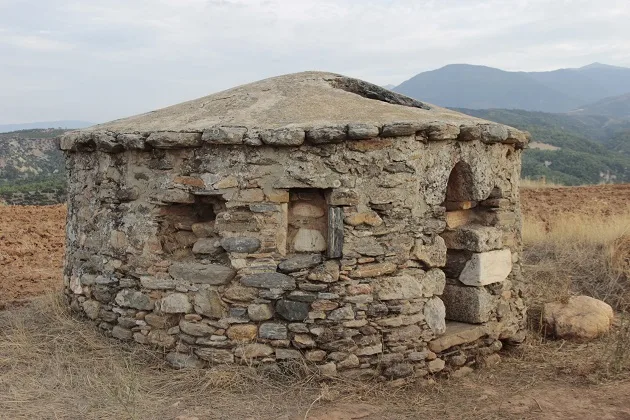
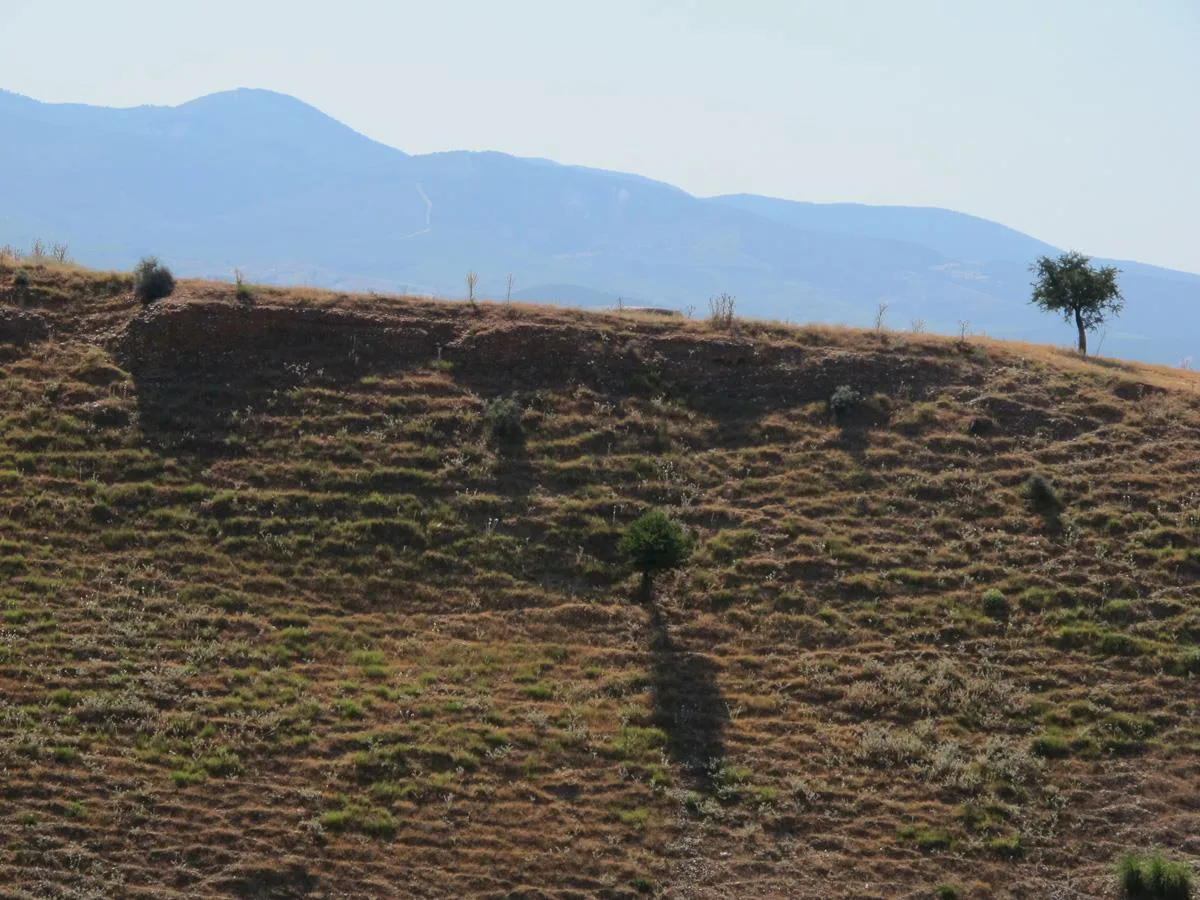
The Ancient City of Trapezapolis is an archaeological site located in the Babadağ district of Denizli, situated at the crossroads of Lycia, Phrygia, and Lydia, spanning from the Hellenistic era to the 7th century AD. Entrance is free.
Located in the Boludüzü area of Bekirler Village in the Babadağ district of Denizli, Trapezapolis was founded during the Hellenistic period under the name Apollonia. After briefly being called Antoniopolis, it acquired the name Triopolis in the 1st century BC because of its location at the meeting point of three major civilizations: Lycia, Phrygia, and Lydia. Remaining active until the 7th century AD, the city was one of the few Anatolian settlements able to send a senator to the Roman Empire, making its political history particularly intriguing.
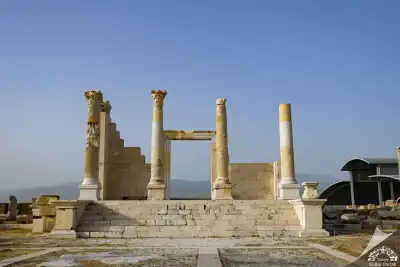
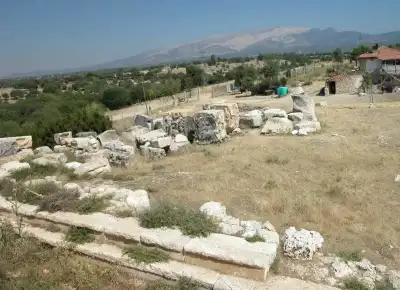
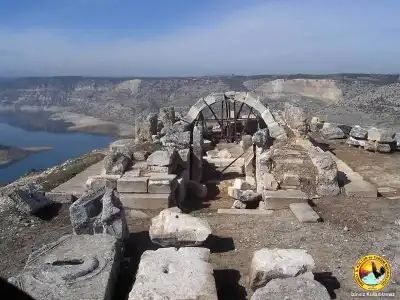
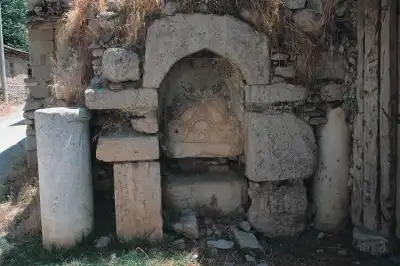
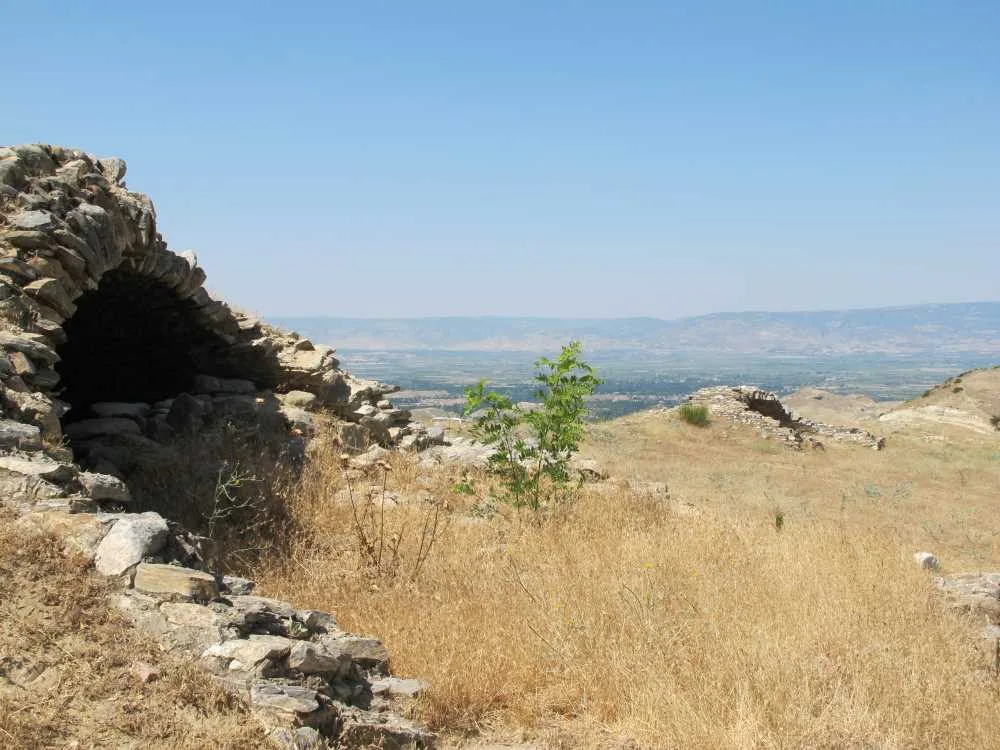
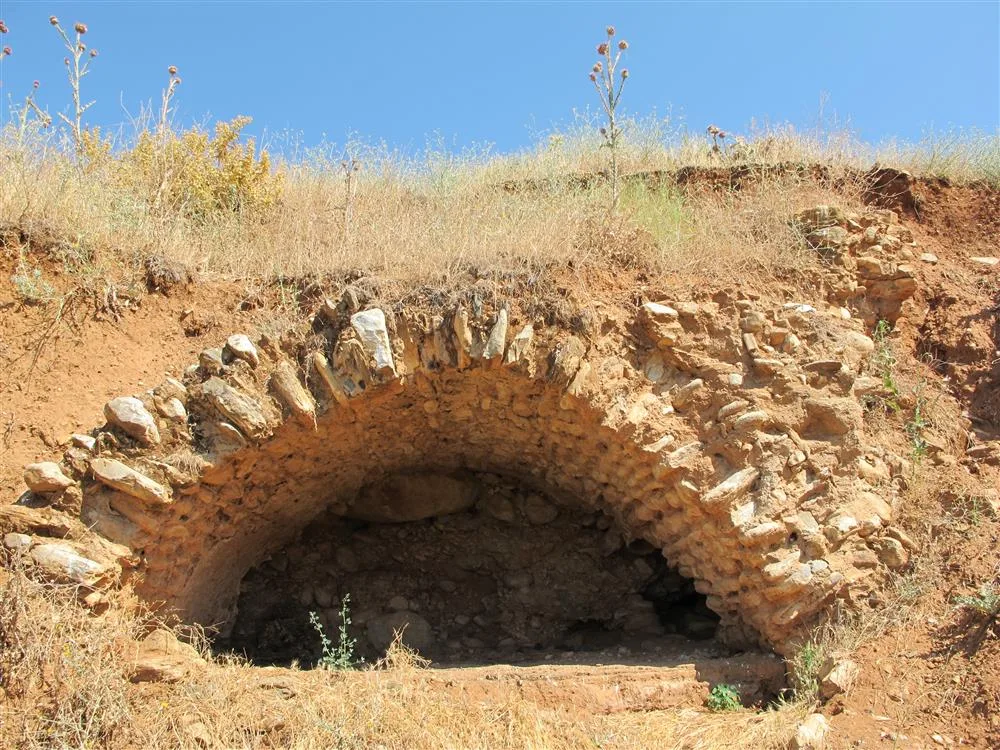
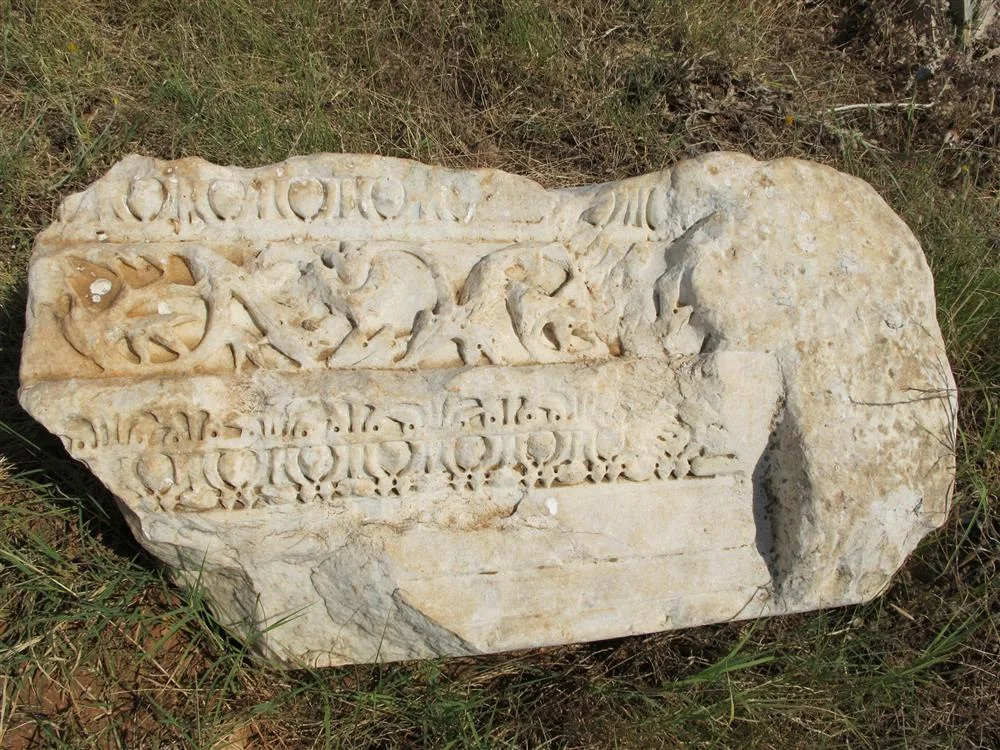
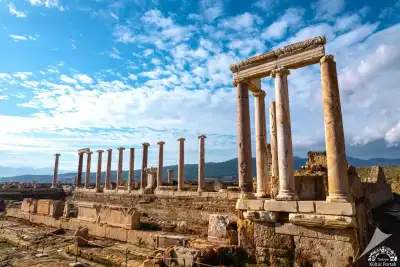
Excavation and restoration efforts are ongoing. Uncovered structures include a 2nd-century AD theatre with a seating capacity of 8,000, a rectangular agora that served as the Roman commercial hub, a colonnaded street spanning roughly 450 meters, Hierapolis Street, residences adorned with mosaics, a pavilion with a fishpond, and arched buildings dating to the Late Hellenistic and Early Roman periods. Visitors note that despite the theatre shifting towards the orchestra stage due to past earthquake damage, it remains remarkably impressive. The aesthetic paving stones, mosaics, and a 1st-century AD sewage and drinking water system showcase remarkable ancient engineering. The site also features Turkish trenches from the Turkish War of Independence, a piece of modern history frequently mentioned in visitor feedback.
Situated just 15 minutes from Pamukkale, Trapezapolis is a free-entry open-air archaeological site that can easily be added to any regional travel itinerary. While ongoing restoration promises a fuller visitor experience in the future, the excavated ruins are already well worth seeing today.
When to Visit?
Since the area is entirely outdoors, there is virtually no shade. April–June and September–November offer the most comfortable weather. If visiting in summer, go early in the morning or late in the afternoon to avoid the scorching heat. In winter, rainy weather can make the ground muddy, so wear sturdy footwear.
How to Get There?
Trapezapolis is located in Bekirler village in Babadağ district, about 40 km from central Denizli. Reaching the site by private car via the Denizli–Babadağ highway is the most practical option, and there is free parking at the entrance. Being about 15 minutes from Pamukkale, both destinations can easily be combined in a single day. Due to limited public transport, renting a car or arranging a private transfer from central Denizli is a more functional choice.
Itinerary Suggestion
A classic route for visitors to the region can be structured as follows: visiting the Pamukkale travertine terraces and the Ancient City of Hierapolis in the morning, followed by Trapezapolis in the afternoon, makes efficient use of time and energy. Even travelers who add Trapezapolis to their schedule on a whim report being very satisfied with the experience; simply follow the road signs. The Ancient City of Laodikeia is also nearby, making it a great extra stop for those looking to complete a tour of ancient cities in Denizli.
How Many Days to Allocate?
Trapezapolis on its own takes half a day or less; exploring the whole site takes 1–2 hours. For travelers staying 1–2 days around Pamukkale, Trapezapolis combines nicely with Hierapolis and Laodikeia to form a full day's itinerary. Rather than traveling to Denizli solely for Trapezapolis, pairing it with the region's other ancient cities offers a much richer travel experience.
Photography Spots
Looking out across the valley from the theatre's cavea, perspective shots along the long axis of the colonnaded street, and close-ups of the mosaic floors are among the most popular photo opportunities. Wall stones containing fossilized clam shells also offer a fascinating texture. Morning or late afternoon hours when the light softens yield the best results in open terrain.
Things to Keep in Mind
Restoration and excavation work is ongoing across the site, so certain sections may occasionally be closed to access. Visitors note that the area is open without dedicated security staff; keep an eye on your personal belongings. There are no cafes, kiosks, or vendors nearby, so be sure to bring sufficient water and snacks, particularly in summer. Wear comfortable walking shoes as the ground is uneven and unpaved in places.
About Trapezapolis
The history of Trapezapolis begins in the Hellenistic period under the name Apollonia. Briefly known as Antoniopolis, the city was renamed Triopolis in the 1st century BC due to its location at the crossroads of Lycia, Phrygia, and Lydia. Triopolis, one of the few Anatolian cities capable of sending a senator to the Roman Empire, remained a thriving settlement through the 7th century AD.
Today, uncovered structures include a 2nd-century AD 8,000-seat theatre, a rectangular Roman agora, a colonnaded street roughly 450 meters long, Hierapolis Street, an arched structure from the Late Hellenistic and Early Roman eras, mosaic houses, and a pavilion with a fishpond. A colorful fresco dating back to the 9th century AD is also preserved on the eastern wall of a vaulted structure. According to the Denizli Provincial Directorate of Culture and Tourism, the site is being researched in collaboration with Pamukkale University; official website: pau.edu.tr/tripolis
This content originates from neresigezilir.com and may not be copied without permission.
Ancient City of Trapezapolis Videos
Ancient City of Trapezapolis videos load when you open this section to keep the page fast.
Show videos
FAQ
Updated: