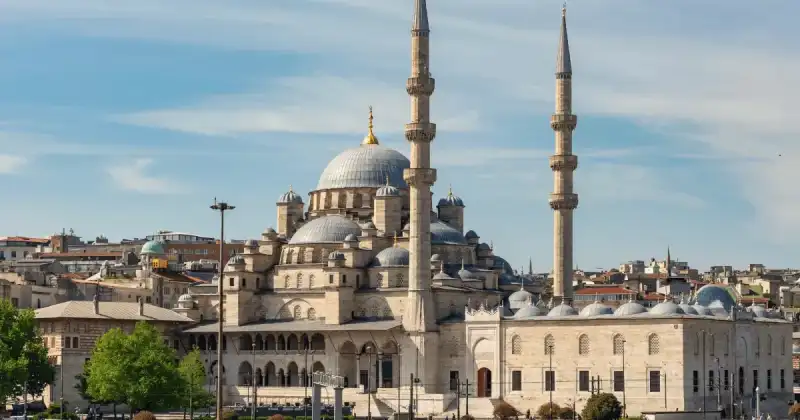
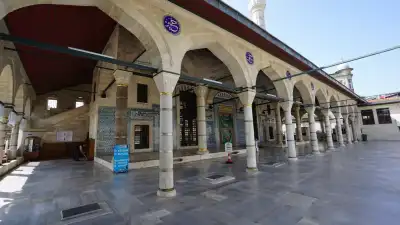
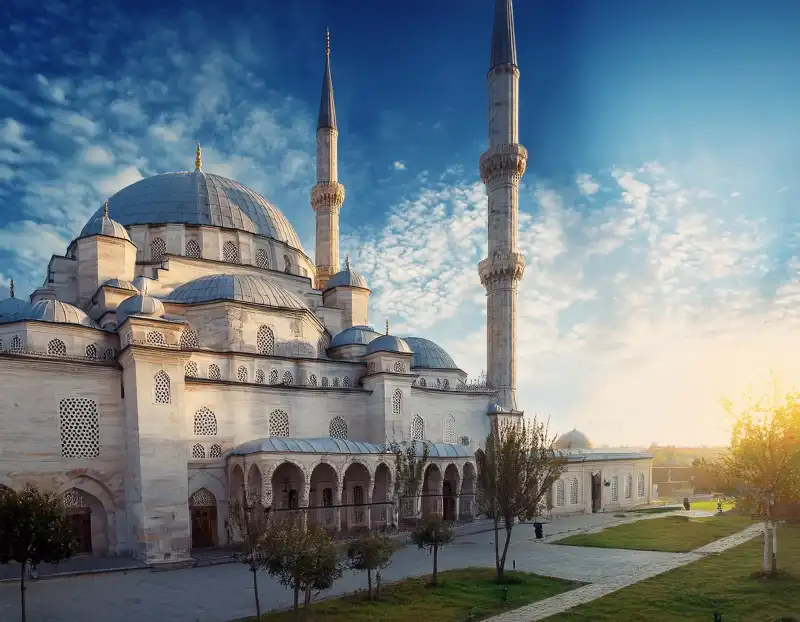
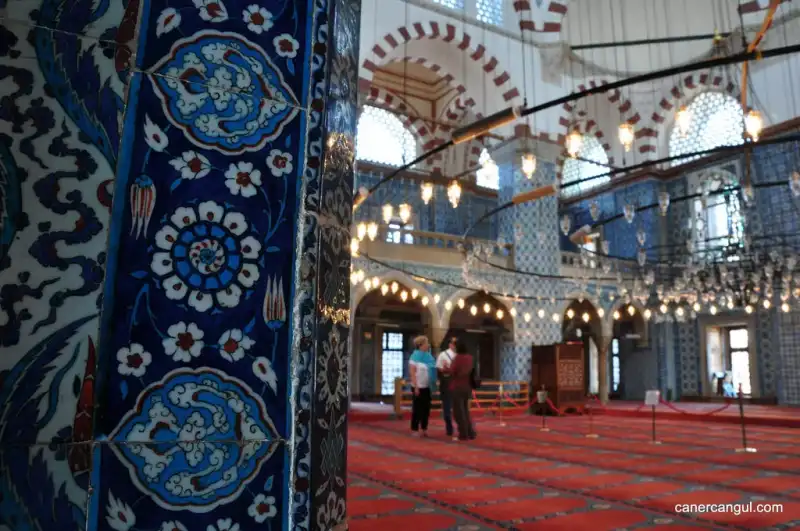
Rüstem Paşa Mosque is a 16th-century Ottoman mosque in Istanbul's Tahtakale market area, completed by Mimar Sinan in 1563. Famous for its interior walls and columns covered in exquisite Iznik tiles, admission is free.
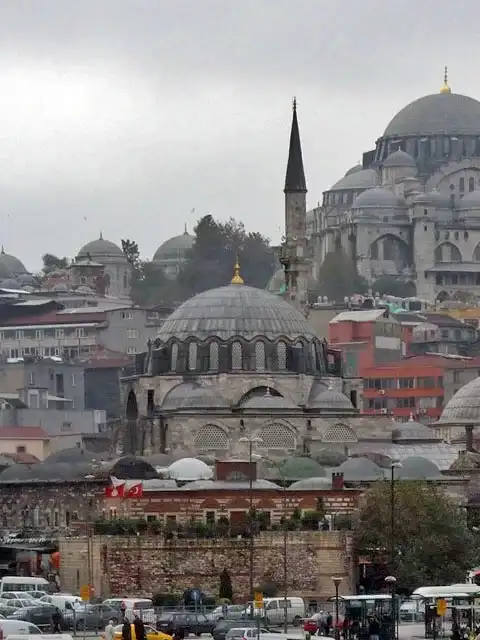
Rüstem Paşa Mosque stands on Hasırcılar Street, right in the bustling heart of the Tahtakale market, but elevated one floor above ground level. Designed by the master architect Mimar Sinan, construction began in 1561 following the death of Rüstem Pasha, grand vizier and son-in-law of Sultan Suleiman the Magnificent. From the outside, it resembles an ordinary market mosque. However, once you climb the stairs above the shops and step inside, a completely different world awaits you.
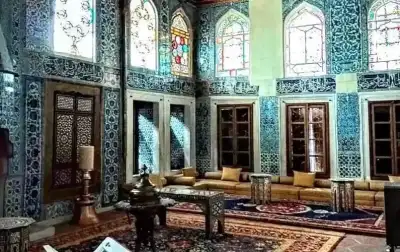
Its interior is covered from floor to ceiling with Iznik tiles: the mihrab, minbar, columns, and walls. You will find tulip, carnation, and pomegranate blossom motifs in shades of cobalt blue, turquoise, and coral red. Many visitors describe it as a miniature Blue Mosque, but without the crowds. Reviews particularly highlight the tiles in the second-floor gallery and the mosaic patterns at the entrance. Several visitors note how peaceful the mosque is, mentioning they didn't have to wait at all to get inside.
The mosque has been damaged by earthquakes and fires and restored several times over the centuries, with major recent restorations taking place in 1997 and 2020. Historic caravanserais like Büyük Yeni Han and Küçük Yeni Han sit alongside it, with shops lined underneath. Since it is nearly adjacent to the Spice Bazaar, it is an easy stop while walking along the Grand Bazaar–Eminönü route.
Guide's Note
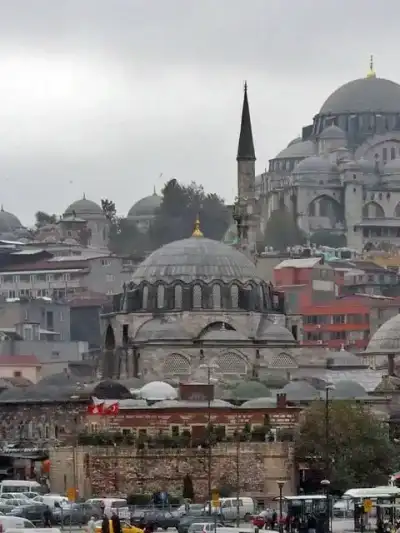
Designed by Mimar Sinan, Rüstem Paşa Mosque leaves a lasting impression on visitors. The Iznik tiles adorning the interior feature striking blue, green, and red tones—a highlight frequently noted by guests. The overall atmosphere of the mosque is described as quiet and spiritual, with most visitors reporting a sense of peace and tranquility upon entering.
Thanks to its location near the Spice Bazaar, reaching the mosque is quite convenient. Visitors report that the venue is kept clean and well-maintained. It stands out as a worthwhile stop for those wishing to pray as well as those admiring historic architecture.
- Ablution and restroom facilities for women are extremely limited or difficult to access; several visitors have noted complaints regarding this matter.
Best Time to Visit
The mosque is open daily from 10:00 to 18:00, but closes to visitors 15 minutes before prayer times. Visiting is restricted on Fridays between 12:00 and 14:00, so avoid those hours. Visiting early before the market wakes up makes both the streets and the mosque much quieter. Verify with official sources before visiting.
How to Get There
The easiest route is taking the T1 tram to the Eminönü stop, then walking 5–10 minutes along Hasırcılar Street toward the Grand Bazaar. If arriving from Sirkeci, take the Marmaray and walk in the same direction. For those coming from the Asian side by metro, the Haliç metro station is also an option, requiring a slightly longer walk. For bus travelers, line 30D stops nearby.
Best Photo Spots
The mosaic patterns viewed from the top of the entrance stairs are the first eye-catching detail. Inside, the tiles around the mihrab and the second-floor gallery are the most photographed areas. Reviews particularly praise the tilework in this gallery. Afternoon light coming through the windows makes the tile colors appear even more vibrant.
Nearby Attractions
The mosque is practically adjacent to the Spice Bazaar (Egyptian Bazaar), making it very easy to combine both in one trip. Nearby historic inns like Büyük Yeni Han and Küçük Yeni Han are worth exploring for those interested. The Eminönü waterfront and New Mosque (Yeni Camii) are also within walking distance.
Things to Keep in Mind
The entrance is via a narrow staircase tucked between market shops. First-time visitors can easily pass by without noticing the building. Because the mosque remains an active place of worship, visitor entry is paused briefly during prayer times. Headscarves for women are usually provided near the entrance, though bringing your own is more convenient.
Brief History
Rüstem Pasha was the grand vizier and son-in-law of Sultan Suleiman the Magnificent. Following his death in 1561, the mosque built in his honor was completed by the master architect Mimar Sinan. The building has been affected by several earthquakes and fires over time, undergoing restorations in 1958, 1962, 1997, and 2020. Prior to its construction, the Halil Efendi Masjid stood on the same lot.
This content originates from neresigezilir.com and may not be copied without permission.
FAQ
Updated: