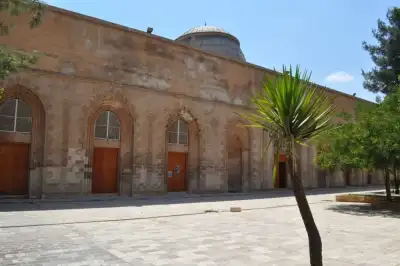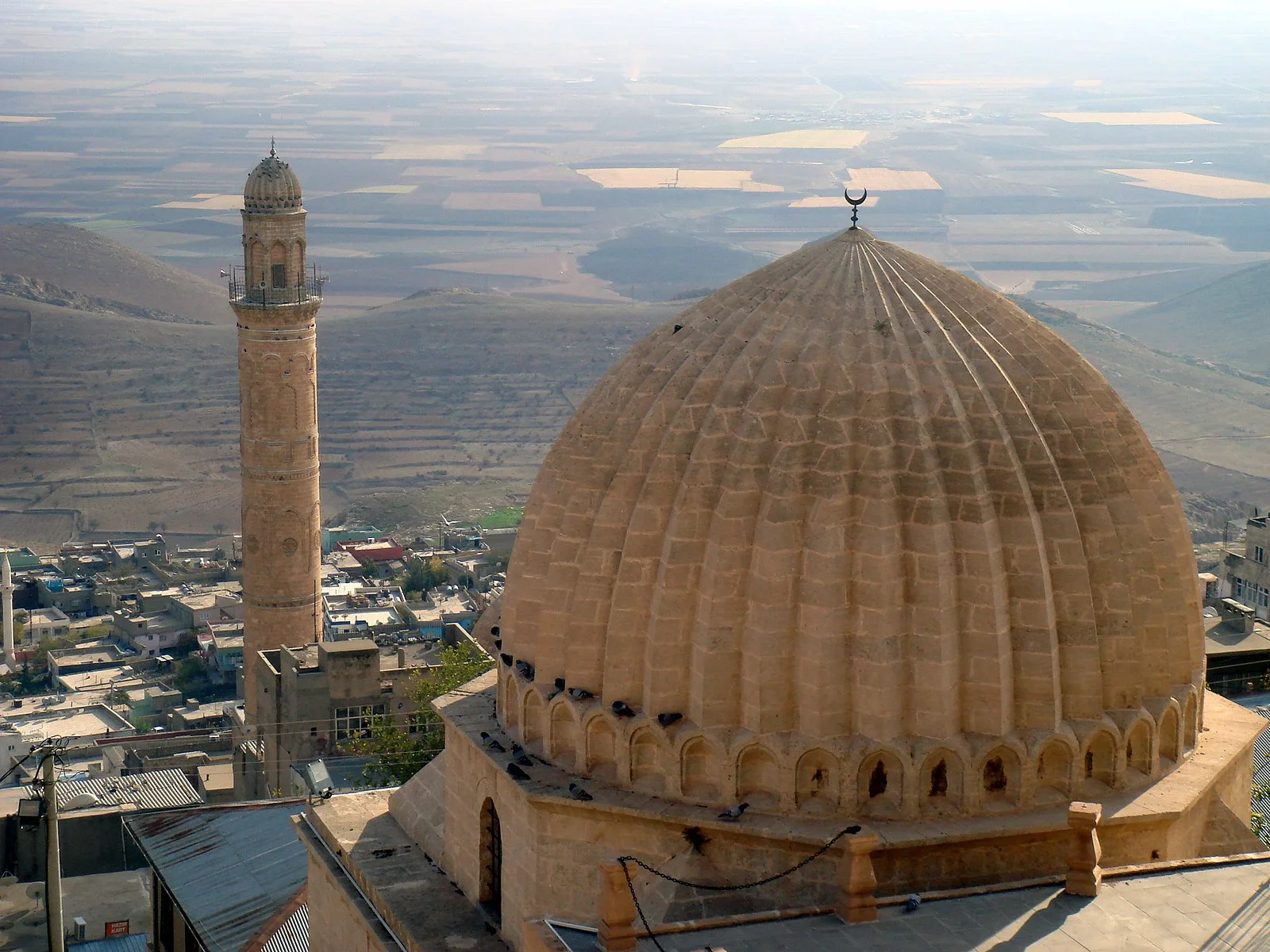
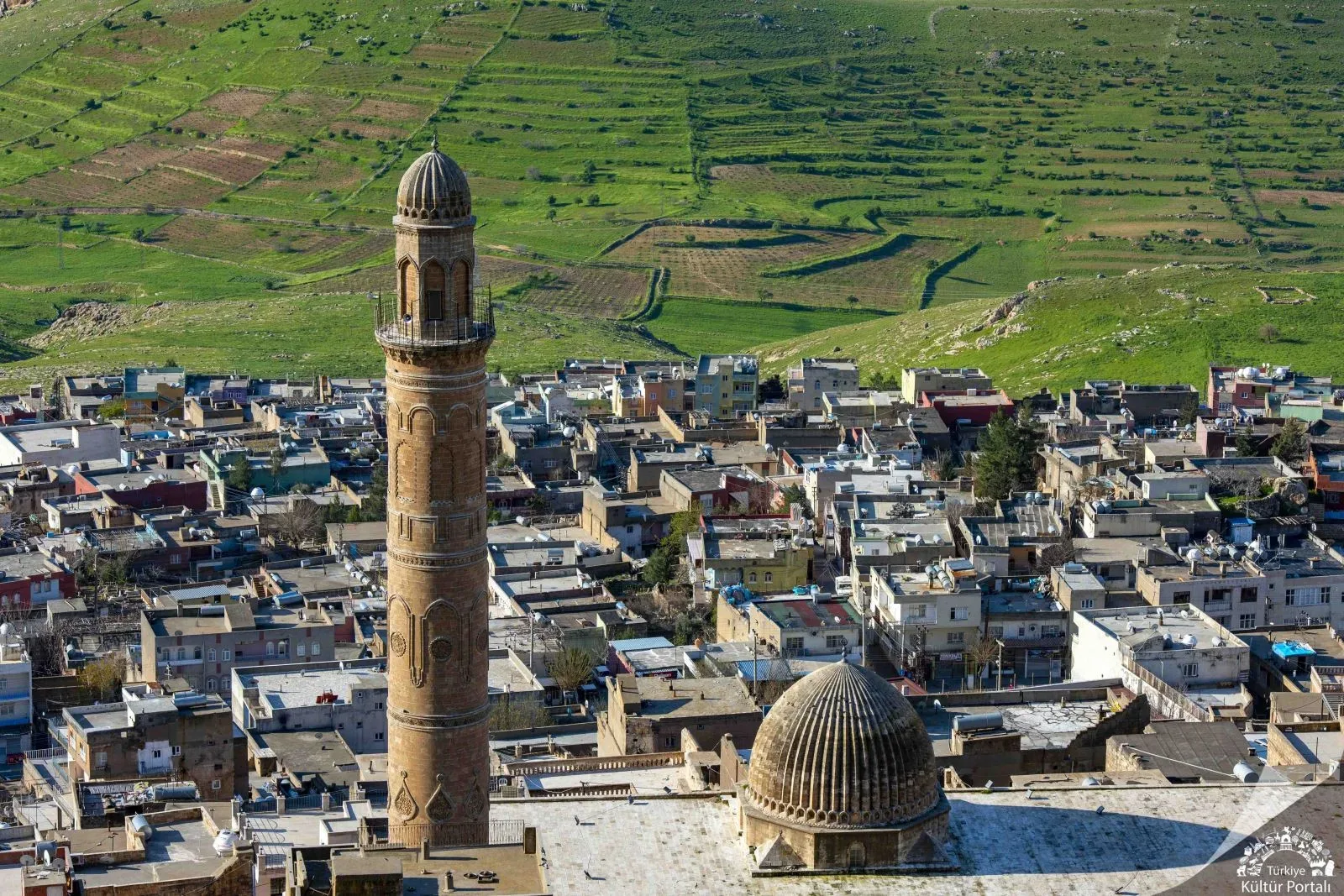
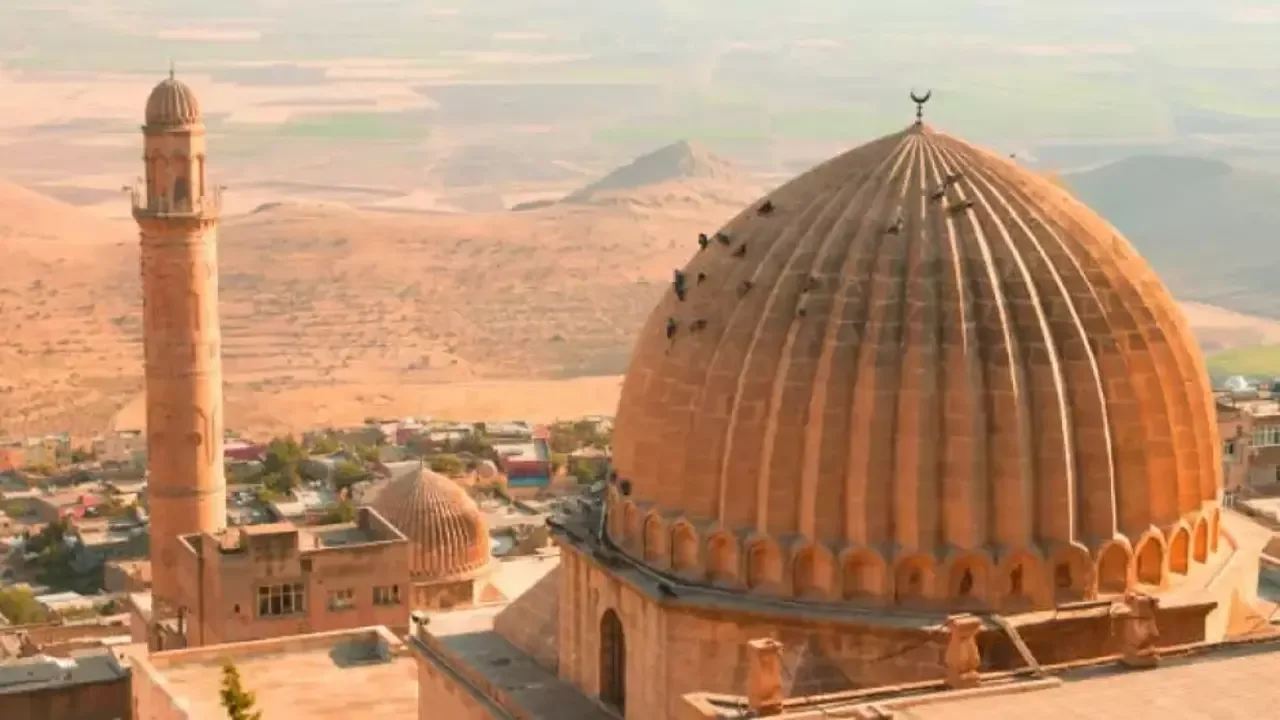
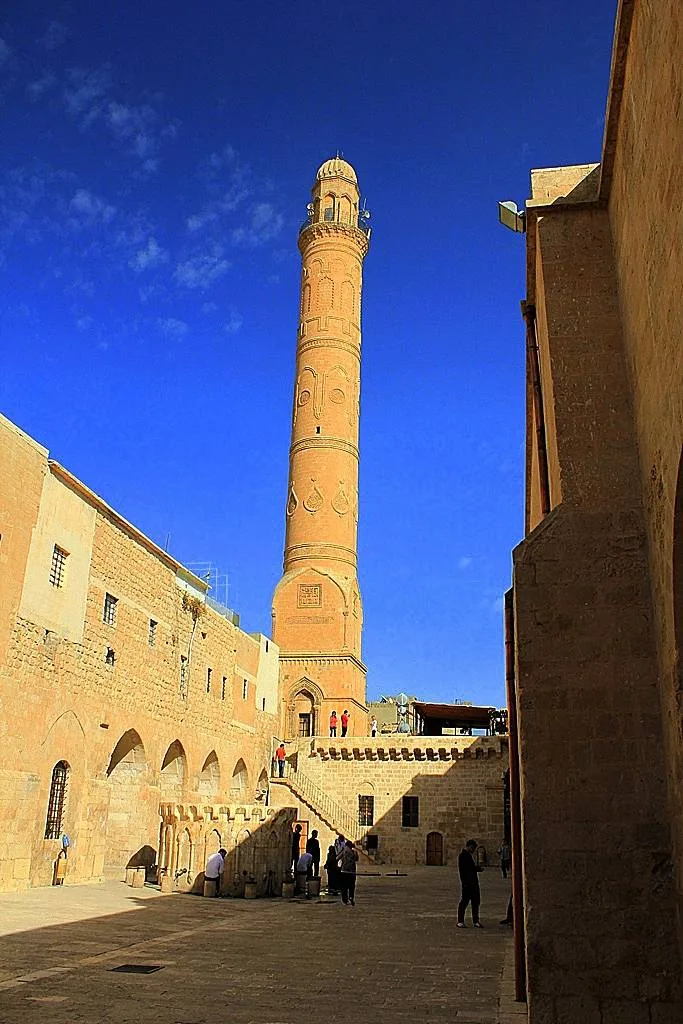
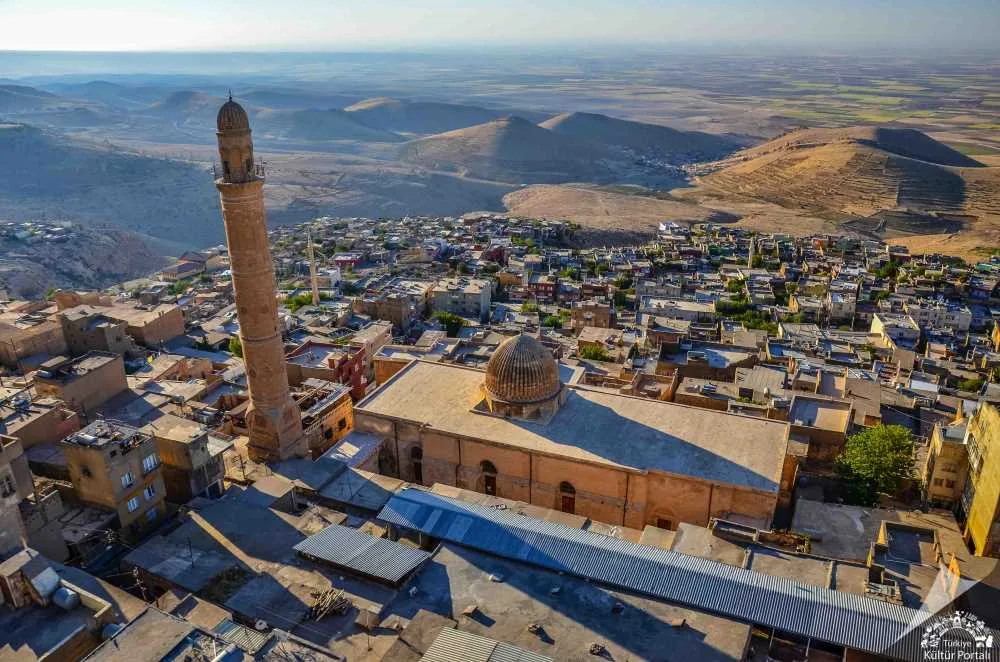
Mardin Grand Mosque (Ulu Camii) is a 12th-century Artuqid landmark situated in the center of Mardin's old bazaar, famous for its fluted dome and single minaret. It is active for worship and free to enter.
Walking through the bazaar of Mardin, its minaret catches your eye long before the mosque itself comes into view. According to historical records, the Grand Mosque was originally built in 1176 with two minarets. However, the inscription on the square base of today's sole surviving minaret dates to this origin, while the minaret itself was entirely rebuilt in 1888–1889. This ancient-looking structure actually carries multiple layers of history.
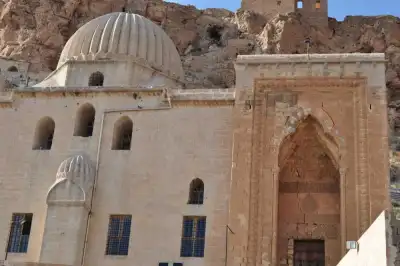
One of the most characteristic features of Artuqid architecture makes its debut here: the dome is covered with external fluting. First attempted on this building, this technique later evolved into a hallmark of Mardin's architectural tradition. A rectangular courtyard sits to the north of the mosque, featuring a fountain in its northern iwan. On the southern side, three naves run parallel to the qibla wall, with the two naves near the mihrab interrupted by the central dome. This transverse scheme featuring a dome in front of the mihrab served as a model for numerous regional structures in later centuries. Some Syriac sources suggest the mosque was converted from an earlier church; while not definitive, it is plausible that a church once stood on this site.
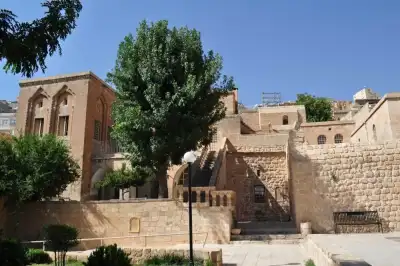
The mosque remains an active place of worship and houses a Sakal-ı Şerif, a sacred relic believed to belong to the Prophet Muhammad. Visitors frequently highlight the exquisite stone craftsmanship of the minaret and the serene atmosphere of the courtyard. Many also consider the surrounding alleyway a highlight of the tour, as the Grand Mosque sits right at the heart of the historic bazaar, best appreciated through its surrounding stone texture.
When to Visit
Mardin gets quite hot during summer afternoons, as the narrow stone alleys trap the heat. Exploring Mardin Grand Mosque in the morning hours before the bazaar grows busy is both cooler and more tranquil. Spring and autumn months generally offer the most comfortable weather for touring the city.
How to Get There
The mosque is located right inside Mardin's historic old bazaar. If you are already in the city center, walking is the easiest option. As you walk through the narrow stone streets, the minaret will be visible from a distance, making navigation easy. If arriving from the castle or the main bus station, taking a short taxi ride to the central street and continuing on foot is recommended.
How Much Time to Spend
The mosque is compact. About 20 to 30 minutes is sufficient to tour the courtyard, see the interior, and admire the minaret. However, the historic alley where the mosque stands should also be enjoyed as part of the visit; local vendors, traditional stone shops, and nearby heritage sites will naturally extend your stay.
Things to See Nearby
After visiting the Grand Mosque, you can cross the nearby street to reach Zinciriye Medrese. Mardin Museum and Mardin Castle are also close to the city center and fit conveniently into the same day's itinerary. Wandering through the bazaar, you will encounter numerous other historical structures featuring remarkable stone carvings.
Visitor Etiquette & Guidelines
This is an active place of worship. During congregational prayer times, sightseers should keep their visit brief or pause until prayers conclude. Bringing a headscarf and wearing modest clothing covering shoulders and knees is practical, especially for female visitors. Remember to remove your shoes at the main hall entrance.
Best Photo Spots
The intricate fluted craftsmanship of the minaret is far more visible from the central courtyard; from the narrow street outside, only the upper portion can be seen. Another popular perspective highlighted by travelers is the ancient street framing the entrance, where narrow stone archways create a perfect context for photos.
A Brief History
Records indicate that the landmark was originally built in 1176 during the Artuqid Dynasty with twin minarets. Over the centuries, one minaret was lost, while the surviving minaret was completely rebuilt in 1888–1889. The signature 12th-century Artuqid layout featuring a transverse sanctuary crowned by a central dome in front of the mihrab is clearly evident here. This architectural layout served as an inspiration for many regional monuments built in subsequent centuries.
This content originates from neresigezilir.com and may not be copied without permission.
Mardin Grand Mosque (Ulu Camii) Videos
Mardin Grand Mosque (Ulu Camii) videos load when you open this section to keep the page fast.
Show videos
FAQ

Updated: