Şeyh Çabuk Mosque is a 15th-century historic mosque located on 1st Avenue in Mardin, famous for its cylindrical minaret and the tomb of Abdullah bin Enes el-Cüheyni, believed to be a messenger of the Prophet; entry is free.
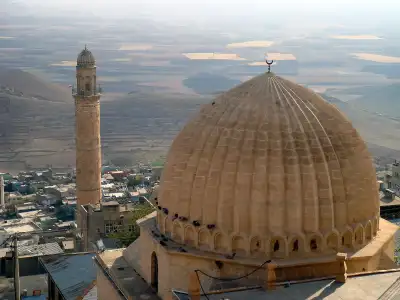
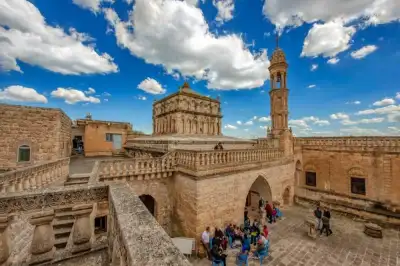
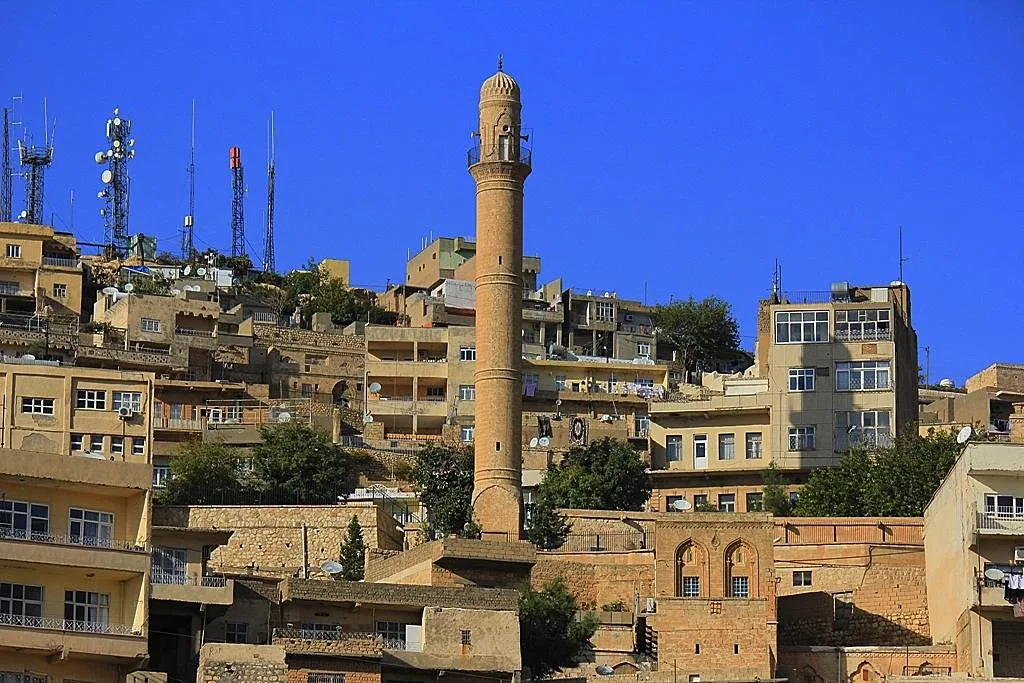
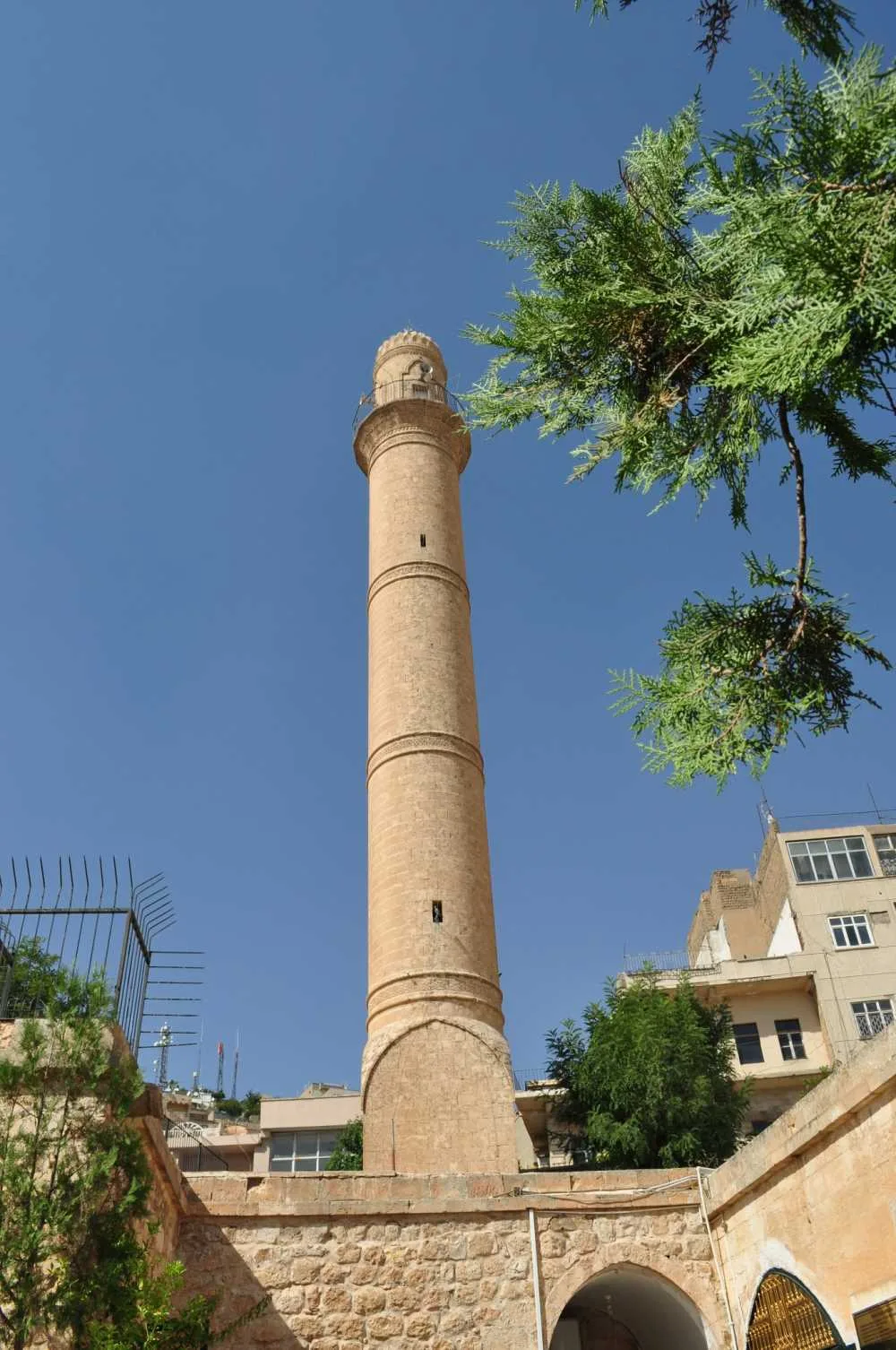
Şeyh Çabuk Mosque catches the eye along 1st Avenue primarily through its tall, cylindrical minaret. Its exact construction date remains uncertain. According to Ministry of Culture records, it likely assumed its current form in the 15th century and underwent two major restorations in the 19th century. Some local sources even trace its origins back to the Artuqid period in the 14th century. The transverse layout typical of many mosques in Mardin is applied here as well: the main prayer hall consists of a wide nave covered by two barrel vaults.
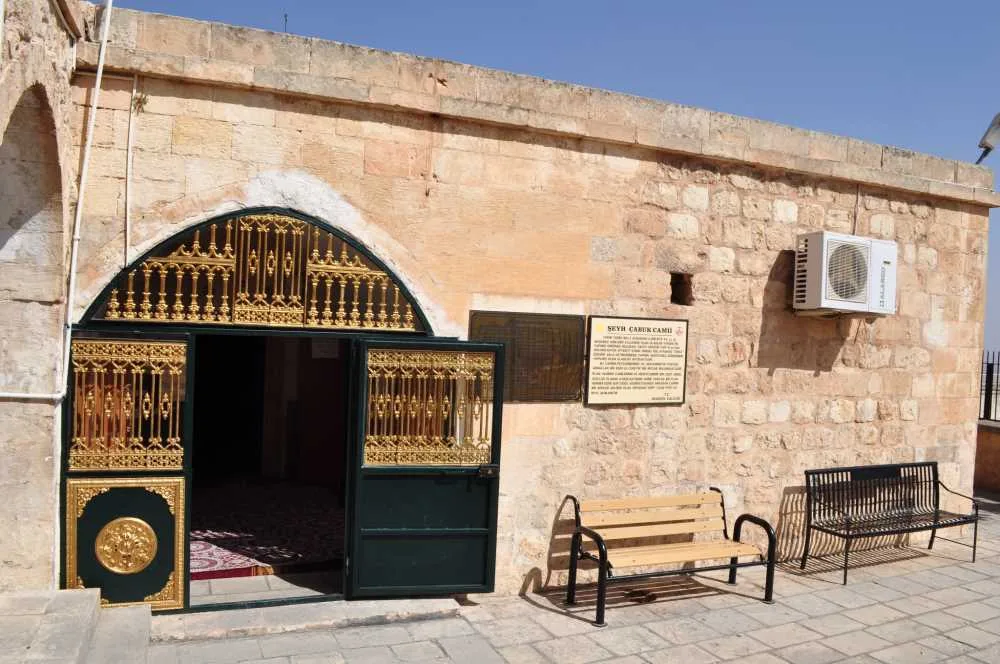
The name of the mosque is tied to the tomb inside. The section covered by a cross vault on the southern side is believed to have served as a tomb or a place of dhikr. According to visitor accounts, it houses the grave of Abdullah bin Enes el-Cüheyni, said to be a messenger of the Prophet Muhammad. Legend has it that he earned the nickname "Çabuk" (Fast/Swift) for completing his duties quickly, which gave the mosque its name. Visitors often note the mosque's simple yet evocative atmosphere and the striking sense of peace felt upon entering.
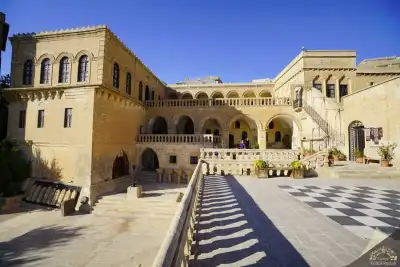
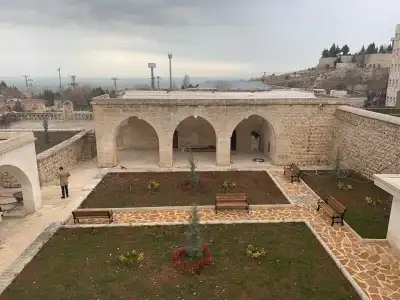
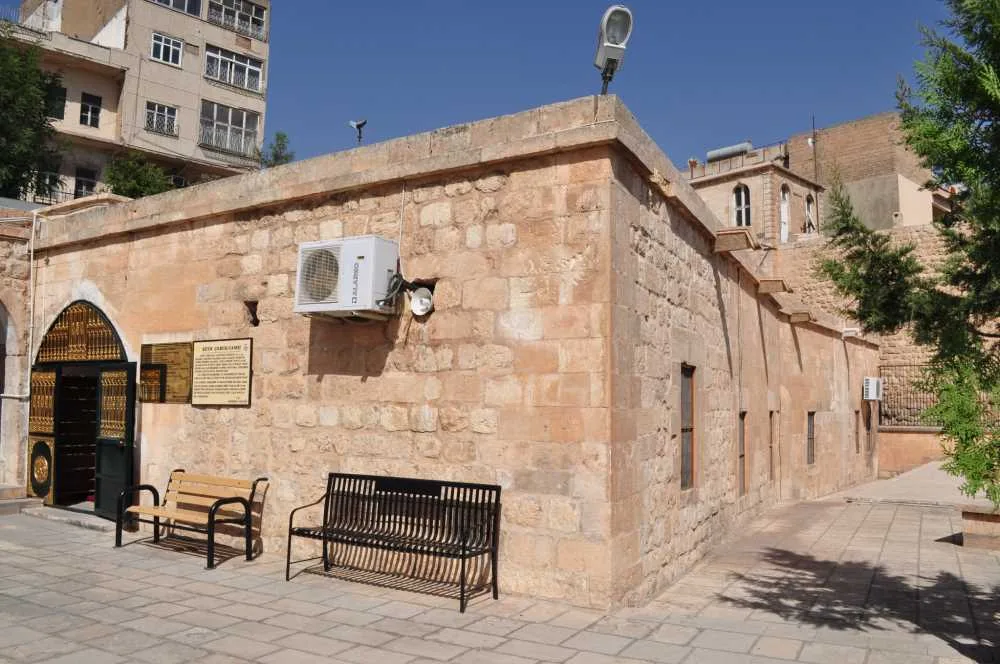
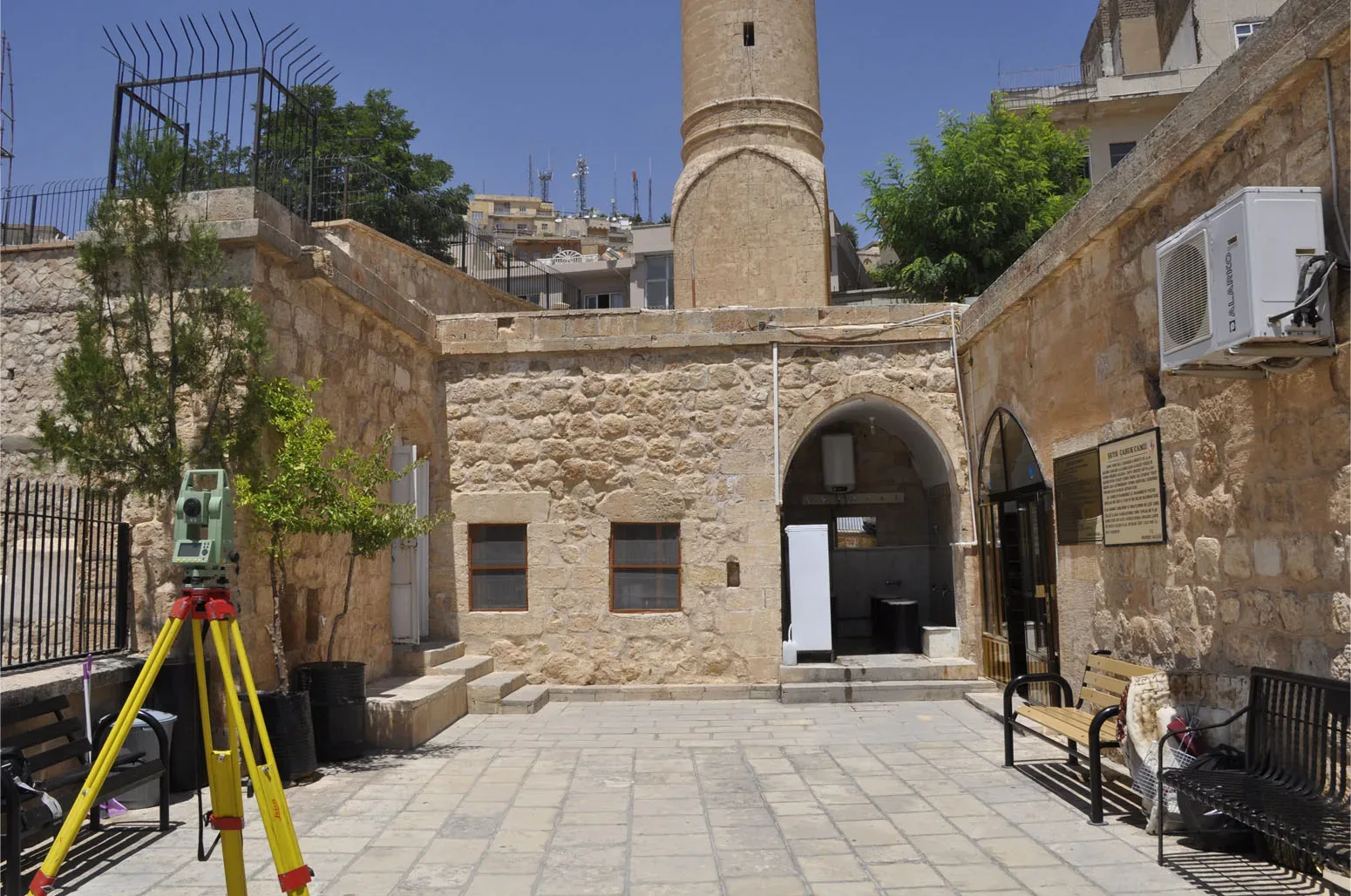
The mosque stands out with its courtyard enclosed by a wide perimeter wall. Frequently described as a site that tour groups pass by without stopping, it offers a serene retreat away from Mardin's bustling center. Reviews also mention friendly local attendants who share insights about the mosque's history with visitors.
Story of Şeyh Çabuk Mosque
The exact construction date of the mosque is unknown. According to Ministry of Culture records, it most likely took its present form in the 15th century, while some local sources date its origins to the Artuqid period in the 14th century. It underwent two restorations in the 19th century. The building features a transverse layout common in Mardin's historical mosques, with a main prayer hall consisting of a broad nave covered by two barrel vaults. The cross-vaulted section on the south side was likely used as a tomb or a place for spiritual gathering (dhikr).
According to visitor accounts, this section contains the tomb of Abdullah bin Enes el-Cüheyni, believed to have served as a messenger for the Prophet. Local tradition holds that he earned the moniker "Çabuk" (Fast) for fulfilling his duties with extraordinary speed, giving the mosque its current name. While this detail comes from oral tradition rather than official documentation, it adds to the site's unique character.
When to Visit
Mardin can be hot and dry during summer, making spring and autumn the most comfortable seasons for exploring the city. There are no specific seasonal requirements for visiting the mosque itself; it is generally accessible outside of prayer times. Visiting in the morning hours allows you to experience 1st Avenue when it is less crowded.
How to Get There
The mosque is located on 1st Avenue, the main street of Old Mardin. If you enter through Diyarbakırkapı and walk toward the city center, you will see it on the right side of the road. Because it is close to other historic landmarks in the city center (such as the Kasımiye Madrasa and the Grand Mosque), it can easily be incorporated into a walking itinerary. Finding parking nearby can be tricky for drivers, so exploring on foot is recommended.
Visit Duration
Since the mosque is a small and peaceful structure, 15 to 25 minutes is usually sufficient. Those wishing to pay their respects at the tomb or spend a moment resting in the courtyard may want to allow extra time. It makes for a perfect short stop alongside other historic buildings along 1st Avenue.
Things to Keep in Mind
As this is an active place of worship, visitors should maintain a quiet demeanor and respect prayer times. The volunteer caretaker mentioned in visitor reviews may not always be present, so those seeking detailed historical context may wish to read up beforehand. Since it sits slightly off the main tourist track, the door may occasionally be closed; asking shopkeepers nearby before knocking can be helpful.
Photography Tips
The tall cylindrical minaret frames beautifully against the narrow street fabric of 1st Avenue. The courtyard walls and traditional stonework are also well-suited for detailed close-ups. Afternoon sunlight highlights the rich texture of the stone surfaces particularly well.
This content originates from neresigezilir.com and may not be copied without permission.
Sheikh Çabuk Mosque Videos
Sheikh Çabuk Mosque videos load when you open this section to keep the page fast.
Show videos
FAQ
Updated: